Why Fried Catfish Never Gets Old
You know the comfort of a crisp, golden crust giving way to tender, flaky fish, and fried catfish delivers that sensation every time. Simple seasonings and hot oil lock in moisture and add toasted, savory notes that feel familiar and new all at once. The contrast of textures and the way tangy sauces brighten the richness keeps it endlessly appealing, and the connection to Cajun food and broader Cajun cuisine traditions explains why it resonates with so many seafood lovers. Even the memory of a plate at Razzoo’s Cajun Cafe can bring back the smell of spices and the pleasure of biting into perfectly fried catfish.
Why Fried Catfish Tastes So Good
When you bite into perfectly fried catfish, the first thing you notice is the contrast between a crisp, golden crust and moist, flaky flesh.
Simple seasonings—salt, pepper, and a hint of cayenne—amplify the fish’s natural sweetness without masking it.
The coating contributes savory notes and a satisfying crunch that keeps each mouthful interesting.
The oil’s richness and the quick, high heat of a good Cajun kitchen lock in juices so the texture remains tender rather than drying out.
Served in a Cajun restaurant or as part of Cajun cuisine, the fish pairs beautifully with tangy sauces and a squeeze of lemon that cut through the fat and heighten the flavors.
How Fried Catfish’s Flavor and Texture Work
Fried catfish balances a crisp coating with tender flesh, so texture immediately shapes flavor. The crunchy crust delivers toasted, savory notes while sealing in the fish’s clean, slightly sweet taste and moist mouthfeel.
Every bite presents contrast as the brittle exterior shatters and releases browned, nutty aromas, then the soft fillet follows with mild, oceanic sweetness and a silky, flaky yield. Fat carries and amplifies those flavors, smoothing sharpness and adding richness without masking freshness.
Salts and spices on the surface pop against the delicate flesh and create a rhythm between boldness and restraint that pairs well with Cajun cuisine. Your palate registers temperature, oiliness, and the timing of the crunch, and together those sensations make fried catfish feel satisfying, straightforward, and memorably balanced in a Cajun restaurant or seafood-focused meal.
How to Get a Perfect Crispy Crust When Frying Catfish
Achieving a perfect crispy crust on fried catfish relies on controlling surface dryness, coating adhesion, and oil temperature.
Patting the fillets dry with paper towels and allowing them to rest briefly helps moisture move away from the surface before cooking.
Dredging the fish in seasoned flour or cornmeal creates the classic texture beloved in Cajun cuisine, and pressing the coating firmly ensures it clings to the fillets.
Using a wet-dry dip, such as buttermilk followed by cornmeal, produces a bond that works especially well for seafood in many Cajun recipes.
Heating the oil to 350–375°F (175–190°C) and maintaining that range prevents a greasy crust from forming when the oil is too cool and avoids burning the exterior before the interior cooks when the oil is too hot.
Frying the fillets in small batches avoids a temperature drop and reduces overcrowding, which supports even browning.
Turning the fillets once promotes uniform color and doneness, and draining them on a rack rather than paper allows airflow beneath the fillets so the crust remains crisp.
Serving the catfish promptly helps preserve the texture that diners expect from a good Cajun restaurant-style dish.
Regional Roots and Traditions of Fried Catfish
Although fried catfish is now a Southern staple, its roots trace to a mix of Native American, African, and European cooking traditions that settled around the Mississippi Delta and Gulf Coast.
Mississippi and Alabama favor cornmeal crusts and a straightforward, rustic approach to frying.
Louisiana blends in bold spices from Creole and Cajun cuisine, and many Cajun restaurants celebrate those flavors.
In Texas and along the Gulf Coast, anglers and families celebrate fresh-caught fish with simple, well-seasoned batters.
African techniques contributed communal frying and the use of warming spices, Native American methods emphasized local freshwater fish, and European pan-frying traditions influenced breading and oil choices.
Exploring these local traditions reveals how place, community, Cajun food, and available ingredients shaped distinct, enduring ways to prepare seafood such as fried catfish.
Best Sides, Sauces, and Serving Tips for Fried Catfish
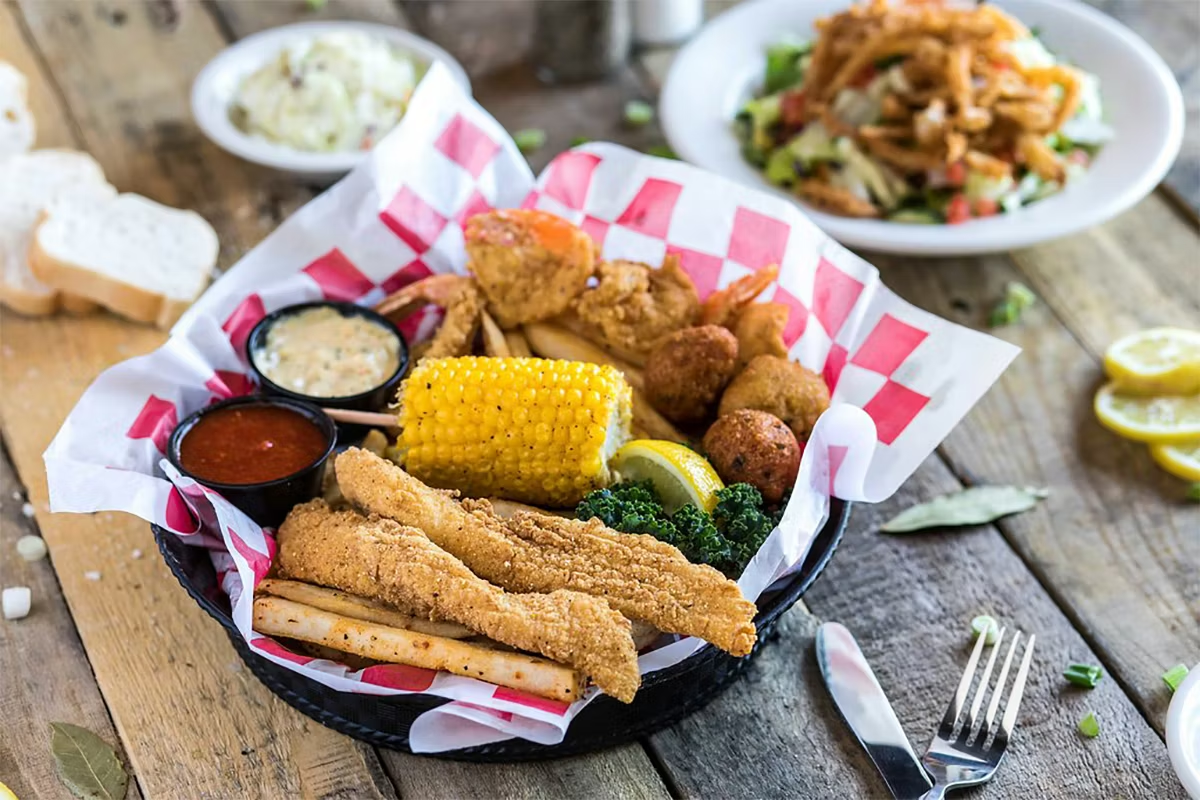
Fried catfish pairs well with sides and sauces that cut through its richness and add contrasting textures. Crisp slaw, tangy pickles, and lemon wedges bring brightness and lift the palate when served alongside the fish.
Hush puppies, cornmeal-fried okra, and crispy fries provide comforting starch and satisfying crunch. Simple tartar sauce, remoulade, or hot sauce add creaminess and heat, while a vinegar-based sauce contributes sharpness without weighing the dish down.
Many Cajun restaurants and seafood-focused kitchens feature fried catfish alongside elements of Cajun cuisine to complement the dish. Serving the fish on paper-lined trays or warm plates helps keep the crust crisp, and keeping garnishes separate preserves texture.
Allowing the fish a minute after frying helps excess oil drain away. Cutting the fish into pieces makes it easier to share, and providing plenty of napkins acknowledges that fried catfish is a hands-on, immediately enjoyable meal.
Where to Buy Great Fried Catfish and How to Keep It Fresh
When you’re hunting for great fried catfish, prioritize spots that fry to order and use simple, fresh ingredients such as clean fillets, a light cornmeal crust, and oil kept at the right temperature.
Look for busy local joints, Cajun restaurants, fish markets with on-site fryers, or well-reviewed food trucks because crowds and reviews usually signal consistency.
Ask about sourcing, including whether the fish is wild-caught or responsibly farmed, and find out when the fish was delivered.
For takeout, request the fish in a ventilated container to avoid sogginess and plan to eat it within two hours for the best texture.
To keep leftovers, cool the catfish completely, wrap it loosely in paper towels, and refrigerate it in an airtight container for up to two days.
Recrisp the pieces in a hot oven or air fryer rather than in the microwave to restore their crunch and complement the flavors of Cajun cuisine and southern seafood traditions.