Why Cajun Restaurants Feel Different From Other Southern Spots
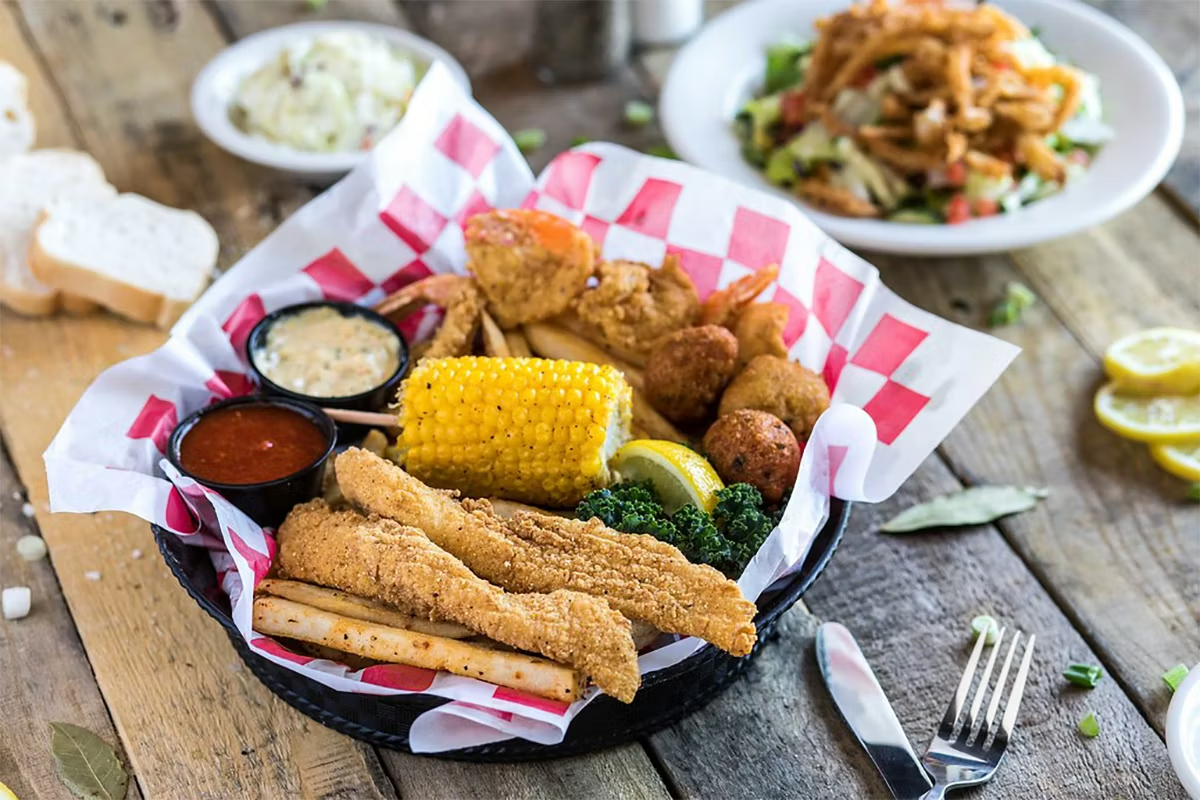
You notice it the moment you walk in: the air is thick with roux and simmering stock, and music is bumping as platters meant for sharing arrive at the table. Cajun cuisine often relies on one-pot techniques, charred aromatics, and smoky cured meats to build bold, clingy flavors that are about depth rather than just heat. The service and dining rituals nudge you toward communal, hands-on eating, and that lived-in atmosphere tells a story that makes Cajun food feel unmistakably different from other Southern spots. Razzoo’s Cajun Cafe captures that spirit with a focus on seafood, spice, and conviviality.
How Cajun Food Is Different From Other Southern Cooking
Cajun food stands apart from other Southern cooking through its bold, rustic simplicity and reliance on locally available ingredients. You can taste the emphasis on seafood, rice, and the "holy trinity" of onion, bell pepper, and celery in many dishes.
The flavors are driven by char, fond, and slow-simmered stocks rather than by elaborate sauces. Traditional techniques favor one-pot methods such as gumbo, jambalaya, and étouffée, which concentrate taste and stretch ingredients.
Spices in Cajun cuisine are assertive but balanced, and heat along with smoked or cured meats adds depth without masking freshness. Portions in a Cajun restaurant commonly encourage communal, casual dining where dishes arrive ready to scoop.
Unlike Creole refinement or Lowcountry subtlety, Cajun cooking prioritizes practicality and immediacy, producing dishes that feel hearty, direct, and rooted in daily life.
How Migration Shaped the Cajun Restaurant Tradition
When Acadian refugees settled in Louisiana centuries ago, their foodways traveled with them and kept adapting as families moved, mixed, and built new communities. You’ll notice Cajun restaurants reflect that migration, with menus tracing routes from bayous to small towns and blending coastal seafood harvests with inland game and garden produce.
As people relocated for work or safety, they brought recipes, cooking methods, and hosting customs that became staples of Cajun cuisine, including communal tables, Sunday family-style meals, and quick one-pot preparations. Immigrant influences from German, Spanish, African, and Native traditions also shaped the rhythms of service and the assortment of dishes in Cajun food.
That history explains why a Cajun dining spot feels like a neighborhood gathering rooted in mobility, adaptability, and a habit of feeding both family and newcomers.
Why Cajun Spice Blends and Techniques Taste Unique
Cajun cuisine tastes unique because Louisiana cooks combined the French mirepoix with local chiles, bayou herbs, and African spice practices, producing a blend that’s bright, earthy, and more sharply seasoned than many other Southern traditions.
In a Cajun restaurant you can taste how the holy trinity—onion, celery, and bell pepper—is often toasted or sweated to build depth before meeting cayenne, black pepper, and paprika for assertive heat.
Smoked and fresh aromatics like bay leaf, thyme, and parsley contribute a swampy brightness that complements seafood and other proteins.
Roux-based sauces and browned bits provide a nutty, savory backbone, and bright acids such as lemon, vinegar, and tomatoes help cut through the richness.
Spice blends in Cajun food are layered rather than single-note, with seasoning added at different stages so the flavors evolve and land across textures.
Why Cajun Menus Favor Communal Dishes (Boils, Platters, Stews)
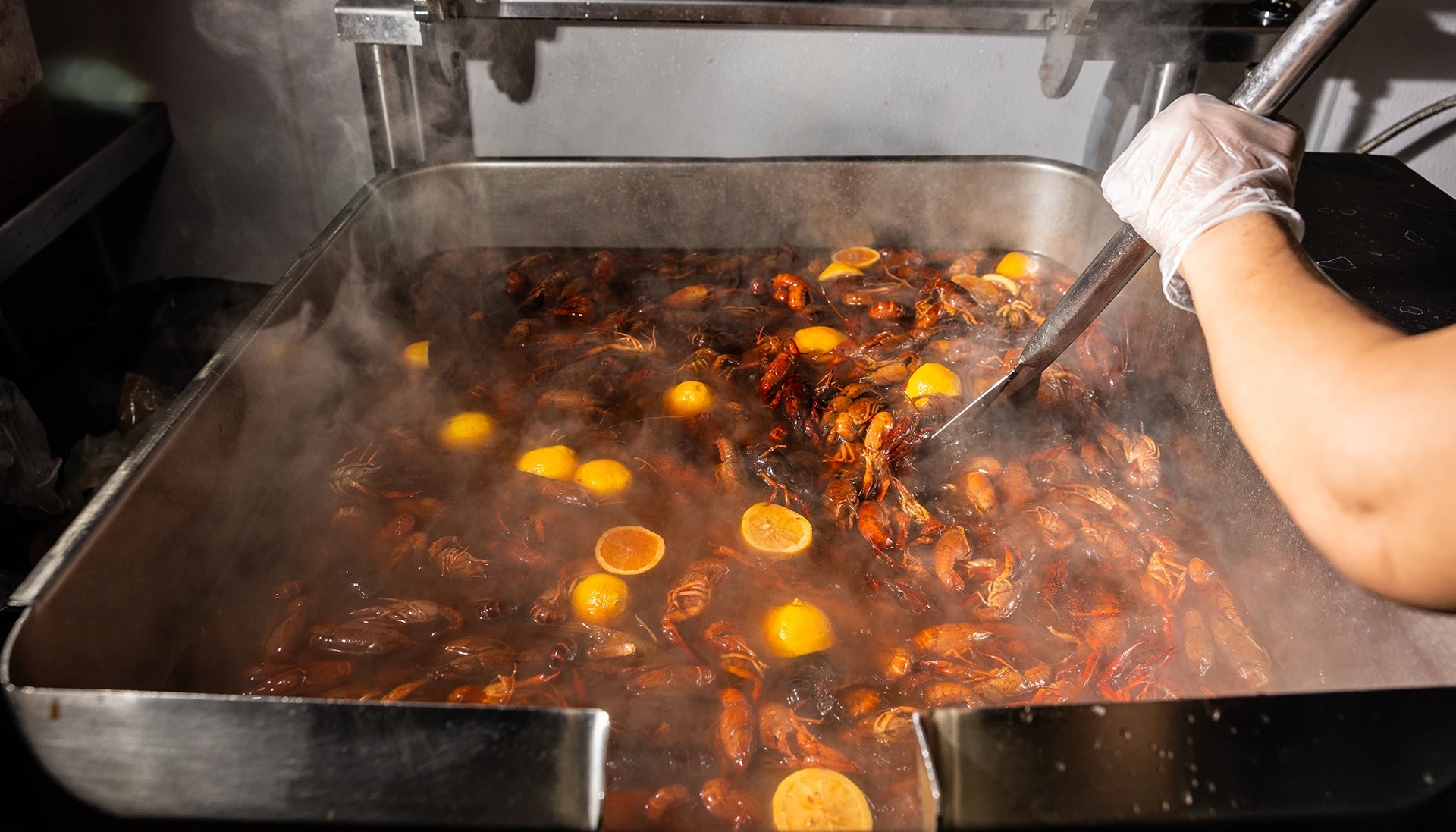
Those layered spice and heat principles appear most clearly in Cajun dishes designed to be shared, where seasoning can build across large pots and mingle among ingredients. Boils, platters, and stews allow spice to saturate every component — corn, sausage, shellfish, and potatoes — so each bite carries the same bold profile.
Communal formats suit Cajun cuisine’s roots in resourcefulness, ingredient-driven cooking, and social dining. Diners often eat from the same vessel, so cooks concentrate flavors to reach everyone equally, and slow-simmering or one-pot methods extract maximum taste from humble cuts.
These dishes also simplify service in a Cajun restaurant and encourage gathering without fuss, making flavor the primary focus. Choosing a Cajun menu means choosing food meant to connect people through shared, intense seasonings.
What to Expect: Rituals, Service, and How to Eat
If you sit down at a Cajun restaurant, expect meals to feel like gatherings rather than formal service. Servers move with easy familiarity and often encourage diners to dig in when platters arrive.
Rituals matter in Cajun cuisine, and communal boils are commonly dumped onto paper-covered tables so everyone can help themselves. Diners frequently grab crab, sausage, or corn with their hands instead of waiting for cutlery. Napkins and a finger bowl often replace formal etiquette in many seafood-focused Cajun meals.
Portion sharing is normal, so patrons typically ask questions and follow the server’s cues about sequencing and what dishes are best enjoyed hot or mixed. The emphasis in Cajun food is on flavor and fellowship rather than strict dining rules.
How Atmosphere, Music, and Decor Signal Cajun Identity
Often the moment you walk in, the room tells you that you’re somewhere Cajun with warm lighting, checkered or reclaimed-wood tables, and strings of beads or vintage fishing gear creating a lived-in, hospitable tone.
You notice music first — zydeco, swamp pop, or accordion-led two-steps — and the songs shape your pace, nudging you into relaxed conversation or foot-tapping that suits a Cajun restaurant atmosphere.
The walls display local photos, hand-lettered menus, crawfish posters, or brass instruments and these visual cues signal community pride and culinary roots tied to Cajun cuisine.
Smells of spice-laden roux, smoked sausage, and simmering seafood mingle with the scent of sawdust and wooden floors underfoot, reinforcing a sense of authenticity in the Cajun food experience.
Together, these elements tell a regional story that you can taste, hear, and touch rather than just a version of Southern cooking.