Why Fried Cajun Food Is Always a Crowd Favorite
You know why fried Cajun food gets everyone leaning in: Cajun cuisine pairs bold, smoky-spicy seasoning with a crunchy exterior and a juicy interior that hits both comfort and excitement. Fried seafood and other Cajun dishes use familiar spices—paprika, cayenne, garlic, and thyme—turned up just enough to be addictive, and frying locks in flavor while making everything shareable and visually tempting. Places like Razzoo’s Cajun Cafe showcase that balance, so you get the best of comfort and kick in every bite.
Quick Guide: How to Fry Cajun-Style at Home
Ready to jump in and fry Cajun-style at home, you’ll want a sturdy skillet or deep fryer, a reliable thermometer, and neutral oil heated to 350–375°F.
Pat proteins, vegetables, or seafood dry before you dust them in seasoned flour or dip them in a wet batter to create a crisp coating.
Work in small batches so the oil temperature recovers quickly, because overcrowding makes food greasy.
Fry the pieces until they’re golden, then transfer them to a wire rack set over a sheet pan so they can drain without sitting in oil.
Keep finished pieces on a separate platter in a warm oven set around 200°F to maintain their texture while you finish other batches.
Taste and adjust seasoning immediately, as a squeeze of citrus or a light sprinkle of salt can brighten the flavors of Cajun food and other dishes from Cajun cuisine.
Clean the oil of debris between uses to extend its life and preserve the quality of future frying for home cooks and small Cajun restaurant kitchens alike.
Essential Cajun Spices and Seasoning Blends
A few core spices will transform basic fried fare into unmistakably Cajun dishes; paprika, cayenne, black pepper, garlic powder, onion powder, and dried thyme and oregano form the backbone of Cajun cuisine.
Optional additions such as white pepper, smoked paprika, or a pinch of celery salt allow you to tune heat and smokiness for seafood, proteins, or vegetable dishes served in a Cajun restaurant or at home.
A versatile blend can be built by starting with a 3:1:1 ratio of paprika, salt, and black pepper, after which cayenne is added to taste. Garlic and onion powder should be measured sparingly so they don’t dominate the overall profile.
Toasting whole seeds or herbs briefly in a dry pan awakens oils and deepens flavor before crushing. Store blends airtight and label them with the date, and use them within three months to maintain potency.
The mix brings consistent, punchy Cajun flavor to batters, rubs, and sauces across a variety of Cajun food preparations.
How to Get Crispy Exteriors and Tender Interiors
To achieve blisteringly crisp exteriors while keeping the interior moist, control three elements: coating, oil temperature, and timing. A coating that balances crunch and breathability works best for Cajun cuisine and seafood dishes, and a seasoned flour or panko mix provides a sturdy crust without sealing in steam. Pat proteins dry, dredge them in the coating, and allow the coating to rest so it adheres properly.
Maintain the oil at the right temperature, which is generally between 350 and 375°F for most items served in a Cajun restaurant. If the oil is too cool, the crust will soak up oil, and if it’s too hot, the exterior can burn before the center cooks through. Avoid overcrowding the fryer because doing so causes the temperature to drop.
Time the frying according to the size and density of the pieces, since thinner cuts need a short, hot fry while thicker cuts benefit from a brief lower-temperature finish or resting under a tent to equalize heat.
Easy Fried Cajun Dishes to Make for a Crowd
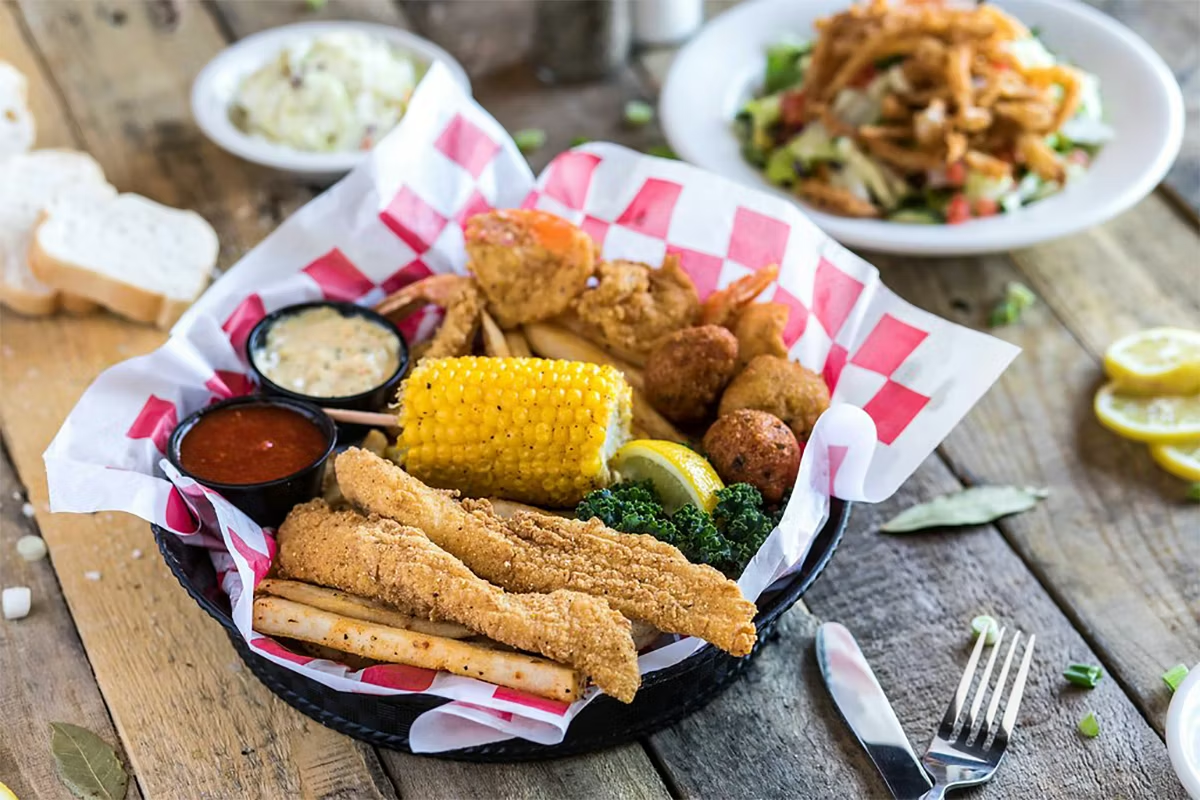
Whip up a few crowd-pleasing Cajun fried staples—such as shrimp po’boy bites, spicy fried catfish strips, and hushpuppies—to feed a hungry group without spending all day in the kitchen. Choose recipes that scale, because doubling a batch of battered shrimp or catfish cooks quickly and helps the seafood stay crisp when fried in small batches.
Prepare components ahead of time, including seasonings, dredges, and batter, and keep a warm oven available to hold cooked pieces. Offer a mix of finger foods and slightly heartier options so guests can graze, with fried okra, cornmeal-crusted oyster sliders, and small chicken andouille fritters working well for a varied Cajun cuisine spread.
Use a thermometer to maintain oil temperature for uniform doneness, and line trays with paper towels to drain excess oil. With organized prep and attention to detail, you can serve hot, satisfying Cajun food to many without rushing in the kitchen.
Serving, Dips, and Pairing Ideas for Big Gatherings
When you’re feeding a crowd, think beyond plates and use group-friendly serving strategies with bold, complementary dips to keep people satisfied and moving. Arrange fried Cajun bites on large platters lined with parchment so guests can grab and go, and clearly label proteins and heat levels so diners choose confidently.
Offer sturdy skewers, toothpicks, or tongs to reduce traffic at the buffet, and provide napkin stations and small plates to encourage layering of flavors.
Serve a trio of dips that complements Cajun cuisine: a tangy remoulade, a cooling buttermilk ranch with fresh herbs, and a spicy Creole mustard mayo. Balance richness with sides such as crisp coleslaw, pickled vegetables, and lemon wedges to brighten the plate.
Pair the meal at your Cajun restaurant or seafood-focused gathering with bright beers, iced tea infused with citrus, or a dry sparkling wine to cleanse the palate between bold bites.
Troubleshooting & Safety Tips for Consistent Cajun Frying
If your fries, shrimp, hush puppies, or other Cajun food items aren’t turning out right, start by checking the oil temperature and the size of each batch because both affect crispness and doness more than seasoning does.
You’ll want a thermometer and to maintain a consistent oil temperature between 350–375°F, since oil that’s too cool makes greasy food and oil that’s too hot burns exteriors.
Don’t overcrowd the fryer and work in small batches so the oil can recover quickly and seafood cooks evenly.
Pat ingredients dry and apply a light, even coating to avoid sogginess in Cajun cuisine preparations.
For safety in a busy Cajun restaurant kitchen, keep a lid nearby, use long utensils, and never pour water on oil fires while relying on a Class K extinguisher or smothering flames instead.
Dispose of cooled oil properly and clean splatters promptly to prevent flare-ups, and taste and adjust cook times rather than increasing heat for more reliable results.