What to Expect When You Walk Into a Cajun Restaurant
When you step into a Cajun restaurant, you will notice a warm, homey buzz with low lighting, rustic wood, and zydeco or blues playing softly in the background. Servers greet you briskly, and the menu favors big, shareable plates of Cajun food like gumbo, jambalaya, and po’boys with adjustable heat. The aromas of bold garlic, spices, and seafood mingle in the air, and rice-heavy sides often accompany the main dishes. Staff members are helpful and ready to answer questions about spice levels or allergies at places such as Razzoo’s Cajun Cafe.
Quick Expectations When You Walk Into a Cajun Restaurant
When you step into a Cajun restaurant, you’ll notice lively energy and bold aromas of spices and garlic.
The menu often leans heavily on seafood, smoked meats, and rice-based dishes that showcase Cajun cuisine.
Starters tend to be straightforward, with options such as fried okra or boudin balls that preview richer mains.
Hearty plates like gumbo, jambalaya, and étouffée feature prominently and reflect the rustic, soulful nature of Cajun food.
Cooks commonly accommodate different spice preferences, so dishes can range from mild to very hot.
Many establishments offer shareable platters and family-style options that make sampling a variety of flavors easy.
Drinks often include beer, sweet tea, and local cocktails that pair well with spicy fare.
Prices are generally reasonable given the generous servings, and the overall impression emphasizes bold, well-seasoned comfort rather than elaborate presentation.
The Cajun Restaurant Atmosphere
Although the room buzzes with conversation and the clinking of glasses, you still feel the warmth and welcome that define a Cajun restaurant. You step into a space where low lighting, rustic wood, and vintage photos set a casual, homey tone.
The staff greets you like a neighbor, moving briskly but without rush, and upbeat music—often zydeco or blues—adds a lively undercurrent. Aromas of Cajun food, spices, and simmering stocks promise bold flavors without overpowering the room.
Tables sit close enough for shared energy but not intrusion, and families, couples, and solo diners all mix comfortably. The pace is relaxed, and courses of Cajun cuisine and seafood arrive when they’re ready, inviting you to linger, talk, and savor the evening.
Reading the Menu: Common Cajun Dishes Explained
If you’re new to Cajun menus, start by spotting the staples such as gumbo, jambalaya, étouffée, and po’boys and note whether they’re seafood-, sausage-, or chicken-based so you know what to expect on your plate.
Gumbo is a hearty Cajun stew often served over rice, and roux-based versions taste nutty while tomato-based ones are brighter.
Jambalaya is a one-pot rice dish in Cajun cuisine in which the proteins cook with spices and vegetables, producing a drier, pilaf-like result.
Étouffée smothers seafood or chicken in a thick, buttery sauce and presents a rich, spoonable consistency.
Po’boys are sandwiches piled with fried seafood, roast beef, or ham and are typically dressed with lettuce and pickles.
Look for menu modifiers like Creole or dirty rice to anticipate the presence of tomatoes or rice mixed with liver, spices, and vegetables in Cajun restaurant offerings.
Cajun Heat: What to Expect and How to Control It
Spicy flavor is a hallmark of many Cajun dishes, so after scanning menu names and ingredients you’ll want to gauge how much heat you’re ready for. Ask servers about spice levels, because terms like "mild," "medium," or "hot" can vary by kitchen.
Request modifications such as reduced cayenne, no extra jalapeños, or sauce on the side to suit your palate. Order Cajun cuisine dishes with cooling components, such as rice, bread, or creamy remoulade, to balance heat alongside seafood or other proteins.
If heat surprises you, sip milk or eat bread, since water won’t help much. For groups dining at a Cajun restaurant, share plates so everyone can sample without committing to full heat, and if you love spice, ask for an extra kick because chefs often accommodate a bolder version.
Portions and Serving Style
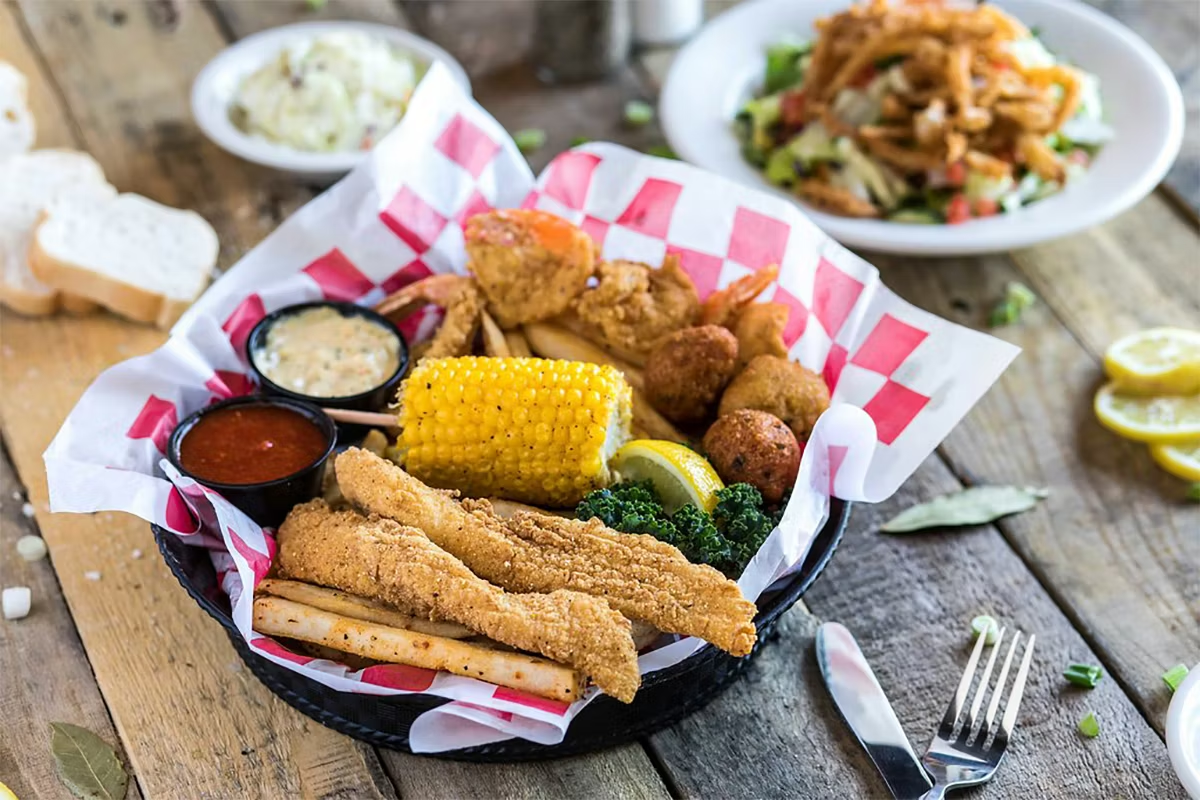
When you sit down at a Cajun restaurant, expect generous, communal-style portions that invite sharing. Many Cajun entrees arrive piled high or are presented family-style so diners can sample a variety without committing to a single dish.
Platters are often loaded with proteins such as shrimp, sausage, whole fish, or thick-cut steaks, and large bowls of stewed or sauced preparations are meant to feed more than one person. Servers frequently place seafood and other dishes in the center of the table so everyone can pass plates and pick what they like.
Leftovers are common because portions in Cajun cuisine tend to be hearty rather than dainty, and restaurants may offer half-orders, lunch portions, or starters sized for one to accommodate different appetites.
How Sides, Rice, and Roux Pair With Mains
Because sides, rice, and roux are built to balance and extend Cajun mains, they shape each bite as much as the protein does.
Rice soaks up sauces and mellows spice, whether served white, dirty, or jambalaya-style, and it tempers the heat of spicy sausage or gumbo.
Sides such as red beans, greens, and fries add texture and contrast; creamy beans calm heat, bitter greens cut richness, and crisp fries provide a refreshing counterpoint.
The roux governs flavor depth in Cajun cuisine, with a light roux keeping dishes bright and a dark roux lending a smoky, nutty backbone that complements robust meats and shellfish.
When tasting Cajun food in a Cajun restaurant or at home, combining spoonfuls lets rice, a chosen side, and the roux work together rather than compete.
Ordering Tips: Sharing Plates, Combos, and Daily Boils
When dining with a group at a Cajun restaurant, shareable plates and combos let you sample more of the menu without overordering. Decide how much protein you want per person and choose a mix of mild and spicy options so everyone finds something they like.
Combos often pair a main with a side and a salad or bread, which makes it easier to avoid juggling separate orders.
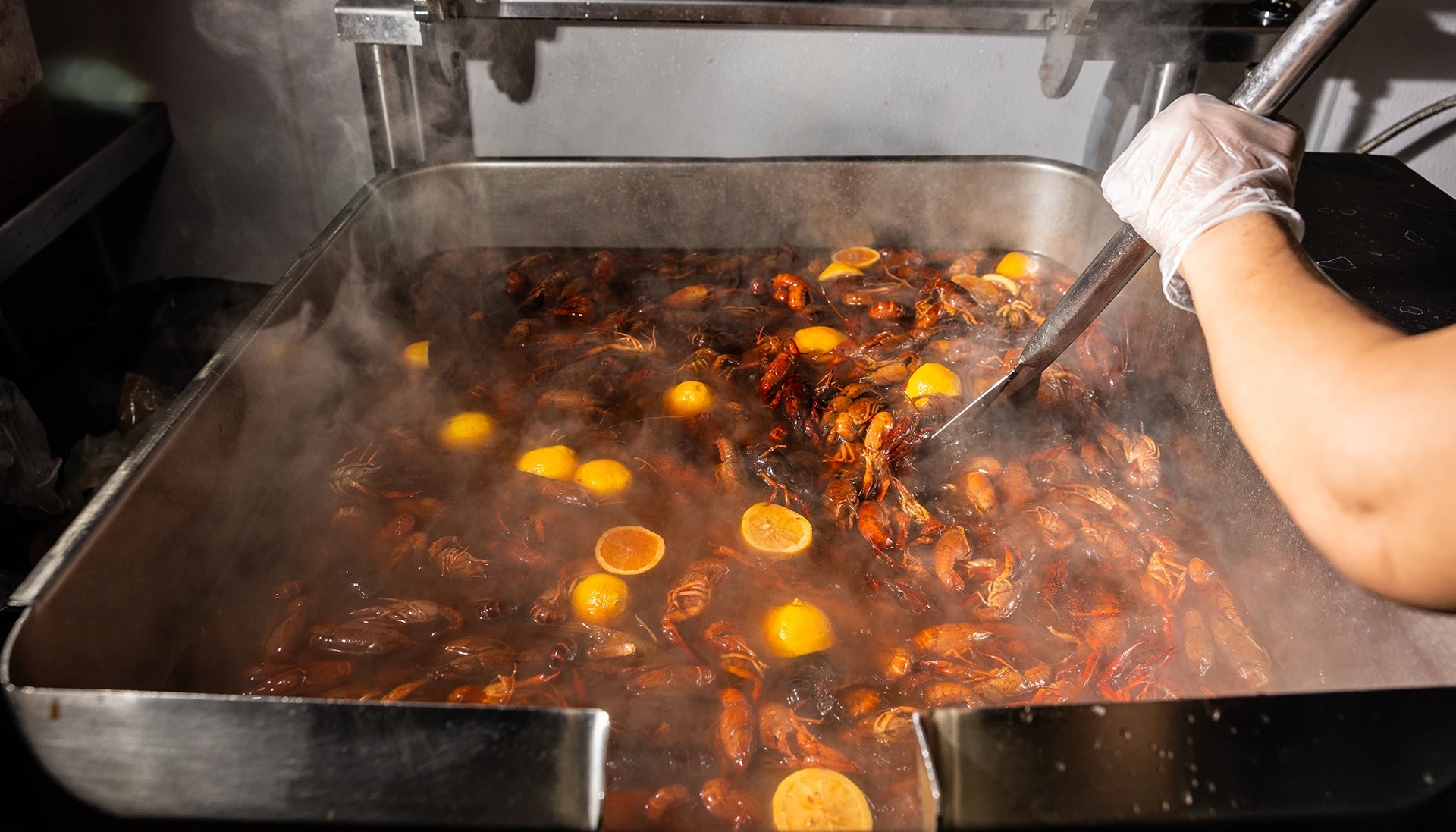
Daily boils are priced by weight and often list the seafood and other ingredients on a chalkboard, so ask what’s in today’s pot and whether items come pre-seasoned. Order a small boil first if you’re unsure, then add more as needed. Request sauces on the side when you want control over heat. Finally, confirm portion sizes to ensure you don’t end up with too much or too little.
Dietary Needs at Cajun Restaurants (Seafood, Gluten, Vegetarian, Allergies)
After you’ve worked out combinations and portion sizes, consider how the Cajun restaurant menu meets dietary needs for everyone at the table.
Cajun cuisine focuses on seafood and bold spices, so diners who avoid shellfish or fish should look for chicken, pork, or vegetable-based dishes. Gluten can appear in roux, fried items, and some sausages, so ask whether the roux contains wheat and whether grilling is an option instead of breading. Vegetarian choices in Cajun food are limited but often include seasoned rice, beans, and charred vegetables, and it’s important to confirm that broths and sauces are made with vegetable-based ingredients.
If anyone has allergies, inform the staff immediately because cross-contact is common during boils and in shared fryers, and cooks may suggest substitutions when possible, though overall choices will usually be fewer than at broader-style restaurants.
Paying, Tipping, Basic Etiquette, and Questions to Ask Staff
When you’re ready to pay, know that Cajun restaurants typically accept both cards and cash and that they may prefer card payments for large parties, so ask about split checks and any service charges up front.
Tip servers 18–20 percent for full service, and adjust that amount for exceptionally good service or very minimal service.
If you’re at a Cajun boil or seated at a communal table, clear your area and stack plates neatly while staff handle bussing and appreciate the cooperation.
Don’t hesitate to ask how spicy a Cajun dish is, what sides come with entrees, or whether the seafood is wild-caught or frozen.
Ask about wait times on busy nights and whether there are any corkage fees if you bring a bottle of wine.
Be polite, patient, and clear when ordering or when requesting substitutions.