Where People Actually Go When They Want Good Cajun Food
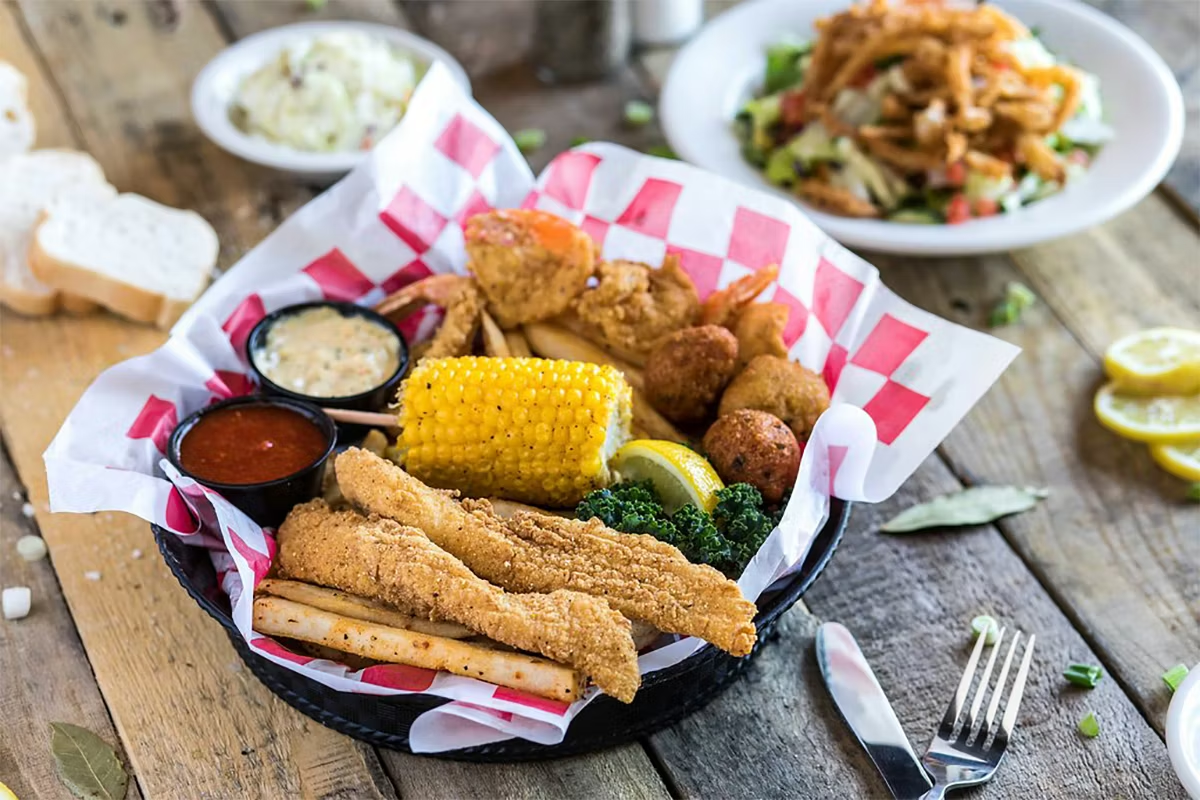
When you want real Cajun food, you do not pull up a glossy list or stroll a tourist strip; you ask the shrimpers, the line cooks, or the neighbor down the block. You will wind up at market counters, smokehouses, tiny diners, and chalk-board joints where roux bubbles and portions are generous. You will stick around and learn how to spot the spots that matter and what to order first, whether you are craving classic Cajun cuisine or fresh Gulf seafood. Razzoo’s Cajun Cafe is one place people mention when they talk about good Cajun food.
What “Real” Cajun Food Really Means
When you think of real Cajun food, don’t picture a single recipe or a fancy presentation; it’s home cooking rooted in the rural kitchens of southwest Louisiana.
The cuisine is built on practicality, bold seasoning, and local ingredients such as roux, seafood, rice, and the "holy trinity" of onions, bell peppers, and celery.
You’ll find dishes designed to feed families and workers, with stews simmered low and long, rice stretched to serve a crowd, and seafood treated simply to highlight freshness.
The seasoning is assertive but balanced, and heat complements rather than overpowers.
Technique matters in Cajun cooking, from fond and roux color to proper mise en place, and cooks make use of what’s on hand.
Real Cajun food and the Cajun restaurant tradition are resilient, adaptive, and communal, prioritizing satisfaction over spectacle.
How to Spot an Authentic Cajun Joint (Smell, Menu, Vibe)
Real Cajun cooking originates in homes and work sites, and that same unpretentious honesty greets you when you enter an authentic Cajun restaurant. You smell the roux, slow-smoked meat, and seafood simmering before you see anything, producing a savory, nutty, slightly charred perfume that speaks of time and technique.
The menu features straightforward Cajun cuisine such as gumbos, etouffées, daily catches, and a handful of specials scrawled by hand. Portions are generous, prices remain reasonable, and nothing on the menu is designed to impress tourists.
The vibe feels communal, with regulars at the counter, cooks shouting orders, and plates arriving hot and unadorned. Staff speak like locals, recommendations are simple rather than flashy, and sauces sit in squeeze bottles on the tables. The overall atmosphere feels rooted, practical, and full of flavor, which is the hallmark of genuine Cajun food.
Common Hole‑in‑the‑Wall Types: Market Counters, Daiquiri Stands, Meat‑and‑Three
Often you’ll find that hole-in-the-wall Cajun spots fall into a few recognizably humble categories.
Market counters serve seafood and po’boys from bustling stalls where you can grab a shrimp po’boy while watching fishermen unload and eat standing at a worn countertop as the cook shouts orders.
Daiquiri stands double as social hubs and late-night snack sources where you sip icy, tart drinks, hear locals trade stories, and order small fried things meant to soak up booze.
Meat-and-three joints offer simple, hearty Cajun cuisine with rotating sides, where you point to sides behind glass, receive a generous scoop of rice and gravy, and leave satisfied and ready to come back.
Dishes to Order First to Judge Authenticity
To judge a Cajun restaurant quickly, begin with a bowl of gumbo that reveals the depth of the roux and stock.
A plate of boudin demonstrates the grind and spice balance that define authentic Cajun cuisine.
A shrimp po’boy highlights the quality of the frying and the bread used in a classic seafood sandwich.
Jambalaya shows the rice texture and the restraint in seasoning that are hallmarks of good Cajun food.
Étouffée allows assessment of shellfish sweetness and the sauce finish typical of Cajun seafood preparations.
Cracklins or fried alligator reveal proper rendering and oil cleanliness in fried dishes.
Plain white rice and cornbread reflect how a kitchen handles its house staples.
A simple café au lait or sweet tea provides a beverage that balances without masking the flavors of the food.
How to Read a Cajun Menu and Order Like a Local
Begin your meal by tasting those key Cajun dishes, and let the menu tell you what the kitchen does best. Look for sections labeled gumbo, étouffée, jambalaya, po’boys, and platters to find the restaurant specialties. Scan ingredient lists because andouille or tasso indicates smoky pork heat and a roux listed first signals depth in the sauce. The presence of file or okra points to a particular regional gumbo style that the kitchen favors. Note portion cues such as “half” or “small” when you want to sample multiple plates in a single visit. If the seafood is fresh, specials often highlight day-catch or Gulf shrimp to showcase the catch of the day. Ask about spice level and request sauce on the side when you feel uncertain about heat. For ordering like a local, pair rice with saucy entrees, add a side of greens or corn maque choux, and choose drinks that will balance the spice in the Cajun cuisine.
South Louisiana Standouts (By Neighborhood and Type)
When you explore South Louisiana, you’ll find standout Cajun spots clustered by neighborhood and type, from hole-in-the-wall po’boy joints in Uptown to riverside seafood shacks on the bayou, each highlighting local ingredients and cooking traditions.
The French Quarter offers late-night oyster bars and beignet-adjacent cafes where spice-forward gumbo and classic Cajun cuisine rule the menu.
In Mid‑City and the Warehouse District, chefs present modern takes on boudin, étouffée, and smoked brisket with Creole accents that nod to traditional Cajun food.
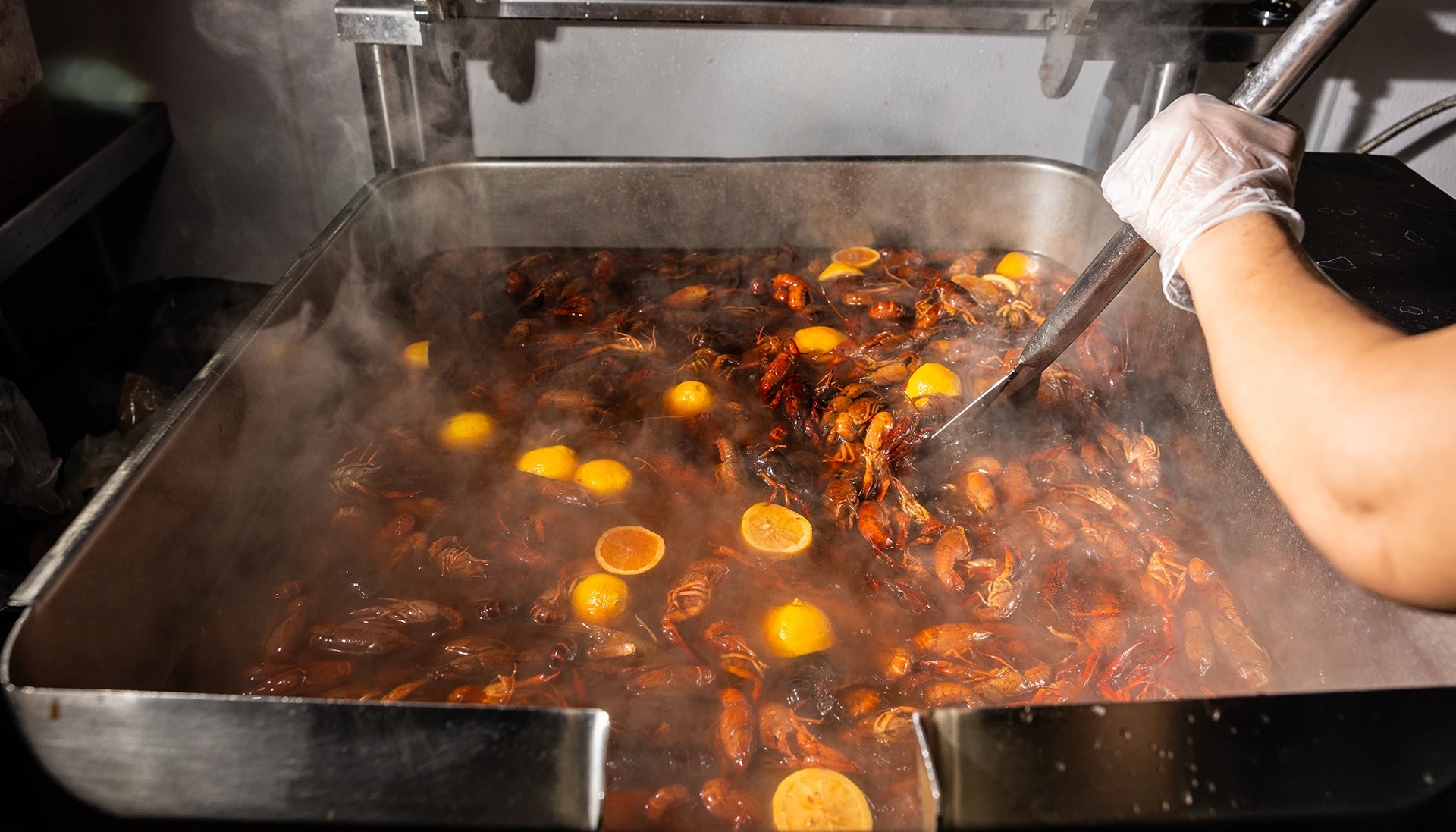
In the River Parishes and smaller towns, family-run crawfish shacks and smokehouses serve simple, perfect plates of seafood and smoked meats.
Authentic backyard flavor can be found at places that hang daily specials on chalkboards and cook in cast iron or over wood fire, trusting time-tested techniques and fresh, regional produce.
Authentic Cajun Outside Louisiana: Gulf Coast and Big‑City Pockets
You don’t have to cross state lines to taste true Cajun heat, because vibrant pockets of authentic Cajun cooking appear along the Gulf Coast and in America’s big cities.
Chefs and family-run Cajun restaurants recreate bayou flavors with local twists, pairing gumbo rich with dark roux and slow-simmered étouffée with perfectly charred boudin.
Seafood shacks and basement cafés alike serve dishes that reflect partnerships between fishermen and cooks in port towns, where shrimp, crab, and oysters take center stage.
In metropolitan areas, transplants open Cajun cuisine spots that balance nostalgia with urban sourcing, and menus change with market catches.
Warm, communal service and simple preparations highlight bold seasoning, and family photos on the walls complete the atmosphere of genuine Cajun food.
Farm‑to‑Table vs. Family‑Run Prep: Freshness, Seasonality, and Expectations
Family-run kitchens rely on time-tested techniques and heirloom recipes, while farm-to-table Cajun spots emphasize seasonal sourcing and hyper-fresh produce and seafood.
You can expect different rhythms and flavors depending on which type of Cajun restaurant you choose. In family-run Cajun cuisine you’ll find consistent staples—gumbo, boudin, and fried soft-shell crab—prepared the same way for years, with generous portions, richer sauces, and familiar seasoning profiles.
Farm-to-table kitchens rotate menus with market availability and spotlight local shrimp, okra, or winter greens in lighter preparations that highlight freshness.
The choice between family-run comfort and tradition or ingredient-driven nuances and seasonal surprises will shape your experience of Cajun food.
How Locals Discover Hidden Gems: Markets, Crews, and Best Times
If you’re choosing between a family-run kitchen offering comforting Cajun classics and a farm-to-table spot serving seasonal Cajun cuisine, the best way to find the kind of Cajun restaurant you love is to follow local rhythms such as neighborhood markets, fishing crews, and the hours when cooks are prepping or settling in for service.
Visiting Saturday markets and chatting with vendors will often reveal spots that cook the seafood and produce they sell. Hanging around docks or bait shops midweek can lead to conversations with fishermen who trade tips about which eateries buy the freshest catch. Eating early in the day tends to produce cleaner, more traditional plates, while eating later often brings communal, lively feasts when crews finish work and bring friends. Trusting word-of-mouth from workers rather than tourist lists tends to map where genuine Cajun flavor lives.