Why Cajun Food Is Always Worth the Drive
You’ll notice Cajun food pulling you in before the first bite, with smoke and spice hitting the air like a welcome. A roux-thickened gumbo simmers with local seafood and fills the room with deep, comforting aromas. Handheld boudin promises comfort you can eat on the go, and those simple ingredients are layered into something unexpectedly exceptional. Cajun cuisine tells a story of place and people, and spots like Razzoo’s Cajun Cafe capture that feeling so the drive feels earned.
Why Cajun Food Feels Like a Full Sensory Experience
Savoring Cajun food hits more than your taste buds because it draws you in with loud aromas, tactile textures, and vibrant colors that demand attention.
In a Cajun restaurant, steam carries garlic and pepper across the table and invites you to move closer. Your hands notice the snap of perfectly seared sausage and the silk of gumbo as it’s ladled over rice.
The sound of a hot skillet sizzling or the pop of fried okra signals freshness and technique in Cajun cuisine.
Bright peppers and dark roux create a contrast on the plate that guides your eyes before your fork.
Heat wakes your palate gradually, and layered seasonings in seafood dishes and other Cajun preparations reveal themselves as you chew.
Eating Cajun food becomes an active ritual in which smell, sight, touch, sound, and taste work together.
What Makes Cajun Flavors Unique: Roux, Spice, Smoke
When you taste true Cajun cuisine, three elements—roux, spice, and smoke—anchor the flavor and shape everything on the plate.
You notice the roux first, a nutty, deep base made from browned flour and fat that thickens sauces and binds ingredients. The spice comes next, with cayenne and black pepper working alongside the holy trinity of onion, celery, and bell pepper to layer heat, aroma, and savory balance without overpowering.
Smoke finishes the profile, whether from slow-grilled sausage, charred peppers, or a pot left to kiss embers, and it adds complexity and lingering memory. These techniques let humble ingredients sing and turn simple proteins, rice, and seafood into vivid dishes that feel rooted in place.
You leave a Cajun restaurant wanting another bite.
Signature Dishes: Gumbo, Jambalaya, Boudin
Although you might go for the spice, you’ll remember Cajun cuisine for its signature dishes: gumbo, jambalaya, and boudin.
You’ll find gumbo thick and comforting, a bowl that balances dark roux, savory stock, and tender proteins so each spoonful feels complete.
Jambalaya greets you with rice that soaks up spices and bits of meat or seafood, and it’s a one-pot dish that feels both rustic and celebratory.
Boudin surprises you with a seasoned sausage where rice and pork join with herbs and onion to offer a textured, portable taste of the region.
Each dish showcases technique—slow-cooked depth in gumbo, layered cooking in jambalaya, and careful stuffing in boudin—so when you taste them in a Cajun restaurant, you understand why the drive was worth it.
How Local Ingredients Shape the Menu
Those signature dishes wouldn’t sing without the region’s pantry, which supplies fresh crawfish, Gulf shrimp, and wild game that mingle with rice from nearby fields. Heartier vegetables and herbs you won’t find far from the bayou add distinct notes to Cajun cuisine.
You taste a sense of place when chefs lean on hyperlocal bounty, and you’ll notice subtle shifts by season. When shucked oysters gleam, cooks steer stews and po’boys toward brinier flavors; when okra and tomatoes peak, stews thicken and sauces brighten.
Local producers sell to the same kitchens, so flavor stays consistent and rooted in the landscape. You’ll also find offal, smoked pork, and pantry staples like roux and filé used to stretch ingredients through technique, turning modest harvests into deeply layered plates that map the land and its rhythms in Cajun restaurants and seafood kitchens alike.
Where to Go: Cajun Food Hotspots and Roadside Gems
If you want an authentic Cajun meal, head beyond the tourist maps to small towns, fish camps, and roadside shacks where locals line up for breakfast cracklins or late-night gumbo.
Drive rural highways toward Acadiana hamlets and seek iconic spots in Lafayette and Breaux Bridge to sample true Cajun cuisine.
Detour to bayou-side eateries that serve whatever the day yields and savor seafood prepared with time-honored techniques.
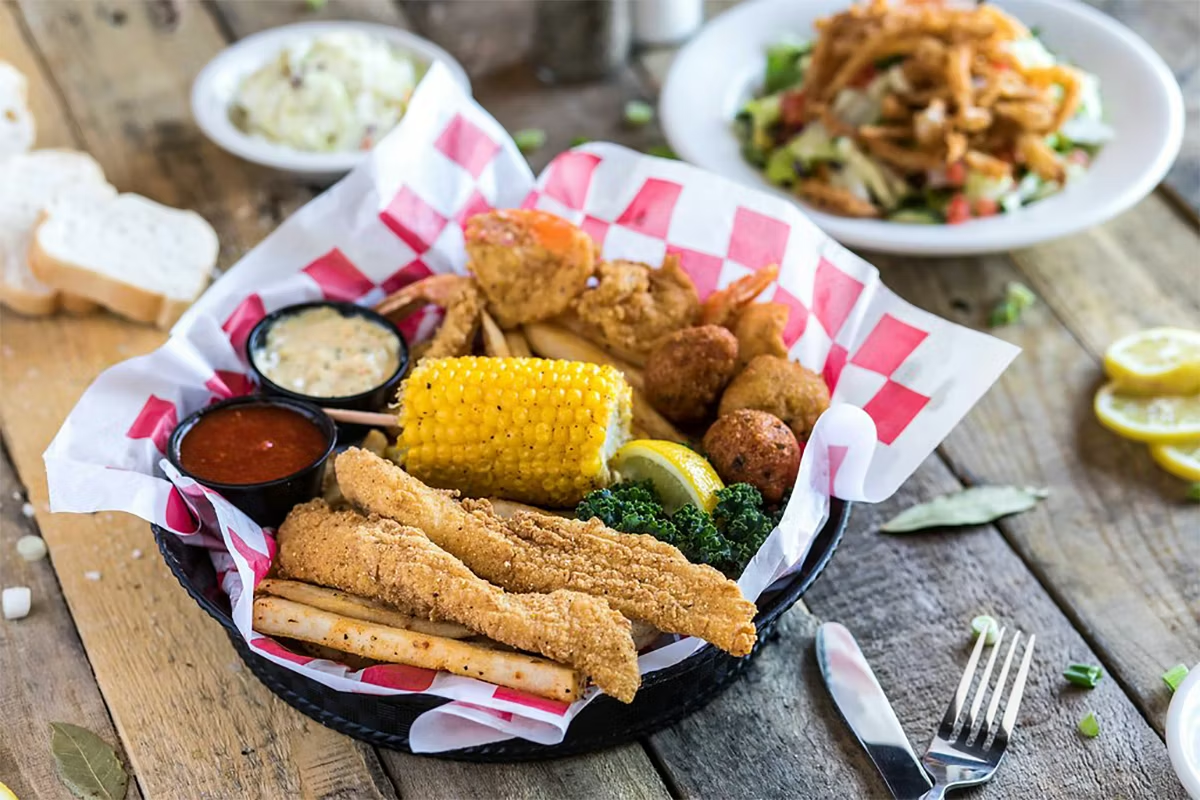
Look for smoke-stained facades, handwritten menus, and simple wooden signs promising boudin or fried catfish.
Plan morning visits for breakfast plates, midday for po’boys and étouffée, and evenings for communal tables accompanied by live music.
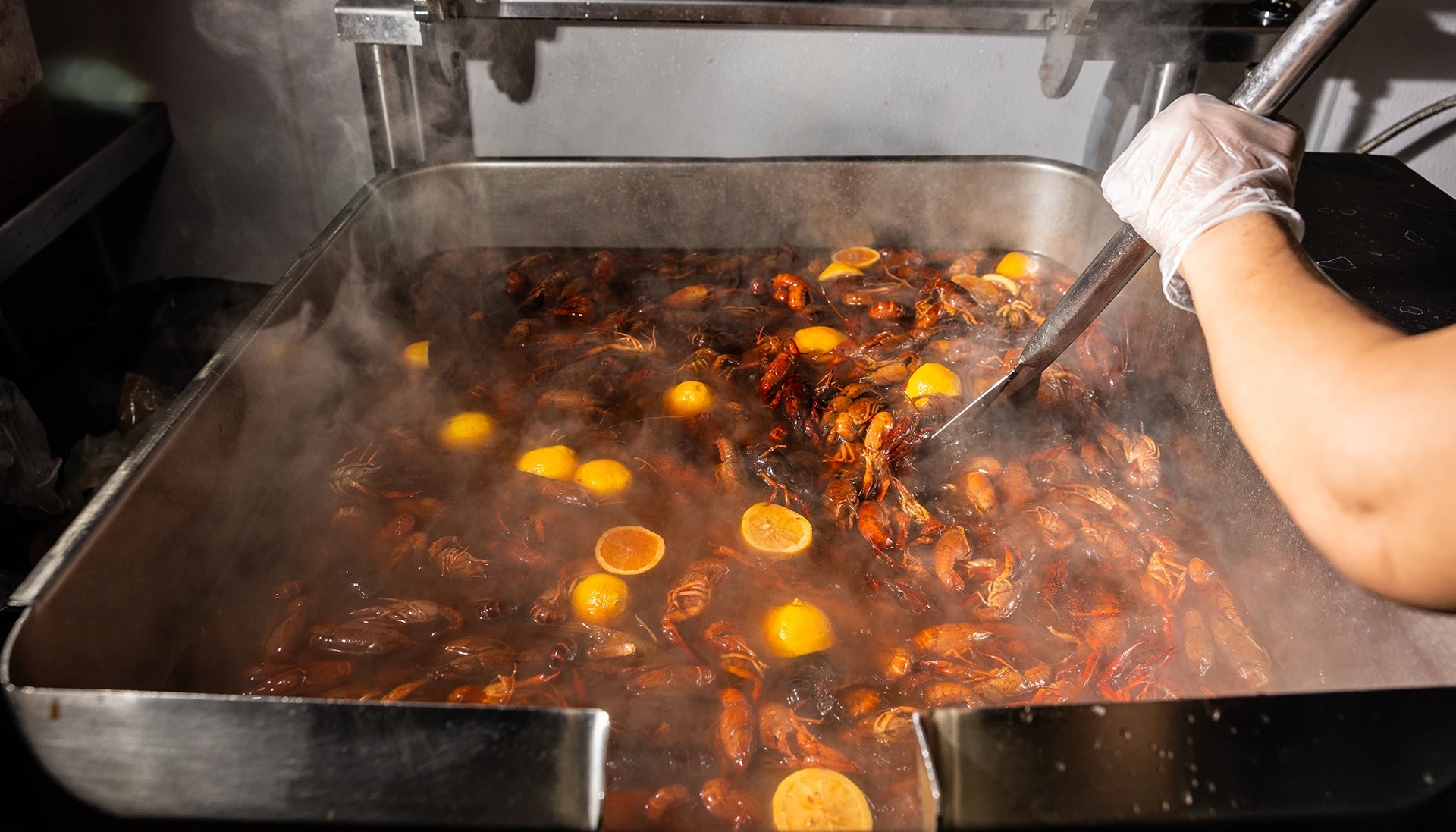
Farmers’ stands and crawfish boils advertised by flaglines offer some of the most authentic flavors of the region.
Bring cash, curiosity, and an appetite for bold, unpretentious Cajun food.
How to Pick a Cajun Restaurant: Signs of Authenticity
After you have scoped out the roadside shacks and bayou joints, you’ll want a quick checklist to spot a genuinely Cajun restaurant. Look for a menu that favors gumbo, boudin, étouffée, and daily seafood boils rather than generic “Cajun-style” fries.
Notice whether locals fill the booths and whether servers speak with local idioms, because that’s a strong sign of authentic Cajun cuisine.
Observe whether the kitchen appears simple and scratch-made, with pots on the stove, handwritten specials, and a live-fire or heavy-duty stovetop.
Watch food preparation for a dark roux, the inclusion of whole-file or okra in gumbo, and sausages made in-house, since those details suggest true Cajun food.
Avoid places with overly touristy décor, fusion-heavy offerings, or menus that read like every other chain, and trust the texture and technique rather than the packaging.
Best Timing: Festivals, Crawfish Season, and Weekends
Timing a trip around festivals and seasons makes a big difference for Cajun food because flavors are heightened when tied to a festival, a boil, or a weekend crowd. You can find regional fêtes—gumbo cook-offs, zydeco nights, and parish fairs—where vendors serve peak flavors and home cooks compete, multiplying your options for Cajun cuisine.
Crawfish season, which runs roughly from late winter to early summer, guarantees sweet, tender catches at boils and casual shacks, while off-season menus shift toward shrimp, crab, and hearty stews.
Weekends bring a livelier atmosphere at many Cajun restaurants, with faster service, fuller pots, and dishes prepared in larger batches that showcase communal cooking. Plan ahead, expect lines, and enjoy the social scene because timing can transform a meal into an experience rather than just dinner.
What to Order: Crowd-Pleasers and Hidden Gems
When you sit down in a Cajun restaurant, start with the classics of Cajun cuisine such as gumbo, étouffée, and jambalaya, then branch out to lesser-known treats that tell the region’s story.
A bowl of oyster or shrimp po’boy is worth ordering when available, because the crisp bread and spicy mayo cut through rich seafood fillings. Boudin offers a smoky, herby snack that showcases distinctive Cajun seasoning and sausage-making tradition. Alligator bites or fried soft-shell crab provide bolder flavors for those interested in adventurous Cajun food.
Dirty rice and red beans and rice make comforting sides that highlight the region’s seasoning technique and balance of spices. For dessert, choose a slice of chess pie or beignets dusted with powdered sugar to finish a meal anchored in Cajun and seafood traditions.
Ask your server about what’s fresh or seasonal to discover the kitchen’s best-hidden gems.
Cajun Culture Beyond the Plate: Music, Markets, Traditions
The flavors on your plate are only part of the story; Cajun culture pulses through music halls, outdoor markets, and longtime traditions that shape how communities eat, celebrate, and remember.
You’ll hear fiddles and accordions leading dance halls where generations gather, and those rhythms guide festival menus and late-night crawfish boils that feature Cajun cuisine and seafood.
You’ll browse farmers’ stands piled with okra, squash, and peppers and meet fishers selling fresh catch, learning how seasonality steers recipes in Cajun food and in many a Cajun restaurant kitchen.
You’ll see hands-on rituals, such as roux stirred slow and bouchers trimming meat for a communal feast, passed from elders to kids.
You’ll notice French phrases, parades, and church suppers that mark holidays and harvests, and these practices keep flavor alive so eating Cajun food feels like joining a living, communal history.
Practical Road-Trip Tips for Cajun Food Tours
Pack snacks, charge devices, and map your stops before you hit the road because Cajun food tours move fast between tiny eateries, seafood shacks, and weekend markets where hours can be short.
Bring cash, as many hole-in-the-wall Cajun restaurants prefer it.
Pack a cooler for fresh oysters, smoked fish, or leftovers from Cajun cuisine that you’ll want later.
Wear comfortable shoes for quick walks between stalls, and bring a lightweight rain jacket because the weather changes fast.
Share dishes so you can sample more of the Cajun cuisine without wasting food.
Check local event calendars for festivals or special pop-ups that celebrate seafood and Cajun food.
Keep a paper map as a backup since cell service can be spotty in bayou country.
Pace yourself because spicy dishes add up.
Leave room for recommendations from locals because they’ll point you to the best hidden gems.