Why Cajun Restaurants Are Perfect for Celebrations
Cajun restaurants are tailor-made for celebrations because Cajun cuisine features bold, shareable dishes that get everyone leaning in. The hands-on fun of seafood boils turns meals into playful rituals, and lively music keeps the energy up without ever feeling over the top. From menu variety to attentive service and convivial spaces, Cajun food traditions make planning easier, and Razzoo’s Cajun Cafe showcases how these elements come together for memorable gatherings.
Why Cajun Restaurants Fit Celebrations (Quick Guide)
Cajun cuisine emphasizes bold flavors, communal plates, and a festive atmosphere, so it naturally suits celebrations. Cajun food menus are often built for sharing, which encourages guests to mingle while sampling spicy gumbo, smoky smoked meats, and tangy remoulades.
Cajun restaurants frequently pair lively music, colorful decor, and attentive service to keep the energy high without creating chaos. Many Cajun menus include seafood, vegetarian sides, and milder preparations, allowing guests with different preferences or dietary needs to eat happily.
Generous portion sizes and family-style options simplify billing and reduce plate juggling, which helps groups focus on toasts and photos. Staff at celebratory Cajun spots typically handle large parties smoothly by offering set menus or custom timing. Guests often leave satisfied, energized, and remembering the communal vibe.
Shareable Dishes That Unite Groups (Crawfish, Boils, Jambalaya)
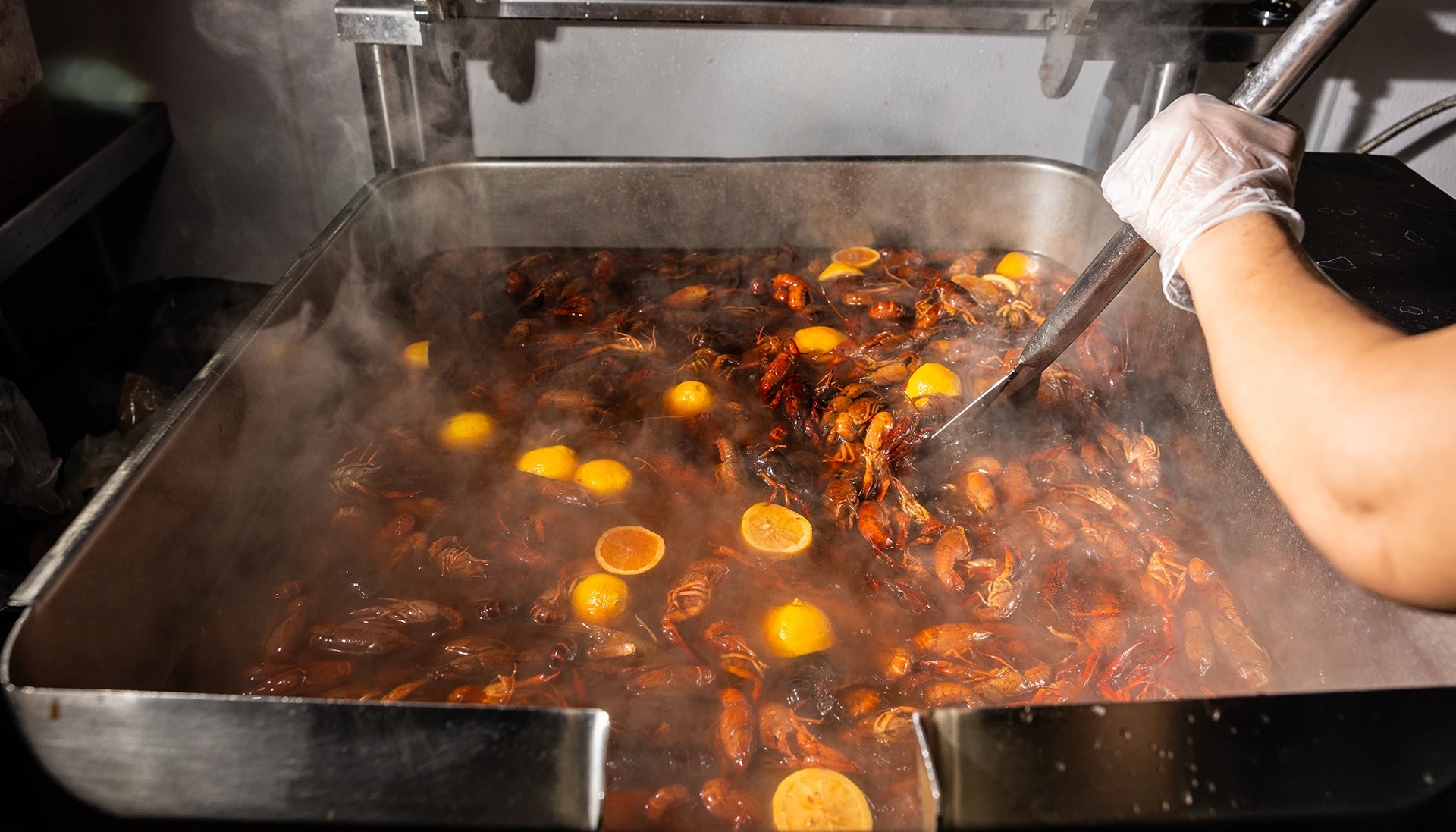
Dig in and you’ll see why Cajun shareables bring people together: crawfish boils, seafood boils, and big pots of jambalaya are made to be passed around and enjoyed communal-style as conversation flows. You’ll peel spicy crawfish, crack shells, and trade stories while sauce and seasoning coat your fingers, creating a tactile and social experience rooted in Cajun cuisine.
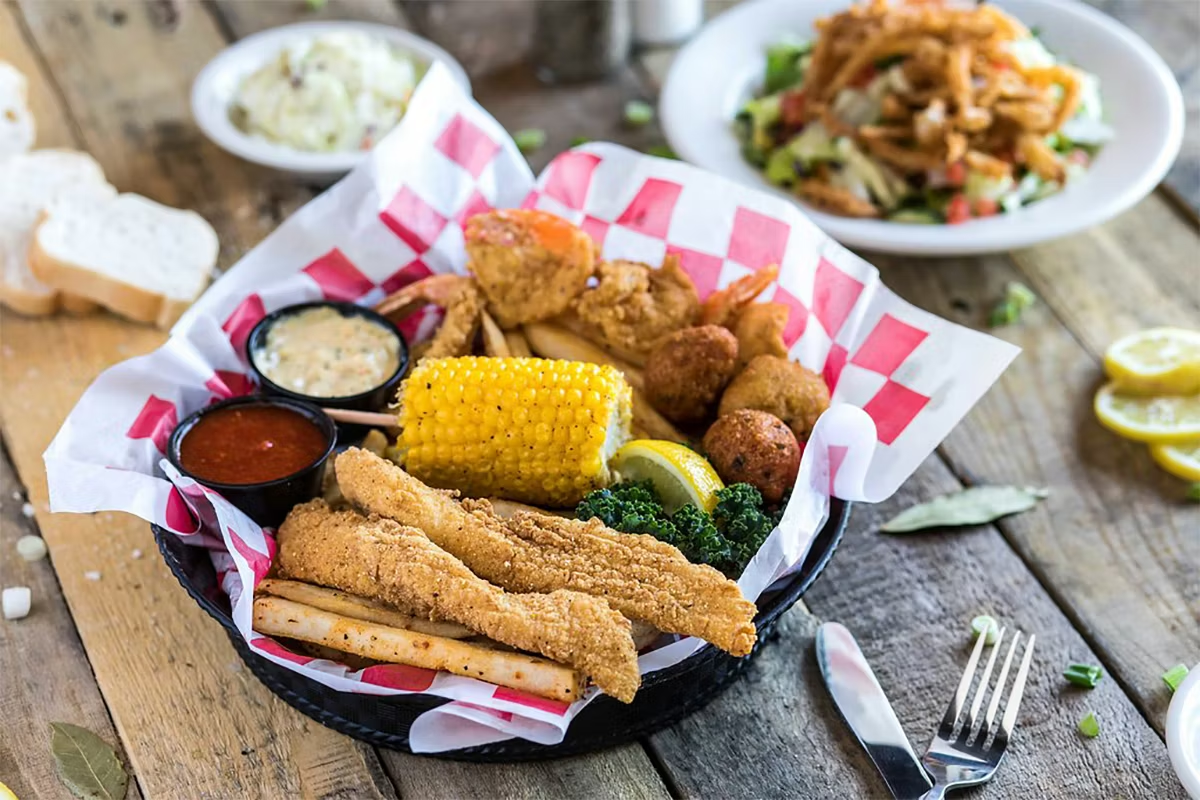
A seafood boil often spills onto butcher paper and turns a table into a lively scene where everyone reaches for shrimp, corn, and potatoes. Jambalaya arrives steaming and heaped so diners can scoop generous portions and taste bold, layered flavors together. These Cajun food dishes remove formalities, encourage sharing, and create a relaxed rhythm that keeps groups engaged, laughing, and focused on the moment.
Crowd-Friendly Cajun Flavors & Dietary Options
After a communal boil or a steaming pot of jambalaya gets everyone talking, Cajun cuisine offers flavors and options that keep every guest satisfied. Cajun food combines bold, smoky spices with gentler alternatives so picky eaters and spice lovers both leave happy. Andouille or mild blackened fish can sit side by side with fiery andouille for easy sharing at a Cajun restaurant.
Many establishments now provide gluten-free cornmeal crusts, vegan étouffée made with mushrooms or jackfruit, and grilled seafood without heavy sauces. Servers at Cajun restaurants are accustomed to adjusting spice levels and serving sauces on the side to customize plates for groups. Balanced sides such as dirty rice, roasted vegetables, and cornbread bridge strong flavors and dietary needs so everyone can taste authentic Cajun without compromise.
Cajun Atmosphere & Music That Spark Festivity
When you walk into a Cajun restaurant that’s set up for celebrations, the room immediately feels alive with warmth. Twinkling lights, rustic wood tables, and posters of zydeco legends cue guests to relax and join in. An energetic soundtrack of fiddle, accordion, and washboard rhythms nudges people to sway or clap without demanding the spotlight.
Staff move with friendly urgency and encourage mingling and photo moments near colorful murals. Open layouts allow you to hear conversations without shouting, while small stages or corners make live sets feel intimate. The scent of Cajun food and sizzling seafood drifts through the air and blends with the music to create a communal buzz that keeps energy high. You’ll leave feeling uplifted, as if the whole room has joined a single, joyful rhythm.
Menu Flexibility: Casual Feasts to Plated Dinners
The lively atmosphere and soundtrack set the mood, but the menu shapes how a Cajun celebration unfolds. Cajun restaurants often switch from casual, hands-on Cajun cuisine spreads to refined plated seafood courses depending on the event.
You can choose a communal seafood boil or family-style platters that encourage mingling while guests pass bowls of crawfish, corn, and sausage around shared tables. For more formal affairs, chefs plate gumbo, blackened fish, or shrimp étouffée with composed sides and garnishes so guests sit, savor, and converse without juggling shells or napkins.
Menus are easily customized for dietary needs and seasonal produce, and the pacing can be adjusted to create either a relaxed, interactive vibe or a polished, sit-down experience that fits the guest list and occasion.
How Much It Costs: Pricing & Portion Planning
Because catering choices and portion sizes directly shape your bill, it’s smart to start budgeting early and decide whether you want a casual, per-person boil or a plated, course-by-course meal.
Per-person pricing for boils usually covers protein, corn, potatoes, and seasoning, making it predictable and easier to scale for a Cajun food event or seafood-focused gathering.
Plated meals raise costs with appetizers, sides, and service staff, and those choices increase the need to account for gratuities and potential overtime when hiring a Cajun restaurant or catering team.
You should ask about portion sizes—such as shrimp counts, sausage weight, or pounds of crawfish per guest—to avoid shortages or waste when serving Cajun cuisine.
It’s important to factor in dietary substitutions, children’s rates, and leftovers policies.
Request itemized quotes, compare package tiers, and plan a modest buffer of 5–10 percent for unexpected add‑ons or guest count changes so your celebration stays on budget.
Booking a Cajun Restaurant: Checklist & Capacity Tips
When booking a Cajun restaurant for a celebration, confirm the venue’s capacity, available dates, and any venue‑specific rules so the space matches your guest list and the event’s style.
Ask about private rooms, patio access, and noise limits because those elements determine the layout and atmosphere for enjoying Cajun cuisine and seafood.
Verify seating configurations and table sizes, and learn whether the venue can add or remove tables to improve comfort.
Check accessibility, parking, and public transit options to ensure guests can arrive easily.
Confirm minimums, deposit deadlines, cancellation policies, and accepted payment methods before committing to the reservation.
Ask about policies for outside decorations, music restrictions, and the timing for set‑up and clean‑up to avoid surprises.
Get all agreements in writing so you have a clear contract and a single point of contact on the day of the event.
Sample Menus and Timing Tips for Smooth Service
When planning your menu, balance crowd-pleasers such as gumbo, jambalaya, and shrimp po’boys with a couple of lighter sides and at least one vegetarian option so guests can eat quickly and chefs can stay on schedule.
Offer a short, timed menu that delivers starters within 10–15 minutes, serves mains 20–30 minutes after seating, and brings desserts about 15 minutes later. Family-style platters encourage faster service and lively sharing of Cajun cuisine and seafood specialties.
Schedule a clear sequence with the kitchen and front-of-house by confirming courses, portion sizes, and peak service times. Build in a buffer to accommodate late arrivals and dietary requests.
Consider providing a small plated option for VIPs to streamline plating and maintain consistency. Communicate timing on invitations and to staff so guests enjoy warm food and courses flow without creating a rushed atmosphere.