Why Cajun Shrimp Is So Hard to Beat
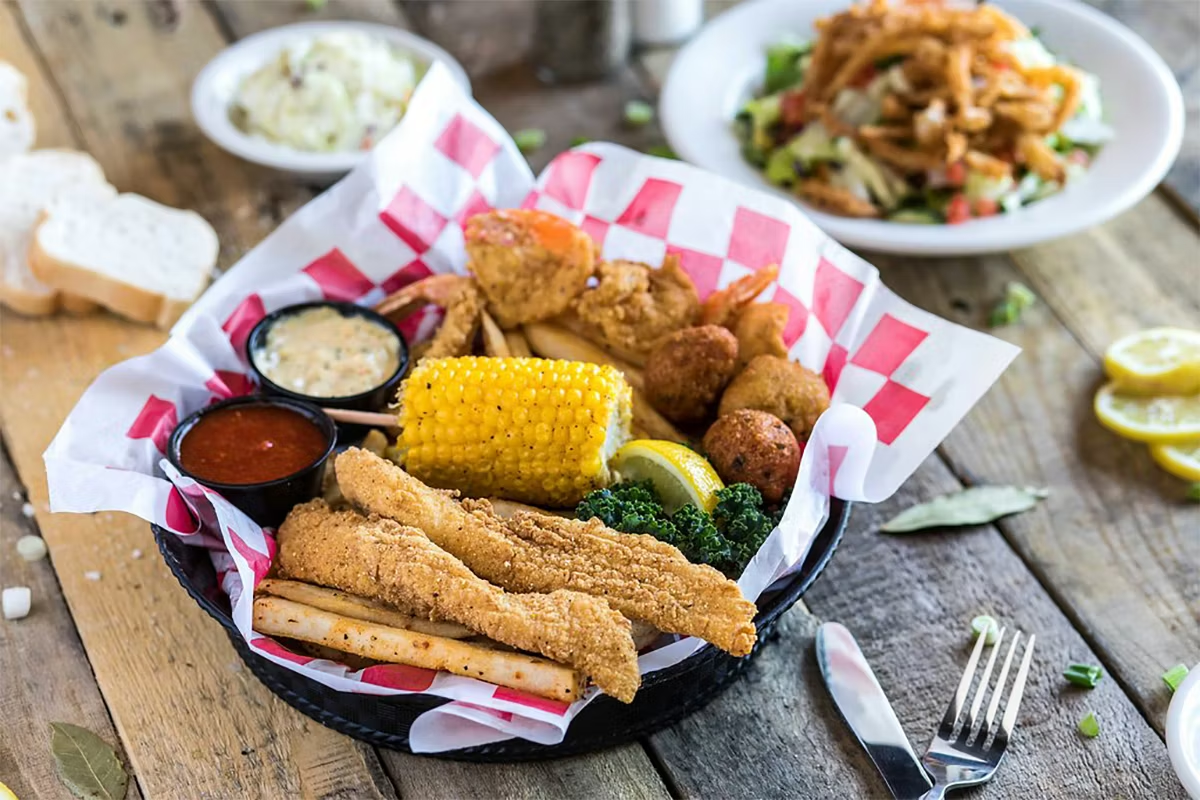
You know exactly why Cajun shrimp keeps winning because a quick sear at high heat locks in a springy bite while a spiced crust—paprika, garlic, thyme, and just enough cayenne—caramelizes into savory fond. The combination of butter and bright lemon gives the shrimp a rich, lively flavor that fits perfectly within Cajun cuisine and the broader world of seafood dishes. This versatile preparation works well in pasta, sandwiches, or on skewers, and it adapts easily to personal preferences for heat and salt. Fans of Cajun food will recognize the balance of spice and smoke that makes this style so addictive, and you might even taste similar flavors at places like Razzoo’s Cajun Cafe. I’ll also show how to nail the seasoning, texture, and pan technique every time.
Quick Method: How to Cook Cajun Shrimp Perfectly
When you crave flavorful Cajun shrimp, begin with a hot pan and dry shrimp so they sear instead of steam.
You should pat the shrimp thoroughly, season them lightly (avoiding too much salt), and choose a high-smoke oil such as avocado or peanut.
The skillet ought to be heated until the oil shimmers, and the shrimp should be added in a single layer so each piece touches the metal.
Allow the shrimp to cook undisturbed for one to two minutes per side until they turn opaque and develop a golden edge.
Flip the shrimp only once and don’t overcrowd the pan, because overcrowding releases juices and cools the surface.
Finish the dish with a squeeze of lemon or a splash of butter to add gloss and balance.
Serve the Cajun shrimp immediately over rice, grits, or greens to preserve the texture and to highlight the spicy crust characteristic of Cajun cuisine and seafood dishes commonly featured in Cajun restaurants.
Classic Cajun Seasoning (Plus a Quick DIY Mix)
Mix your own Cajun seasoning and you’ll quickly understand why it’s the backbone of so many bold seafood dishes in Cajun cuisine.
The blend typically includes paprika, cayenne, garlic powder, onion powder, dried oregano, dried thyme, black pepper, and a touch of kosher salt to create a classic profile.
For a balanced mix, use equal parts paprika and the garlic and onion powders, add half parts of the dried herbs, and include a spicy pinch of cayenne that you can adjust to suit your preference.
Whisk the ingredients thoroughly and store the seasoning in an airtight jar so it remains fresh for weeks and keeps flavors vibrant for shrimp, fish, and vegetable dishes.
Use the mix sparingly at first because you can always add more later, and sprinkle it on before searing to help form a flavorful crust that complements Cajun food and the bold fare served at a Cajun restaurant.
This DIY mix is economical, allows customization of the heat level, and helps guarantee bright, fresh flavors in your seafood and other Cajun cuisine preparations.
Balancing Heat, Smoke, Salt, and Sweetness on Cajun Shrimp
Although bold spices anchor Cajun shrimp, the most memorable bites come from balancing heat, smoke, salt, and a touch of sweetness so each element shines without overpowering the others.
You can dial heat with cayenne or chile flakes to keep the spice lively but controlled, tasting as you go to prevent it from masking other notes.
Introduce smoke through smoked paprika or a quick pass over charcoal, using restraint so the smoky character complements the shrimp rather than dominating the overall flavor profile.
Salt enhances natural seafood flavor when applied early for penetration, and it should be adjusted at the end to fine-tune seasoning.
A hint of sweetness, such as brown sugar or a squeeze of honeyed citrus, tames sharpness and helps to round the palate within the context of Cajun cuisine.
Tasting repeatedly and making small adjustments will help achieve a harmonious result that reflects the balance prized in Cajun food and in many dishes served at a Cajun restaurant.
High Heat: Why It’s Key for Shrimp Texture
Because shrimp cook so quickly, you must use high heat to lock in a springy, tender texture without turning them rubbery. High heat sears surfaces fast and creates a slight caramelization that contrasts with the moist interior, a characteristic prized in Cajun cuisine and many seafood dishes.
Work with dry shells or patted-dry peeled shrimp so that moisture doesn’t steam them, because excessive liquid lowers pan temperature and delays the rapid cook that gives shrimp their desirable bite in a Cajun restaurant setting. Preheat the pan until it’s hot, and then add shrimp in a single layer so each piece gets direct contact and even heat.
Flip the shrimp once when the edges turn opaque and the tails curl, which is usually one to two minutes per side for medium-large shrimp, and remove them right as they finish because carryover heat will complete the cooking. High heat gives cooks in Cajun kitchens control and consistent, non-chewy results.
Fats and Fond: Building Pan Flavor for Cajun Shrimp
High heat delivers the desired texture, while the fats chosen and the fond they create provide Cajun shrimp with a deep, savory backbone. Choose oils that tolerate heat—peanut, grapeseed, or a light olive oil—to achieve a quick sear without burning. Add a knob of butter near the end to contribute richness and an emulsified sheen.
As the shrimp browns, proteins and spices cling to the pan and form fond; those browned bits shouldn’t be scraped away immediately. Deglazing with a splash of stock, wine, or lemon dissolves the fond into a sauce that coats each shrimp and enhances the flavors of Cajun cuisine and seafood dishes.
When spices have been cooked in the oil, they bloom and deepen during deglazing, which adds complexity suitable for a Cajun restaurant menu. Controlling the fat temperature allows the fond to develop a dark, flavorful character without turning bitter.
Doneness: Timing to Avoid Rubbery or Undercooked Shrimp
Get shrimp to the right doneness by timing and observation rather than relying on guesses, which helps avoid rubbery toughness and a raw center when preparing seafood dishes.
Pay attention to color because raw gray shrimp turn opaque pink and white with bright orange accents on the tail, a sight familiar to anyone who’s eaten Cajun cuisine or visited a Cajun restaurant.
Shrimp curl into a loose “C” when done, while a tight “O” indicates overcooking.
Slice the thickest part of one shrimp to confirm opacity, or press lightly because firm, springy resistance signals doneness.
Work in small batches so the pan temperature stays high and cooking time remains predictable, as most medium shrimp require about 2–3 minutes per side.
Remove the shrimp from heat just as they finish changing, since carryover cooking will finish them without drying them out.
Easy Seasoning and Technique Tweaks to Intensify Cajun Flavor
Once the shrimp are removed from the heat at the proper doneness, sharpen their flavor with a few simple seasoning and technique tweaks that make Cajun profiles pop.
Patting the shrimp dry briefly and then tossing them with a finishing pinch of smoked paprika, cayenne, garlic powder, and a touch of onion powder helps revive any muted spice.
A squeeze of lemon or a splash of apple cider vinegar brightens the dish and cuts through richness in seafood preparations.
Melted butter or a neutral oil infused with minced garlic and chopped parsley adds silk and herb lift when applied off heat to avoid scorching.
For added texture and aroma, a quick sear in a screaming-hot pan for 20–30 seconds per side or a brief broil crisps the edges without overcooking the interiors and complements the bold flavors of Cajun cuisine often found in a Cajun restaurant.
Serving Cajun Shrimp: Pasta, Po’Boys, Rice Bowls, and Party Bites
When you plate Cajun shrimp, think about contrast—creamy pasta, crusty po’boys, fluffy rice bowls, or crisp party bites each highlight different parts of the spice and texture profile.
Pairing the shrimp with al dente pasta and a light cream sauce tames the heat while letting smoky paprika and cayenne sing in true Cajun cuisine fashion.
Sliding the shrimp into a toasted po’boy roll with crunchy lettuce and pickles creates a satisfying chew and bright acidity that echoes the flavors of Cajun food.
Heaping shrimp over steamed rice with charred corn, black beans, and a squeeze of lime balances richness and brings a seafood sensibility to the dish.
For gatherings, skewered shrimp brushed with citrus-garlic butter or spooned onto cucumber rounds with a dollop of remoulade offers bold flavor in a single bite reminiscent of dishes served at a Cajun restaurant.
Dietary Adjustments: Low-Sodium, Gluten-Free, and Milder Options
Although Cajun shrimp relies on bold seasonings, it can be adapted for low-sodium, gluten-free, and milder diets without losing its character.
One approach is to swap table salt for potassium-based salt substitutes or reduce added salt while boosting herbs such as smoked paprika, thyme, and garlic to give depth without sodium.
For gluten-free needs, cornstarch or rice flour can be used for a light coating instead of wheat flour, and any spice blends or Worcestershire sauce should be verified as certified gluten-free.
To tame heat in Cajun cuisine or seafood dishes, cut cayenne by half, replace it with sweet smoked paprika, or add a touch of honey or citrus to balance spice.
Tasting as you go helps to adjust aromatics, and keeping cooking times short ensures shrimp remain tender and flavorful in a Cajun food or Cajun restaurant–style preparation.
Common Mistakes and Quick Fixes When Making Cajun Shrimp
If your Cajun shrimp becomes rubbery, bland, or overly salty, you can salvage it by focusing on timing, seasoning balance, and moisture, which are the three issues that most often go wrong in Cajun cuisine.
If the shrimp is rubbery, stop cooking it immediately and plunge it into ice water to halt carryover heat, and then reheat it briefly in a hot pan with butter and a splash of lemon to help restore a better texture.
If the dish tastes bland, add a finishing sprinkle of Cajun seasoning or a squeeze of citrus, or make a quick pan sauce with garlic, butter, and hot sauce to bring more flavor forward.
If the shrimp is too salty, dilute the dish with unsalted broth or serve it tossed with rice or pasta and fresh herbs to balance the seasoning.
Chefs at a Cajun restaurant often recommend tasting as you go and adjusting sparingly to preserve the proper balance for seafood preparations.