Why Cajun Restaurants Feel So Relaxed
You walk into a Cajun restaurant and everything slows down: the low amber light, worn floorboards, and the smell of roux and bay leaves settle over you like a familiar blanket. The steady, easy music underscores the scene while staff greet you like a neighbor and dishes of Cajun food arrive to share from heavy pots. The room’s lived-in textures invite you to linger, and every choice— from the seafood stews to the smoky spices of Cajun cuisine—carries a craft and history that makes the place feel like home. Razzoo’s Cajun Cafe captures that same relaxed spirit in the way it combines warmth, tradition, and flavor.
Why Cajun Restaurants Feel Relaxed
Because the room feels lived-in rather than staged, you immediately relax when you step into a Cajun restaurant. Low lighting, mismatched chairs, and worn tables tell you this place values comfort over formality. Servers greet you like a neighbor and move with easy confidence rather than delivering scripted rushes.
Accordion, guitar, and soft drums thread through conversation without drowning it, so you can talk and still feel part of the scene. Plates arrive hearty and unpretentious, and the aromas of Cajun food and seafood invite you to dig in without ceremony.
The bartender mixes favorites with practiced gestures instead of flashy showmanship. Small details such as handwritten specials, salt-rimmed glasses, and a chalkboard menu signal honesty. Everything encourages you to slow down, savor Cajun cuisine, and stay awhile.
How Cajun History and Community Shape Restaurant Culture
When you step into a Cajun restaurant, you step into a story shaped by exile, resilience, and strong community ties that continue to guide how the food is made and shared.
Traditions passed down from Acadian ancestors are evident in Cajun cuisine recipes that prize thrift, bold flavor, and seasonality. Cooks treat customers like neighbors, and service often feels personal because many Cajun restaurants began as family tables opened to the public.
Community events, church suppers, and backyard fais do-do influence menus and timing, so gumbo or étouffée arrives when people expect comfort rather than spectacle.
Collaboration with local fishers and farmers keeps seafood and other ingredients fresh and prices fair. That network helps places stay steady through hard times, and dining there feels like participating in a culture rooted in mutual care and culinary continuity.
Warm, Lived-In Décor and Sensory Cues (Lighting, Smells, Textures)
Though you might come for the Cajun cuisine, the room greets you first with low, amber lighting that softens faces and varnished wood. Ceiling fans stir a lazy breeze scented with bay leaves, frying roux, and lemon oil while the air carries hints of seafood steam and spice. You notice worn floorboards, mismatched chairs, and faded posters that signal history rather than pretense.
Textures matter because rough-hewn tables absorb chatter, linen napkins tame cutlery clatter, and plaster walls hold warmth. Kitchen aromas layer without overpowering and anchor you in place. Small, personal touches—handwritten specials, brass fixtures, and potted herbs—invite lingering. Everything is arranged to feel collected rather than staged so you relax, slow your pace, and settle into an atmosphere that feels lived-in, familiar, and comfortably unhurried.
Music Choices: Slow, Rhythmic Sounds That Calm Diners
If you settle into a booth and close your eyes for a moment, you’ll notice the music working quietly to slow the room. Low-tempo zydeco, smoky jazz, and spare acoustic blues thread through the space at a volume that invites conversation rather than competes with it. You lean into steady rhythms that mirror relaxed breathing, and percussion patterns nudge your pace without demanding attention.
The playlist favors space between notes, giving instruments room to breathe and your thoughts time to settle. Vocals remain warm and unhurried, offering storytelling more than spectacle so you feel present with your company. Musicians often play live but restrained, blending with ambient chatter. The result is a calm soundscape that subtly lengthens your stay and eases you into an evening of Cajun cuisine and seafood enjoyed in a cozy Cajun restaurant.
Cajun Restaurant Menu and Cooking Techniques (Home-Cooked Comfort)
As the music settles and you relax, the kitchen’s rhythms pick up the same unhurried mood. Pots simmer, roux browns, and familiar aromas drift your way in the Cajun restaurant.
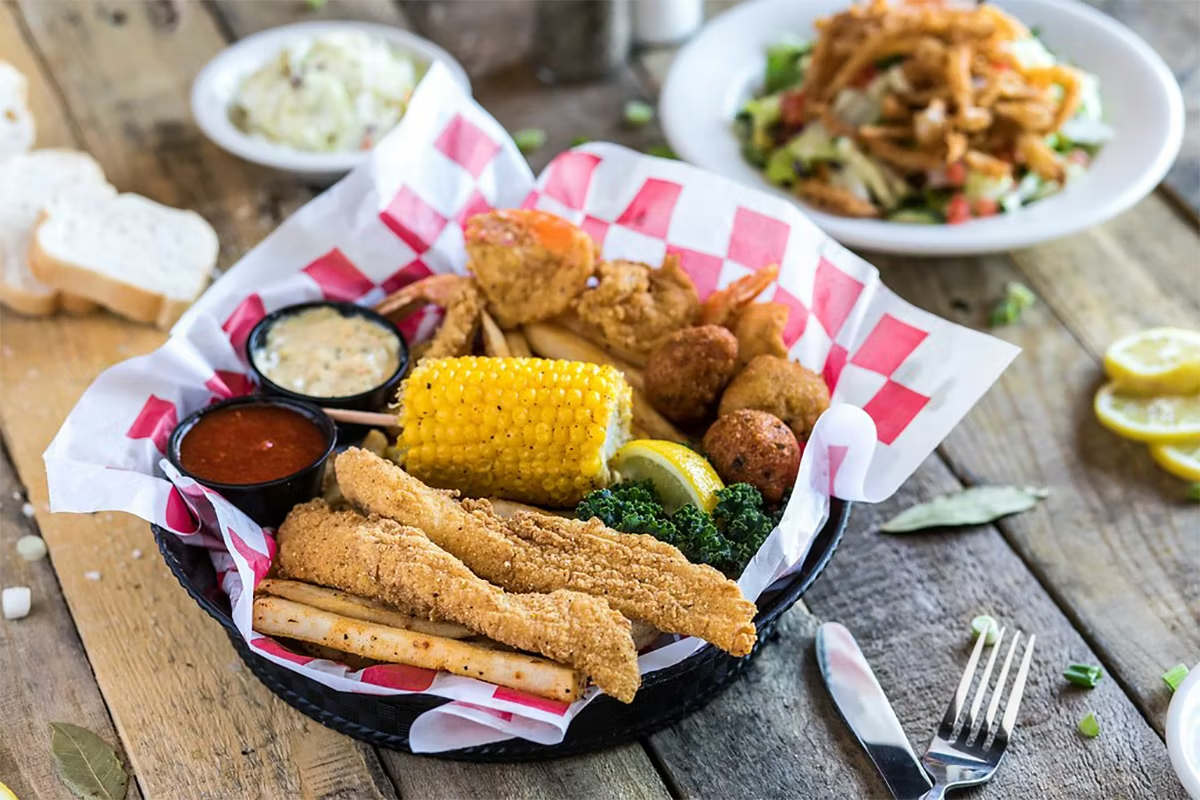
You scan a menu filled with simple, hearty dishes from Cajun cuisine: gumbo, jambalaya, étouffée, and red beans and rice. Ingredients are humble—okra, Andouille, and shellfish—but techniques concentrate flavor through long simmering, careful roux, and slow caramelization.
Portions invite sharing so you can taste multiple comforts across the table. Recipes lean homey and seasonal rather than fussy, and sauces and stocks build depth over time.
You notice cooks using cast iron and heavy pots that hold heat and temper the pace so each bite feels deliberate. The result is food that soothes, warm and familiar, with seafood and Cajun food meant to linger.
Service Style: Staff Who Feel Like Neighbors
Often the staff greet you like neighbors who stopped by to chat, friendly, familiar, and genuinely glad you’re there. They remember your name or your usual order without being pushy, and that warm recognition helps you relax.
They move with easy confidence, checking in without hovering and letting conversations flow naturally. You receive helpful suggestions when you ask, and you hear small, genuine stories about the Cajun food, seafood, or the town even when you don’t ask for them.
They handle mistakes with quick fixes and good humor, turning slip-ups into reasons to laugh. That approachable professionalism creates a casual, welcoming mood so you feel comfortable lingering, chatting, and returning like part of a friendly community.
Communal Dining, Seating, and Dishes That Encourage Lingering
When you walk into a Cajun restaurant, communal tables and cozy booths invite you to stay. Sharing platters, steaming pots, and bowls of sauce give you reasons to pass plates, trade bites, and talk across the table. The seating is arranged to encourage conversation rather than quick turnover, so meals in this Cajun cuisine unfold at a relaxed pace and allow strangers to become companions.
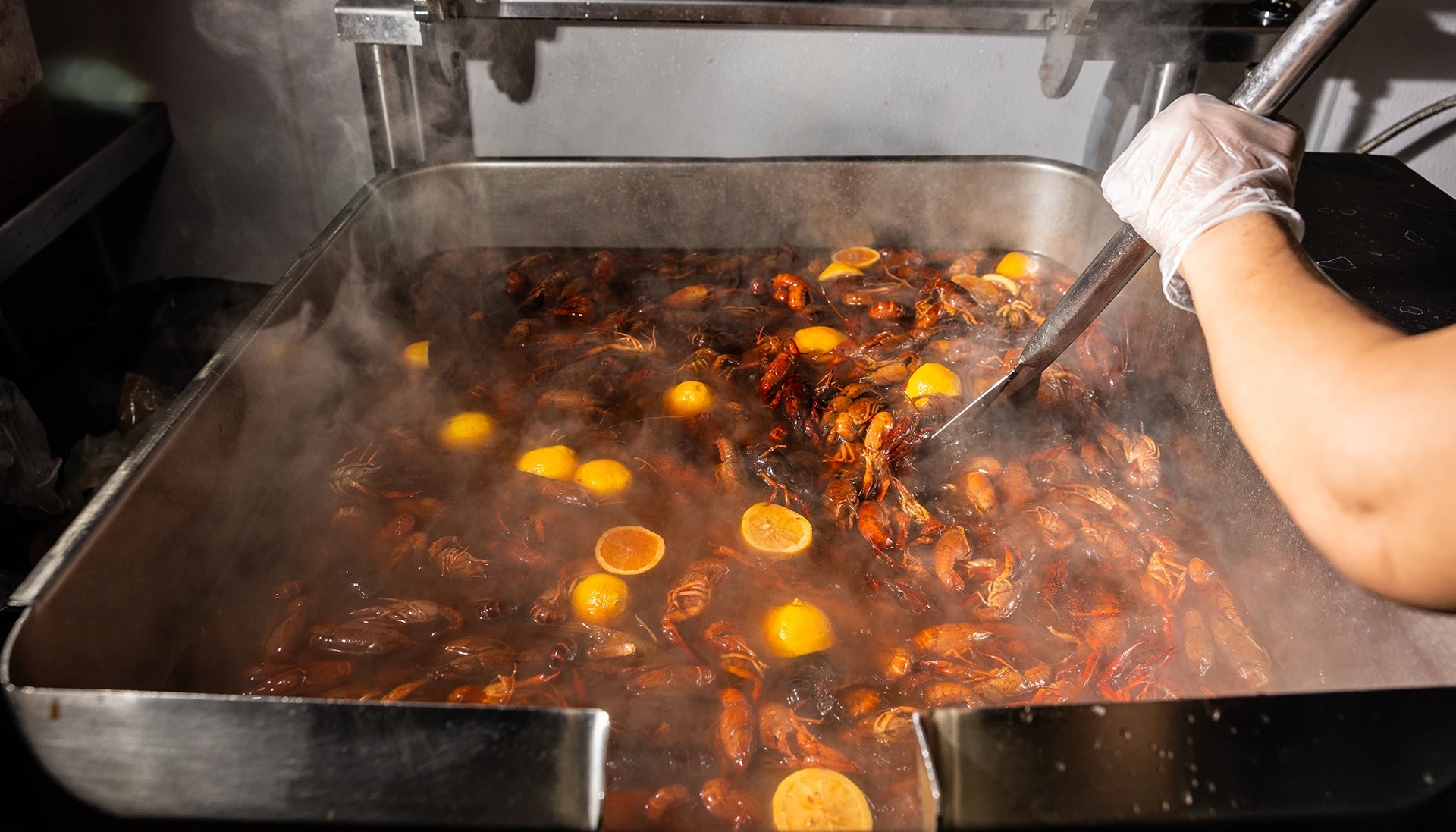
You lean over a bucket of crawfish, pull apart corn, or scoop gumbo from a shared pot, and those actions create small rituals that slow you down. Servers place large seafood and Cajun food dishes in the center so you reach, laugh, and compare flavors. That physical closeness and shared work make the meal social and turn eating into an interactive, unhurried experience you’ll want to repeat.
Pacing and Course Structure That Slow the Meal Down
That shared spread sets the tone, and the way courses are timed keeps you lingering. Appetizers arrive steadily rather than all at once, so conversations begin before plates multiply.
Mains, often featuring Cajun cuisine or seafood, come after a relaxed pause, giving you room to finish a drink and digest flavors. Servers in the Cajun restaurant pace refills and check-ins quietly, never rushing turnover or crowding the table.
Family-style entrées encourage passing and pausing, turning eating into an unhurried back-and-forth. Desserts appear when conversation naturally slows, acting like a punctuation mark.
That deliberate rhythm teaches you to slow down, savor each bite, and let social exchange shape the meal’s momentum rather than a strict timetable dictating your pace.
How Local Resilience and Sense of Place Turn Meals Into Ritual
Because communities here have weathered storms and celebrated harvests together, meals carry more than flavor; they carry memory and hope. You notice rituals in small gestures, such as the pot passed clockwise, the hush before tasting, and the old stories folded into recipes. Those patterns anchor people and transform eating into a shared act of continuity.
Staff and regulars trade nods that mean “we made it” and “sit awhile.” Local ingredients tie Cajun cuisine and seafood dishes to place, so every bite reminds you where you are. That rootedness slows conversation and invites reflection, allowing grief and joy to coexist. In a Cajun restaurant, resilience isn’t just talked about; it’s tasted, honored, and renewed with each communal plate.