What a Perfectly Fried Catfish Plate Looks Like
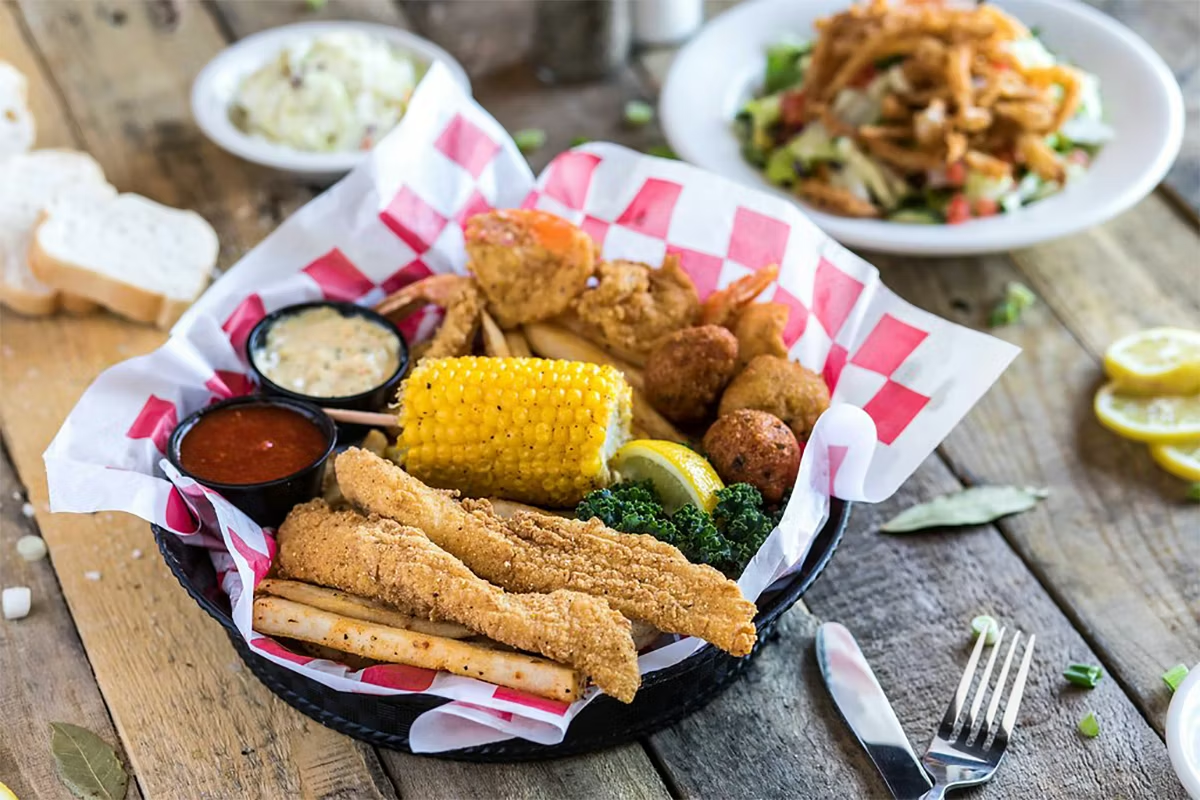
You want a fried catfish plate that hits every note: two golden fillets with a crackling cornmeal crust and moist, flaky flesh that parts cleanly. The balanced seasoning should evoke Cajun cuisine without overpowering the fish, and tangy slaw and buttery corn should complement the seafood flavors. Picture the sound of a knife through the crust and the steam that rises, and imagine the savory, slightly spicy notes you might find at Razzoo’s Cajun Cafe as you keep picturing how each element comes together.
Quick Checklist: The Perfect Fried Catfish Plate
Begin by assembling the essentials so you won’t be scrambling mid-cook: fresh catfish fillets, a seasoned cornmeal dredge, neutral oil for frying, a thermometer, and clean paper towels for draining.
Lay out plates for the finished fish and a wire rack to keep the crust crisp while the cuisine rests.
Place a shallow bowl for the dredge so each piece gets an even coating and prepare a slotted spatula or tongs for safe transfers.
Preheat the oil to the target temperature and keep a timer or watch nearby to avoid overcooking the seafood.
Prepare simple sides and lemon wedges to make plating quick for a Cajun-style plate.
Sanitize surfaces and dry the fillets thoroughly to ensure proper crust formation when presenting the fried catfish in a Cajun restaurant or at home.
With this checklist, you’ll move efficiently and produce consistently crispy, flavorful fried catfish.
How Freshness and Cut Change Texture and Cooking
Now that your mise en place is set, consider how the fish itself will dictate texture and cook time in Cajun cuisine.
Fresher catfish has firmer flesh and a cleaner flavor, which helps it hold together better in the fryer and yields a snappier, flakier bite for seafood dishes. Older or improperly stored fillets can become mushy and release more water, weakening the crust and causing the oil temperature to drop.
Thicker loin cuts provide even, forgiving cooking and resist overcooking while delivering a satisfying bite in a Cajun restaurant setting. Tail or thin portions cook quickly and are at greater risk of drying out, so they require close attention.
Skin-on pieces contribute protection and extra flavor but benefit from getting crisp. Trimming ragged edges prevents uneven browning, and patting fillets dry helps batter adhere and keeps the oil hotter during frying.
Fried Catfish Texture and Flakiness : What to Expect
When catfish is fried correctly in Cajun cuisine, a crisp golden crust gives way to moist, flaky flesh. The exterior should crackle under a fork while the interior breaks into clean layers rather than becoming mushy or stringy.
Diners at a Cajun restaurant will expect firm flakes that separate gently and retain moisture instead of turning into dry, chalky bits. When a piece is pulled, the layers part along natural muscle lines and reveal a glossy, slightly translucent interior that finishes opaque. Pressing lightly with a fork, the fillet should resist for a moment and then yield into tidy flakes.
Overcooking collapses the structure and produces dryness, while undercooking results in a gelatinous, overly supple texture. Properly fried catfish offers a balance of resilience and tenderness so that each bite in a seafood dish feels substantial yet delicate.
Recognize a Golden, Crispy Cornmeal Crust
You’ll know the cornmeal crust is right when it’s a warm, even gold all over and snaps crisply under your fork.
Look for a uniform color with no soggy patches or dark burn spots, and ensure the crust clings to the fillet without separating when you lift it.
The texture will be grainy but tight, with small cornmeal granules creating a firm shell that resists oil and keeps seafood juices inside.
When you press lightly with a fork, the crust gives a clean crack rather than crumbling into dust.
The edges should be particularly crisp and slightly thinner than the center, which is common in Cajun cuisine preparations found in a good Cajun restaurant.
If the crust peels away or feels gummy, the oil wasn’t hot enough or it sat too long, and that result contrasts with the inviting, bonded crust typical of classic Cajun food.
What Good Seasoning and Cornmeal Should Taste Like
Think of seasoning and cornmeal as partners in Cajun cuisine.
The cornmeal should taste toasty and slightly sweet, with a clean, grainy nuttiness that complements seafood. The seasoning brings a bright, savory lift, with salt to sharpen, cayenne or black pepper for warmth, and a hint of garlic or onion powder for depth. The cornmeal’s texture should announce itself without masking the fish, remaining coarse enough to provide crunch while fine enough to adhere.
Each bite should taste complete, with no one spice overpowering the rest or the catfish. The overall impression is layered, offering warm spice, steady salt, subtle aromatics, and that cornmeal backbone that you might expect at a Cajun restaurant. When that harmony comes together, the crust is doing its job.
Portion Size and Plate Composition for Balance
When plating a fried catfish plate in a Cajun restaurant, aim for a balance that keeps the fish as the star without leaving guests either stuffed or hungry.
Serving one to two fillets totaling about 6–8 ounces per person pairs well with a generous scoop of sides and a small salad or slaw to cut the richness.
Contrasting textures and colors work especially well with Cajun cuisine, so include a mound of crispy fries or seasoned corn alongside a bright handful of greens and a wedge of lemon.
Keeping portions moderate—roughly half the plate for sides, one quarter for greens, and one quarter for fish—creates an appealing visual and leaves room for batter crunch.
Arrange the components so that every forkful can combine fish, a side, and a tangy accent for balanced bites of seafood.
Perfect Hush Puppies: Texture, Flavor, and Shape
The plate’s balance keeps the fish front and center, while the hush puppies tie the whole dish together by offering contrast in texture, flavor, and shape that makes each bite sing.
Crisp exteriors should give way to tender, slightly crumbly interiors that snap against flaky catfish and soak up sauce without turning soggy. A golden-brown color is preferable to a dark finish, and a uniform spherical or slightly oblong shape helps them cook evenly in a Cajun kitchen.
The batter benefits from a touch of sugar, salt, and onion or garlic powder, with a pinch of cayenne adding warmth that complements Cajun cuisine and seafood dishes. They’re best served hot to preserve crunch, and spacing them so air reaches each piece helps maintain their texture as part of a Cajun restaurant-style plate.
Classic Sides That Complete the Plate (Slaw, Corn, Fries)
Alongside the catfish, three classic sides—slaw, corn, and fries—create a simple, satisfying framework that balances richness, brightness, and crunch.
A crisp, tangy slaw complements Cajun cuisine when it features thinly sliced cabbage dressed in a light vinaigrette or a mayonnaise-based dressing with a touch of vinegar and a little sugar to round the acidity.
Sweet corn provides a buttery, fresh counterpoint to the spices of Cajun food, whether the kernels are steamed or grilled and seasoned with salt, pepper, and a hint of fresh herbs.
Fries contribute a golden, crunchy exterior and a fluffy interior that pairs well with seafood and the bold flavors of a Cajun restaurant menu.
Each side supports the fish by offering contrast without overpowering it, so every bite feels balanced and pleasing.
Sauces, Garnishes, Serving Temperature, and Presentation
Often you’ll reach for bold sauces and bright garnishes to lift a plate of Cajun cuisine. A tangy remoulade or lemony tartar cuts through the fried richness, a smoky hot sauce adds heat, and a herbed butter or aioli brings silkiness to seafood.
Choose one main sauce and a secondary accent so the flavors stay focused. Garnishes of fresh herbs, thin lemon wheels, or pickled okra add color and contrast to a dish served in a Cajun restaurant.
Serve fillets immediately on warm plates so a crisp coating and flaky interior remain distinct, while slightly cooler sides provide a pleasing contrast in temperature and texture.
Arrange fish with space around it, stack fries or corn neatly, and drizzle sauce sparingly to avoid sogginess. Clean edges and a final scattering of herbs make the plate look intentional and inviting.
Quick Troubleshooting: Common Flaws and Fixes
If your catfish isn’t turning out the way you want, you can usually fix it quickly with a few targeted adjustments.
If the coating becomes soggy, raise the oil temperature to 350–375°F and pat the fillets very dry before dredging; using a thinner batter or extra cornmeal will help achieve better crispness.
When the fried fish is greasy, avoid overcrowding the pan and drain the fillets on a wire rack rather than on paper.
If the interior is undercooked while the exterior is burnt, lower the heat and fry a little longer or finish the fillets in a 350°F oven.
If the flavor is bland, season both the catfish and the flour and consider adding a touch of cayenne or lemon zest to enhance the taste.
If the fish sticks, make certain the oil is hot and use a metal spatula to lift the fillets gently.
These adjustments will make your Cajun-style catfish closer to what you’d expect in authentic Cajun cuisine or a good Cajun restaurant seafood plate.