Why Cajun Restaurants Tend to Be Loud in the Best Way
You walk into a Cajun restaurant and the room hits you like a friendly shout, filled with music, laughter, and diners passing plates of Cajun food and seafood. The servers call orders across long tables while live zydeco or brass bands add energy, and the hard surfaces of the dining room encourage conversation to swell into a single lively hum. This noisy atmosphere is by design, a feature of Cajun cuisine’s communal meals where the sounds of joy and sharing feel like part of the flavor. Even at places like Razzoo’s Cajun Cafe, there is craft behind the chaos that makes the noise feel like hospitality rather than overwhelm.
Why Cajun Restaurants Are Delightfully Loud
Cajun cooking is as social as it’s savory, so Cajun restaurants buzz with life where laughter, clinking glasses, and the sizzle of pots blend together. You step into a Cajun restaurant and hear music threading through conversation while servers move briskly, calling out orders with friendly urgency.
The bold spices of Cajun cuisine encourage animated reactions, and diners shout recommendations and raise toasts over hearty plates of seafood and other specialties. Open kitchens and communal seating allow sounds to carry, and the clatter of pans, the beeping of timers, and the rhythmic chopping create a kitchen chorus that feels welcoming rather than intrusive.
Guests fall into a lively rhythm, talking louder, laughing more, and savoring slowly amid the noise, and that controlled chaos becomes part of the flavor rather than a distraction.
Cultural Roots: Communal Meals and Storytelling
When you step into a Cajun restaurant, you’re joining a long tradition of communal dining and storytelling where Cajun cuisine serves as the medium for connection. Conversations spill over recipes, jokes, and memories while chefs, servers, and diners swap tales about local catches, festival triumphs, or a neighbor’s secret spice blend. That storytelling isn’t background noise but the social glue that keeps communities tight, passes history forward, and teaches younger diners about identity.
You can feel music, laughter, and the cadence of accents shaping the room’s rhythm. Because each seafood dish and plate of Cajun food carries a story, people speak louder to be heard and listen harder to learn, turning mealtime into an engaged, noisy cultural exchange.
Family-Style Meals and Shared Platters
The loud chatter and shared stories in a Cajun restaurant naturally flow into the way food is served, as family-style platters set in the middle of the table invite everyone to reach, pass, and taste together.
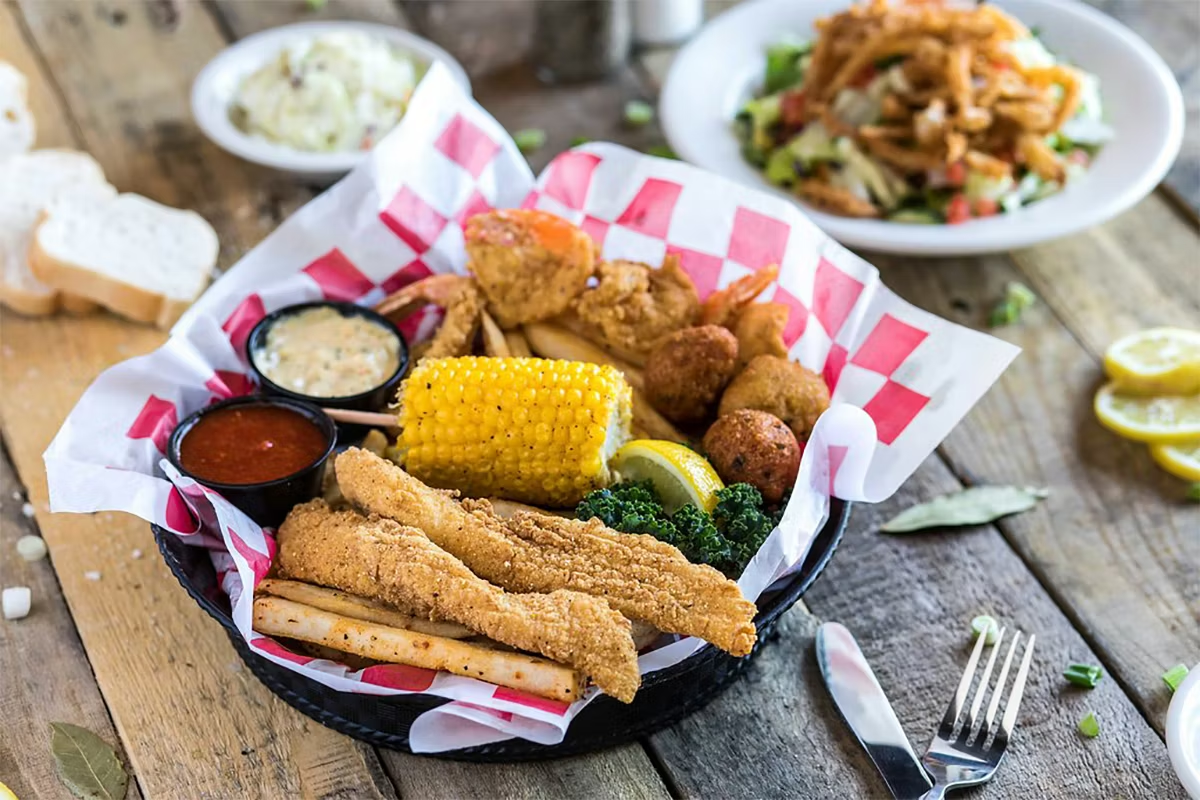
Guests don’t order isolated plates but instead pick at communal gumbo, crawfish boils, jambalaya, and other examples of Cajun cuisine while trading bites and reactions. Passing a platter becomes part of the conversation, and compliments, requests, and playful nudges travel with the food.
This shared rhythm speeds service, keeps energy high, and encourages louder, livelier interaction because everyone is involved. Diners learn names for dishes by sampling them, and the table’s volume rises as new seafood flavors and seasonal ingredients appear. Family-style dining makes noise feel like participation rather than disturbance, binding groups through taste and motion.
Zydeco, Jazz, and Live Bands That Keep Talking
Turn up your ears: zydeco, jazz, and live bands do more than provide background noise in this Cajun restaurant — they trade riffs and stories with the room, answering shouts, coaxing foot-stomps, and steering conversations.
You lean in as a washboard backbeat threads through chatter and a saxophone slides into a singer’s tease, prompting laughter around plates of Cajun cuisine and seafood. Musicians read the floor and extend solos when diners cheer, tightening grooves when forks pause to listen. That call-and-response keeps energy high without drowning talk and creates cues so you know when to clap, holler, or hush for a lyric.
The music shapes the pacing of the meal, with mid-course crescendos lifting spirits and quieter passages allowing people to swap a joke, and it makes the place feel communal, immediate, and alive.
Open Layouts, Long Tables, and Amplifying Acoustics
Step into a Cajun restaurant and you’ll notice how open layouts and long communal tables gather sound, amplifying laughter, clinks, and the music so that everything feels braided into one lively stream.
You move through an airy space where fewer walls allow voices to travel freely and where conversations overlap without feeling crushed.
Those extended tables invite strangers to share Cajun cuisine and seafood, so stories spread outward and energy builds.
You won’t find tiny, isolated booths in this setting, because the layout encourages a collective rhythm — forks tapping, servers weaving, and diners calling orders all contribute to a communal chorus.
You lean in to hear, and that closeness makes noise feel warm and social rather than chaotic, turning volume into part of the flavor of Cajun food.
Hard Surfaces and Décor That Boost Noise
Hard surfaces—tile floors, exposed brick, and metal fixtures—bounce sound around so conversations and music feel brighter and louder in a Cajun restaurant.
Plastered walls and varnished wood booths reflect claps, footsteps, and banjo plucks instead of absorbing them.
Bare ceilings and visible ductwork create quick, lively echoes that keep energy circulating through the room during a busy shift of Cajun cuisine and seafood service.
Decorative metal signs, hanging pots, and reclaimed-wood accents add hard edges that scatter sound rather than muffle it.
Sturdy bar tops and communal tables act as resonance points, letting chatter propagate across the space where friends share Cajun food.
Designers often lean into texture and materials to cultivate a convivial noise that makes the atmosphere feel immediate and communal.
Lively Service: Call‑Outs, Performances, and Hospitality
The room’s bright, reflective surfaces set the stage for a lively dining experience. The staff keep the noise feeling alive and welcoming through animated interactions.
Servers call orders out in sing-song cadences, bartenders clap back witty banter, and line cooks shout playfully when a boil or a fried seafood order is ready. You get swept up because the team treats service like a performance, with timed moves, shared cues, and brisk, friendly shouts that let you know food is coming and that everyone is part of the show.
Servers riff with patrons, announce communal platters of Cajun cuisine, and rally celebrations, while hosts ease shifts with warm, audible greetings. That audible theater blends efficiency with warmth, so you hear updates, laughter, and encouragement and the volume becomes a social signal rather than mere background clatter.
Drinks, Revelry, and Social Energy at the Bar
When you sidle up to the bar, expect drinks to arrive with as much theater as the Cajun food on the menu. Bartenders mix bold cocktails with quick, practiced flair while shouting to the room when a round’s ready. You’ll join a chorus of clinks, laughter, and friendly heckles that fuel the place.
Servers and regulars swap stories, recipes, and weekend plans aloud, and that banter keeps energy high. Communal stools and shared plates of seafood and Cajun cuisine invite strangers into conversation. The bar’s volume feels like inclusion, not chaos.
Music pumps a steady backdrop, but the human noise sets the mood. You’ll leave animated, your glass lightened and your social tank refilled, already plotting your next loud, lively return.
Peak Triggers: Crawfish Boils, Festivals, and Rushes
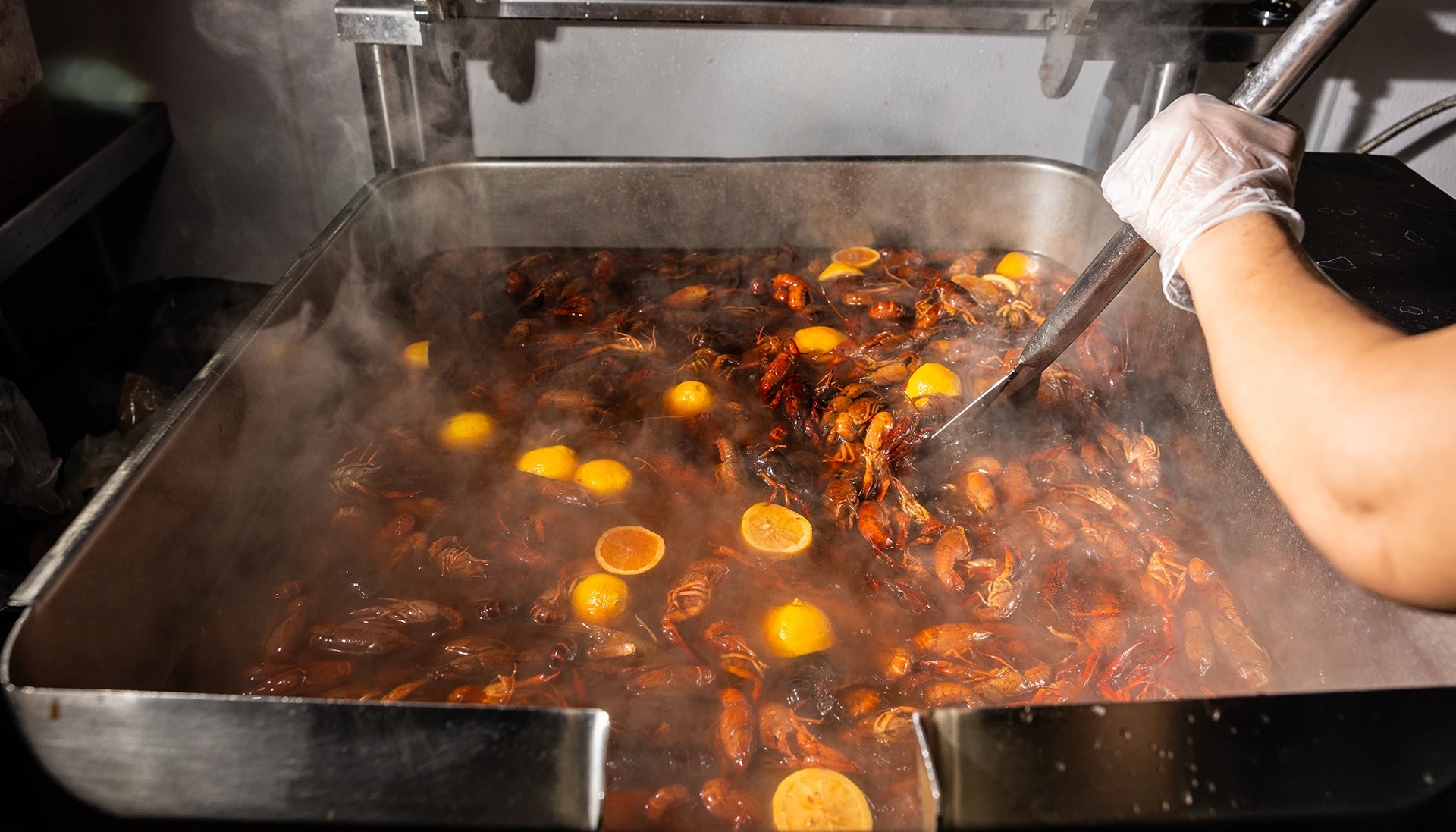
Heads will turn and decibels will spike when crawfish boils, festivals, or dinner rushes hit a Cajun restaurant, and the room shifts into a communal, celebratory rhythm. You lean in as servers call orders, pots hiss, and friends trade stories over steaming piles of seasoned shellfish, and the scene feels saturated with the smells and textures of Cajun cuisine. The energy isn’t random noise but timed peaks of shared excitement, as clattering trays, laughter, and spontaneous toasts sync into a vibrant pulse.
During festivals or holiday weekends, live music and queue chatter layer on top of the soundscape, amplifying that pulse and making the Cajun food and seafood on each table feel even more central. Even a sudden rush funnels strangers into brief, easy camaraderie, and patrons swap a table, recommend a dish, or cheer a band together. Those moments make the loudness feel alive, unavoidable, and utterly part of the Cajun dining experience.
Balancing Warmth and Comfort: Noise Control Tips
You’ll often want your Cajun restaurant to feel lively without overwhelming conversation, so smart noise control preserves warmth without sacrificing comfort.
You can layer strategies by placing soft seating and rugs to absorb sound, by adding acoustic panels disguised as art, and by using drapery where possible. Positioning speakers for even music distribution prevents one corner from being blasted. Keeping service stations and kitchens separated by sound buffers helps ensure that orders aren’t shouted across dining areas.
Training staff to use lower indoor voice levels during busy stretches and scheduling louder events in dedicated rooms supports a comfortable dining atmosphere. Monitoring noise with a decibel app allows you to adjust music or seating in real time.
These measures preserve the convivial Cajun cuisine and seafood energy while letting guests actually hear each other.