Why Cajun Food Always Feels Hearty
You’ll notice Cajun food hits differently because slow‑cooked roux and long‑simmered stocks coat your mouth in rich flavor. Smoked and cured proteins in Cajun cuisine deliver concentrated savory notes that linger. Rice or cornbread stretch every bite into something filling, so even a small portion of seafood or gumbo feels substantial. Layered spices and rendered fats keep the heat balanced and deeply satisfying. Razzoo’s Cajun Cafe captures that generous, shareable spirit, which is part of why Cajun cuisine comforts you beyond just the spices.
Why Cajun Food Feels Hearty: Roux, Stock, and Portions
A deep, savory roux explains why Cajun food feels so hearty, because that slow-cooked blend of fat and browned flour builds a nutty backbone that thickens sauces and binds flavors.
Robust stock—usually chicken, seafood, or beef—adds layered savory depth and carries spices into every bite of Cajun cuisine.
Long-simmered stocks concentrate collagen and umami, which gives soups and gumbos satisfying body without heaviness.
Generous portions in a Cajun restaurant contribute to the feeling of leaving the table full and comforted rather than deprived.
Proteins, rice, and vegetables combine so that each spoonful delivers fat, starch, and savory notes together.
Technique and intent are evident in every element, and the composition is calibrated to nourish, warm, and satisfy.
Big, Simple Ingredients That Build Comfort
After the roux, stocks, and generous portions set the stage, Cajun comfort comes down to a handful of big, straightforward ingredients that do most of the work.
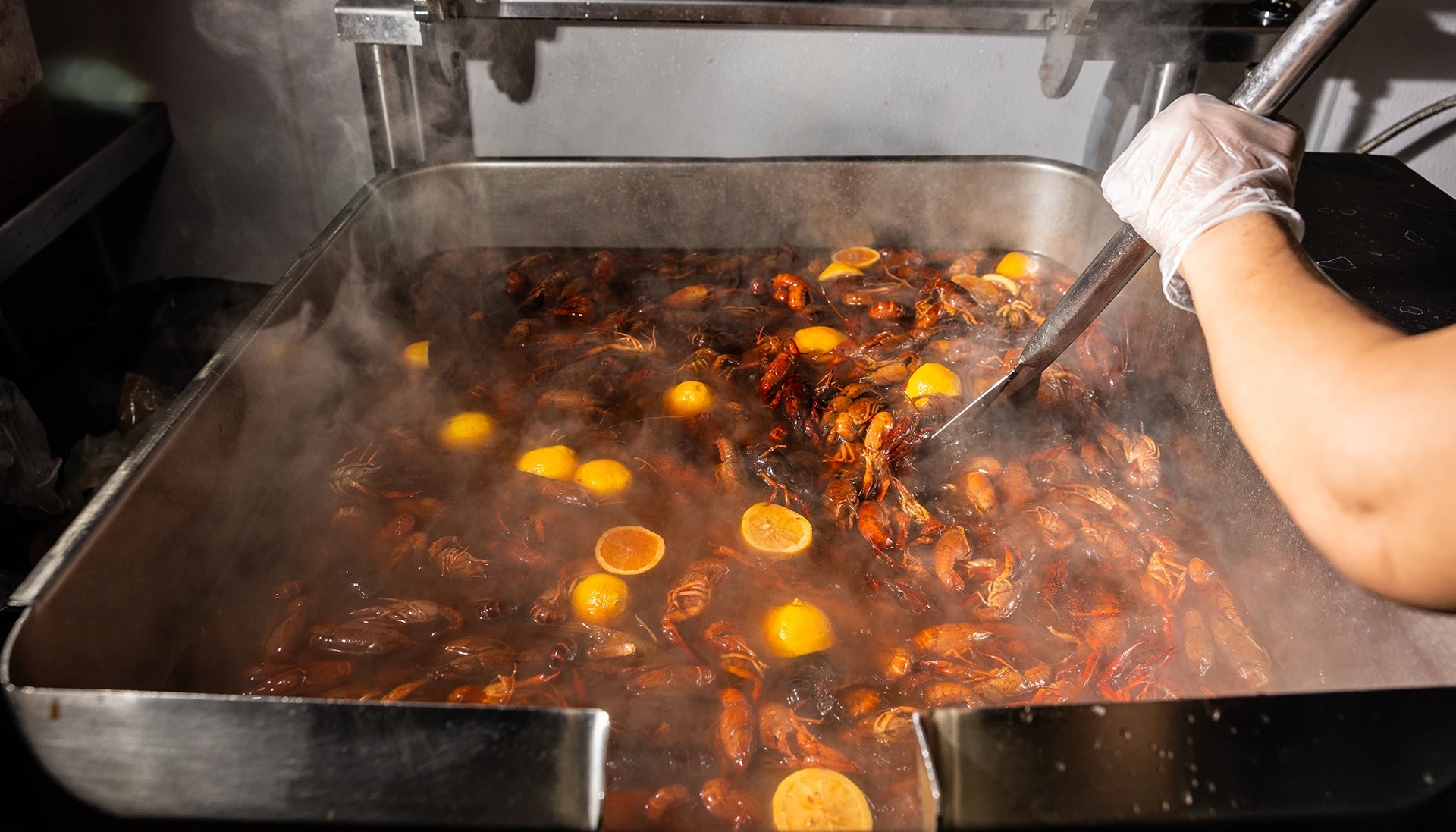
Rice soaks up sauces and makes a meal feel complete in many dishes of Cajun cuisine. Onions, bell peppers, and celery provide structure and aromatic lift without fuss in soups, stews, and seafood boils served at a Cajun restaurant.
Potatoes bulk up stews, stretch servings, and add a creamy texture to hearty plates. Smoked sausage contributes smoky fat and instant seasoning to traditional recipes.
Chicken and fresh seafood supply the protein and regional identity central to Cajun food. These elements combine simply—sautéed, simmered, or tossed—so each ingredient reads clearly and fills you with familiar, comforting flavors.
How Rouu And Stocks Add Body And Flavor
Roux and stocks do the heavy lifting in Cajun cooking; roux thickens and caramelizes, giving sauces a deep, nutty backbone while stocks layer in savory depth and help those sauces cling to rice, seafood, and sausage.
You can watch a roux darken slowly and smell toasted butter and flour transform, and that Maillard note creates a warmth you can taste. Homemade stock simmered with bones, mirepoix, and bay concentrates flavors without overwhelming anything on the plate, so each spoonful feels rounded.
When a glossy roux combines with a rich stock, the result coats ingredients, carries spice, and fills bowls with satisfying weight. Even a modest gumbo or étouffée in a Cajun restaurant gains presence from this pairing, because texture and umami work together to make Cajun cuisine feel substantial and comforting.
Cajun Smoked And Cured Proteins And Why They Warm
Smoke curls into the kitchen, and you can almost taste the warmth it promises as Cajun smoked and cured proteins—like andouille, tasso, and smoked catfish—bring a mix of salt, smoke, and spice that anchors dishes emotionally as well as physically.
You feel comfort because curing concentrates flavor, and smoking adds aromatic oils that linger on your palate and in the air. Those intensified savory notes cut through acidity and fat, making stews, gumbo, and grill plates taste deeper without heaviness.
When you slice or crumble these ingredients into a pot, they release umami and rendered fat that knit components together and create the cozy mouthfeel Cajun cuisine is known for. Their preserved nature also recalls hearth cooking, communal meals, and the welcoming atmosphere of a Cajun restaurant or seafood-focused table.
Rice, Beans, And Starches That Anchor Every Plate
Staple-plate anchors like steaming rice, creamy red beans, and crunchy fried okra bring balance and comfort to Cajun meals and do more than simply fill you up.
You rely on rice in Cajun cuisine to soak up sauces and juices, turning bold gravies into mellow bites that unite every ingredient. Red beans provide a velvet counterpoint, and their earthy protein cushions smoky meats while adding slow, satisfying texture.
Cornbread and grits contribute grainy warmth and contrast, and their mildness lets other flavors shine while grounding the plate. Potatoes and fries deliver a neutral heft that makes each forkful feel complete.
These starches structure a Cajun restaurant meal by moderating intensity, extending richness, and making communal dishes feel homey and sustaining.
Spice And Fat Balance: Why Heat And Fat Keep Dishes Satisfying
Feel the way heat and fat play off each other in Cajun cooking, where spicy peppers and bold seasonings wake the palate while butter, bacon fat, and the glossy oils from slow-cooked proteins soothe the burn and carry flavor across the tongue.
You notice how capsaicin’s bite is diffused by fat, which allows spices to linger without overwhelming the senses. Fat also amplifies aromatics in Cajun cuisine, as garlic, onion, and roux-browned flour release richer, rounder notes when dissolved in oil.
That balance keeps each bite satisfying, with heat providing tension and excitement while fat supplies relief and depth. Textures matter in seafood dishes and in a busy Cajun restaurant, and creamy sauces, crisp-fried edges, and silky rice each interact with spice and fat differently so the dish feels complete rather than one-note.
Cooking For Family: Communal Portions And Tradition
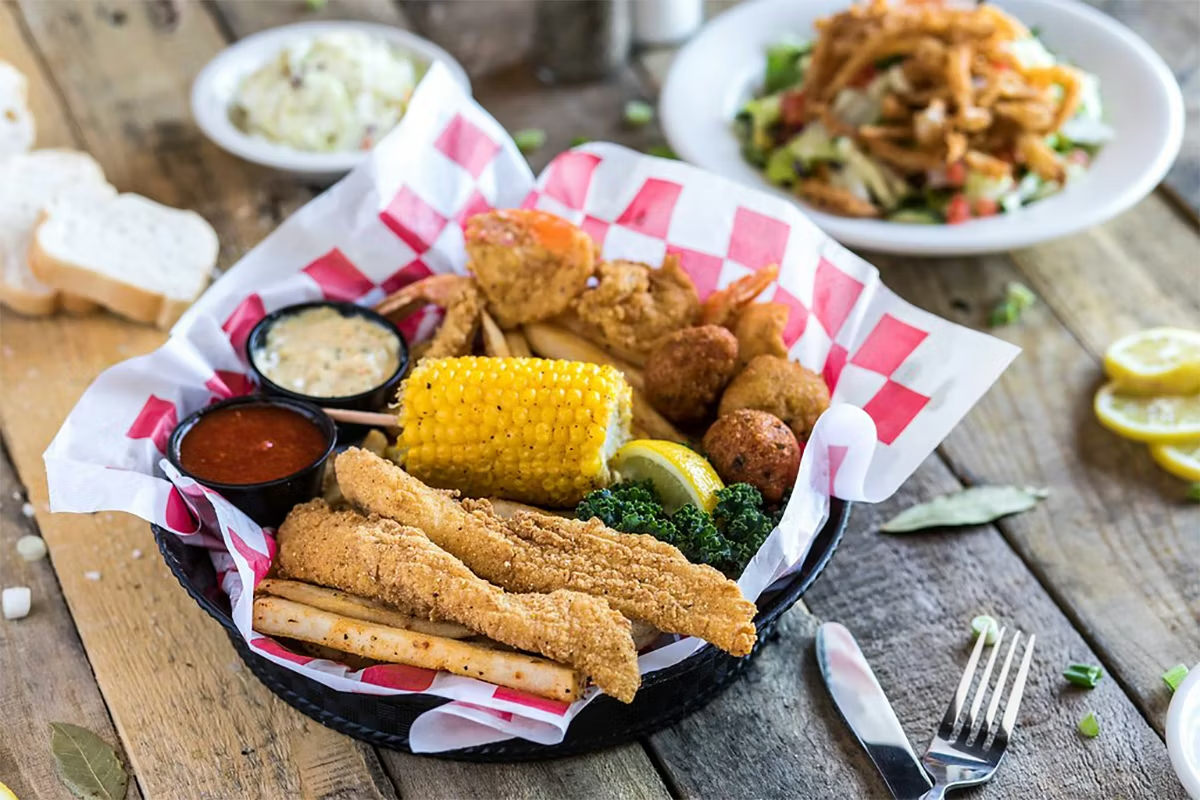
When you gather around a steaming pot of gumbo or pass a platter of fried catfish down the table, Cajun cooking does more than feed; it shares history, comfort, and a set of unwritten rules about who gets the biggest piece.
Families serve food family-style because it feels practical and intimate, and big pots, shared bowls, and everyone reaching in create connection.
Children learn portions by watching elders ladle and by knowing who’s first in line and why.
Meals mark occasions in Cajun cuisine, from bayou tales and workday reunions to times of mourning or celebrating, and recipes travel with memory rather than measurements.
People eat slowly, swap bites, and send leftovers home, and the communal habit turns simple seafood and pantry ingredients into something abundant that binds people through ritual, generosity, and the pleasure of breaking bread together.
Seasonal Louisiana Produce That Adds Substance
Across the seasons, Louisiana’s fields and bayous offer produce that gives Cajun dishes real body and character.
Sweet corn in summer lends a creamy sweetness to spoonbread served in Cajun restaurants and home kitchens alike. Okra in late summer thickens gumbos and adds its distinctive texture to seafood and sausage stews.
Sturdy winter greens such as collards and mustard balance fried fish and richer components of Cajun cuisine. Tart citrus and persimmons in fall brighten rich stews and complement both shellfish and red-meat preparations.
Local squash and sweet potatoes add weight without heaviness, while earthy root vegetables round sauces and deepen savory flavors. Fresh tomatoes and peppers in late summer build a fragrant base for étouffées and other Cajun recipes. Shelling peas in spring provide a tender, starchy lift that highlights the seasonality at the heart of Cajun food.
Technique And Time: How Texture Makes Dishes Feel Filling
Because texture determines how you experience a bite, slow techniques and deliberate handling make Cajun dishes feel satisfying long after the last forkful.
In Cajun cuisine, a stew’s body comes as much from how ingredients are treated as from what’s in the pot. Browning meat creates Maillard depth while sweating vegetables softens them without waterlogging. Simmering a roux until it thickens and mellows builds mouthfeel, and pulling gumbo off the heat allows flavors to knit as resting firms texture and concentrates the broth.
Chopping with intent affects the final feel of a dish, since larger pieces lend chew while finely diced mirepoix melts into silk. By pacing steps and respecting time, simple elements are transformed into a cohesive, tactile experience that satisfies beyond calories, whether enjoyed at a Cajun restaurant or in a seafood stew at home.