Why Cajun Restaurants Feel Like Home to So Many People
When you step into a Cajun restaurant, familiar aromas—dark roux, garlic, thyme, and cayenne—hit you like a warm greeting and the bustle, handwritten menus, and crowded tables make it easy to feel at home. You will notice how shared platters of seafood and slow-cooked stews invite conversation and how recipes that taste like someone’s kitchen build trust. There is more behind that comfort than just flavor, and Razzoo’s Cajun Cafe captures the way Cajun food and Cajun cuisine wrap people in a sense of belonging.
Why Cajun Restaurants Feel Like Home
From the moment you step inside a Cajun restaurant, warm spices and familiar chatter wrap around you like a welcome. You smell garlic, onion, and bay leaf before you see the pot of gumbo simmering on the stove, and that scent eases you. Servers call out orders with affectionate urgency, merging efficiency and familiarity so you feel seen rather than rushed.
Tables host mismatched groups — friends, families, and lone diners — and the noise becomes a comforting background rhythm. Cajun food arrives hearty and immediate, whether a steaming bowl of jambalaya or a perfectly charred piece of fish, and the dishes are served without pretense. Generous portions invite sharing, and stories follow as plates are passed.
You recognize recipes from childhood meals or neighborhood joints, and that recognition turns a simple meal into a lasting memory. You leave fuller in both body and spirit after experiencing authentic Cajun cuisine and fresh seafood prepared with care.
Cajun History and Communal Cooking
Though uprooted from their Acadian homeland, Cajun people rebuilt community around food, and that history is visible in every communal pot and shared table. When you step into a Cajun kitchen, you find recipes passed down orally, adapted to what’s on hand, and meant to feed many.
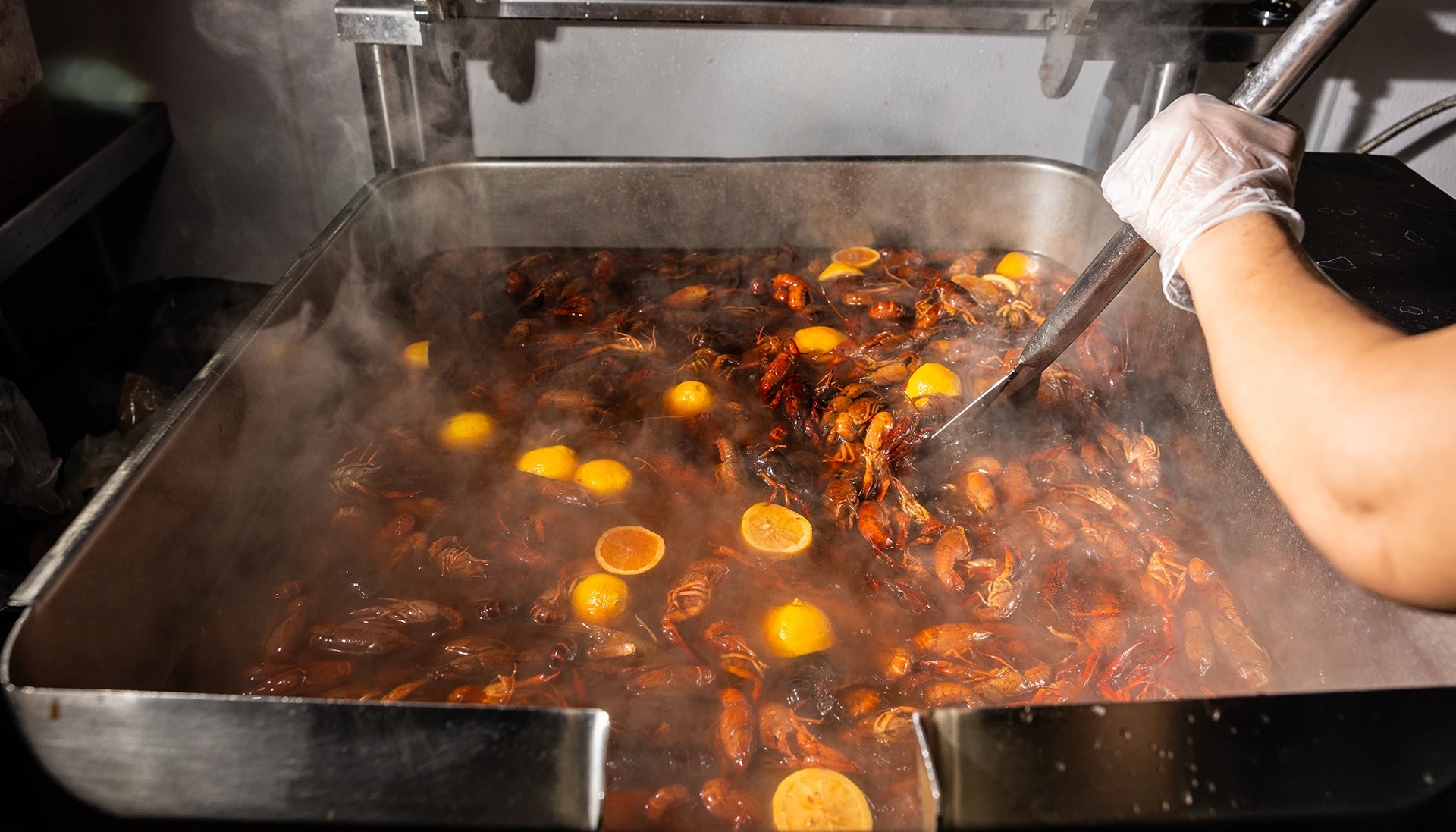
Neighbors bring a potluck, swap techniques, and sit shoulder to shoulder at long tables, because cooking is a social contract rather than just a task. Celebrations are often centered on crawfish boils, gumbo nights, and harvest days, during which everyone pitches in to peel, stir, season, and tell stories.
That cooperative spirit shaped Cajun restaurants and the broader Cajun cuisine, as they recreate the warmth, the rhythm of shared labor, and the feeling of belonging that comes with sharing seafood and other dishes.
Three Comforting Flavor Pillars
Cajun food rests on three comforting pillars: roux-rich depth, bright herbal heat, and briny seafood savor.
Roux provides a toasted, savory backbone, and its nutty color and slow-cooked butter or oil bind flavors so stews and gumbos feel cohesive and substantial.
Herbs and spices such as parsley, green onion, thyme, and cayenne cut richness with lively, aromatic lift and make each bite invigorating rather than heavy.
Seafood’s saline, oceanic notes from shrimp, crab, and oysters add an immediate, familiar umami that balances land-based ingredients.
These pillars aren’t separate, and they intersect so Cajun cuisine tastes grounded, bright, and unmistakably of place.
Aroma & Texture and Nostalgia
When you step into a Cajun kitchen, the air tells the story before a fork reaches your plate: the dark roux gives off a toasted, nutty scent that mingles with bright green onion and thyme, while bay leaf and cayenne lift the whole aroma with a warm, peppery snap.
You notice textures as much as smells in Cajun cuisine: tender shrimp and velvety gumbo contrast with crisped bits of andouille and fluffy rice that soaks up sauce. Those contrasts keep each bite interesting and familiar, like a remembered seafood meal recreated in a Cajun restaurant’s warm surroundings.
The aroma of Cajun food triggers memories of Sunday suppers, laughter, and an elder’s hands stirring a pot, so the flavors do more than feed you; they anchor you. In that sensory mix of spice, smoke, and comfort, identity and home converge, and you feel quietly, unmistakably at ease.
Communal Rituals: Boils, Family-Style, Shared Tables
If you sit down at a shared table in a Cajun restaurant, you quickly see how meals become events. Steam rises from a paper-covered spread of crab, corn, and potatoes, and hands reach in to peel and pass as conversation moves as easily as the spice.
You join rituals that turn eating into cooperation when you crack shells, tear bread, and swap stories between bites. Family-style platters of Cajun cuisine encourage you to taste more and order less, trusting neighbors to reach a perfect piece.
Boils of seafood focus attention on the process, and dumping, seasoning, and distributing become part of the fun rather than merely a means to an end. Shared tables erase formality, invite helping hands, and make strangers into companions through rhythm, generosity, and the simple act of passing food.
Atmosphere: Bustle, Music, and Storytelling
Though the room hums like a living thing, you immediately notice the layers that make it feel like home. Clattering plates and laughter provide a steady percussion, while a fiddle or accordion weaves through conversation. Servers move through the space with practiced rhythm as cooks shout good-natured curses and greetings from the pass. Regulars slide into booths like clockwork and the bustle never feels chaotic.
Music sets the pace—upbeat, mournful, familiar—so you find yourself tapping a foot or joining a chorus. Storytelling threads everything together, from recipes and family legends to fishing tales and playful insults. The menu leans into Cajun cuisine and seafood specialties, and the scent of Cajun food and spice hangs warmly in the air. In that hum, you’re invited to stay, listen, and add your own line.
Visual Cues and Plate Presentation That Welcome You
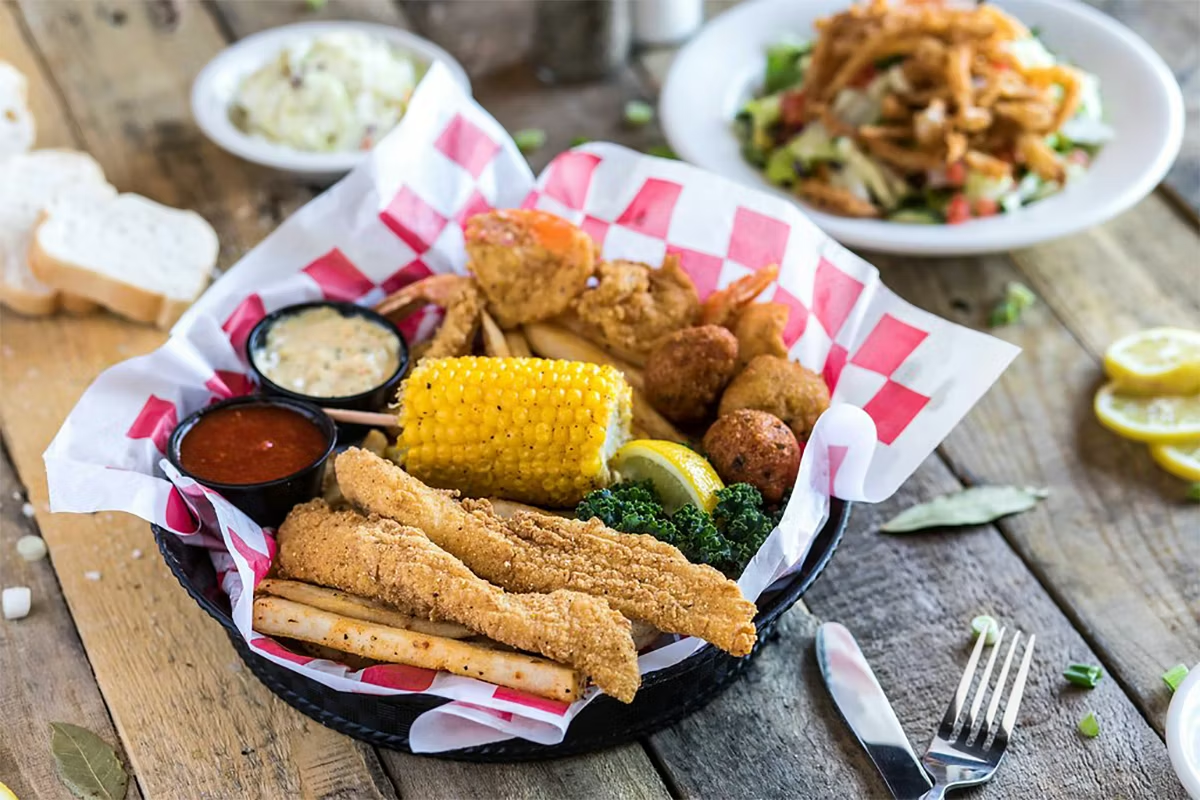
Against a backdrop of worn wood and checkerboard napkins, your eyes quickly find the food—bright roux-glazed shrimp, a mound of buttery rice, a scattering of fresh herbs—each plate arranged to invite a fork. The Cajun cuisine on the table reads as hearty and honest, with portions set without pretense while stew bowls brim, sandwiches stack, and sides nestle close so every bite pairs easily.
Color contrasts guide you with deep browns, vivid greens, and pops of red, and steam or glossy sauces promise warmth. Garnishes are practical rather than fussy, with a lemon wedge, chopped scallions, and a sprig to sniff. Plates arrive hot and straightforward, signaling care and confidence, and the visual cues suggest a Cajun restaurant atmosphere made for comfort, shared tables, and returning for more seafood and spice.
How Cajun Family Recipes Build Trust in Restaurants
When a menu lists “Grandma’s gumbo” or a chef describes recipes handed down over generations, you immediately sense that the Cajun cuisine on the plate has been vetted by real lives rather than constructed to chase trends.
Those family recipes function like a promise, reflecting familiar techniques, calibrated spice balances, and ingredient choices that survived picky relatives and many Sunday dinners.
You trust that the flavors in a Cajun restaurant aren’t invented for buzz but have been refined through repeated celebrations and hard-earned corrections.
Hearing a story about Auntie’s roux or a cousin’s pickling method gives context and anchors each bite to people and memory.
That lineage reduces risk, so you expect consistent, soulful seafood and Cajun food that carries accountability and care across time.
How to Pick a Cajun Restaurant That Will Feel Like Home
Begin by looking beyond the menu and noticing small signs that a Cajun restaurant treats its food like family, such as a chalkboard honoring a matriarch’s recipe, staff who talk about their own memories, or regulars who linger between courses.
Pay attention to the aromas, which should reveal depth through a rich roux, bright cayenne, or simmered stock that suggests time and care in the seafood and other Cajun cuisine.
Observe how servers describe dishes and whether they share stories rather than simply reciting ingredients.
Ask about sourcing, since local shrimp and fresh vegetables usually signal pride and thoughtful preparation rather than shortcuts.
Seek out places with handwritten notes, framed photos, or community board postings because those details show roots in the neighborhood.
Finally, trust the way you feel when you sit down; a relaxed, welcomed atmosphere where you’re encouraged to linger often marks the most homey Cajun food experience.