Why Cajun Food Will Always Have a Following
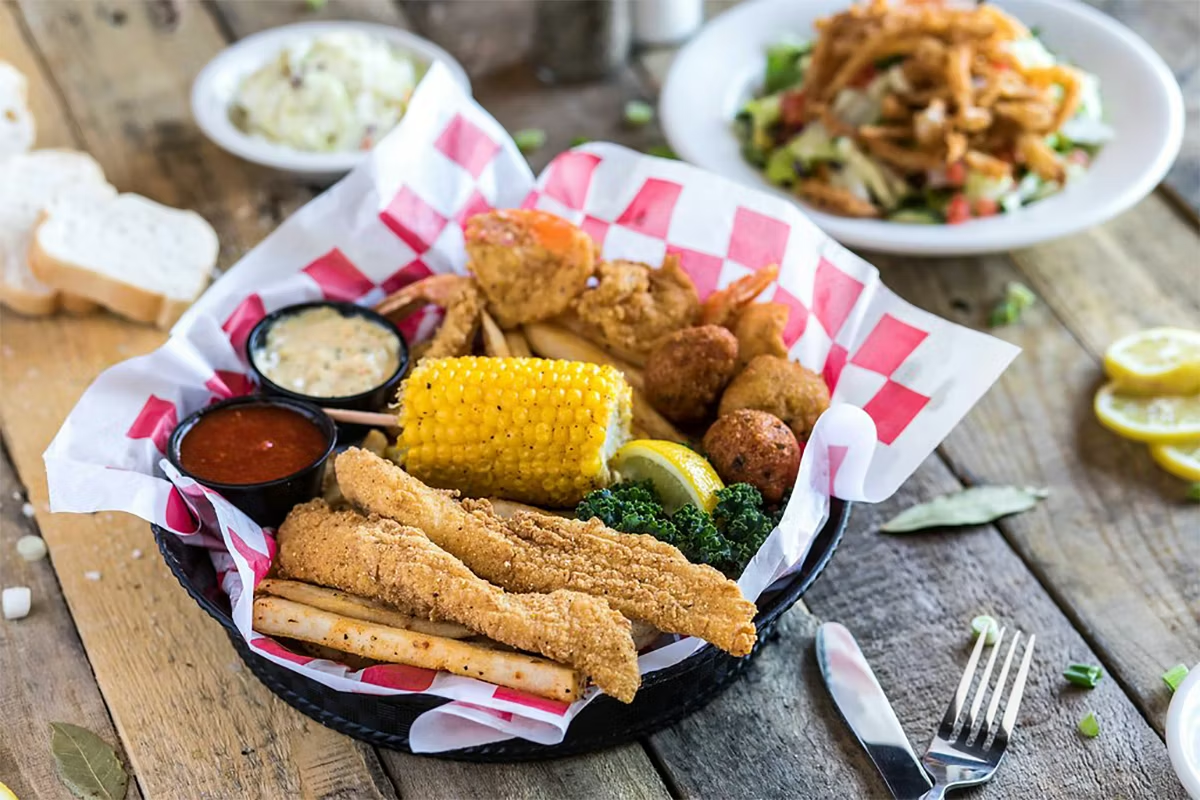
You notice Cajun food grabs you before you even taste it because a smoky roux, the holy trinity of vegetables, and spices that warm the chest work together to announce themselves. Cajun cuisine is simple, resourceful cooking rooted in survival and celebration, and every plate tells a story of place and family. When you think about seafood gumbo or a pan of jambalaya, you can almost hear the voices and footsteps that shaped those flavors. I still remember the first time I ate at Razzoo’s Cajun Cafe and how the aroma and technique felt like an invitation into a long, proud tradition. Those flavors and techniques are why Cajun food keeps drawing people back, and why the cuisine continues to endure.
What Cajun Food Is and What Makes It Unique
Cajun food grew out of resourceful home cooking by French-speaking Acadians who settled in Louisiana. Cajun cuisine is defined by bold seasoning, simple techniques, and locally available ingredients such as rice, seafood, pork, and the “holy trinity” of onion, bell pepper, and celery.
Diners will recognize Cajun dishes by their balance of smoky char, gentle heat, and savory depth that comes from stocks and roux rather than elaborate sauces. Cooks often work patiently, simmering gumbos, searing and deglazing, and folding in rice or cornbread for substance.
Meals in a Cajun restaurant setting are communal and adaptable, with cooks stretching proteins with vegetables or grains and turning leftovers into jambalaya or étouffée. Spice levels vary across dishes, but layered flavors remain the primary focus.
In short, Cajun cuisine is practical, robust, and deeply rooted in place.
History & Survival: How Cajun Cuisine Evolved
When Acadian refugees arrived in Louisiana in the 18th century, they adapted their food to a new landscape and kept cooking traditions alive through necessity and ingenuity.
You can see survival-shaped techniques such as smoking, salting, and stewing that stretched scarce protein, and one-pot meals that simplified work after long days.
Local ingredients — rice, wild game, shellfish, and native vegetables — replaced what they’d lost and created pragmatic substitutions that still felt familiar.
Community gatherings, farmsteads, and parish churches helped preserve recipes, passing them down orally and by demonstration.
Resilience during economic hardship, floods, and displacement is evident in the way cooks improvised, conserved, and taught the next generation.
That history explains why Cajun food and Cajun cuisine endure, because they’re practical, social, and adaptable.
The Flavor Building Blocks of Cajun Food
Begin by tasting the backbone of Cajun food, which features bold, layered seasonings, smoky aromatics, and umami-rich stocks that turn simple ingredients into something unforgettable.
The holy trinity of onion, celery, and bell pepper builds savory depth in many Cajun cuisine dishes, and garlic, bay, and thyme add herbal lift.
A roux gives body and color to stews and sauces, and it can be cooked until it darkens for nuttiness or stopped earlier for a milder base.
Smoked sausage, bacon, or charred vegetables introduce woodsy notes into a pot of gumbo or jambalaya, while seafood shells and bones produce concentrated stocks that glue flavors together.
Cayenne, black pepper, and paprika are used sparingly or liberally to control heat in Cajun restaurant fare, and acid from vinegar or lemon brightens heavy dishes while finishing herbs refresh each bite.
Signature Cajun Dishes You Should Know
Now that you have tasted the foundational flavors—roux, the holy trinity, smoky proteins, and bright acids—you will recognize how they appear in the region’s most famous plates. Gumbo is a stew that marries dark roux with okra or filé and whatever seafood, sausage, or smoked meats are on hand, producing a dish built for depth and comfort.
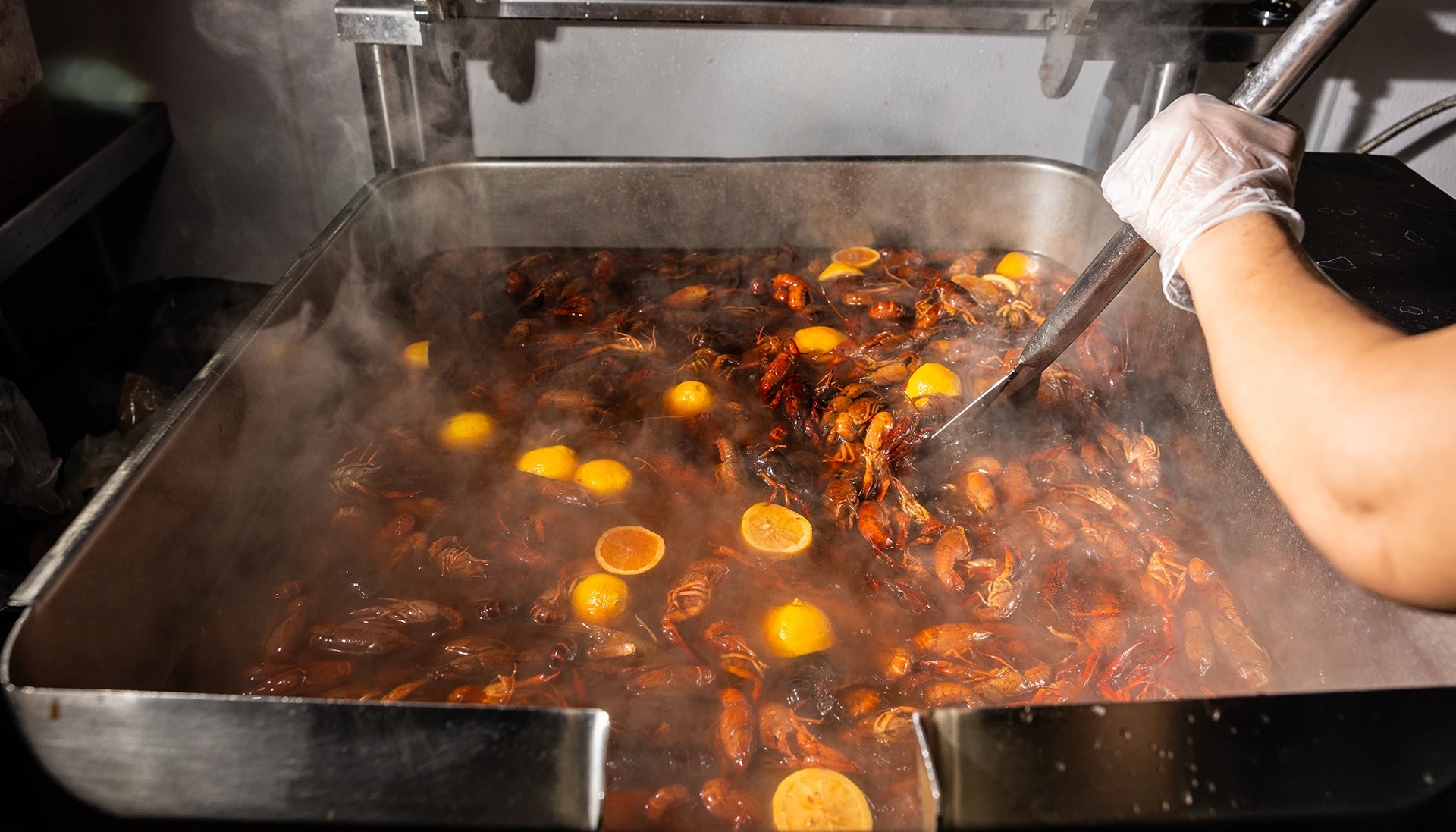
Jambalaya layers rice with tomatoes, stock, and browned meats so that every grain carries the bold flavors of Cajun cuisine. Étouffée concentrates shellfish in a silky, roux‑thickened sauce that’s spooned over rice in many a Cajun restaurant. Red beans and rice transforms humble beans and smoked ham into a smoky, satisfying staple of Cajun food. Crawfish boils bring people together for communal feasts in which spice and time create intensely flavored crustaceans. These dishes exemplify the bold, accessible character of Cajun cuisine that keeps diners coming back.
Cajun Techniques & Thrift: Why Simple Ingredients Taste Rich
Cajun cooking turns humble ingredients into deeply flavored meals through a few straightforward techniques. Browning a dark roux lends a nutty depth that defines much of Cajun cuisine.
Sweating the holy trinity—onion, bell pepper, and celery—builds aromatic layers that become the backbone of many dishes. Slow simmering of inexpensive proteins allows them to release maximum flavor into stews and gumbos.
Pantry staples such as smoked sausage, root vegetables, and simple stocks can be coaxed into complex profiles by careful layering of heat and timing. Seasoning rhythm with salt, black pepper, cayenne, and file lifts the flavors without masking the base ingredients.
One-pot methods concentrate juices and meld textures, making leftover bones and scraps invaluable for impromptu broths. Thrift in Cajun food isn’t deprivation but strategy, as careful technique transforms modest produce into dishes that feel rich and complete in a Cajun restaurant or at home.
Cajun Meals and Why They’re a Community Thing
In kitchens and backyards across Louisiana, Cajun meals pull people together around a shared pot and purpose. Neighbors gather for a gumbo or jambalaya simmer, handing bowls, stirring, tasting, and trading stories while the rhythm of preparation becomes conversation. People don’t simply eat; they participate in a ritual that turns work into celebration as peeling, chopping, seasoning, and passing plates create a sense of collective accomplishment.
Large batches of Cajun cuisine encourage everyone to contribute and everyone to eat, so no one leaves hungry or unheard. These gatherings build ties across generations because kids learn recipes from elders and newcomers learn local ways of preparing seafood and traditional dishes. The social bonds formed around Cajun food create resilience, as neighbors help one another during floods or hard times and then repay kindness with a hearty meal. The food serves as nourishment and social glue, binding the community through shared labor and joy.
Regional Ingredients That Define Cajun Food
Because Cajun cooking grew from the land and water of southern Louisiana, its signature ingredients are simple, local, and intensely flavorful.
Cajun cuisine often features a dark roux and the holy trinity of onion, celery, and bell pepper to anchor stews and gumbos. Andouille sausage commonly adds smoky depth to dishes in a Cajun restaurant and in home kitchens alike. Rice and filé powder are used to thicken and extend plates while oyster, shrimp, crab, and catfish bring coastal saltiness to seafood preparations.
Game such as rabbit and wild boar, alongside locally raised pork, gives many dishes a rustic depth. Fresh herbs like parsley, thyme, and bay leaf brighten slow-simmered pots of Cajun food.
Cayenne, black pepper, and paprika supply heat and color without overwhelming other flavors. Butter, lard, or oil provide richness, and okra contributes a characteristic texture.
These regional staples make Cajun cuisine immediately recognizable and firmly rooted in a particular place and season.
Cajun Reinvented: Restaurant Trends & Chef Innovations
While rooted in tradition, Cajun cuisine is being reimagined by chefs who strip dishes down to their essence and then rebuild them with modern techniques, seasonal sourcing, and global influences. Menus honor the trinity and roux while applying sous-vide, smoke, fermentation, or char to heighten flavors in Cajun food and seafood preparations.
Restaurants spotlight hyper-local seafood, heritage proteins, and foraged greens as they shift from heavy portions to composed plates that balance heat, acid, and texture. Chefs collaborate with farmers and fishers and reduce waste through whole-animal cooking and creative preserves.
Diners encounter crossed flavors, such as Cajun spice with Asian aromatics and Gulf shrimp in citrus-cured preparations, presented with clean plating and thoughtful wine or cocktail pairings. This evolution keeps Cajun cuisine relevant and adventurous.
How to Start Cooking Cajun at Home (Easy Swaps & Tools)
Chefs’ modern takes make Cajun cuisine feel approachable, and you can bring that same energy into your kitchen with a few smart swaps and basic tools.
Start with the holy trinity of onion, bell pepper, and celery, and use frozen mixes when you need convenience. You can swap andouille for smoked sausage or kielbasa when andouille is hard to find. Store-bought stock serves well instead of simmering bones, and it improves when boosted with a bay leaf and thyme.
For a roux, oil allows quicker browning while butter provides a richer flavor, and keeping the heat low while stirring constantly helps achieve the right color.
A cast-iron skillet or other heavy pot provides steady heat for searing and simmering, which is useful when preparing Cajun food and seafood dishes.
A good chef’s knife, a wooden spoon, and a fine-mesh sieve make kitchen work easier and more precise.
Taste as you go and adjust salt, acid, and heat to suit your preferences when recreating dishes you might enjoy at a Cajun restaurant.
Where to Experience Authentic Cajun Food
If you want the truest taste of Cajun food, head to Louisiana’s Bayou Country, where Lafayette and nearby small towns serve homestyle plates in markets, cafés, and backyard cookouts that preserve recipes passed down for generations.
New Orleans features bustling food halls and hidden joints along Highway 90 that dish gumbo, boudin, étouffée, and other staples of Cajun cuisine made without pretension. Farmers’ markets in the region offer fresh seafood and locally smoked meats, and mom-and-pop cafés and Cajun restaurants provide hearty plate lunches. Guided food tours and casual conversations with chefs reveal the regional spice blends and techniques that define Louisiana seafood cooking. Festivals throughout the year showcase regional variations of Cajun cuisine and bring together families who keep Cajun traditions alive.