Why Cajun Food Never Goes Out of Style
You’ll recognize Cajun food before you taste it because of smoky roux, the trinity of onion, bell pepper, and celery, and a peppery kick that lingers. Cajun cuisine delivers practical comfort with one-pot methods and easy swaps for whatever seafood or produce is fresh. The techniques of Cajun cooking are designed to stretch a meal across days, which makes it especially suited to family-style gatherings. Rooted in communal rituals and adaptable to modern kitchens, Cajun food keeps showing up on tables and menus for reasons that go beyond flavor alone. Razzoo’s Cajun Cafe is one of the places that celebrates these traditions and bold tastes.
What Cajun Cuisine Is and Where It Began
Though rooted in hardship and migration, Cajun cuisine is a bold, homegrown cooking tradition that mixes French, Indigenous, African, and Spanish influences.
You’ll recognize Cajun food by straightforward techniques such as slow simmering, one-pot meals, and a reliance on local ingredients like rice, seafood, pork, and seasonal vegetables.
The origins of Cajun cuisine trace to Acadian exiles from Canada who adapted French peasant cooking to Louisiana’s swamps and bayous while borrowing Native American methods and African spice sensibilities and absorbing Spanish and Creole touches.
You learn the rhythms of Cajun food through family meals, communal gatherings, and practical improvisation, with whatever is available becoming flavorful through stock, roux, peppers, and the aromatic trinity.
The cuisine is pragmatic, regional, and tied to place, preserving history in every simmering pot you taste at a Cajun restaurant or at home.
Quick Answer: Why Cajun Food Feels Timeless
If you’ve tasted a pot of gumbo or a bubbling étouffée, you know Cajun food feels like it has been cooking forever because that sense of timelessness comes from how recipes are lived rather than only written.
Families hand down techniques for Cajun cuisine and adapt them to the moment, so dishes remain familiar yet flexible. People in the community value seasonality and share meals that mark celebrations, workdays, and gatherings, tying the flavors of seafood and local produce to memory.
The slow processes of Cajun cooking—such as a deeply browned roux or long-simmered stocks—create a depth that can’t be faked. Confident improvisation blends practicality with ritual in home kitchens and in a Cajun restaurant setting, which keeps recipes relevant.
As long as people share meals, teach each other, and honor those methods, Cajun food will continue to feel alive and timeless.
How Everyday Ingredients Make Bold Cajun Flavors
When you taste Cajun food, it’s striking how pantry staples—onions, bell peppers, celery, and a few spices—transform into something rich and unforgettable. Cooks coax depth from simple ingredients by layering techniques such as browning, sweating, and simmering.
Humble aromatics build a savory backbone, and garlic, bay leaves, and cracked black pepper sharpen the flavors. Tomatoes or filé powder introduce acidity or earthiness, while smoked sausage or shrimp contribute savory fat and satisfying texture.
A restrained use of cayenne or paprika lifts the heat without masking nuance. The balance of salt, fat, and spice allows each component to sing.
The result feels elemental, rooted in home kitchens, and endlessly adaptable to the seafood and ingredients you have on hand.
Signature Techniques That Shape Cajun Taste
Cajun cooking depends as much on technique as on ingredients, and mastering a few signature moves changes how Cajun food tastes.
You build depth with the roux by cooking it slowly, watching color and smell, and stopping before it becomes bitter.
You sweat onions, bell pepper, and celery until they soften, which releases sweetness without browning.
You use the “smother” method to tenderize proteins in flavorful liquids so that juices and seasoning remain intact.
You briefly toast spices to bloom aromatics before adding them back to the pot.
You finish dishes for Cajun cuisine with a bright acid or fresh herbs to balance richness.
Control of heat, timing, and patience transforms simple components into the layered, soulful flavors that define seafood stews and other favorites in a Cajun restaurant.
How Cajun Cooking Builds Community and Celebration
Mastering Cajun techniques does more than change what’s on your plate; it brings people together. Cooking a roux or simmering a gumbo becomes a shared ritual in Cajun cuisine, with friends and family crowding the kitchen, hands grabbing spices, stories flowing, and tasks passed around.
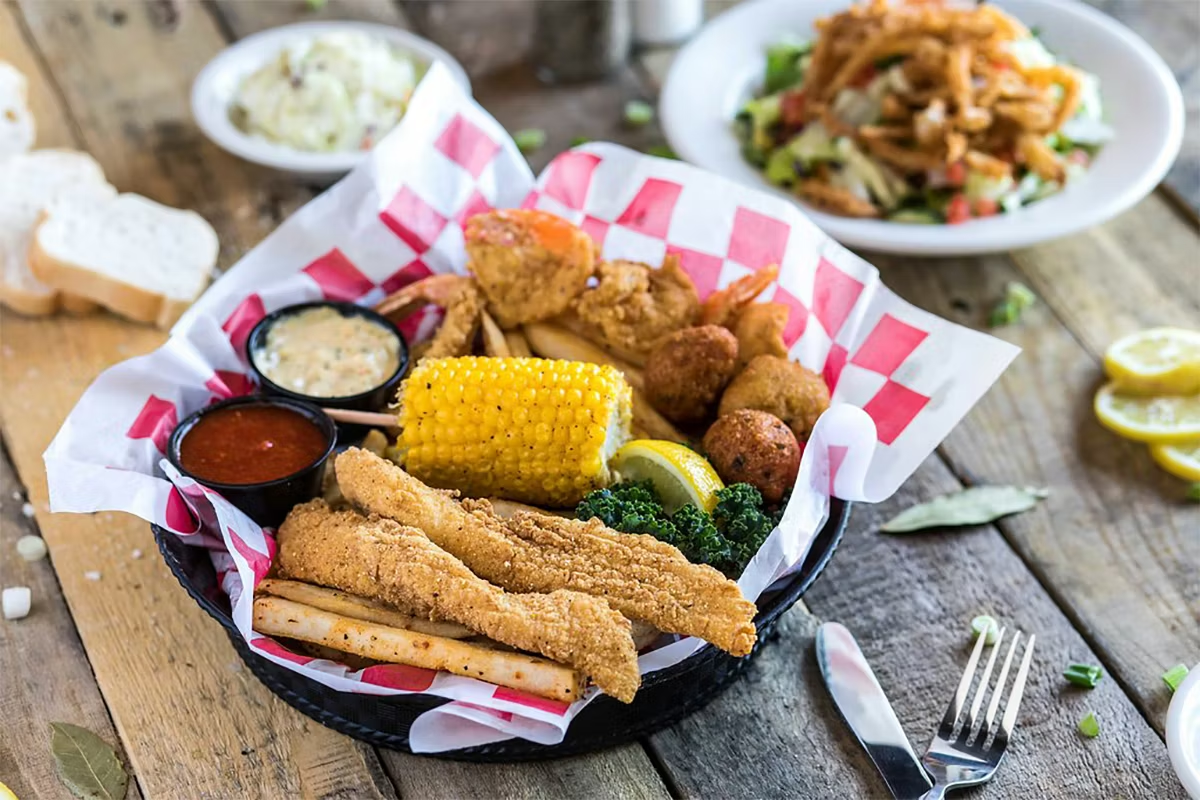
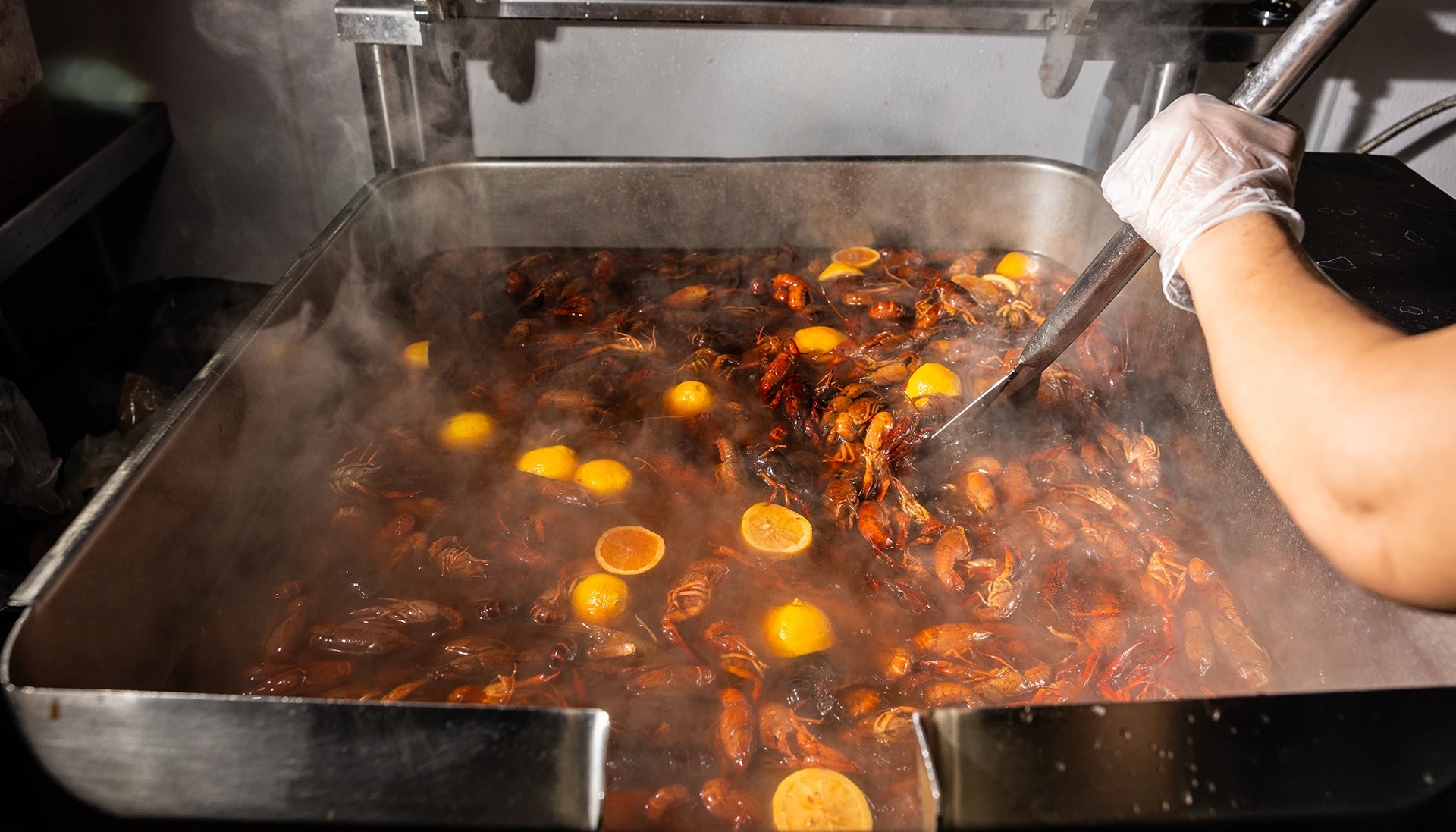
Backyard crawfish boils invite everyone to peel, eat, and laugh outdoors while plates of seafood and rice anchor conversation. Neighborhoods gather around big pots of jambalaya and gumbo at milestones like birthdays, harvests, and impromptu reunions, turning ordinary days into celebration.
Recipes are learned by doing in the kitchens of home cooks and the bustle of a Cajun restaurant alike, and those recipes are passed along so heritage stays alive. The food itself invites participation, creates belonging, and keeps community bonds strong across generations.
Regional and Cultural Influences on Cajun Cuisine
Although rooted in the resourceful cooking of Acadian exiles, Cajun cuisine evolved by absorbing influences from Native American, French, Spanish, African, and Caribbean traditions, creating a food culture that’s both pragmatic and richly layered.
You can taste Indigenous use of local game, seafood, and wild rice in stews and broths. French techniques such as roux, confit, and braising shape texture and depth in many Cajun dishes. Spanish and Caribbean spices introduce boldness to the flavors found in Cajun food, and African contributions bring ingredients like okra and yams along with one-pot sensibilities.
Regional Louisiana variations reflect bayou, prairie, and coastal resources, so gumbo and other seafood specialties differ by parish and harvest. Cultural exchange kept recipes adaptive, encouraging cooks in homes and Cajun restaurants to stretch ingredients, preserve seasonality, and celebrate communal meals that honor history without freezing it in time.
How Cajun Heat and One-Pot Dishes Fit Modern Life
When you want bold flavor without hours in the kitchen, Cajun heat and one-pot cooking fit modern life perfectly. A single pot can capture a smoky roux, the spicy trinity of onion, bell pepper, and celery, and simmered proteins so you achieve restaurant-depth meals with minimal cleanup and time.
Cajun cuisine relies on layers of seasoning and technique rather than long ingredient lists, which makes grocery shopping and prep simpler. One-pot Cajun dishes travel well to work or gatherings, and leftovers often deepen in flavor overnight, saving cooking time during busy weeks.
You can scale recipes for solo meals or family dinners and swap proteins or vegetables to match budgets and diets while still keeping that signature kick. This practicality helps explain why Cajun food and seafood preparations from a Cajun restaurant appeal to contemporary routines and tastes.
Cajun Food Today: Restaurants, Fusion, and Home Cooking
Cajun food has kept pace with changing tastes by appearing everywhere from neighborhood joints to high-end restaurants and home kitchens. You can find Cajun cuisine both preserved in tradition and reimagined through fusion.
Diners often serve classic gumbo, while chef-driven spots pair crawfish with Korean gochujang or use roux-inspired sauces to dress elegant seafood. Home cooks simplify staples with one-pot étouffée, sheet-pan blackened fish, or quick spice blends that liven weeknight meals.
Sustainability and local sourcing increasingly influence Cajun restaurant menus, and cooks from varied backgrounds adapt Cajun techniques to vegetables, grains, and global proteins. Whether dining out or cooking at home, Cajun cuisine remains vibrant, flexible, and deeply satisfying.