Why Cajun Food Fits Texas Dining Culture
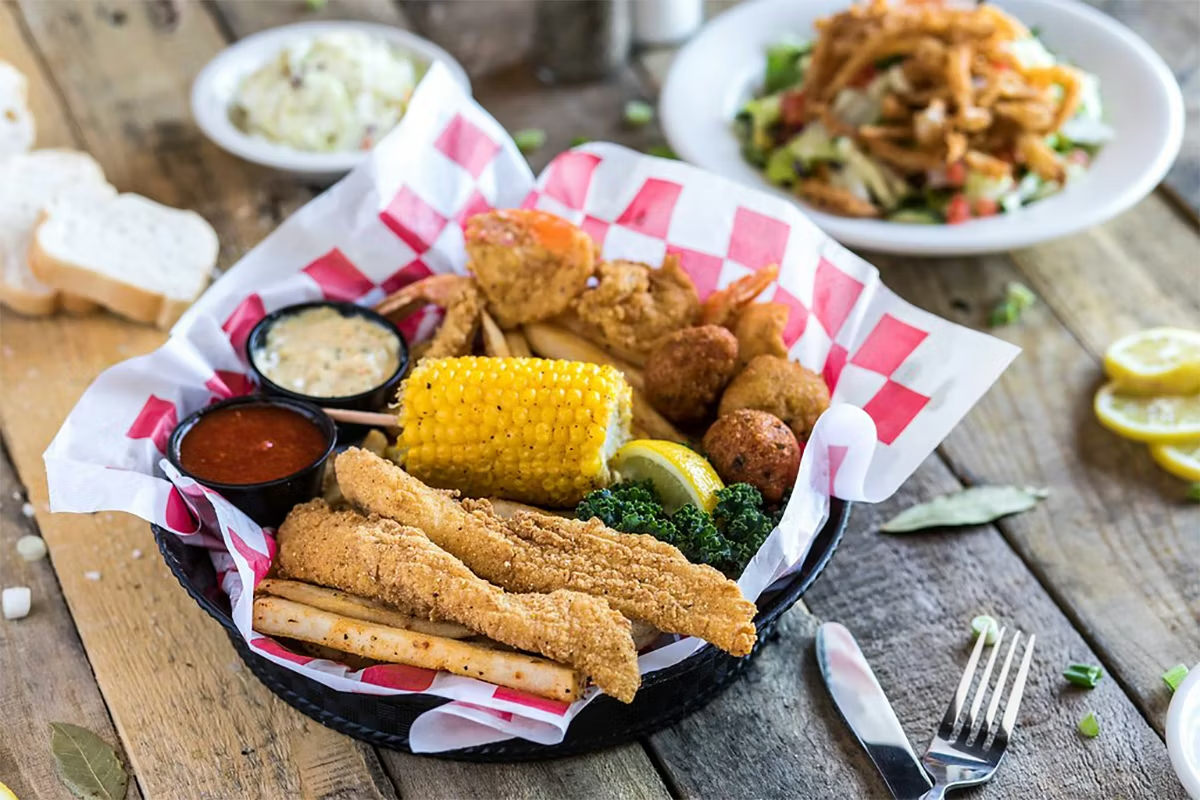
You already live where bold, smoky, and improvisational cooking feels natural, so Cajun food slots right into your table and backyard rituals. With seafood, pork, peppers, and rice often in your pantry, dark roux, spice blends, and long cooks simply amplify what you love. Cajun cuisine draws on geography, shared techniques, and communal meals, which is why the pairing with Texas dining culture feels inevitable. Razzoo’s Cajun Cafe captures that same spirit in a casual, lively setting.
Shared Roots: Cajun and Texas Food Traditions
Though Cajun and Texas cuisines followed different paths, they grew from the same soil of resourcefulness and flavor-driven cooking. You can see that both traditions hinge on making the most of available ingredients—seafood, game, peppers, and staples—turned into bold, comforting dishes.
The shared techniques include slow braises, one-pot meals, and robust seasoning that prioritize depth over fuss. Both foodways value communal eating, where plates are passed and conversations linger, and both celebrate smoke, spice, and umami-rich stocks.
When you dine at a Cajun restaurant or cook Cajun cuisine in Texas, you tap into a pragmatic creativity that improvises with what’s on hand, stretches proteins into feasts, and layers flavor deliberately. That kinship explains why Cajun food fits so naturally into local dining.
How Geography and Migration Linked the Plates
Because waterways and highways funneled people and produce between Louisiana and Texas, the two cuisines traded more than recipes. You’ll find ingredients, techniques, and cooks moving back and forth for generations.
Migration is visible in market stalls where Gulf shrimp sit beside Texas catfish. It appears in roadside joints where a Louisiana cook seasons brisket with bayou sensibility.
Family tables blend rice, corn, and beans into meals that reflect both regions. Seasonal harvests shape menus because sugarcane, rice, and citrus from south Louisiana influence Texas Gulf kitchens.
Cattle drives and ranch supply routes introduced smoked meats and beans into Cajun cuisine. Cross-border kitchens function as living maps of practical, portable foodways shaped by movement, work, and the shared landscape.
Flavor Building Blocks: Roux, Smoke, and Spice
When you bite into a gumbo or taste a smoky brisket seasoned Cajun-style, three elemental techniques do the heavy lifting: a deeply browned roux that thickens and adds nutty depth, slow smoke that layers savory complexity into meats, and a judicious balance of spice—Cajun cayenne, black pepper, and aromatic herbs—that ties everything together.
The roux controls texture and flavor, from silky gumbo to sauce-rich étouffée, and it demands patience. Smoke melds with spice rather than overwhelms it, creating savory echoes across bites and complementing seafood and smoked meats alike.
Precise seasoning of salt, heat, and herbs lets regional ingredients sing and helps Cajun cuisine feel at home on Texas tables and in any Cajun restaurant.
How Seafood, Pork, and Beef Anchor Both Cuisines
Seafood, pork, and beef often form the backbone of both Cajun and Texas cooking, with each protein playing a distinct role.
Gulf shrimp and oysters bring briny brightness to stews and fry platters within Cajun cuisine. Pork provides smoky richness in sausages and pulled preparations, and beef—especially brisket—offers deep, charred umami from long smokes and braises. Cooks lean on those proteins to define meals, as seafood anchors gumbo and boils, pork seasons boudin and ties into smoked links, and beef becomes the centerpiece of pit-style feasts.
You’ll see crossovers, such as shrimp topping smoked brisket or boudin served alongside smoked beef, which show how those staples create familiar, satisfying plates across both traditions.
Local Texas Ingredients That Let Cajun Dishes Thrive
Cajun cooks brought techniques and recipes to Texas, and the state supplies the fresh, robust ingredients that let Cajun cuisine truly sing.
Gulf seafood such as shrimp and oysters arrives daily and makes gumbo and étouffée brighter and more briny. Sun Belt vegetables like Texas tomatoes and sweet corn add seasonal sweetness to jambalaya and salads. Peppers grown in the Hill Country provide smoky heat or fruity warmth for sauces and rubs. Grass-fed beef and pasture-raised pork deepen stews and boudin with richer fat and texture. Local rice mills produce coarser grains that hold up well in one-pot dishes. These ingredients allow Cajun food and Cajun restaurant menus to keep the Cajun spirit while reflecting Texas terroir.
Techniques That Crossed the Border: Smoking, Braising, Stewing
Those Texas ingredients do more than change flavors; they invite different cooking methods that Cajun cooks adapted quickly. Smoking deepens the sweet, grassy notes of Texas-raised brisket and sausage and brings a low-and-slow patience that complements spicy Cajun rubs in a restaurant setting.
Chefs use braising when tougher cuts meet robust seasonings and local stock, turning collagen into silky richness that soaks up bay leaf, thyme, and roux flavors common in Cajun cuisine.
Stewing lets shrimp, okra, and tomatoes marry in a simmering pot, concentrating heat and spice while preserving tender textures in seafood dishes. These techniques often overlap, so smoked proteins can finish in a stew, braised meats can shred into étouffée, and stewed vegetables can become a gumbo base.
The result is layered, soulful dishes that honor both Texas and Cajun culinary traditions.
Communal Eating in Cajun and Texas Culture
Around a long table or beneath a canopy at a boil, communal eating shapes both Cajun and Texas food culture as people pass plates and stories, share spicy rice and smoked meats, and turn meals into social rituals. You join hands-off traditions where food is plated family-style, hands get saucy, and forks are optional, and Cajun cuisine often centers on that tactile, neighborhood sense of dining together.
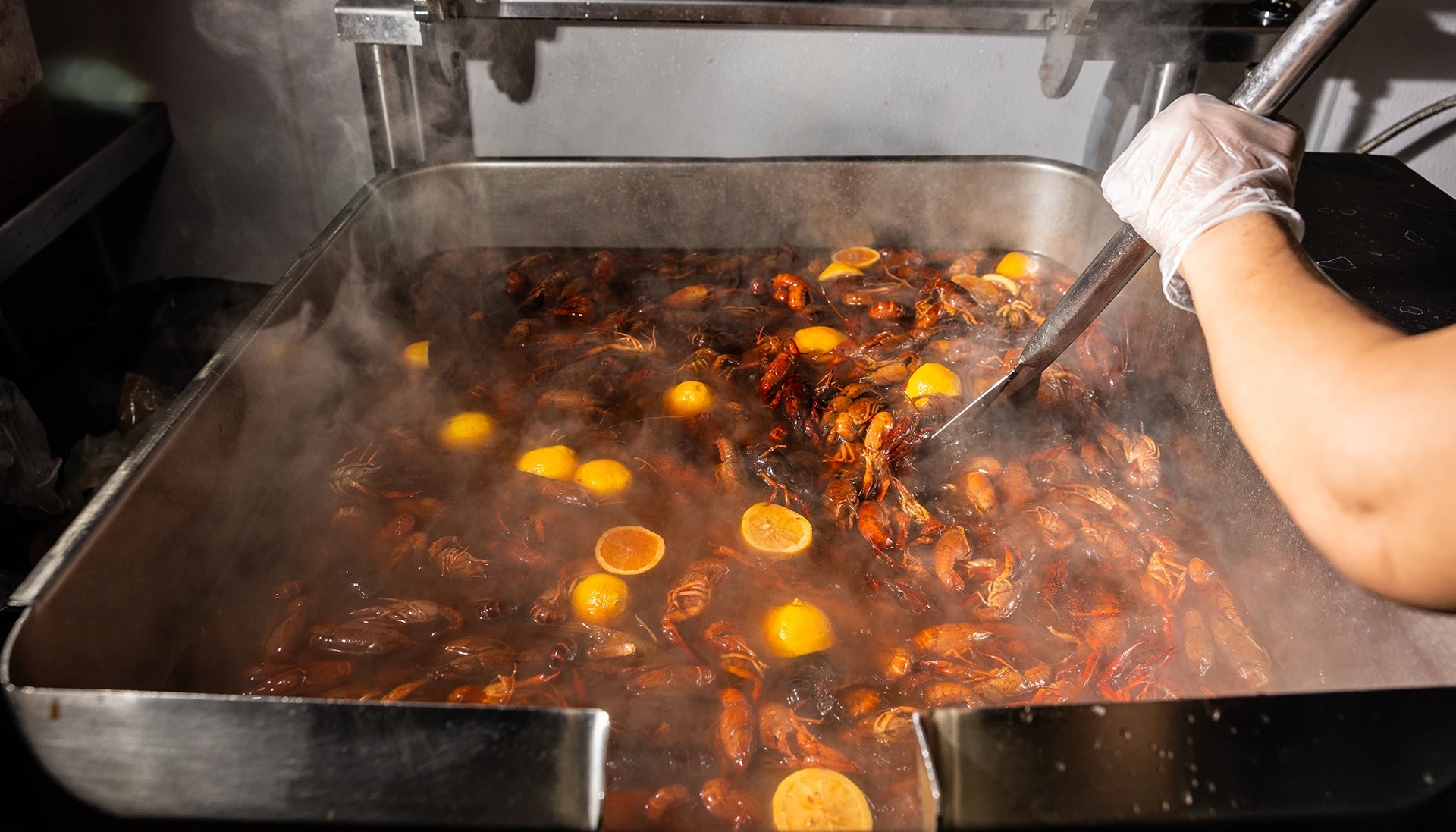
Hospitality rules govern these gatherings: guests are offered seconds, newcomers are welcomed with a ladle or a slab, and conversation runs as hot as the gumbo. Outdoor feasts, potlucks, and backyard barbecues blur host-guest lines while reinforcing identity, transmitting recipes, and making mealtime a collective event rather than a solitary one. The smells of seafood boils and the warm bustle of a Cajun restaurant reflect how food and fellowship are inseparable in these communities.
How Cajun Seasonings Fit Texas Heat and Palates
Cajun seasonings slip comfortably into Texas kitchens because their bold, smoky, and pepper-forward profile matches the state’s preference for assertive flavors and heat. Cayenne and smoked paprika echo the chili heat Texans already enjoy, while garlic, onion powder, and thyme layer savory depth without overwhelming.
The customary holy trinity—bell pepper, onion, and celery—translates easily to Texan staples like poblano or serrano for localized heat and aroma. Black pepper and white pepper add sharpness that stands up to grilled meats and robust sauces.
Cajun cuisine and seafood dishes benefit from blends that balance acidity and umami, brightening tomato-based dishes and stews. Cajun food and the offerings at a Cajun restaurant adapt well to Texas tastes, amplifying familiar flavors without erasing them.
Where to Find Cajun–Texas Fusion (Cities and Roadside Joints)
If you like the punchy heat and smoky notes described earlier, you’ll find plenty of places in Texas where chefs and pitmasters have blended Cajun techniques with local ingredients.
Houston and Austin host upscale Cajun restaurants that pair Gulf shrimp andouille with Texas-smoked brisket, and food halls and gastropubs often rotate Cajun-inspired seafood and fusion specials.
In San Antonio and Corpus Christi, family-run joints serve Cajun-spiced tamales, po’boys stacked with local oysters, and seafood boils accompanied by jalapeño-forward dips.
Roadside trailers and market stalls in small East Texas towns offer fiery gumbo and blackened catfish that combine Cajun cuisine with Southern comfort and Texas-sized portions.
Local reviews and servers’ recommendations help highlight the most authentic mash-ups of Cajun food and Texas flavors.
Bring Cajun Flavors to Your Next Texas Backyard Cookout
Fire up the grill and bring bold, bayou-style heat to your Texas backyard with a handful of simple swaps and smoky techniques that make Cajun flavors sing alongside local favorites.
A dry rub made from paprika, cayenne, garlic, onion, thyme, and oregano complements chicken, shrimp, or sausages and deepens the profile of classic Cajun cuisine.
Charred corn brushed with butter and lemon and finished with a sprinkle of Creole seasoning echoes the smoky-sweet sides found in many a Cajun restaurant.
For a centerpiece that showcases seafood, grill a whole fish stuffed with lemon and parsley and finish it with a spicy butter drizzle to highlight the briny flavors.
Serve smoky red beans slow-simmered with smoked sausage alongside pickled okra or a crisp cucumber salad to add brightness and balance to the plate.
Cold beer, sweet tea, or a spicy margarita make fitting beverages to pair with this celebration of Cajun food.