What to Know Before Ordering Oysters at a Cajun Restaurant
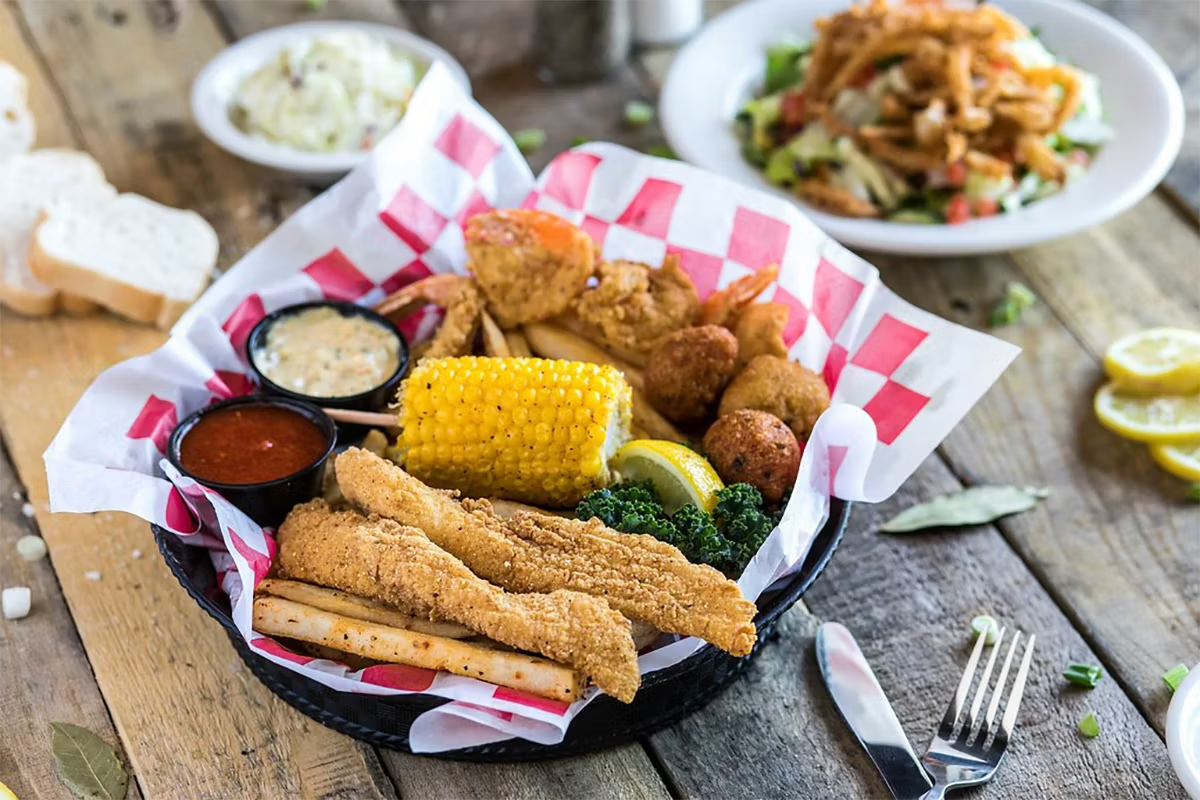
Before you order oysters at a Cajun spot, learn the common styles—raw, charbroiled, Rockefeller, or fried—and plan to taste the oyster’s briny base before adding heavy sauces. Check for fresh-smelling, closed shells and ask for condiments on the side so you can control flavors in your Cajun cuisine experience. Choose one or two preparations or order a sampler to compare textures and seasonings when enjoying seafood in a lively Cajun food setting. Razzoo’s Cajun Cafe often highlights these different oyster preparations alongside other classic Cajun dishes. There are safety and portion considerations to keep in mind because size and serving style will change how you plan the rest of your meal.
Starter Picks for Cajun Oysters
When you’re new to Cajun oysters, start with the classics such as raw on the half shell, chargrilled with garlic butter, or Rockefeller-style with herbs and breadcrumbs. Choose one or two preparations so you can taste the oyster itself before adding spice. Try a light mignonette or a few dashes of Creole hot sauce rather than burying the delicate flavor of the oyster.
If you like smoky notes, select chargrilled or smoked oyster dishes from a Cajun restaurant menu. If you prefer brightness, order ceviche-style oysters or oysters with a citrusy dressing within Cajun cuisine. Fried oysters provide a great bridge for uncertain palates because their crispy exterior and tender interior pair well with a range of sauces and seafood flavors.
Sharing a sampler platter at a Cajun food spot allows you to compare textures and seasoning without committing to a single style.
Where Louisiana Oysters Come From : And How to Judge Freshness
Because Louisiana’s oysters come from a mix of coastal bays, estuaries, and managed reefs, regional differences in size, salinity, and flavor reflect where they’re harvested. When dining at a Cajun restaurant or enjoying Cajun cuisine at home, ask where the oysters were sourced, since Barataria oysters tend to be briny and plump while Lake Pontchartrain specimens can be milder.
Freshness is evident in smell and shell, and the oysters should smell clean, like the sea rather than fishy. Closed shells indicate live oysters, and cracked or gaping shells are undesirable.
On the plate, the liquor, which is the oyster’s natural juice, should be clear rather than cloudy. Look for a firm texture and bright color, because dull, slimy, or off-colored oysters can signal poor quality.
Trustworthy shippers and recent local harvest dates are important when selecting seafood for Cajun food preparations.
How Oysters Are Served: Raw, Fried, Charbroiled, Rockefeller
In Louisiana, oysters are commonly offered four main ways—raw, fried, charbroiled, and Rockefeller—each preparation highlighting different textures and flavors so diners can choose what suits their taste.
Raw oysters on the half shell showcase pure brine and a silky bite and are often accompanied by lemon, mignonette, or hot sauce to add brightness and heat.
Fried oysters are breaded or battered and present a crisp exterior with a tender interior; they pair well with remoulade or appear in a po’boy within classic Cajun cuisine or at a Cajun restaurant.
Charbroiled oysters arrive bubbling with butter, garlic, and sometimes cheese, gaining a smoky finish from the grill that complements the Gulf seafood profile.
Oysters Rockefeller is a baked, indulgent preparation topped with greens, breadcrumbs, butter, and herbs for a richer, more complex flavor.
Cajun Preparations and How They Change Flavor
Cajun cuisine relies on bold seasoning and straightforward heat, and it transforms oysters in ways you notice immediately.
Chargrilling imparts smoke and creates a crust of spiced butter that amplifies sweetness while masking brine.
Frying produces a crisp exterior and a toasty cornmeal note while keeping the oyster interior tender.
Baking with a peppery breadcrumb or andouille topping alters the texture and introduces a savory, sausage-like depth.
Po’boy-style preparations coat oysters so they become handheld flavor bombs that mingle tangy remoulade and pickles with crisp batter.
Blackened oysters develop intense, charred spice that reduces raw salinity and highlights fat.
Even simple compound butters—garlic, lemon, and parsley—brighten oysters without overwhelming them.
Diners in a Cajun restaurant or lovers of seafood can use these flavor changes to choose the preparation that best matches the balance they want.
Ordering Tips & Safety (Portions, Sauces, Allergies)
When you order at a Cajun restaurant, think about portions and accompaniments so you receive a satisfying meal without waste. Oysters commonly come by the half-dozen or dozen, and fried or charred options can fill you faster than raw preparations. Sharing plates lets you try multiple preparations and sample the breadth of Cajun cuisine and seafood offerings.
Ask your server about portion size, cooking method, and the typical hunger level each preparation is meant to satisfy. For sauces, request small sides to taste before committing, because mignonette, lemon, remoulade, and hot sauces can change the flavor profile dramatically.
If you have shellfish allergies, tell the staff immediately because cross-contact risks are real in busy kitchens. Pregnant people, young children, and immunocompromised diners should avoid raw oysters. Finally, inspect temperature and smell, and if something seems off, have the item replaced.