The Growing Love for Cajun Food Across Texas
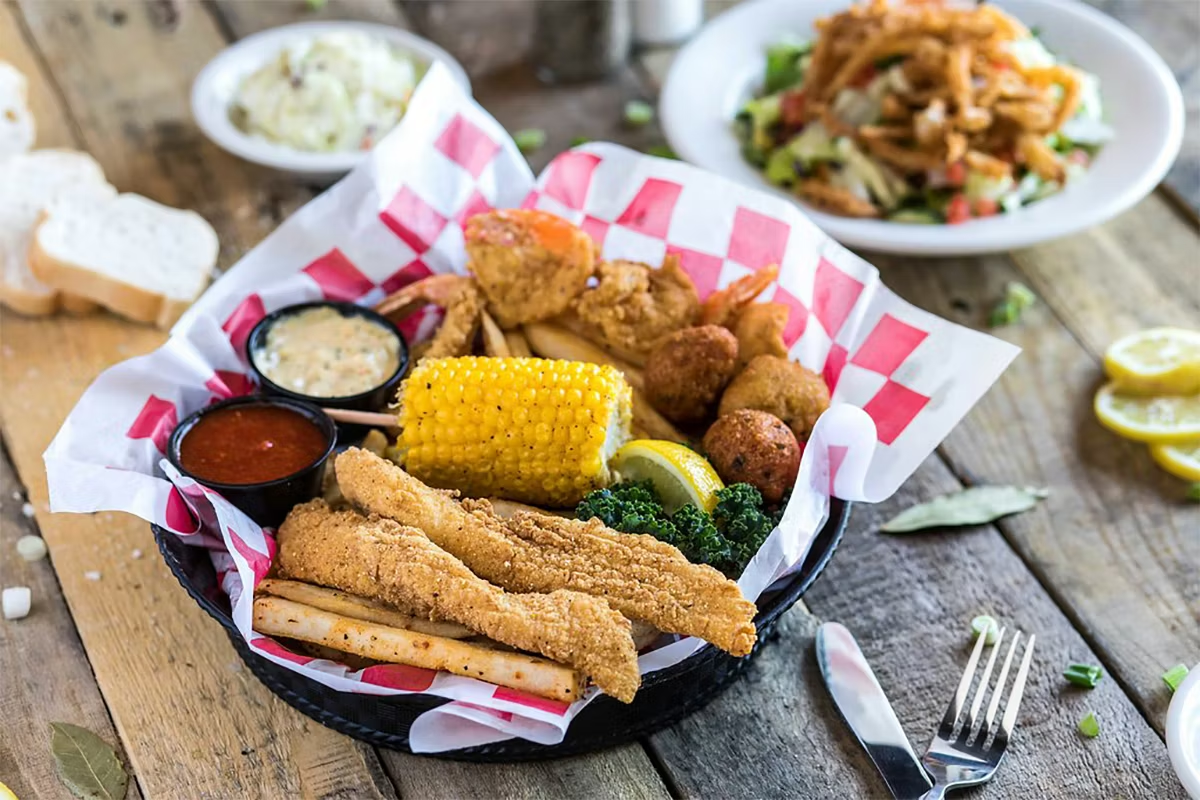
You’ve probably noticed Cajun flavors popping up everywhere from food trucks to fine dining, and Cajun cuisine now shares plates with Texas traditions. You’ll find smoky andouille, rich roux, and spicy shrimp paired with Texas brisket and local chiles for a bold but approachable kind of comfort food. The seafood and hearty ingredients are made for gatherings and late-night cravings, and the Lone Star makeover brings new twists to classic Cajun dishes. Razzoo’s Cajun Cafe is one place people mention when they talk about those bold Cajun flavors.
Why Texans Love Cajun Food
Texans often crave Cajun food because it strikes a balance between bold spice and straightforward comfort.
Smoky Andouille, rich gumbo, and perfectly seasoned shrimp illustrate the flavors that appeal across the state. The flavors match Texas tastes: gritty, smoky, and unapologetically savory.
People connect with dishes that don’t hide behind pretension, as they’re hearty, shareable, and built for gatherings after a long day. Many appreciate techniques in Cajun cuisine that celebrate char and simmer, where a roux or a slow-smoked protein becomes central to a dish.
Cajun restaurants showcase food that’s adaptable and that fuels work, fuels celebration, and satisfies on weeknights. Beyond flavor, Cajun cuisine carries a cultural warmth that invites people to a communal table where boldness and comfort meet.
How Cajun Classics Get a Texas Twist
Those same smoky, no-nonsense flavors of Cajun cuisine are reworked through Texas ingredients and cooking methods. Gumbo can arrive wearing a brisket-smoked halo, and jambalaya often cooks with spicy sausage from a local pitmaster.
Roux-based stews incorporate smoked beef, local chiles, and corn for texture, while blackened fish receives seasoning blends that nod to both bayou and barbecue. Shrimp po’boys sit on bolillo rolls baked by Texas bakers, and étouffée is dressed with poblano and charred onions.
Chefs at Cajun restaurants swap and layer techniques—low-and-slow smoking, direct-fire searing, and pickling—to amplify depth without losing Cajun soul. The result is bold, balanced seafood and Cajun dishes that honor tradition while reflecting Texas terroir and grilling culture.
Best Cajun Spots in Texas Cities
Ready to dig in when you visit Texas cities, where standout Cajun spots marry bold flavors with local flair.
In Houston you can find Cajun restaurants where gumbo simmers all day and the spice level is just right.
Dallas offers lively joints serving charred seafood and generous po’boys that showcase classic Cajun cuisine.
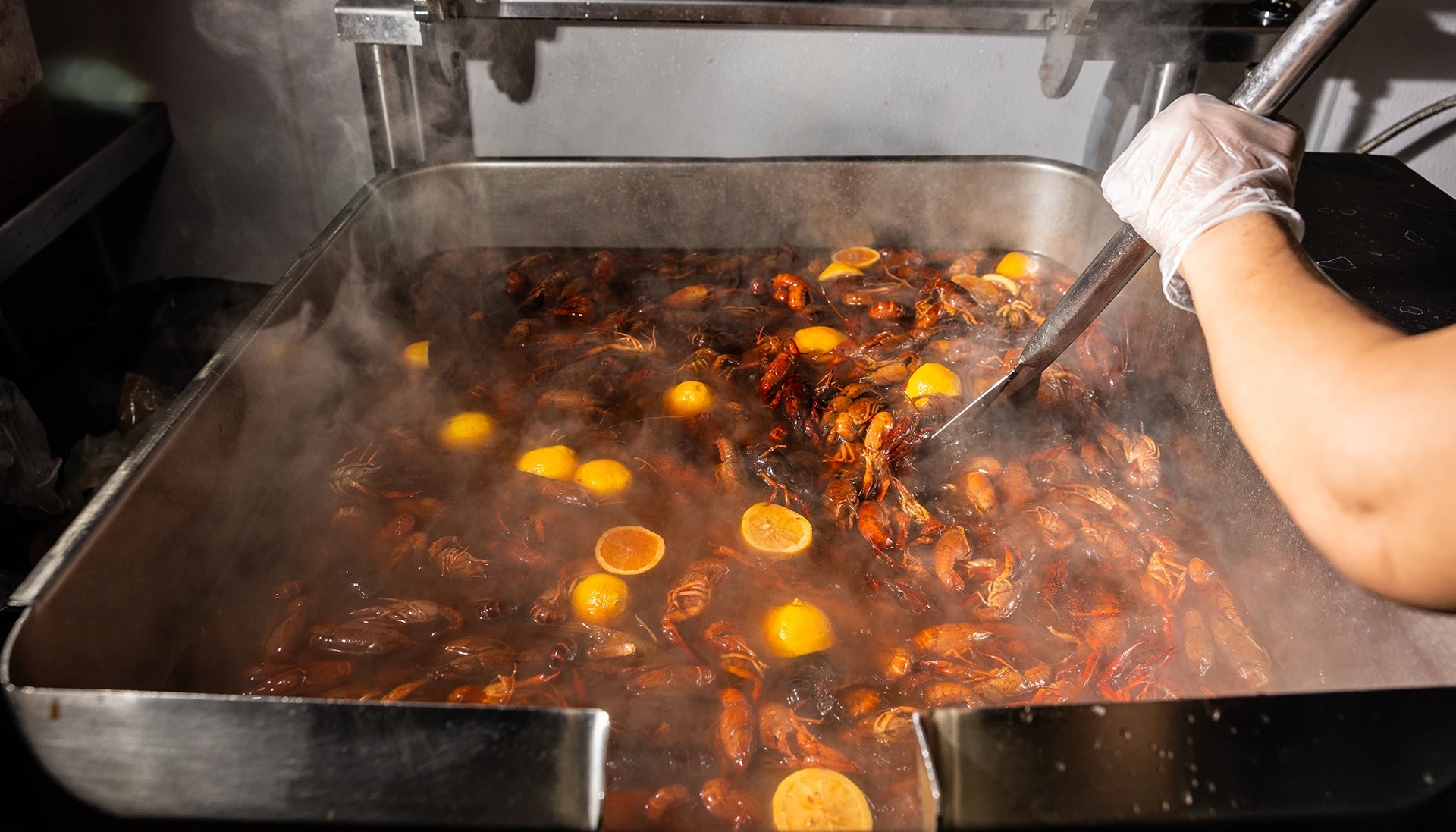
Austin’s scene mixes upscale Creole dinners with relaxed crawfish boils that feel communal and celebrate Cajun food traditions.
San Antonio hosts family-run kitchens where bread pudding follows rich étouffée in cozy dining rooms.
In smaller cities like Galveston or Beaumont, harbor-side shacks and neighborhood diners deliver fresh shrimp and perfectly seasoned rice as part of their seafood-focused menus.
Wherever you go, prioritize Cajun restaurants with busy crowds, scratch-made sauces, and cooks who respect technique, and you’ll leave satisfied and plotting your next Cajun stop.
How Food Trucks and Pop-Ups Spread Cajun in Texas
Beyond brick-and-mortar restaurants, food trucks and pop-ups have become the mobile ambassadors of Cajun cooking across Texas, bringing bold gumbo, charred seafood, and crawfish boils to festivals, farmers markets, and parking lots. You can follow social feeds to find where a trailer parks, and that immediacy turns routines into culinary adventures.
Operators test creative riffs—smoky andouille tacos and shrimp po’boy sliders among them—and diners get fresh, affordable bites without a reservation. Pop-ups allow chefs to collaborate, teaching crews authentic techniques while adapting Cajun cuisine to local tastes.
Patrons taste regional fusion, meet the makers, and spread the word about Cajun food. Because these vendors move, Cajun flavors reach suburbs and college towns quickly, building demand that later supports established Cajun restaurants and keeps the cuisine vibrant statewide.
Easy Cajun Recipes for Your Texas Kitchen
Bring bold Cajun flavors into your Texas kitchen with simple, time-friendly recipes that don’t sacrifice authenticity.
You can master a spicy shrimp étouffée using pantry staples such as onion, celery, bell pepper, garlic, tomato paste, stock, and a quick roux.
A one-pot Cajun chicken and rice pairs browned, seasoned thighs with a sautéed holy trinity before deglazing and simmering rice in stock until tender.
For weeknights, blackened seasoning on catfish or tofu creates a fast, smoky seafood or vegetarian option that works well for busy evenings.
A zesty remoulade made from mayonnaise, mustard, capers, and hot sauce brightens fried items and complements the flavors of Cajun cuisine.
Finish a meal with a simple bread pudding spiked with bourbon and pecans to add a sweet, Southern touch that recalls the desserts served at many Cajun restaurants.
Cajun–Texan Fusion Dishes to Try (Brisket, Gulf Shrimp)
After you master weeknight staples and a hearty étouffée, blend Louisiana spice with Texas barbecue to create something memorable. Rub brisket with cayenne, smoked paprika, garlic, and thyme, then slow-smoke it until a deep bark forms and the interior remains moist. Slice the brisket and serve it over dirty rice or tuck it into bolillo rolls with pickled onions for a Cajun-inspired brisket po’boy that bridges Cajun cuisine and Texas smoke.
For Gulf shrimp, char or sauté the seafood in a brown butter and lemon sauce spiked with creole seasoning, then fold the shrimp into grilled corn succotash or spoon them atop jalapeño-cheddar grits. These dishes balance smoky, spicy, and briny elements while highlighting regional proteins and flavors familiar from Cajun food and many a Cajun restaurant.
Trends Shaping the Future of Cajun Food in Texas
As Texas chefs continue to experiment, Cajun food in the state is evolving through cross-regional mashups, ingredient sourcing, and tech-driven service models. Local smokehouses and seafood shacks are adopting Creole spice profiles while farmers and fishers supply fresher, more sustainable produce and Gulf catch. Menus are shifting toward seasonality and traceability, with labels that indicate farm or boat origin.
Leaner operations are using online ordering, ghost kitchens, and delivery platforms to reach wider audiences. Chefs are creating plant-forward riffs on Cajun cuisine classics, offering vegetable gumbo or jackfruit étouffée alongside shrimp and sausage. Elevated casual Cajun restaurants are pairing bold flavors with Texas hospitality, and collaborative pop-ups are testing bold combinations before those dishes reach full menus.