The Difference Between Cajun Food and Cajun-Inspired Food
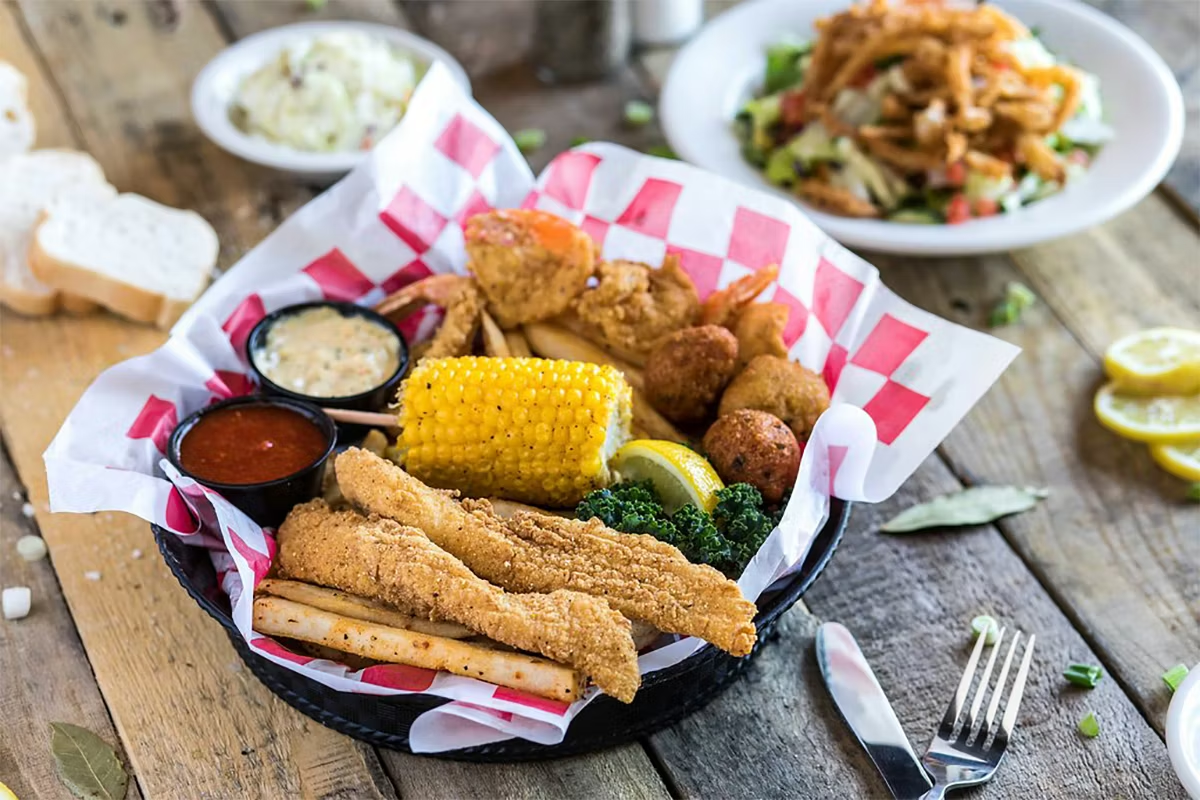
You’ll notice a familiar spice and comfort in both Cajun and Cajun‑inspired dishes, but they are not the same thing. True Cajun cuisine grows from Louisiana’s people, places, and slow techniques such as roux, stock, and smothering. Cajun-inspired versions borrow those flavors but often shortcut methods or swap ingredients, and you can taste the difference in a seafood gumbo or a simple chicken and sausage plate. The flavors really come from the traditions and cooking methods that developed in the bayous and kitchens of Cajun communities, and that heritage is what makes dishes authentic rather than merely influenced. Razzoo’s Cajun Cafe serves interpretations that highlight those familiar spices, showing how inspiration and tradition can overlap.
Cajun vs Cajun‑Inspired: Quick Answer
Although both use similar spices and flavors, Cajun food is a regional cuisine rooted in Louisiana’s Acadian culture, while Cajun‑inspired dishes borrow those elements without the same traditions or cooking methods.
True Cajun cooking relies on simple techniques — roux, trinity, and slow simmering — that build depth from basic pantry items.
Cajun restaurants and home cooks often emphasize local proteins and seasonal produce, following time‑honored orders of preparation to achieve characteristic textures and balance.
Cajun‑inspired plates frequently shortcut those steps by using pre‑mixed seasonings, faster methods, or fusion ingredients, so they mimic the taste of Cajun cuisine and seafood dishes without the same texture or balance.
When presented in restaurant or casual settings, Cajun‑inspired options offer familiar flavors in more convenient or inventive forms rather than strict authenticity.
How Regional History Shapes True Cajun Food
Understanding the difference between authentic Cajun cooking and Cajun‑inspired dishes helps you appreciate why regional history matters. True Cajun food grew out of a specific people, place, and set of hardships that shaped what and how they cooked.
You’ll notice that many dishes were born from necessity because Acadian exile, swamp living, and limited supplies forced resourcefulness. Preservation techniques, one‑pot cooking, and a focus on seasonality are tied to the landscape and labor rhythms of the region.
Local customs, family gatherings, and Catholic feast days guided Cajun cuisine and the portions served, so meals reinforced community bonds. When you eat Cajun food or seafood prepared in the true tradition, you’re tasting adaptation to environment and history rather than a passing culinary trend. That historical context explains why authenticity resists simple imitation.
Core Cajun Ingredients
Start with the holy trinity of onion, bell pepper, and celery, which creates the flavor base that makes Cajun cooking instantly recognizable. That trio provides depth, and it’s often joined by garlic, scallions, and parsley to add freshness to Cajun cuisine.
Staple proteins in Cajun food include andouille sausage, chicken, crawfish, shrimp, and catfish, and each of these brings authentic regional taste to seafood dishes and hearty meals alike. Rice is essential in many Cajun restaurant dishes as a starch carrier, and potatoes appear in some stews. Tomatoes appear in many preparations, though they aren’t present in every recipe.
Stock or broth, preferably homemade, amplifies richness in both gumbo and other Cajun soups. Spices in Cajun cuisine are straightforward—cayenne, black pepper, paprika, thyme, and bay leaf—and they’re used boldly but precisely. Finally, okra and filé powder offer texture and thickening, helping to define the mouthfeel of classic Cajun seafood and stew preparations.
Classic Cajun Techniques and Methods
Cajun cooking brings those ingredients alive through a handful of time-honored techniques that define the cuisine. The holy trinity—onion, bell pepper, and celery—forms a savory base when it’s sweated slowly.
Proteins and vegetables are often browned to develop deep flavor before pans are deglazed with stock or wine. Roux is central to many Cajun dishes, with flour and fat cooked until they reach a desired color, from blond to dark brown, so that sauces and gravy are properly tethered.
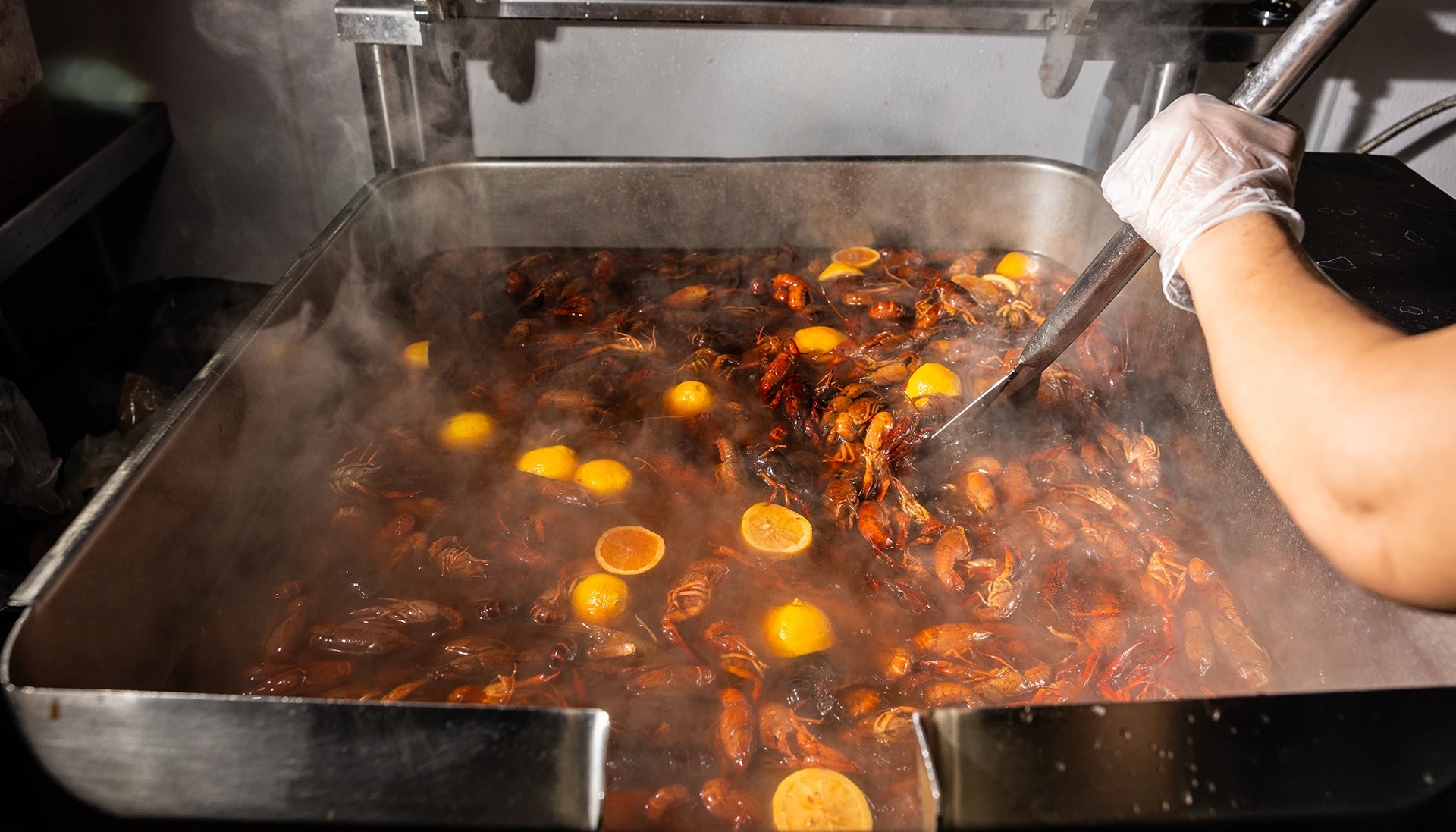
Smothering allows tougher cuts to become tender when cooked in low, steady heat. Boiling is commonly used for seafood boils, while simmering is the method for gumbos and étouffées.
Smoking or blackening imparts intense char and spice to meats and fish. Timing and patience shape the authentic texture and balance of Cajun food served in a Cajun restaurant or prepared at home.
How Cajun‑Inspired Recipes Borrow and Alter Flavors
Cajun-inspired recipes borrow hallmarks of Cajun food—like the holy trinity, roux, and bold spice blends—so they keep the cuisine’s backbone while tweaking textures, heat, or ingredients to suit other tastes or constraints.
Chefs often tone down spice intensity, swap long-simmered stocks for quicker broths, or use lighter fats to make dishes feel less heavy while preserving savory depth in seafood stews and other Cajun dishes.
Cross-cultural pairings are common, with Cajun seasoning appearing on grilled vegetables, roux-thickened sauces served over pasta, or smoked paprika replacing traditional cayenne to introduce a different smokiness.
These choices respect the flavor architecture of Cajun cuisine but alter balance, mouthfeel, and aroma so dishes fit dietary needs, faster prep, or local palates.
The result is a familiar Cajun character that’s reshaped for broader kitchens and modern restaurant menus.
Common Substitutions in Cajun‑Inspired Dishes
When adapting Cajun recipes, cooks commonly swap hard-to-find or time-intensive ingredients for practical substitutes that keep the core flavors intact. Quicker stocks often stand in for long-simmered reductions to save time while maintaining depth. Smoked paprika or chipotle can replace cayenne to provide heat with a different smoky note. Olive or canola oil is sometimes used in place of lard or butter to lighten the dish. Andouille-style smoked sausage is frequently used when authentic andouille isn’t available, and shrimp can be substituted for crawfish in étouffée.
Bell peppers, onions, and celery remain central to Cajun cuisine, but frozen mirepoix is a convenient alternative. Low-sodium broth combined with a dash of Worcestershire can serve as a replacement for more complex bone stocks. For thickening, a quick roux made with flour often works instead of a slow brown roux, preserving texture without the long watch required by traditional methods.
When Cajun Homage Crosses Into Cultural Misrepresentation
When people borrow Cajun elements without understanding their history or context, praise can quickly become appropriation that flattens a rich culture into a mere menu trope.
Erasing the lived experience behind Cajun food happens when recipes are stripped of their communal, seasonal, and resourceful origins and then rebranded as trendy or exotic.
Credit should be given to sources, proper techniques should be learned, and the people who kept Cajun cuisine and seafood traditions alive should be acknowledged.
Caricatured language, stereotypes, and decorative motifs reduce complex identities to costume and have no place on a Cajun restaurant menu or in its marketing.
When someone profits from a culture they don’t belong to, they must consider whether communities benefit or are sidelined.
Respectful homage requires collaboration, transparency about inspiration, and humility, while misrepresentation ignores those responsibilities.
Spotting Real Cajun on Menus and Product Labels
Look for specificity rather than vague nods to "Cajun flavor," because genuine Cajun dishes and products name ingredients such as filé, andouille, tasso, or the holy trinity of onion, celery, and bell pepper.
Authentic Cajun cuisine often cites regional sources or references traditional preparations like smothering, roux, or boiling. When you scan a menu or a product label, favor items that list technique and origin, for example "smothered pork, Acadiana recipe" or "dark roux gumbo."
Be wary of generic terms such as "Cajun spices" when no breakdown of the spice blend is provided. French or Louisiana place names, producer information, and local sourcing can indicate a real connection to Cajun cooking rather than marketing copy.
Ingredient order matters in Cajun recipes, and authentic preparations prioritize stock, roux, and aromatics over heavy prepackaged sauces. Products that hide sodium-laden mixes or artificial flavors tend to be inspired by Cajun seafood and Cajun restaurant fare rather than truly traditional.
Cook Authentic Cajun at Home : Or Adapt It Tastefully
Treat Cajun cooking as a set of techniques and principles rather than a fixed recipe box. You can learn the rhythms of roux-making, stock-building, and the holy trinity and then apply them exactly or scale them to what you have on hand. When you want authenticity, follow traditional steps: brown a dark roux slowly, sweat onions, celery, and bell pepper, and simmer bones or shrimp shells for stock. Respect seasoning balances so that the flavors of Cajun cuisine and seafood shine without being overwhelmed. If you need to adapt, preserve technique while swapping ingredients thoughtfully by using smoked paprika if you lack andouille or by choosing mushrooms for a vegetarian jambalaya base. Taste as you go and adjust salt and heat to let the fundamentals of Cajun food lead the dish. That approach lets your home cooking honor Cajun roots while fitting your pantry and making it suitable for a casual dinner or a meal inspired by a Cajun restaurant.