How to Know If a Restaurant Takes Fried Catfish Seriously
If you care about fried catfish, you’ll notice small but telling details the moment you sit down and those details often show a kitchen that respects Cajun cuisine. You’ll notice whether the kitchen uses whole-tail fillets instead of frozen nuggets, and whether the dredge is seasoned and dry-set rather than a soggy batter. You’ll also pick up on how confident the staff sounds when they describe the seafood, because confidence usually points to consistent technique and thoughtful sourcing. Those clues point to technique, sourcing, and pride, and there are other subtle signs that separate a casual fryer from someone who really knows the dish, whether you’re eating traditional Cajun food or a regional take. I’ve even heard people compare spots to Razzoo’s Cajun Cafe when they’re talking about fried catfish done the way it should be.
5 Quick Signs a Place Cares About Fried Catfish
Often you can spot the difference within minutes: a kitchen that cares about fried catfish keeps a clean, hot skillet and uses fresh fillets or whole-tail pieces rather than frozen nuggets.
The menu offers a short, precise description of the catfish, reflecting attention to Cajun cuisine and seafood, instead of vague “seafood” filler.
Servers can describe cooking times and the available sides, showing familiarity with Cajun food and preparation.
The service is steady and the fish arrives crisp, flaky, and not greasy.
The smell is clean and fresh, not heavy with old oil or stale batter.
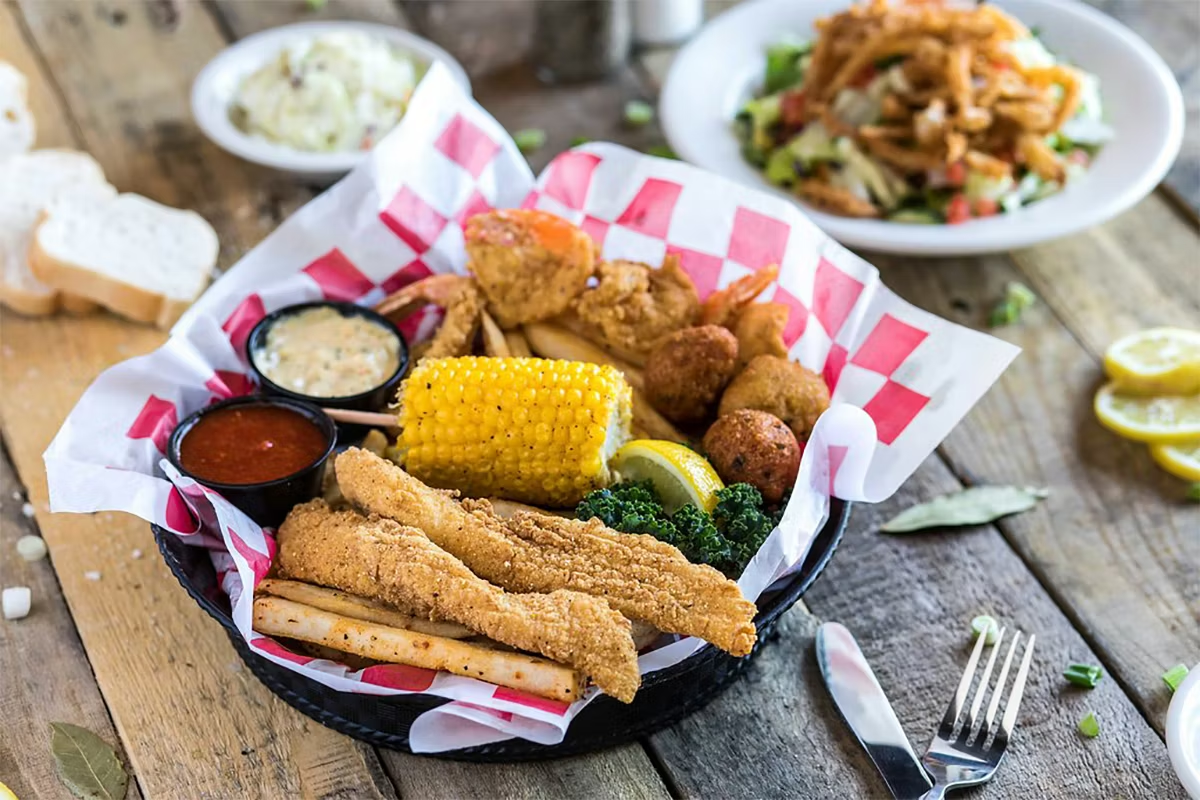
Plates come with simple, complementary sides and a squeeze of lemon rather than being overwhelmed by sauces.
The dining area and any visible prep space look tidy, and staff who welcome questions about spice level or batter demonstrate that they take the dish seriously.
Sourcing and Fish Selection for Fried Catfish
When a place takes fried catfish seriously, it begins with the fish, using fresh, locally sourced fillets or whole-tail pieces that show clean flesh and a mild, briny smell rather than the metallic or strong "fishy" odor of older or low-quality catch.
Cajun restaurants and seafood-focused kitchens often name their suppliers or cite nearby waters to demonstrate transparency and a commitment to traceability and sustainable harvests.
Consistent thickness in portions is important because uniform cuts cook evenly and deliver the texture expected in authentic Cajun cuisine.
Whole-tail offerings are common when chefs want ideal texture in their fried catfish.
Frozen, pre-battered blocks frequently signal shortcuts, so diners should ask whether fish arrives fresh daily or is flash-frozen immediately after harvest.
Good Cajun food venues also adjust menus for seasonal availability, reflecting local runs rather than forcing out-of-season product.
Batter, Seasoning, and Prep for Crisp, Flaky Fillets
If you want crisp, flaky catfish, treat the preparation like part science and part ritual.
Dry the fillets thoroughly so the coating will stick and fry cleanly.
Salt the fish early to allow the flesh to absorb flavor, and balance that seasoning with a touch of sugar or smoked paprika.
Use a seasoned cornmeal dredge or a flour-cornmeal mix to achieve the classic, slightly gritty exterior associated with Cajun cuisine and seafood cooking.
Add cayenne or black pepper to the dredge for warming heat that evokes Cajun food.
If you prefer a batter, keep it thin and cold and avoid overworking it.
Rest the coated fillets briefly on a rack to set the crust before frying in oil.
Frying Method for Great Fried Catfish (Oil, Temp, Timing)
Frying requires as much control as it does heat, so choose a neutral oil with a high smoke point such as peanut, canola, or refined sunflower and heat it to a steady 350–375°F before adding catfish fillets.
Pat the fish dry and dredge or batter it according to your preferred Cajun cuisine flavors so the coating adheres evenly.
Don’t overcrowd the pan because each piece needs room to prevent the oil temperature from dropping and to allow a crisp crust to form.
Use a thermometer and adjust the burner to hold the 350–375°F range since oil that’s too hot will burn the crust while oil that’s too cool will make the fish greasy.
Fry the fillets in batches, turning them once when the edges brown, and expect about 3–5 minutes per side depending on fillet thickness in a typical seafood preparation.
When the catfish is done, transfer the pieces to a rack over a sheet pan to keep the coating crisp instead of letting it steam.
Rest the fish briefly and serve immediately so the texture and temperature match what diners expect at a Cajun restaurant.
Sides, Sauces, and Staff Signals That Prove Expertise
Great fried catfish stands on its own, but what the kitchen plates with it reveals how seriously a Cajun restaurant takes the dish. You want crisp, simple sides such as slaw with bright acidity, well-seasoned fries or hushpuppies that show care, and a cornbread that isn’t soggy.
Sauces should complement the fish rather than mask it, and a tangy remoulade, a clean hot sauce, and a lemon wedge signal balance within Cajun cuisine and seafood preparations. Watch staff interactions for clues about expertise, as servers who can describe preparation, recommend pairings, or explain sourcing show investment in the menu.
Line cooks who plate consistently and a visible blast of steam or an oil sheen on the fish indicate proper technique, and staff who correct mistakes quickly while treating the catfish as a menu highlight demonstrate that the dish matters.