Lunch Specials That Make You Want to Come Back for Dinner
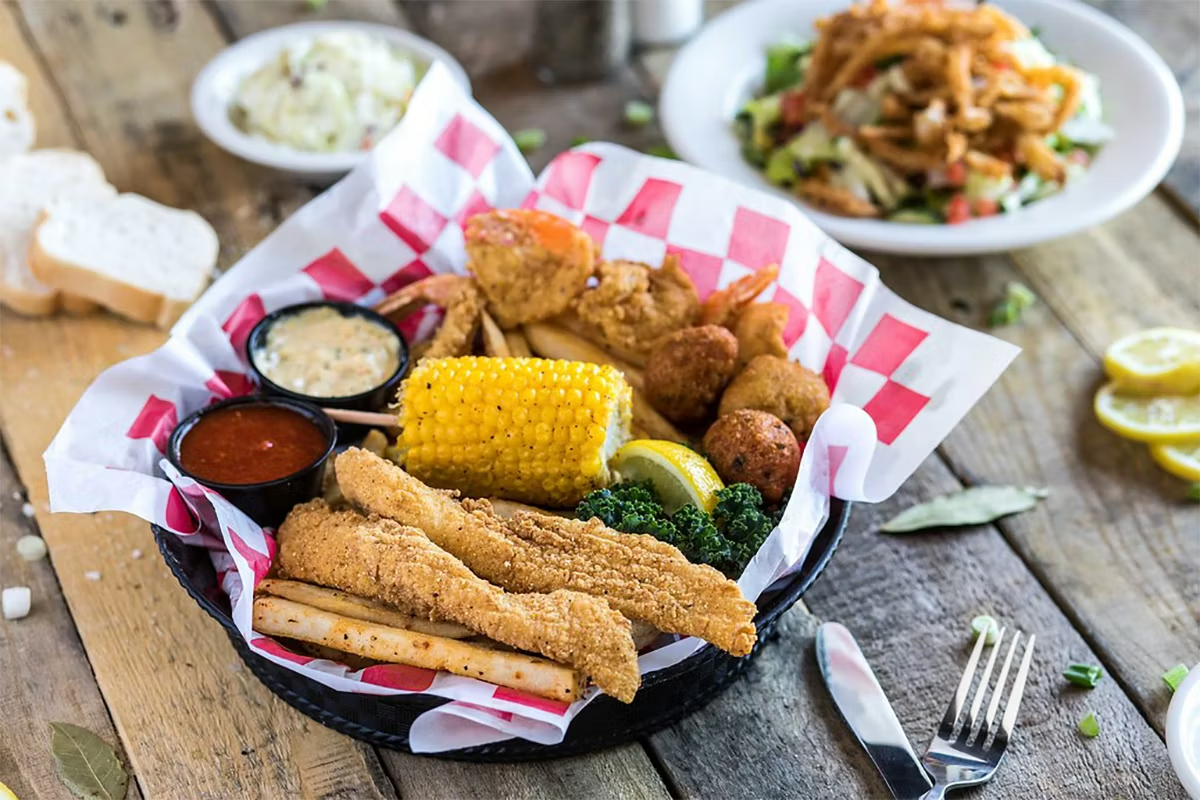
If a lunch special shows confident sourcing, clear technique, and portions that respect pacing over gimmicks, you can tell the kitchen is dinner-worthy. When the menu names farms or fishmongers, highlights Cajun food or other seafood, and presents composed plates or generous shared bowls, the meal feels like it was planned with care. Rotating items that seem thoughtful rather than thrown together suggest the team knows how to scale up for evening service. I always notice when a place does Cajun cuisine well, and Razzoo’s Cajun Cafe is a good example of how lunch can preview a strong dinner menu.
Quick Checklist: How Lunch Specials Predict Dinner Quality
Scanning the lunch menu reveals clues about what dinner service will be like, including ingredient quality, portion care, and how the kitchen handles timing under pressure.
When the menu mentions fresh produce, specific proteins, or seasonal notes, it suggests good suppliers and careful attention, whether the dishes are classic seafood plates or spicy Cajun cuisine.
Balanced portions that are generous but controlled indicate that dinner is likely to be neither skimpy nor sloppy.
Fair prices relative to components imply respect for food cost and solid technique across the menu.
Precise cooking-method terms such as roasted, braised, or seared signal skilled preparation that can translate to complex Cajun food or seafood preparations.
Confident staff descriptions show that the kitchen knows its dishes, and a steady service rhythm suggests the team can scale the same precision from lunch to busy dinner shifts.
Signature Lunch Specials That Reveal a Chef’s Style
If the lunch menu already gives clues about ingredient quality and timing, the signature specials reveal what the chef values most.
A single seafood dish repeated with variations, a vegetable-forward entrée, or a bold spice profile that recurs across plates makes the chef’s focus immediately apparent. Those choices indicate whether the chef favors seasonality, technique, or cultural roots, and they often reflect influences from Cajun cuisine or other regional traditions.
When a special highlights a local producer or an offcut prepared with care, it signals respect for sourcing and a nose-to-tail approach. Daily changes in the specials demonstrate the chef’s curiosity and responsiveness.
Reading descriptions, asking about preparation, and watching how specials are plated help convey whether dinner will continue in the same thoughtful, intentional direction.
Chef Tasting & Prix-Fixe Lunches Worth Booking
Book a chef tasting or prix-fixe lunch when you want a concentrated snapshot of a kitchen’s personality, because each course is curated to show technique, seasonality, and pacing without the commitment of a long dinner service.
Shorter menus hone focus by offering tight sequences that build flavor, rhythm, and surprise. Choosing seatings where servers explain courses helps you follow the arc and learn what the chef values.
Good menus balance a few bold statements with restraint, such as a pristine crudo, a vivid vegetable course, and a composed protein, and they can include regional influences like Cajun cuisine or seafood preparations that add depth and character.
Prix-fixe lunches also make adventurous dining more accessible, allowing you to sample signature preparations you might otherwise reserve for evenings. Booking ahead, asking about dietary tweaks, and arriving ready to savor the meal enhance the overall experience, especially at a well-regarded Cajun restaurant or a kitchen known for seafood.
Generous Bowls & Shared Plates: What Portions Tell You
Look for generous bowls and shared plates as clues to a kitchen’s priorities because large, overflowing portions usually indicate that the chef values comfort, abundance, and communal dining.
Smaller, composed plates signal a focus on precision and progression.
Choosing a big bowl or a slew of mezze means signing up for flavor layers, hearty ingredients, and dishes meant to be passed around.
Generous portions often feature braises, grains, sauces, and seafood preparations that improve with reheating and suggest a lunch that foreshadows an equally satisfying dinner.
Shared plates communicate that the kitchen wants interaction and invite tasting and pacing.
If a Cajun restaurant leans toward generous servings, the menu will likely highlight Cajun cuisine staples built for sharing and lingering.
Lunch Specials That Reveal Ingredient Quality (Not Cuts)
Generous portions indicate a kitchen’s steady rhythm, but the lunch specials reveal more about what’s actually going into the pot, focusing on ingredient quality rather than just prime cuts.
When daily lists highlight seasonal vegetables, heritage grains, artisanal cheeses, or the freshest seafood, they signal that the chef values provenance and layered flavors. Specials that name farms, markets, purveyors, or local fishmongers in their sauce descriptions suggest traceable supply chains and careful selection.
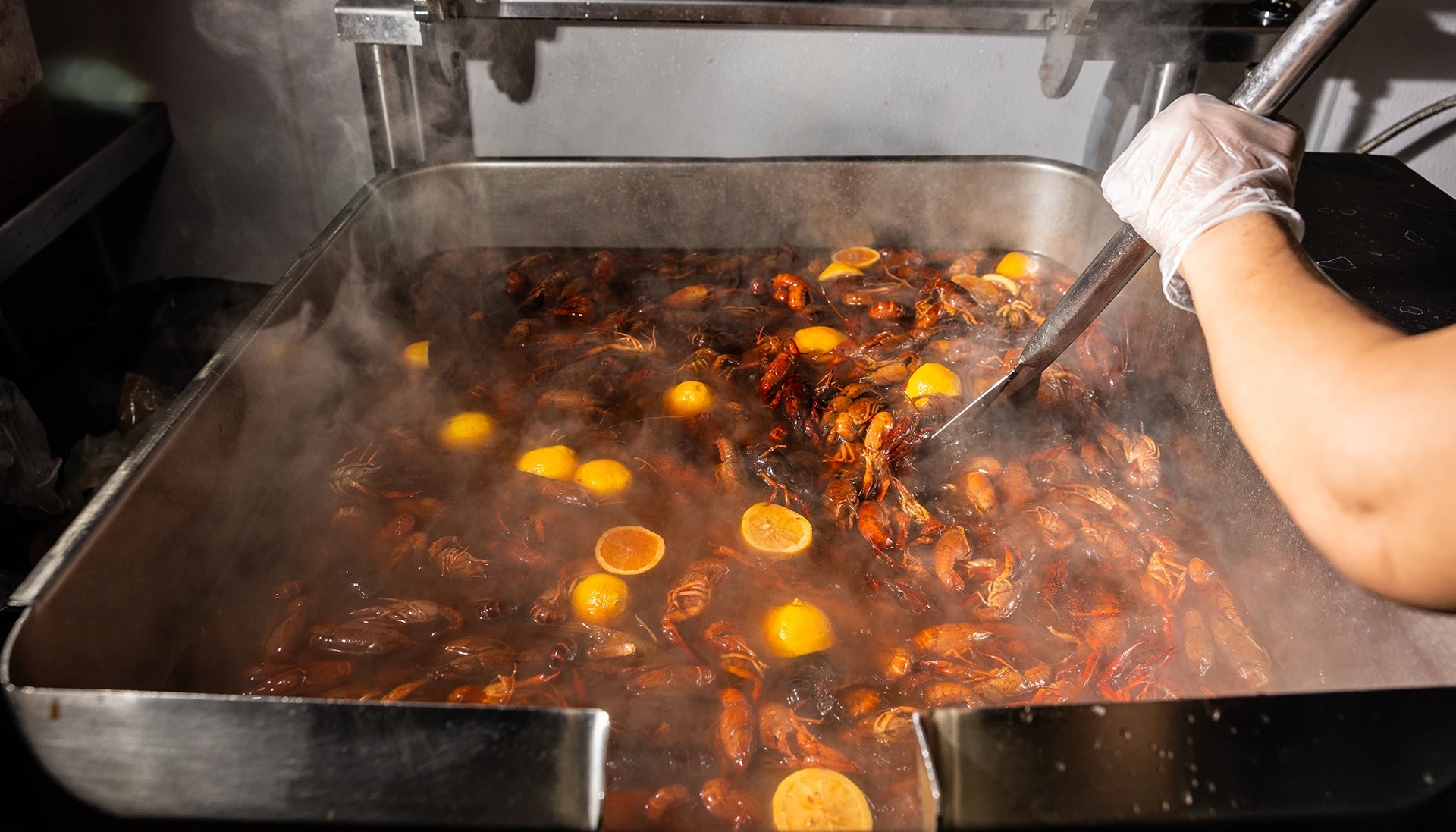
When Cajun cuisine or Cajun food specials pair simple proteins with bold, fresh aromatics, the menu shows a reliance on freshness rather than an attempt to mask inferior items.
Vegetarian or vegetable-forward offerings that feel deliberate rather than an afterthought point to a genuinely ingredient-driven kitchen. Reading those descriptions and asking about origins turns a lunch choice into a quick litmus test for a restaurant’s standards.
Portion and Price: What the Balance Reveals About Priorities
Balance matters because the portion-to-price ratio tells you more than whether you’ll have leftovers. Noting how generous a plate is for its cost reveals priorities about a Cajun restaurant and its approach to Cajun cuisine or seafood offerings.
A modest price paired with a tiny serving suggests the kitchen values profit over patron satisfaction. A slightly higher price combined with thoughtful portions signals respect for ingredient cost and chef time.
Balanced combinations of protein, starch, and vegetables that don’t rely on bulk fillers are a good sign. When sides are optional and priced separately, the establishment may be nickel-and-diming rather than presenting a cohesive meal.
Compact portions can still feel generous when arranged well, and the portion-price balance ultimately indicates whether the place prioritizes quick turnover or a memorable midday experience.
If Lunch Wows You: Exact Questions to Ask the Server
If a lunch plate surprises you in the best way, ask a few targeted questions before you leave so your server can tell you whether tonight’s dinner will match that midday promise.
Ask what’s on tonight’s menu that uses the same proteins or Cajun techniques, because that signals consistency in the kitchen.
Ask whether dishes are made to order or batch-prepped, since fresh preparation often carries into the evening service.
Ask about portion differences and whether sides change after lunch service so you understand how the meal will be presented later.
Inquire if the kitchen stays open late and whether certain seafood or Cajun cuisine specials rotate, as that will tell you if the flavors you loved will be available.
Finally, ask whether reservations are recommended for the evening crowd to gauge how busy the Cajun restaurant gets at dinner.
Neighborhood Picks: Lunch-to-Dinner Spots Worth Revisiting
When a lunchtime discovery leaves you plotting a return, look for neighborhood spots that do double duty—bright, quick midday plates that shift into more composed, linger-worthy dinners without losing the flavors that hooked you.
A sharp, simple lunch salad or sandwich should hint at larger techniques like roasting, braising, or house-made pastas that translate to richer evening dishes. Menus that expand rather than change are especially appealing when small plates become shareable starters, proteins receive longer cooks, and desserts evolve from grab-and-go treats into plated finales.
Kitchens that source locally and tweak seasonally create continuity that guarantees the flavors you liked at lunch will deepen after hours. Cajun food and seafood offerings can be a strong indicator of a kitchen’s range, since a casual Cajun restaurant that handles spice, smoke, and shellfish well at midday often brings those skills to bolder, more nuanced Cajun cuisine come dinner.
Use Social Proof & Timing to Secure the Best Dinner Table
Noting a Cajun restaurant’s lunchtime strengths gives you a leg up on scoring a great dinner table because service pace, popular dishes, and crowd patterns all serve as social proof. When lunch draws a steady local crowd, you can infer reliable Cajun cuisine and friendly staff, and mentioning that when reserving signals you’re a thoughtful guest.
Tracking busy days and quieter windows reveals that midweek evenings or times just after the lunch rush often yield better tables and calmer servers. Sharing positive lunchtime photos or offering a quick compliment in your booking request reinforces both demand and friendliness.
If a seafood or signature Cajun dish consistently sells out at noon, reserving earlier helps you avoid disappointment and secure a smoother dinner experience.