How to Find Lunch Specials That Are Not Just Smaller Portions
If you want a midday meal that feels like a chef’s intent rather than a shrunken plate, start by looking for specific ingredients, cooking methods, and bundled extras that match dinner quality. Pay attention to menu phrases that signal real care, and ask servers about any Cajun cuisine or seafood preparations that make the dish stand out. I often find that venues offering true value will highlight dishes with fresh seafood, slow-simmered sauces, or the bold spices associated with Cajun food. You can learn which places and menu descriptions to trust by listening for cooking details and by noting when a lunch special includes complementary sides or thoughtful presentation. I was surprised the first time I noticed a genuine midday offering at Razzoo’s Cajun Cafe, where the flavors and techniques felt just as deliberate as dinner. Simple questions and a few quick checks will help you separate true value from mere portion trimming.
How to Spot Lunch Deals That Aren’t Just Smaller Portions
Look beyond smaller plates and ask specific questions about whether the lunch price includes a starter, side, drink, or dessert, and whether the protein is the same quality as the dinner portion.
Check portion descriptions and ingredient listings, because menus that note sourcing, cut, or weight usually indicate parity with dinner standards.
Watch for bundled add-ons framed as savings, since true value will list what’s included without surprise charges.
Ask staff whether sauces, sides, or garnishes differ at midday so you know if a Cajun dish or seafood plate has been altered for lunch.
Compare prices per ounce or per component when possible to determine whether you’re paying less because of downsized ingredients rather than genuine discounting.
Finally, read recent reviews, because diners who visit Cajun restaurants often call out when midday Cajun cuisine dishes are watered down or substituted.
Venue Types That Offer True Midday Value
When you want genuine midday value, look for places that built a lunch program rather than places that merely shrink dinner portions to save face.
Cafés and delis that turn out fresh-made sandwiches, salads, and soups quickly design their menus for both speed and quality.
Food halls and market stalls often host chef-driven stations where portions and prices are suited to midday budgets.
Ethnic restaurants, including taquerias, izakayas, bistros, and Cajun restaurants, commonly offer authentic lunch plates crafted for regulars.
Bakery-cafés pair hearty savory options with low overhead, which allows them to price fairly.
Office-focused eateries and catering kitchens provide set combos and rotating plates calibrated to feed a crowd without skimping.
Venues with distinct lunch hours, dedicated prep, visible ingredient care, and offerings like Cajun cuisine or seafood tend to deliver the real value that midday diners seek.
Use Menu Wording to Find Chef-Driven Lunch Dishes
Scan menu phrasing for clues that a dish was crafted by the kitchen rather than being pared-down fare. Terms like “executive,” “chef’s,” “daily,” “from the wood‑fire,” or specific techniques such as braised, confit, or tonkatsu often signal deliberate preparation and a focus on flavor in Cajun cuisine or seafood plates. Vague labels such as “lunch special,” “combo,” or descriptions that imply dinner leftovers usually don’t indicate chef-driven cooking.
Look for ingredient specificity that suggests care, including descriptions like house-cured, heritage, or foraged, and notice preparation notes that imply time or skill, such as slow-roasted, fermented, or hand-pressed. Seasonal or market-driven tags suggest the chef is adapting ingredients to the moment instead of reheating portions. If the menu mentions sauces made in‑house, finishing touches, or detailed plating descriptors, those are additional signs that a dish was prepared with attention by the kitchen.
You’ll also often find chef-driven dishes in short, curated sections labeled for the kitchen or daily menus, and those details point to where the real midday value can be found in a Cajun restaurant or a seafood-focused establishment.
How to Identify Fair Lunch Bundles and What They Include
At the fair, you can spot a true lunch bundle by checking what’s bundled and how it’s priced; a fair deal pairs a main with at least one substantial side and a drink, and sometimes a small dessert, for less than ordering each item separately.
Vendors who list package versus à la carte prices make honesty easy, and clear price comparisons on menus or chalkboards help shoppers decide quickly.
Portion size should be verified because sides ought to be more than a token scoop and the main should satisfy one person.
Ingredient quality matters, and grilled, roasted, house-made, or freshly prepared Cajun cuisine and seafood items usually beat reheated or prepackaged fare.
It’s useful to ask about substitutions and combos that include protein, vegetable, and carb components so you know what to expect.
If tax or service charges erase savings, the bundle loses its advantage.
Top Types of Lunch Specials That Feel Like a Full Meal
Look for combos that include a protein, a hearty side, and a drink because those lunch specials actually fill you up. A grilled chicken or steak paired with a generous grain or potato side provides the protein-plus-carbs combination that sustains energy.
Bowls that mix protein, roasted vegetables, and a whole grain are portable and balanced meals. Sandwich-and-soup pairings can be satisfying when the sandwich contains substantial fillings and the soup is chunky.
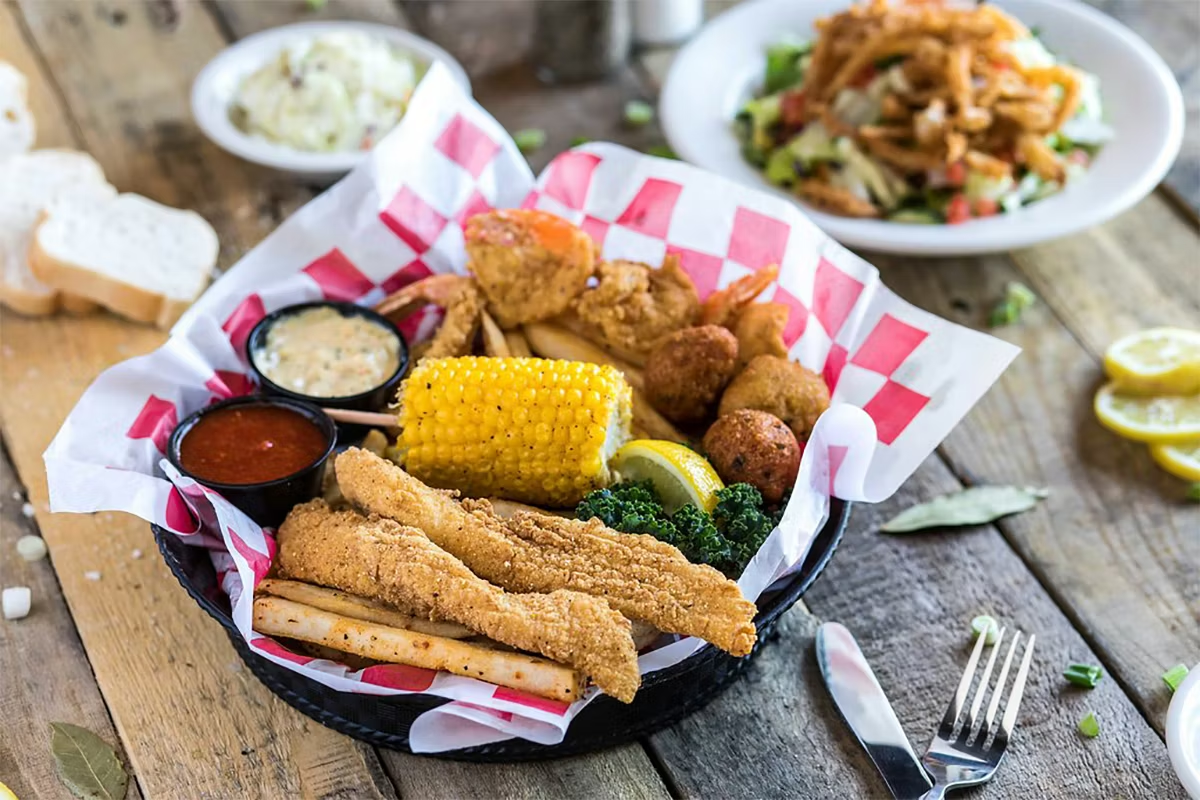
Ethnic platters such as taco plates, bento boxes, mezze, or Cajun cuisine plates often bundle varied textures and flavors so you won’t feel shortchanged. Build-your-own specials allow you to pick portions, which helps prevent skimpy servings.
Prioritizing variety and balance makes a lunch feel like a real, complete meal, whether you’re dining at a Cajun restaurant or ordering seafood options.
Best Apps, Newsletters, and Feeds for Real Lunch Deals
Because you want real value without wasting time, pick apps and newsletters that aggregate verified daily specials, let you filter by distance and cuisine, and send quick alerts when a hearty Cajun lunch deal appears nearby.
Choose platforms with user ratings and recent photos so you can confirm portion size and quality before you go, especially when considering Cajun cuisine or seafood plates.
Subscribe to one local newsletter that curates honest picks, as many editors test meals and note substitutions at Cajun restaurants and other spots.
Follow restaurant social feeds for spontaneous, limited-run offers, and enable notifications only for favorites to avoid noise.
Use map-based apps to compare walkable options and sort by price-per-protein or set a minimum entrée size when you’re evaluating seafood or Cajun entrees.
Combine an app for discovery, a newsletter for vetted picks, and select social feeds for flash deals to maximize real lunch value.
Best Times to Find Full-Size, High-Quality Lunch Specials
Often midweek around midday you’ll find the best chances for full-size, high-quality lunch specials because restaurants aim to boost steady weekday traffic and can afford to serve generous portions without the weekend rush.
Targeting Tuesdays through Thursdays between 11:30 and 1:30 tends to coincide with kitchens being fully staffed but not overwhelmed. Late lunch windows around 2–3 pm can also yield plated leftovers turned into thoughtful specials rather than skimpy portions.
Many Cajun restaurants and seafood-focused spots shine during these times as their Cajun cuisine and hearty seafood plates are prepared with care. It’s wise to avoid peak dinner prep times and Fridays, when menus often shift toward smaller, higher-margin items.
For hotel or business-district locations, timing visits during convention lulls or just after morning sessions end improves the chances of finding generous portions and well-executed dishes. If a special is announced early, arriving promptly helps because dishes often sell out when quality and portion size are intentionally generous.
What to Ask Hosts and Servers to Reveal Real Value
Timing a visit for midweek or the quieter late-lunch window helps you evaluate whether a special is genuinely a good deal.
Ask the host if the special uses the same proteins and produce as the regular menu to learn whether portions or quality are being reduced.
Ask servers whether items are prepped ahead or made to order, since prepped items can sacrifice freshness.
Ask about add-ons and upcharges to avoid surprises when sides, sauces, or seafood enhancements carry extra costs.
Ask for portion size in concrete terms, such as ounces or whole pieces, rather than accepting vague descriptions like “generous.”
Ask about substitutions and timing so you can find out whether the Cajun restaurant will swap a side or hold an extra protein without inflating the price, which indicates whether the Cajun cuisine special delivers real value.
Budget Moves That Maximize Satisfaction Per Dollar
To get the most satisfaction for every dollar, prioritize swaps that boost perceived value by choosing dishes with shareable components and selecting entrées that come with substantial sides. In a Cajun restaurant or when ordering Cajun cuisine, trade costly proteins for flavorful plant or egg options when the preparation still feels premium, and consider seafood preparations that emphasize spices and texture rather than expensive cuts.
Look for items cooked to order, since grill marks, fresh sauces, or crisp salads signal care and make modest prices feel earned. Order bowls or platters you can customize, because adding inexpensive extras like herbs, pickles, or a fried egg elevates texture and richness.
Split larger sides or appetizers among friends so you can sample more flavors of Cajun food and seafood without wasting money. Skip beverage upgrades and choose tap water or a shared pitcher while paying attention to portion-to-satisfaction ratio rather than focusing solely on calorie counts.
How to Test and Track Whether a Lunch Special Is Worth Repeating
You have learned which swaps and strategies stretch your dollar at lunch, and now you should test whether a particular special actually delivers repeatable value. Pick three metrics: taste satisfaction on a 1–5 scale, portion and temperature consistency, and the real cost per filling calories or per gram of protein.
Try the special twice on different days at the Cajun restaurant or seafood spot, and rate each metric immediately after the meal. Note variations such as service speed, extras, and whether you left still feeling hungry. Track the total price including tax, tip, and any add-ons.
After two trials, compare the scores and calculate the average satisfaction per dollar. If the scores remain high and variability is low, the special is likely repeatable. If quality dips or you need add-ons to feel full, consider dropping it from your rotation.
Keep a simple log in a notebook or notes app so patterns in Cajun cuisine choices guide your future decisions without guesswork.