What Makes Cajun Food Stand Out in a Crowded Restaurant Scene
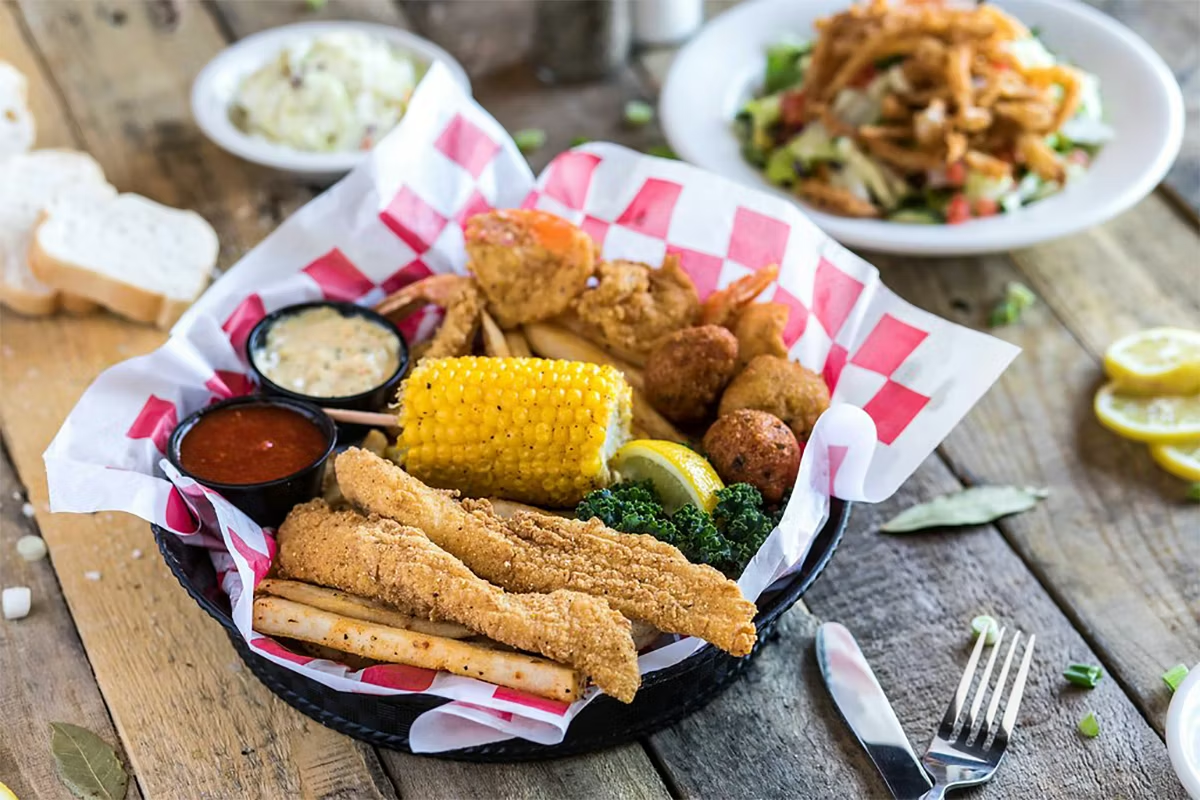
You notice Cajun food before you taste it because a low, smoky perfume drifts from the kitchen. A slow-browned roux builds depth in the pot, and the trinity of onion, bell pepper, and celery sets a confident base for the dish. Cajun cuisine feels like plain-spoken cooking that is meant to feed a table and tell a story about place, season, and hard-won technique. Stick around and you will see how that grounded simplicity turns familiar ingredients and fresh seafood into something quietly unforgettable at Razzoo’s Cajun Cafe.
Why Cajun Food Stands Out
When you dig into Cajun food, you notice bold, straightforward flavors built on a few strong foundations such as roux, the “holy trinity” of onions, bell peppers, and celery, and generous seasonings. Cajun cuisine favors dishes that respect technique without being fussy, coaxing ingredients into deep, layered tastes without pretension.
In a Cajun restaurant you appreciate the balance of earthiness, heat, and savory richness that holds up to communal settings and late service hours. Cooks turn humble proteins, seafood, and rice into memorable meals by concentrating flavor and texture. The cuisine also shows remarkable adaptability, bending to seafood, game, or pantry staples while maintaining its identity. You leave with big, honest flavors that stick with you.
Cajun Flavor Foundations: Trinity, Roux, Technique
Cajun food builds its power from a few core moves, so cooks quickly learn to recognize the trinity, the roux, and the hands-on techniques that turn simple ingredients into something deep and soulful.
The trinity of onions, bell peppers, and celery is sweated to create an aromatic base that flavors everything without fuss. A roux is developed with patience as fat and flour are stirred until they reach a nutty brown that thickens sauces and adds toasted complexity. Timing and heat control are practiced through searing proteins, deglazing pans, and simmering gently so flavors can marry. Tactile skills such as knife work, steady stirring, and tasting as you go ensure that dishes balance spice, texture, and richness.
When these fundamentals are mastered, Cajun cuisine becomes intuitive and boldly expressive in a Cajun restaurant or at home with seafood and other regional ingredients.
Local Ingredients, Smoke, and Authenticity
Cajun cooking grew from necessity and thrives on what the land and water provide. You’ll find Cajun food built around local rice, crawfish, oysters, shrimp, game, and garden vegetables. Chefs at a good Cajun restaurant source those ingredients fresh and let them lead the dish rather than hiding them behind heavy sauces.
Smoke plays a conscious supporting role in Cajun cuisine: pit-smoked sausage, charred okra, or a touch of hickory on grilled oysters adds depth without masking the origin flavors. Authenticity appears in technique and restraint, with seasoning used to enhance, simmering employed to concentrate, and whole animals and seasonal produce put to full use. When you eat true Cajun fare, you taste place and process together, and quality ingredients plus measured smoke make the cuisine unmistakable.
The Social Roots: History, Community, and Ritual
Those ingredients and techniques do more than feed the body; they bind people together. You can trace Cajun food to a history of exile, adaptation, and resourcefulness, as Acadian refugees turned what was available into a cuisine that carried memory.
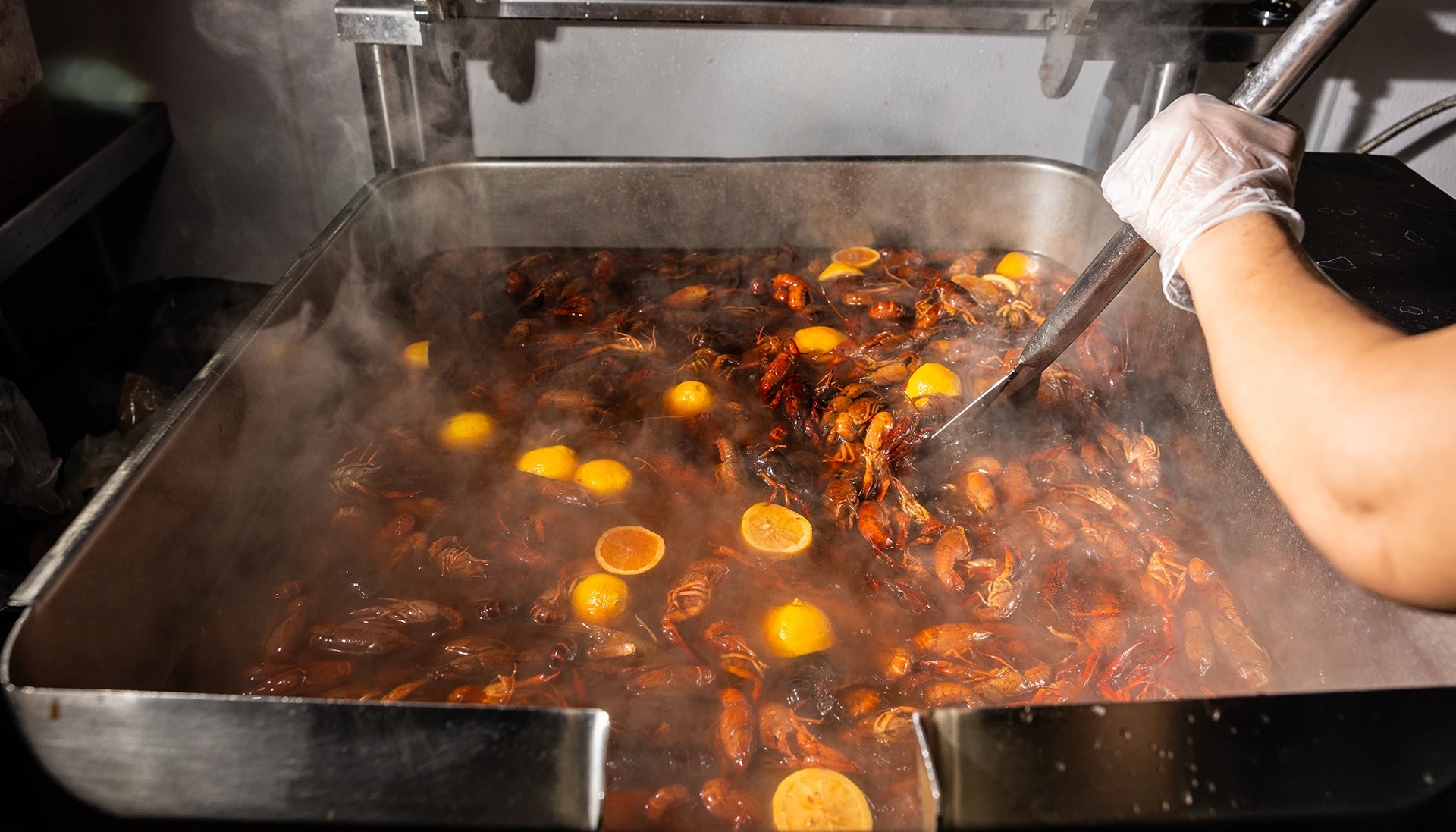
Community appears in communal pots and Sunday suppers where recipes pass from elder to child, and each stirring blends a lineage into the roux. Ritual matters because crawfish boils, gumbo Fridays, and harvest-time feasts mark seasons and reinforce belonging.
Language, music, and storytelling mingle with spice, so dining in a Cajun restaurant or at a family table becomes cultural rehearsal rather than mere consumption. When you eat Cajun cuisine or seafood prepared in that tradition, you enter a social contract of respect for place, elders’ knowledge, and the shared labor that transforms simple ingredients into something historically and emotionally rich.
Turning Cajun Boldness Into Memorable Restaurant Experiences
Center the restaurant experience on taste, atmosphere, and storytelling that honor the roots of Cajun cuisine. Craft dishes that feature savory, spicy, and smoky notes without relying on gimmicks, and let each plate show restraint and confidence.
Train staff to describe the origins and preparation of Cajun food, and encourage servers to share short, true stories about ingredients or family recipes so guests can connect.
Use music, lighting, and simple décor that evoke Louisiana warmth rather than caricature. Host communal meals, live music, or cooking demonstrations on occasion to deepen engagement with the cuisine.
Keep flavors consistent, portion sizes honest, and pricing fair so repeat visits feel reliable. Pair genuine Cajun food and seafood with clear narratives and a hospitable vibe to turn bold Cajun flavor into memorable dining.