Why Crab Legs Are the Go-To for Special Occasions
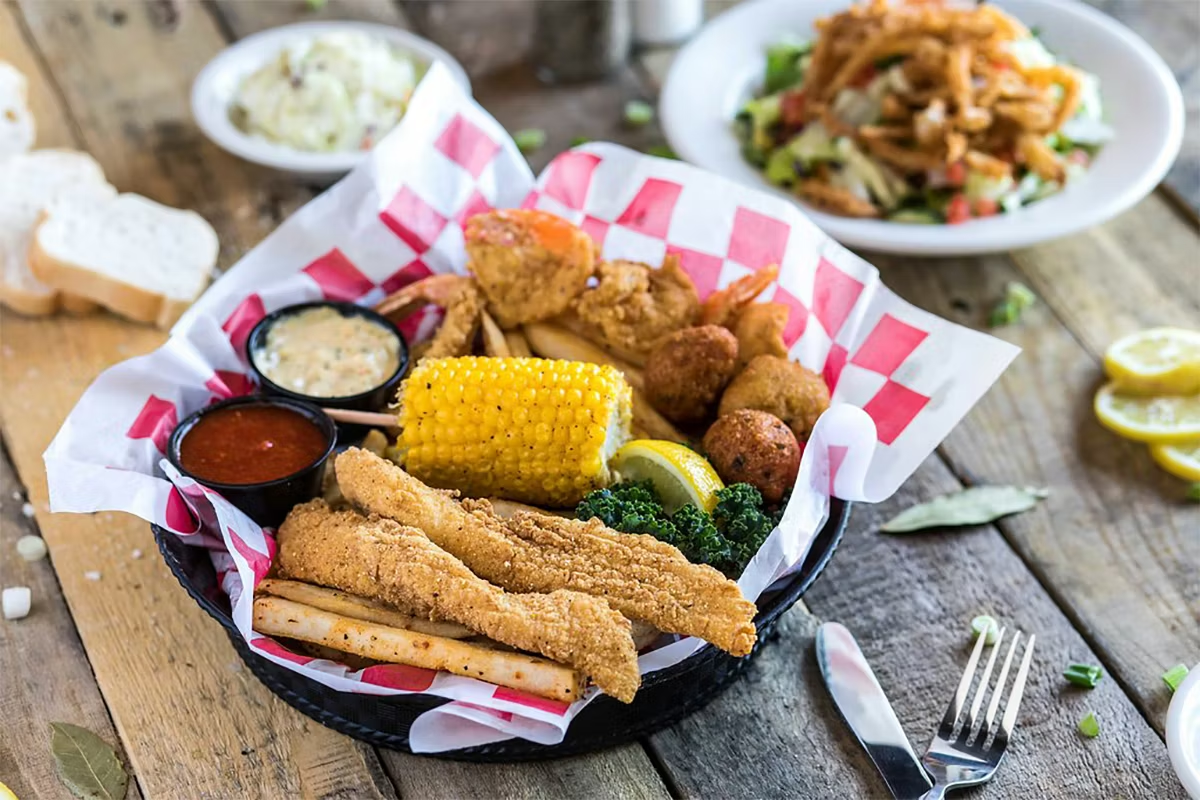
When you want dinner to feel deliberate, crab legs deliver the sweet, briny meat, the dramatic presentation, and the hands-on cracking that signal a treat worth savoring. The communal act of cracking shells invites conversation and complements the bold flavors found in Cajun cuisine and other seafood traditions. Crab legs pair easily with sparkling wine or spicy Cajun seasoning and, because they are pricier, naturally turn a meal into an event. Restaurants like Razzoo’s Cajun Cafe showcase how simple serving choices and smart cooking can make seafood feel luxurious without being fussy.
Why Crab Legs Make Celebrations Special
Bring crab legs to the table and the room changes: they look festive, taste luxurious, and turn an ordinary meal into a memorable event.
You’ll notice how they signal intention — you planned something special, and guests feel valued.
Serving crab legs creates ritual, as cracking shells, passing tools, and sharing the bounty encourages conversation and cooperation.
You’ll also appreciate how they simplify choices, since a single impressive dish reduces menu stress and lets you focus on company rather than complex cooking.
Crab legs elevate gatherings without needing extravagant decor or lengthy preparation, and they pair well with Cajun cuisine or other bold seafood flavors for an added kick.
For celebrations, crab legs act as a centerpiece that’s both relaxed and refined, helping you create moments people remember long after plates are cleared.
Sensory Appeal: Flavor, Texture, Presentation
When you crack into a steaming crab leg, the sweet, briny meat and buttery richness hit your tongue immediately, while the firm yet flaky texture provides satisfying resistance.
Subtle ocean minerals balance with a gentle sweetness that never becomes cloying.
The meat’s grain flakes apart cleanly, so you control pace and portion with every pull.
The vivid orange shell and pearly white meat visually signal celebration, and plating on crushed ice or a bright platter enhances contrast and anticipation.
Aromas of hot steam, lemon zest, and melted butter invite you before the first forkful.
In a Cajun restaurant or other seafood-focused eatery, the same sensory harmony elevates the dish.
Taste, touch, smell, and sight combine to make crab legs feel special and to turn a meal into a memorable, multi-sensory moment of Cajun cuisine.
The Ritual: Tools, Mess, and Sharing the Fun
Roll up your sleeves and get ready, because eating crab legs is as much about the ritual as it’s about the taste. You gather tools—crackers, picks, napkins, and a bowl for shells—and arrange them so reaching is effortless. You crack joints carefully, coax meat with a pick, and dip bites into melted butter or lemon, and every motion feels purposeful.
Expect mess as juices drip, shells clack, and fingers get sticky, and that’s part of the pleasure. You pass clusters around the table, demonstrate technique to someone new, and laugh over failed extractions.
Sharing transforms a meal into an event in Cajun cuisine and seafood-centered gatherings, and conversation flows while plates accumulate evidence and someone always offers a wipe or an extra roll. The ritual makes the meal social, tactile, and memorable whether you’re enjoying crab at a Cajun restaurant or cooking up a Cajun food feast at home.
Cost and Rarity of Crab Legs (Why Price Feels Festive)
Because crab legs are seasonal, labor-intensive to harvest, and often shipped long distances, they carry a price that immediately marks an occasion as special. You notice the difference when you shop because limited supply, variable sizes, and higher freight and refrigeration costs drive prices up. You’re paying for more than meat because you’re paying for timing, the catch method, and careful handling to keep quality intact.
That scarcity turns a meal into an event, and the result is that splurging feels deliberate rather than routine. In a Cajun restaurant or when enjoying Cajun cuisine at home, the presence of crab legs elevates a seafood-focused spread and signals a choice to make the meal memorable. Planning purchases around sales or sharing a platter among guests can make the cost feel worthwhile while preserving the celebratory atmosphere. Ultimately, the expense signals intention because bringing crab legs means you have chosen to elevate a moment, not just fill plates.
Serve Crab Legs for a Crowd (Quick Strategies)
If you plan to serve crab legs to a group, a little forethought keeps the evening relaxed and festive rather than chaotic. Set up stations for steaming or reheating, provide cracking tools, place bowls for shells, and arrange a butter and sauce table so guests can help themselves.
Pre-crack tougher joints slightly so people can open legs without fighting shells. Offer finger bowls, plenty of napkins, and bibs or disposable towels to contain mess.
Pair the crab legs with Cajun cuisine favorites or other simple sides such as corn, potato salad, or crusty bread so the flavors complement rather than compete. Time the cooking so warm food arrives together, and use large warming trays or foil pans to hold legs at serving temperature.
Assign one person to manage replenishing and clearing so the flow of the meal stays smooth.
Buying Smart: Crab Legs – Fresh Vs. Frozen
When you choose crab legs, decide upfront whether fresh or frozen will best suit your schedule and budget, since fresh crab can offer better texture and flavor when purchased locally and cooked the same day.
Fresh crab legs should have firm meat, a mild sea scent, and bright shells, and they shouldn’t be slimy or emit strong fishy odors.
Frozen crab legs often lock in peak quality and provide more flexibility and value, which can appeal to fans of Cajun cuisine and seafood who want ingredients on hand for a Cajun restaurant-style meal at home.
When evaluating frozen packages, check packing dates and look for vacuum-sealed packaging while avoiding ice crystals that can indicate thaw-refreeze.
Many cooks consider portioning advantages for frozen legs because buying in bulk and thawing as needed helps reduce waste.
Finally, buyers often factor price per pound, origin, and available catch or harvest information to ensure responsible sourcing.
Cooking Crab Legs to Preserve Delicate Flavor
Now that you have chosen the right crab legs, preserving their delicate flavor during cooking becomes the priority. Gentle methods heat the meat through without drying it or masking the natural sweetness. Steam the crab legs for 5–7 minutes if they’re thawed, and for 8–10 minutes if they’re frozen, keeping a tight lid so flavorful juices stay contained.
When grilling, use indirect heat and turn the legs once, brushing them lightly with butter or oil to prevent sticking while avoiding heavy sauces that would overpower the seafood. Boiling is appropriate only for a brief time in well-salted water, followed by immediate draining to halt the cooking process.
Reheating leftovers slowly preserves moisture, and steaming is the most effective approach for that purpose. You should always crack shells just before eating to keep the meat from drying.
Simple seasoning preserves the crab’s subtle, briny character and complements Cajun cuisine influences when they’re desired. Cajun food elements can add a bold, spicy contrast that suits the natural sweetness of crab, and a well-regarded Cajun restaurant often balances heat and seasoning to highlight the seafood.
Pairings and Sides That Elevate a Crab-Leg Spread
Alongside perfectly cooked crab legs, the right sides and pairings sharpen the experience and balance the shellfish’s sweet, briny notes. Start with simple, bright elements such as lemon wedges, a parsley-garlic butter, and a light aioli so diners can vary richness bite to bite.
A crisp green salad dressed in a citrus vinaigrette cuts through the butteriness while roasted baby potatoes or herbed rice provide comforting starch without overpowering the flavor. For texture, grilled asparagus or sautéed green beans tossed with toasted almonds add contrast to the tender crab meat.
A chilled, seafood-forward cocktail or a light white wine or dry sparkling wine refreshes the palate between bites. Finish the meal with a simple sorbet or citrus granita to cleanse the palate and leave guests satisfied rather than weighed down, and consider pairing the crab legs with elements from Cajun cuisine for a spicy, smoky complement that evokes the bold flavors of a Cajun restaurant.
Budget-Friendly Seafood Alternatives That Still Feel Special
If you’re planning a special crab-leg spread but watching costs, you can still build a memorable seafood menu without breaking the bank. Start with shrimp, poaching or grilling jumbo shrimp with garlic butter to create immediate wow factor. Mussels steamed in white wine and herbs are affordable and dramatic when served in a big bowl. Smoked salmon blinis provide an elegant bite that stretches thinly sliced fish and pairs well with Champagne or a crisp white wine.
Crab cakes made with a mix of real crab and inexpensive white fish keep the flavor while lowering the expense. A bright ceviche made with firm, budget-friendly fish and plenty of citrus brings acidity and freshness to the table. Crusty bread, simple salads, and lemon wedges round out the spread so everything feels special and complete. Cajun cuisine and other seafood-forward flavors can be woven into the menu to add a spicy, regional twist reminiscent of a lively Cajun restaurant.