How Cajun Food Turned Casual Dining Into Something Special
Cajun food takes humble ingredients and transforms them into meals that feel both homey and memorable. Cajun cuisine relies on slow-sweated aromatics, a dark roux, smoked proteins, and bright acids to build deep flavor quickly and at scale. The seafood and meats used in these dishes contribute layers of texture and taste that keep guests coming back. Service in this format leans communal and hands-on, creating an atmosphere where diners leave satisfied and ready for a return visit. Razzoo’s Cajun Cafe showcases how these techniques, formats, and pricing make casual dining both distinctive and profitable.
Cajun Origins: Roots & Resourcefulness
Cajun cuisine grew from hardship and turned scarcity into flavor. When Acadian settlers were pushed into Louisiana’s bayous, they learned to stretch simple ingredients—rice, pork, seafood, and foraged greens—into bold, sustaining dishes. That resourcefulness shaped a cooking mindset that made every scrap count, encouraged bold seasoning, and emphasized communal meals.
Dishes that evolved from necessity, such as one-pot boils, stews, and rice-based plates, were designed to feed groups without fuss. That practicality influenced how locals ate and how Cajun restaurants later served casual crowds with hearty portions, low cost, and comforting familiarity. The origin story of Cajun food isn’t a romanticized tale of survival but a record of pragmatic creativity that turned limited means into a lasting culinary identity.
Core Cajun Techniques That Build Big Flavor
The roots of thrift and community shaped not only what Cajun people ate but also how they cooked. Cajun cuisine relies on a few reliable techniques to coax maximum flavor from humble ingredients.
Cooks begin with the holy trinity—onion, bell pepper, and celery—and sweat these vegetables slowly to build a savory base for stews, gumbos, and sauces. Proteins are browned to create fond, which deepens the dish when deglazed with stock or wine.
Roux is fundamental to Cajun food; flour and fat are watched as they darken and develop a nutty aroma, and the roux is then used to thicken and enrich soups and sauces. Smoking, blackening, and slow braising concentrate flavor while making tough cuts tender and economical.
Bold seasoning with spice blends and a finishing touch of acid and fresh herbs balance richness and elevate the overall dish in a Cajun restaurant or at home serving seafood and classic regional fare.
Signature Cajun Dishes Restaurants Love
Start with gumbo or jambalaya and you’ll see why Cajun dishes remain staples on many menus: these recipes deliver bold, comforting flavors that scale from casual lunch crowds to busy dinner service. Gumbo’s dark roux and okra create depth that holds up under reheating and service, while jambalaya’s one-pot efficiency feeds lines without fuss.
Shrimp andouille pasta, blackened fish sandwiches, and red beans and rice provide variety—spicy, smoky, creamy, and hearty—so a Cajun restaurant can rotate offerings without losing identity. These Cajun cuisine dishes adapt well to different operations because portion control is simple, prep can be batch-friendly, and flavors often intensify over time.
Guests respond to familiar warmth with a distinctive Cajun punch, and seafood-forward options help broaden appeal.
Communal Service Formats: Boils, Platters, and Seating
Gumbo and jambalaya set the stage, but Cajun cuisine truly comes alive when served communal-style through boils, shared platters, and family seating. Cajun food brings people together as they gather around paper-covered tables to peel shrimp and crack crab, and conversation rises along with the spice.
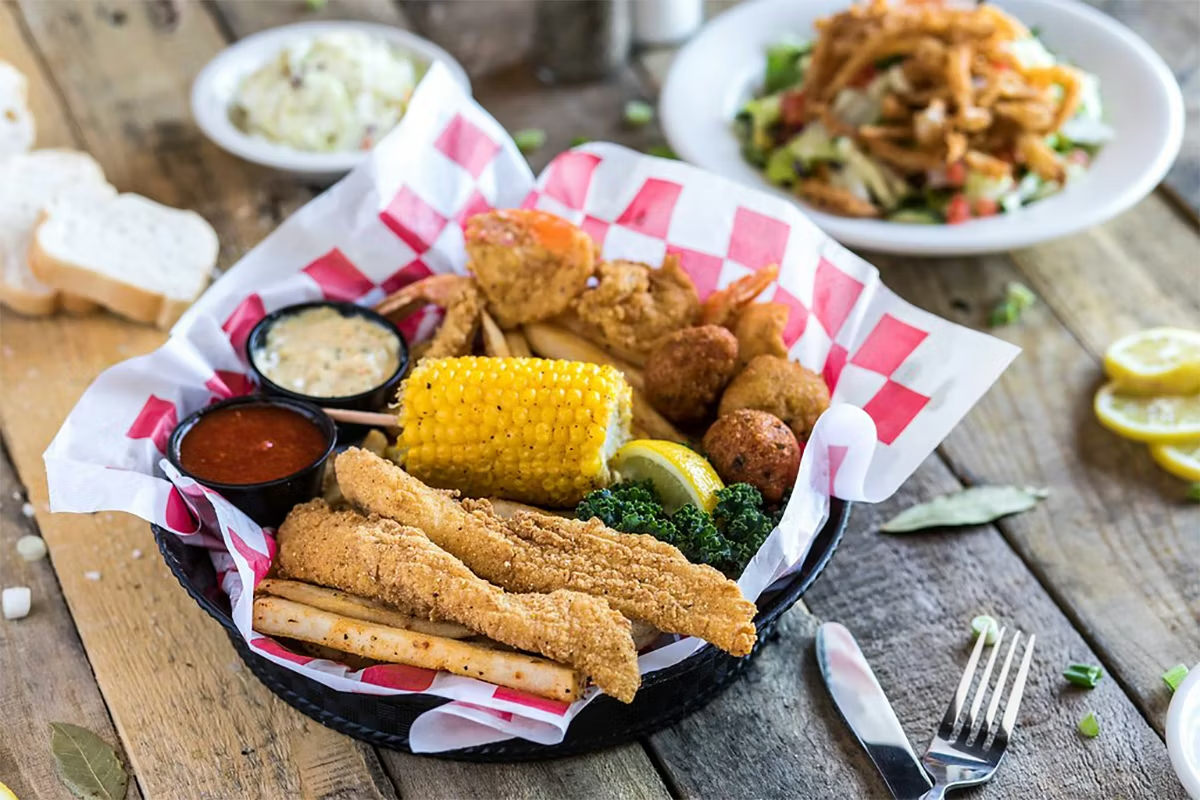
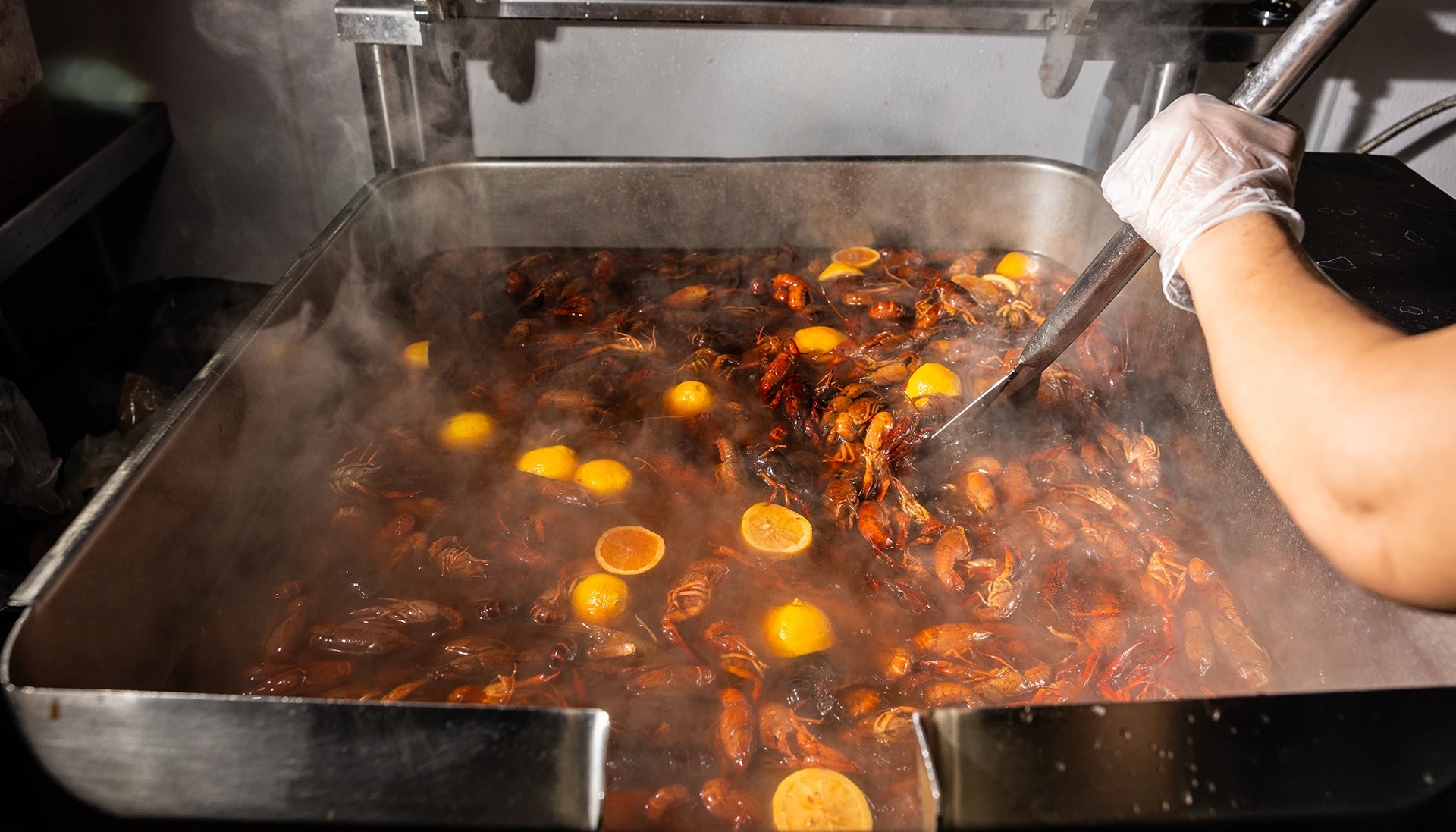
Boils arrive steaming on newspaper or butcher paper, which simplifies service while encouraging hands-on interaction. Large platters let diners mix and match sausage, corn, potatoes, and seafood so everyone can sample a variety of heat and texture.
Bench or long-table seating shortens service lines and creates a convivial rhythm that casual dining embraces. This communal format reduces plate fuss, speeds turnover, and makes every meal feel like a celebration centered on shared flavor and ritual.
Designing a Cajun Kitchen & Menu for Casual, Fast Service
When you design a Cajun kitchen for casual, fast service, efficiency should steer every choice from station layout to menu length, so cooks can deliver bold Cajun flavors without slowing the line.
Think of streamlined stations such as a rice-and-grits station, a sauté and sauce station, and a fry and finish station so multiple cooks can move in sync.
Choose prep-ahead components like soups, dark roux, and concentrated spice blends so finishing plates and seafood bowls is quick.
Build a concise Cajun restaurant menu that repeats ingredients across dishes to minimize inventory and speed assembly.
Use clear visual cues such as labeled bins, color-coded pans, and heat-holding wells to maintain consistent pace.
Train staff on portioned mise en place and a simple ticketing flow to keep service steady.
With thoughtful flow and repeatable builds, a Cajun restaurant can deliver authentic Cajun cuisine intensity at fast-casual speed.
Pricing & Portions: Profit Lessons From Cajun Classics
Layout and prep set the pace, but pricing and portion strategy determine whether a Cajun restaurant actually makes money. You must balance hearty expectations with cost control because Cajun cuisine feels generous, so trimming waste by standardizing portions for proteins, rice, and roux-based sauces is important.
Pricing should reflect labor-intensive techniques, as slow-braised greens or seafood boils justify premium tags while smaller plates or combos can capture different spend levels. Using yield-tested recipes and tracking plate cost percentages helps protect margins, and adjusting sides instead of core proteins preserves profitability.
Servers trained to upsell add-ons like extra sausage or a larger seafood portion can increase average checks. Monthly menu mix reviews should retire low-margin items and promote profitable Cajun classics so the kitchen sings and the books stay healthy.
Marketing Cajun Atmosphere: Selling Warmth, Not Pretension
A Cajun dining experience is often sold more by how it feels than by how it’s described, with warm hospitality, approachable décor, and authentic sensory cues such as steaming plates, slow-simmered aromas, and lively music that make guests feel welcomed rather than preened.
Messaging should highlight ease through friendly servers, communal tables, and handwritten specials that suggest honesty instead of hype.
Visuals that show real people enjoying messy, flavorful bites communicate the appeal of Cajun cuisine more effectively than staged perfection.
Staff members who tell short stories about ingredients or family recipes help authenticity sound natural in a Cajun restaurant setting.
Unpretentious signage and social posts that use playful language and behind-the-scenes glimpses reinforce the relaxed atmosphere.
Above all, prioritizing comfort and connection encourages people to relax, share, and taste soulful seafood and Cajun food.
Eight Practical Ways to Add Cajun Principles to Your Menu
You have already created an atmosphere of warm hospitality and honest visuals, and now it’s time to bring that same spirit to the plate in your Cajun restaurant.
Bold seasoning such as a dark roux, cayenne, and smoked paprika can be used to build depth in Cajun cuisine and seafood dishes.
Simplified techniques like braising, searing, and simmering produce reliable flavor in both classic and contemporary Cajun preparations.
Emphasizing local produce and seafood allows daily catches and farm vegetables to take center stage on the menu.
Offering shareable portions such as gumbo bowls, po’boys, or family-style platters encourages a sense of community among diners.
Keeping pricing approachable and allowing flexible ingredient swaps addresses allergies while preserving the essence of Cajun food.
Training staff to describe dishes with story-driven honesty enhances the guest experience and connects patrons to the origins of each plate.
A concise menu that balances beloved classics with rotating seasonal specials helps maintain focus and freshness.
Testing new items as limited runs provides a way to measure what resonates with customers before committing them to the permanent menu.