Why Cajun Food Is Easy to Love
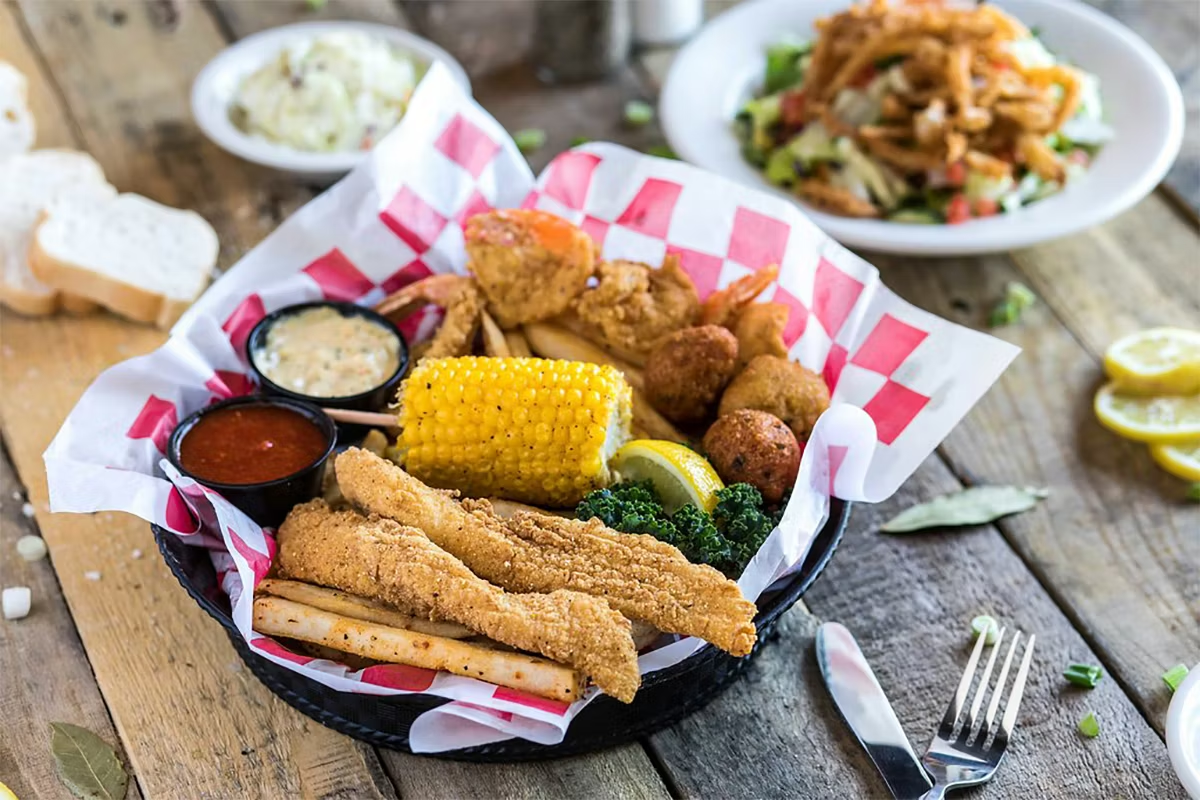
You’ll notice Cajun food grabs you fast because it uses simple ingredients, bold smoke and spice, and recipes built to feed a room without fuss. Cajun cuisine often begins with a holy trinity and a skillet, and the flavors do the rest in a way that feels comforting, practical, and surprisingly flexible. Whether you are cooking seafood gumbo for a weeknight or a jambalaya for a party, the dishes travel easily from one occasion to the next. Razzoo’s Cajun Cafe showcases this approachable spirit in its menu, where the warmth and heartiness of Cajun food are on full display.
What Is Cajun Food and Where Did It Come From
Cajun food grew from hardship and developed into a bold, practical cuisine rooted in community. You’ll find dishes built on simple staples—rice, seafood, pork, and vegetables—that are stretched into satisfying meals. The cuisine blends French techniques brought by Acadian exiles with local ingredients and with Indigenous, African, and Spanish influences.
Diners will recognize the dark roux, the “holy trinity” of onion, celery, and bell pepper, and slow-cooked pots of gumbo and jambalaya that feed a crowd. Meals were designed to be economical, featuring one-pot cooking, preserved meats, and foraged flavors.
Festivals, family gatherings, and bayou dinners shaped recipes that were passed down by necessity and by creativity. When you eat Cajun cuisine at a Cajun restaurant or in a home kitchen, you’re tasting history, place, and a community’s resilience.
Why Cajun Flavors Hook You Fast
When you take your first bite of Cajun food, the flavors arrive quickly with smoky roux, bright onion-celery-pepper notes, spicy heat, and a salty-sweet seafood tang layered together so each forkful feels complete.
Simple techniques concentrate taste by browning a roux to add toasted depth, sweating aromatics to release savory sugars, and slow simmering to meld spices into a unified punch. Heat from cayenne or paprika awakens the palate without masking other elements. Salt balances and lifts seafood and meat while herbs add a green snap that prevents dishes from feeling heavy.
Contrasting portions and textures, such as creamy gumbo, crisped sausage, and tender shrimp, create variety that keeps you coming back to Cajun cuisine and a good Cajun restaurant. That immediate, balanced complexity is why Cajun flavors hook you fast.
Easy Ways to Start Cooking Cajun Tonight
Plunge into Cajun cooking tonight with just a few pantry staples and a couple of simple techniques. Begin by browning a quick roux and sweating onion, celery, and bell pepper to build a flavorful base for Cajun cuisine.
Add smoked sausage, peeled shrimp, or beans to create a hearty protein component that evokes the spirit of a neighborhood Cajun restaurant. Use quality smoked sausage or fresh seafood alongside a can of tomatoes and long-grain rice or a crusty loaf of bread to round out the meal.
Choose a store-bought spice blend for convenience or mix paprika, cayenne, garlic powder, and thyme to customize the heat and flavor. Cook the rice in seasoned broth and simmer the proteins in the chunky sauce to allow the flavors to meld.
Finish the dish with chopped parsley and scallions, tasting as you go to balance heat and salt for an unmistakably rustic Cajun food experience. Serve family-style so the communal nature of Cajun cuisine comes through and everyone can enjoy the satisfying, down-to-earth flavors.
How the Holy Trinity Makes Cooking Simple
Built from just onion, celery, and bell pepper, the Holy Trinity provides a dependable flavor base that reduces prep time and keeps recipes forgiving.
Chefs in Cajun cuisine rely on this mix to start stews, soups, and sautés so complex seasoning is unnecessary.
The vegetables can be chopped roughly because perfect dice isn’t required, and sweating the mix releases sweetness and aromatics that carry a dish.
Those three ingredients blend well with proteins, rice, beans, and seafood, allowing cooks to swap items in and out without breaking a recipe.
Sauces thicken and flavors layer without extra steps when the Trinity is used.
Mastering timing and heat makes the Trinity a foundation for consistent results, fewer ingredients, and straightforward technique that suits both home cooks and a busy Cajun restaurant kitchen.
How Cajun Spice and Smoke Create Comfort
Let spice and smoke wrap you like a warm blanket as Cajun cuisine layers paprika, cayenne, garlic, and black pepper with smoky notes from charred meat or burnt-ends roux to create an immediate sense of home. You breathe in heat that comforts rather than overwhelms, and the sensation grounds you.
The smoke adds depth and rounds sharp spices into something nostalgic, like backyard fires or family gatherings. Short, assertive flavors hit you first, and slow, savory smoke lingers to invite conversation and calm.
You taste memory in layered textures such as crisp edges, tender interiors, and glossy sauces that cling. When you eat Cajun food or sit in a Cajun restaurant enjoying seafood, your body relaxes and your appetite narrows to the present moment. That focused, cozy satisfaction is the cuisine’s quiet superpower.
One‑Pot Cajun Dishes That Cut Stress
When your day is already full, one‑pot Cajun dishes bring everything together with minimal fuss by letting aromatics, proteins, and rice or potatoes mingle in a single pot to create a deeply seasoned meal without extra cleanup.
These recipes rely on the holy trinity of onion, bell pepper, and celery, along with garlic and smoked paprika, to build fast, robust flavor that evokes the spirit of Cajun cuisine. Browning ingredients adds depth and deglazing lifts the fond so the simmering broth and starch finish the dish in the same pot, producing comforting layers of taste.
Sausage, chicken, shrimp, or beans provide protein options that work well whether you’re cooking a home version of seafood stew or a hearty Cajun restaurant–style entrée. Heat is controlled with cayenne or hot sauce and balanced with a touch of acidity or butter, resulting in meals that save time, reduce dishes, and deliver the rich, satisfying flavors associated with Cajun food.
Affordable Cajun Ingredients Anyone Can Find
One‑pot Cajun meals are ideal for busy nights, and you don’t need fancy or expensive items to achieve authentic flavor. Pantry staples such as rice, dried beans, canned tomatoes, and chicken or vegetable stock form hearty bases for Cajun cuisine.
Simple aromatics — onions, bell peppers, and celery, known as the holy trinity — add depth without cost. Smoked sausage or inexpensive chicken thighs provide satisfying protein, browning nicely and boosting taste in stews and other Cajun dishes.
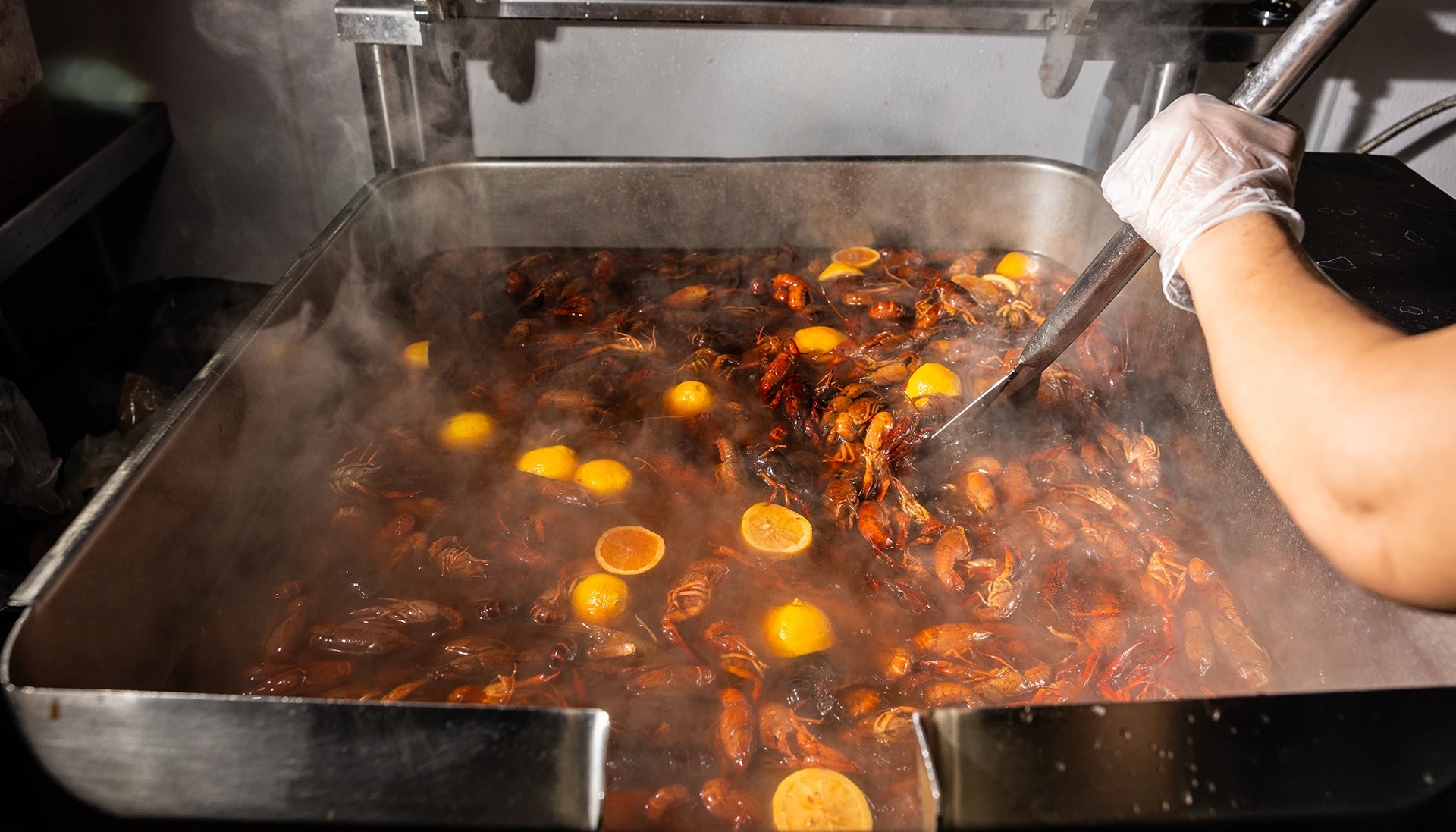
A modest spice shelf with paprika, cayenne, black pepper, thyme, and bay leaves lets you create a basic Cajun blend at home. Frozen okra and corn are affordable vegetables that hold up well in seafood boils and rustic restaurant‑style preparations.
With these accessible ingredients, bold, comforting Cajun food is possible on any budget.
Techniques That Reward Beginners and Pros
Great techniques can lift both a beginner’s weeknight gumbo and a pro’s showpiece étouffée, and many cooks can master these methods with practice.
Start with a proper roux, which should be cooked low and slow while being stirred constantly so the different color stages develop and add depth.
Building flavor relies on the Cajun holy trinity of onion, bell pepper, and celery, and these vegetables should be sweated rather than browned to produce a subtle sweetness.
Flavor develops progressively when dishes are seasoned throughout the cooking process and tasted at each stage, with cayenne, thyme, or file powder used as appropriate to the dish.
Using stock made from shells or bones creates richer seafood and Cajun cuisine, although good store-bought stock can be reduced to produce satisfying results.
Finishing a dish with attention to texture, such as including crispy bits, tender proteins, and a bed of rice or crusty bread, helps bring a plate together.
With patience and attention, dishes from a home kitchen can stand alongside plates served in a Cajun restaurant.
Why Cajun Food Brings People Together
Those same techniques that build deep, comforting flavors also create moments people want to share. Cajun food often invites hands-on participation, from peeling shrimp to stirring gumbo and seasoning a simmering pot, so guests naturally join in.
Meals in a Cajun restaurant are communal by design, with big pots, long tables, and plates passed around to encourage conversation and laughter. The spice and smoke of Cajun cuisine spark stories about family recipes, local haunts, or the last time someone burned the roux, and those stories braid generations together.
Music and movement often accompany the food, turning a simple dinner into a celebration. Because Cajun dishes provide both comfort and challenge, they pull people close and make every bite a reason to linger, reminisce, and plan another shared seafood-centered meal.