Looking for Cajun Food Tonight Here Is What to Know
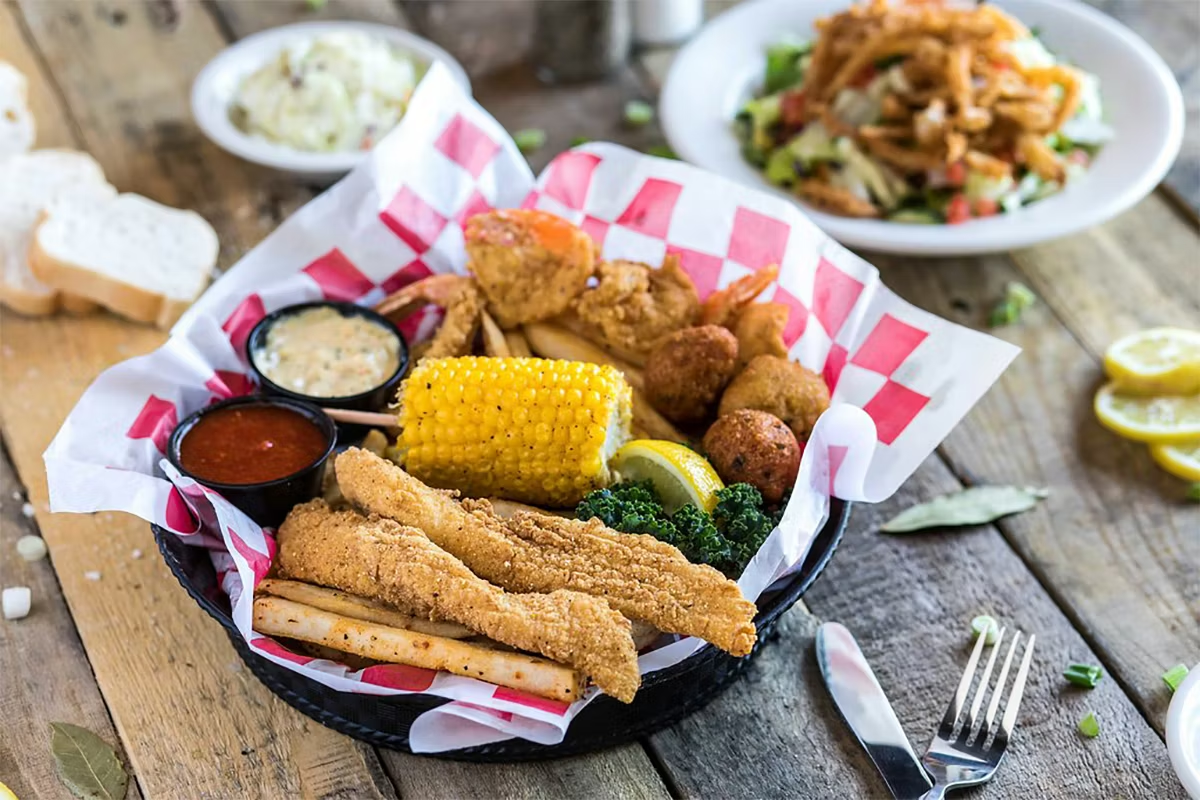
If you are hunting for Cajun food tonight, look for menus that list gumbo, jambalaya, or house-made andouille and Gulf seafood. Cajun cuisine often features rustic, hearty flavors built on a dark roux, smoky sausage, and bold peppery heat. Portions at many places tend to be generous, so restaurants commonly serve dishes large enough for sharing or for taking home as leftovers. Small, family-run spots frequently highlight regional seafood and traditional preparations, and Razzoo’s Cajun Cafe is one example of a place that emphasizes authentic Cajun dishes. Keep an eye out for menus that balance spice levels and show a respect for classic techniques.
What Makes Cajun Different From Creole?
Although both cuisines come from Louisiana and share many ingredients, Cajun and Creole cuisines reflect different histories and techniques.
Cajun cooking grew from rural, resourceful families who stretched simple, local ingredients into hearty dishes that often feature smoked meats and rustic seasonings. A Cajun restaurant typically serves one-pot meals and seafood prepared with bold, earthy spices and straightforward techniques such as smoking, braising, and slow simmering.
Creole food developed in urban New Orleans kitchens and blends French, Spanish, African, and Caribbean influences while often using tomatoes, butter, and more refined sauces. When comparing Cajun cuisine and Creole cuisine, you’ll notice that Creole dishes tend to offer layered, delicate flavors and sauces built on roux and aromatics, whereas Cajun food emphasizes rustic comfort and robust seasoning.
Must-Order Cajun Dishes Tonight
If you want a true taste of Cajun cuisine tonight, start with dishes that showcase bold spices, smoky proteins, and hearty, saucy comfort. Think gumbo, jambalaya, and blackened fish as dishes that highlight the best of Cajun food.
Order a dark roux gumbo with andouille and chicken over rice for deep, savory richness and a satisfying texture. Choose jambalaya when you want a one-pot meal loaded with tomatoes, peppers, and spicy sausage tied to tender rice. Blackened fish or shrimp seared in a peppery crust locks in moisture and flavor and makes a great seafood option at a Cajun restaurant.
If you’re sharing, a crawfish boil or shrimp creole offers communal favorites to sample. Round the meal out with cornbread or dirty rice to soak up sauces and finish with beignets for a sweet ending.
How Spicy Is Cajun Food?
Cajun food leans toward bold, assertive heat but isn’t uniformly fiery. The heat in Cajun cuisine often comes from black pepper, cayenne, and spicy sausages like andouille rather than from fresh chiles. Dishes in a Cajun restaurant can range from mildly peppery to tongue-numbing depending on the recipe and the cook.
Gumbo and jambalaya are often balanced so that spice supports depth rather than dominating. Blackened fish brings intense heat on the crust while the fillet inside can be gentle. Sausages and peppery étouffée provide lingering warmth.
Diners who are sensitive to spice can request milder seasoning or ask for sauce on the side, and lovers of heat can ask for extra cayenne or hot sauce. Cajun cooks generally expect customers to taste first and then adjust to their liking.
Quick Ordering Tips: Portions, Sides, and Swaps
Before ordering Cajun food at a Cajun restaurant, have a game plan so portions, sides, and swaps leave you satisfied without waste.
Check portion sizes because Cajun cuisine dishes can be hearty. If you’re sharing, consider ordering one entrée to split or asking whether smaller portions are available.
Balance heavy mains with lighter sides such as steamed vegetables, rice, or a simple salad to avoid feeling overly full. Swap fried components for grilled or blackened options when possible to reduce greasiness.
Ask about protein sizes because shrimp or sausage servings can vary. Request sauces or dressings on the side to control flavor and spice.
Speak up about dietary needs since most kitchens can accommodate swaps. Keep in mind that asking for a takeout container for leftovers helps prevent waste.
Where to Find Authentic Cajun Tonight
Head out to neighborhoods known for their Louisiana communities or look for Cajun restaurants that advertise staples like gumbo, jambalaya, and boudin to find authentic Cajun cuisine tonight. Check local reviews and community forums for spots run by Louisiana transplants, because those kitchens tend to stick to tradition.
Small, family-owned Cajun restaurants, seafood markets with hot-food counters, and po’boy shops often serve straightforward, well-seasoned plates. Ask servers whether recipes come from home cooks and whether sausage and stocks are house-made when you want to know more about the seafood and Cajun food preparations.
Farmers’ markets and food trucks can also turn out genuine Cajun dishes when vendors source regional spices and fresh seafood. If a place leans heavily on gimmicks or fusion, it’s probably not the traditional Cajun experience you’re seeking.
Late-Night Cajun Options and Crawfish Boils
If you’re craving late-night Cajun cuisine, you’ll find diners, food trucks, and neighborhood joints serving gumbo, jambalaya, and po’boys well past midnight. These spots often offer bolder spice and generous portions that reflect classic Cajun food traditions.
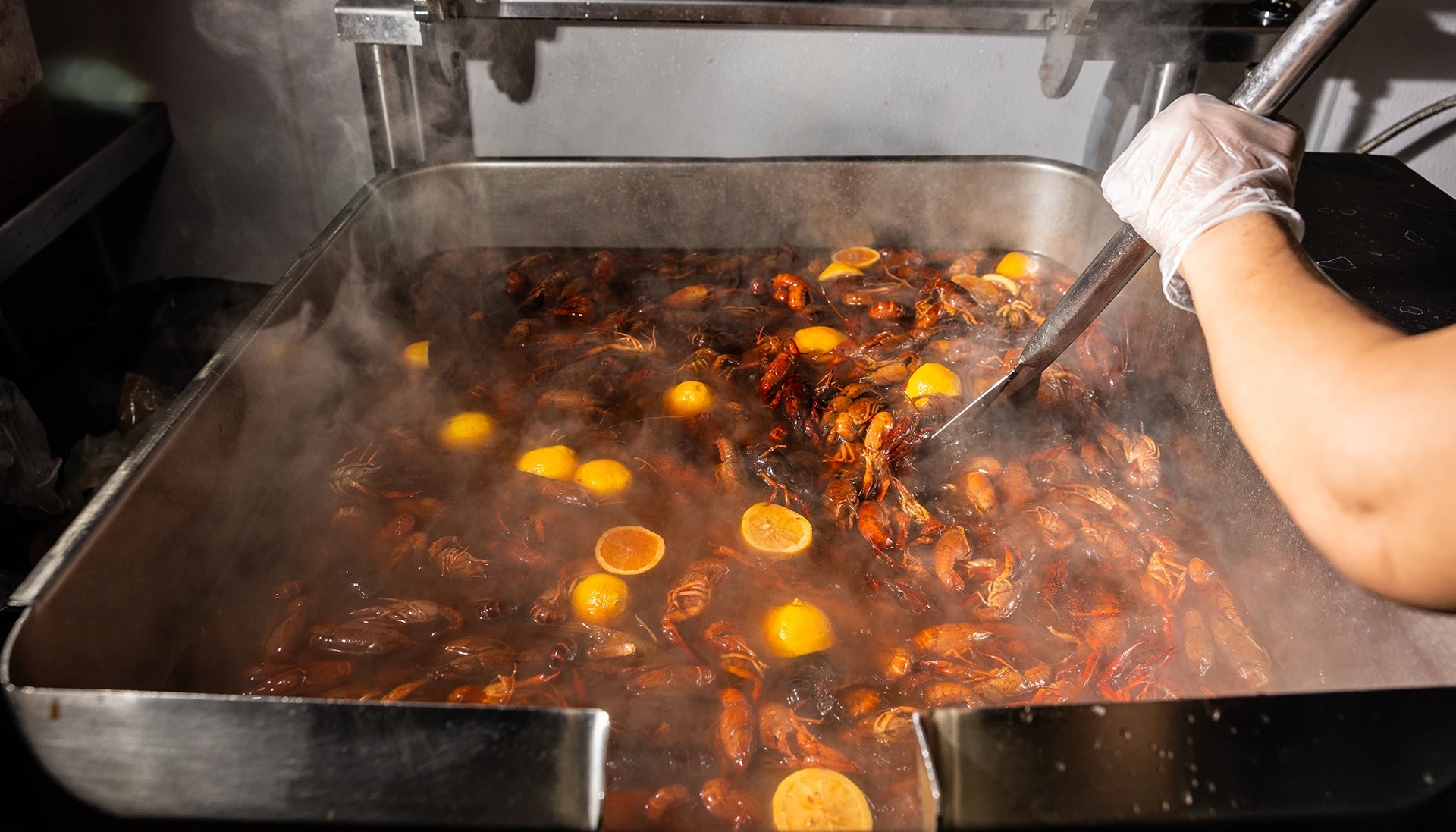
Look for establishments near bars or music venues, since many Cajun restaurants cater to night crowds and serve hearty plates that travel well. For crawfish boils, seek seasonal pop-ups, community boils, or restaurants advertising live boils, as these seafood events are social, messy, and best shared.
Expect newspaper-covered tables, mallets, and hands-on peeling at a boil, and remember that prices can be by the pound so it’s wise to plan portions for your group. If you’re ordering late, call ahead to confirm availability because crawfish and some sides can sell out quickly.
How to Spot Real Cajun on a Menu
When you scan a menu for authentic Cajun cuisine, look for straightforward, ingredient-driven descriptions rather than flashy buzzwords. Real Cajun food highlights local seafood, smoked meats, roux-based sauces, and simple seasonings such as filé, cayenne, and thyme.
You’ll spot classics like gumbo with a dark roux and okra, jambalaya listing andouille or tasso, dirty rice naming liver or ground pork, and étouffée centered on shrimp or crab. Menus that use regional terms such as bayou, boudin, and the trinity (onion, celery, bell pepper) reflect strong culinary roots.
When a Cajun restaurant emphasizes house-made sausage, fresh Gulf catch, and cooking techniques like smoking, braising, and long simmering, the preparation is likely genuine. Avoid menus that rely on vague “Cajun-style” labels without specific ingredients or preparations.
Spot Authentic Cajun Fast: Reviews, Photos, and Questions to Ask
If you want to judge Cajun authenticity quickly, start by reading recent reviews and looking at clear photos of the Cajun food and seafood offerings. Reviews that mention a dark roux, andouille, tasso, rice-and-gravy preparations, and a proper spice balance are especially informative. Comments from reviewers who are from Louisiana or who identify as long-time fans of Cajun cuisine tend to be the most reliable.
Photos can reveal important details about a Cajun restaurant’s dishes: gumbo should appear rich and brown, étouffée should look glossy over rice, and boudin should show a coarse grain. Ask whether the kitchen smokes its own sausage, sources local seafood, or follows family recipes to understand how closely the menu follows tradition. If staff answers are vague or the photos show pale, saucy presentations, the restaurant is likely adapting its Cajun cuisine to broader tastes rather than sticking to authentic methods.