Cajun Cooking Methods That Make All the Difference
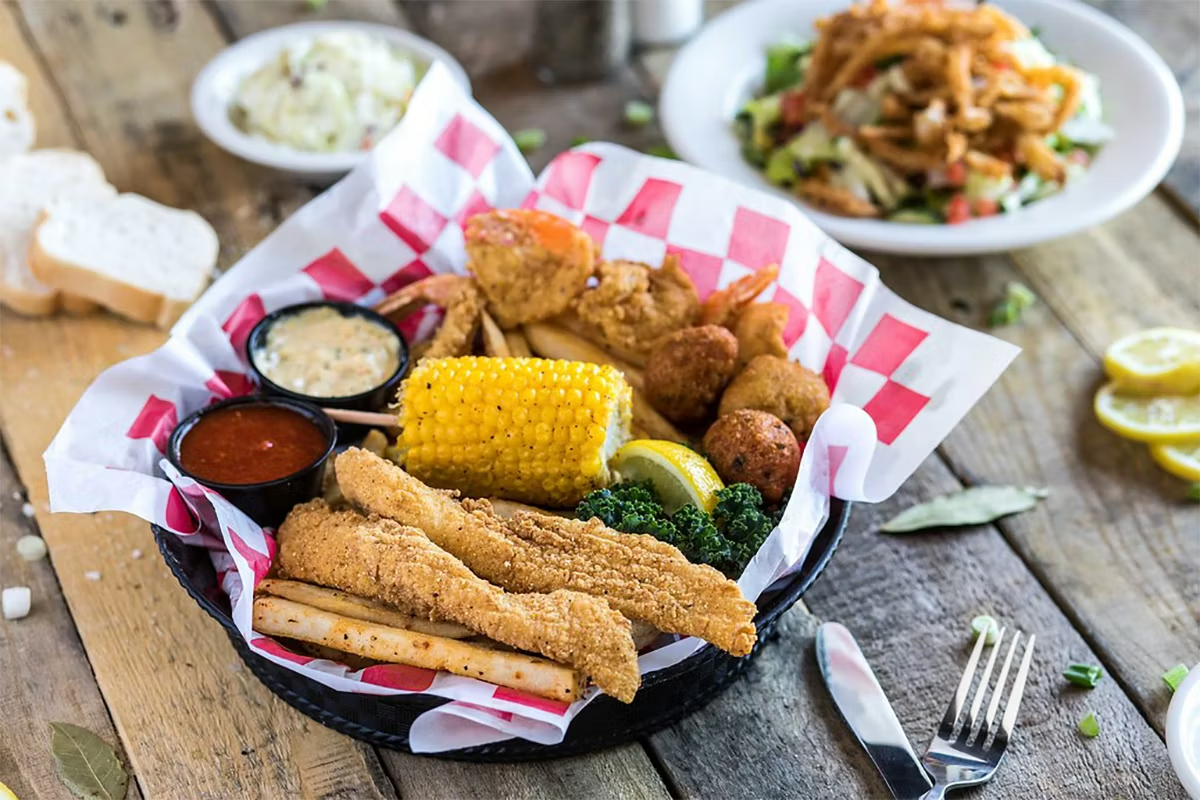
You’ll learn how timing, heat, and simple aromatics turn ordinary ingredients into unmistakable Cajun flavor in classic Cajun cuisine. Start with a properly toasted roux because the color and aroma of the roux set the foundation for many Cajun dishes. Sweat the holy trinity gently to coax out sweet, savory, and aromatic notes that complement seafood and proteins. Sear proteins hot to build depth of flavor and develop those caramelized edges that define much of Cajun food. I’ll show practical steps for making gumbo and étouffée and for smoking meats, and I will also explain fixes for common problems when things go sideways so you can get the results that really matter. I include a nod to real-life inspiration from Razzoo’s Cajun Cafe in my descriptions to help set the scene.
Cajun Cooking Essentials: Timing, Heat, and Spice
Cajun cooking relies on timing, heat, and the right balance of spice to shape every bite. In Cajun cuisine, a hot pan is essential before ingredients are added in the correct order, and bold seasoning pulls the dish together. Chefs in a Cajun restaurant control heat to build texture by searing proteins on high, reducing heat for simmering, and maintaining sauces at a steady bubble.
Time serves as the rhythm in Cajun food; browning shouldn’t be rushed, and vegetables shouldn’t be over-simmered to the point that they lose their bright flavor. Spice blends are measured and then tasted so that Cajun heat becomes layered rather than merely loud. Oils or fats that tolerate high temperatures are used, and cooks watch for color changes as a cue to proceed. When timing, heat, and spice are balanced, seafood and other ingredients in Cajun cuisine achieve their signature harmony.
Layer Aromatics: Holy Trinity and Sofrito Options
Across Cajun kitchens, the "Holy Trinity"—onions, bell peppers, and celery—forms the aromatic base on which most dishes are built, and sofrito-style blends offer regional variations by adding garlic, tomatoes, and herbs.
You sweat the trinity low and slow to coax sweetness and meld flavors, stirring until the vegetables soften but don’t brown.
You can swap or add diced garlic, fresh tomatoes, green onions, parsley, or cilantro to match the dish and local tastes in Cajun cuisine.
Finer dice melts into stews while chunkier pieces give bite in étouffées, jambalayas, and many seafood preparations.
Tasting as you go lets you adjust salt, pepper, and heat so the aromatics provide depth that carries through the whole dish in a Cajun restaurant or home kitchen.
Sear for Flavor: High-Heat Browning Techniques
Sear meats and seafood over high heat to build deep, complex flavors that form the caramelized crusts and fond which give Cajun dishes such as gumbos, étouffées, and jambalayas their backbone. Use a hot, dry pan and just enough oil with a high smoke point to promote clean, controlled browning. Pat proteins dry, season simply, and avoid overcrowding the surface because crowding drops temperature and causes steaming instead of browning.
Allow a good crust to form before flipping pieces and resist the urge to move them too soon to ensure proper caramelization. For shrimp and scallops, quick, intense contact with the pan produces color without overcooking the delicate seafood. Deglaze the pan with a splash of stock or wine after searing to lift the flavorful bits and use that liquid to enrich the sauce for your Cajun cuisine or a dish served in a Cajun restaurant. Clean, controlled browning multiplies savory depth and reinforces the bold flavors associated with Cajun food.
Build a Perfect Cajun Roux: Color, Time, and Heat
Master the roux because it forms the backbone of Cajun sauces and gives Cajun cuisine its deep flavor and color.
You toast equal parts fat and flour over controlled heat while stirring constantly to prevent burning.
The color shifts from blond to peanut-butter, then to copper and finally to deep chocolate, and each stage contributes distinct flavor and thickening power to seafood stews and other Cajun dishes.
Clarified butter or oil encourages quicker darkening, while lower heat promotes slower development of nuttiness.
A blond roux takes only a few minutes to reach, whereas a dark roux can require thirty to forty-five minutes of patient attention in a busy Cajun restaurant kitchen.
Smell and sight serve as reliable guides, and stopping before the roux becomes bitter prevents scorch.
Straining is only necessary when required, and adding liquid gradually while whisking produces the glossy, velvety base that elevates Cajun food.
Simmer Low and Slow for Gumbo, Étouffée, and Stews
Simmering gumbo, étouffée, and other stews low and slow lets flavors meld without toughening proteins or breaking down vegetables. Keeping the heat barely above a whisper allows stock, roux, and seasonings to marry gently.
Stirring occasionally prevents the roux from clinging, and skimming foam improves clarity. Adjusting seasoning late helps avoid early salt concentration.
Adding shrimp and crab near the end preserves tender seafood textures, while longer simmering for chicken and sausage allows collagen to convert to silkiness. Maintaining a steady, patient simmer instead of a rolling boil and using a heavy-bottom pot ensure even heat distribution.
The result is deeper, rounded flavors and a pleasing, velvety mouthfeel that define authentic Cajun cuisine served in many Cajun restaurants and enjoyed at home.
Smoke, Brine, and Cure Meats Like a Cajun; Troubleshooting Tips
You have coaxed depth into your gumbo and étouffée, and you can bring that same patience to meat by smoking, brining, and curing the proteins that anchor much of Cajun cuisine. Start brining poultry and pork to lock in moisture by using salt, sugar, and aromatics, and take care not to over-brine because meat can become mushy.
For smoking in a Cajun restaurant or home kitchen, choose hardwoods like hickory or pecan, keep temperatures low (225–250°F), and monitor internal temperature to achieve tenderness without drying.
When curing sausages or country ham for a taste that complements seafood or other Cajun food, follow tested recipes and cure-salt ratios to prevent spoilage and weigh ingredients precisely.
Troubleshooting off-flavors requires checking water quality, wood freshness, and seasoning balance to identify the source of problems. If meat is dry, slice against the grain and serve with sauce, and if it tastes underseasoned, finish with seasoned butter or a pan sauce to enhance the flavors of your Cajun dish.