Why Cajun Food Works for Picky Eaters and Adventurous Ones Alike
Cajun food feels comfy and approachable because it builds on familiar elements like rice, browned meats, and the “holy trinity” of onion, bell pepper, and celery while layering in smoky, savory notes you can adjust to your taste. Cajun cuisine often showcases seafood alongside sausage and chicken, so you get familiar textures alongside bolder flavors that invite customization. Razzoo’s Cajun Cafe highlights how those comforting bases meet spices and sauces in ways that both picky eaters and adventurous diners can enjoy.
How Cajun Food Can Win Over Picky Eaters
Give Cajun food a try and you might be surprised at how quickly it wins you over. You’ll find Cajun cuisine built around straightforward textures and balanced flavors so unfamiliar spices don’t overwhelm.
Start with milder options such as simple browned proteins or slow-simmered stews and you’ll notice smoky, savory notes deepen without demanding heat tolerance. Portions at a Cajun restaurant tend to be hearty and familiar, allowing you to pick one element to taste and become comfortable before mixing in bolder components.
Servers and cooks often tailor dishes at local seafood and Cajun establishments, so asking for gentler seasoning is common. As you sample small bites and control spice levels, Cajun cooking reveals itself as adaptable comfort food that respects picky preferences while inviting one cautious step further.
Key Ingredients That Feel Familiar (Holy Trinity, Sausage, Shrimp, Rice)
Start by getting to know the Cajun pantry, where the holy trinity of onion, bell pepper, and celery anchors most dishes. Common proteins such as smoky sausage, tender shrimp, and plain steamed rice make Cajun cuisine approachable. The trinity gives savory depth without unfamiliar textures, so picky eaters can recognize flavors they already like.
Sausage adds a smoky, meaty familiarity and can be sliced and served with rice or in a stew so people can pick what they want. Shrimp offers a mild, slightly sweet seafood option that pairs well with simple preparations. Rice soaks up sauces and balances bold components, which helps meals feel safe.
Together, these staples let you introduce Cajun food gradually while mixing known elements with gentle culinary adventure.
Using Cajun Seasoning: Layering Flavor Without Relying on Heat
Balancing Cajun seasoning is about building layers of flavor so you don’t have to rely on heat to make a dish interesting. Toasting whole spices briefly helps coax out their aroma before grinding them or using pre-mixed blends sparingly so salty, smoky, and herbal notes can shine through. Seasoning added in stages — a light rub for proteins, a mid-cook sprinkle for the base, and a finishing pinch — creates complexity that works well with Cajun food and seafood preparations.
Paprika, garlic, onion, thyme, and oregano provide savory depth, while cayenne or hot sauce can be reserved for diners who want extra heat. Letting fats like butter or oil carry the spices and deglazing pans to capture browned bits produces bold, nuanced flavors suited to Cajun cuisine served in a Cajun restaurant.
Beginner-Friendly Cajun Dishes to Start With
Cajun food is often more approachable than people expect because it leans on simple techniques and bold, familiar flavors rather than complicated prep or extreme heat. Start with jambalaya, a one-pot meal of rice, sausage, chicken, and a few vegetables that delivers a complete, comforting dinner reminiscent of classic Cajun cuisine.
Shrimp étouffée showcases seafood in a saucy, butter-based dish that coats tender shrimp without challenging textures. Blackened fish provides a quick, impressive option by searing a fillet to create smoky flavor while keeping the inside flaky.
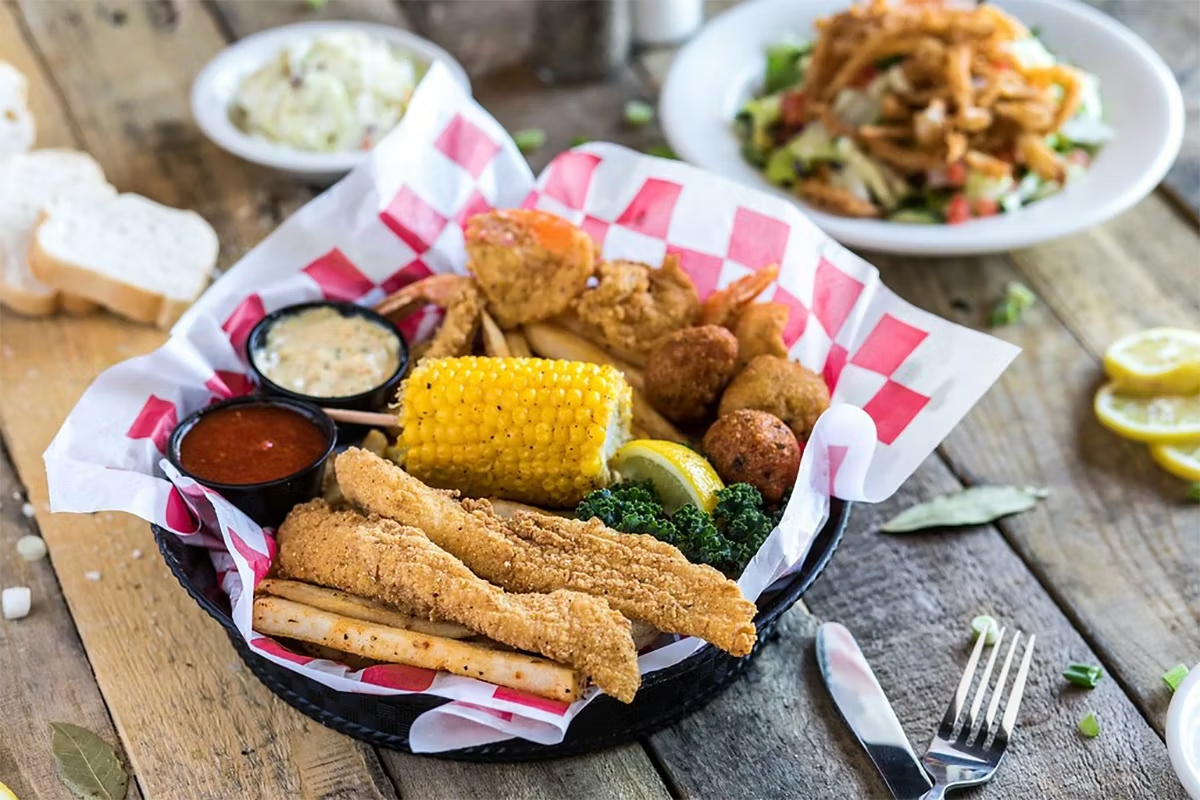
For a snackable choice, hush puppies or Cajun-spiced fries offer familiar comfort with a subtle savory twist. Red beans and rice presents gentle seasoning and a creamy, satisfying bite that highlights the heartiness of Cajun food.
These dishes introduce the style of a Cajun restaurant and the broader Cajun cuisine through accessible ingredients and straightforward steps, helping build confidence before exploring bolder plates.
Make It Mild or Fiery: Practical Tips for Spice, Texture, and Presentation
When you want Cajun food to suit both picky and adventurous eaters, control heat with technique instead of guesswork. You can layer spices so everyone adjusts intensity at the table, and toasting whole spices will deepen flavor without adding burn. Using milder paprika or smoked salt provides smoky notes without extra heat. Offering sauces and toppings on the side—such as remoulade, hot sauce, lemon wedges, and chopped scallions—lets diners customize both intensity and texture.
Balancing crunchy elements like toasted breadcrumbs and fried okra with creamy components such as buttered rice or roux-thickened stews keeps a variety of mouths satisfied. Simple, colorful plating with bright herbs and citrus creates contrast against deep braises and signals more approachable flavors. Taste as you cook and mark dishes mild, medium, or hot so guests know what to expect.