The Cajun Food Orders That Never Disappoint
When you spot “Cajun” on a menu, reach for bold, browned flavors that combine savory, smoky, and spicy notes all at once. Cajun cuisine often arrives piled on rice or ladled with thick sauce, and seafood dishes and spicy sausages frequently appear to round out the plate. Razzoo’s Cajun Cafe is a place that celebrates the hearty, rustic flavor profile that defines Cajun food, and many orders there showcase crisp blackened fillets or rich, saucy seafood stews. I will walk you through a few orders that reliably satisfy and explain what to ask your server before you commit.
What “Cajun” on the Menu Really Means
When you see "Cajun" on a menu, don’t assume it refers to a single strict recipe because it describes a flavor style rooted in rural Louisiana that emphasizes bold, rustic seasoning and hearty cooking techniques.
Cajun cuisine often centers on a few core elements, including the holy trinity of onion, bell pepper, and celery. Toasted spices such as cayenne, paprika, and black pepper commonly appear in Cajun food.
Cooking methods that build depth—browning, simmering, and smoking—are hallmarks of the style. Cajun restaurant dishes prize texture and savor, delivering crispy edges, thick sauces, and homespun one-pot meals.
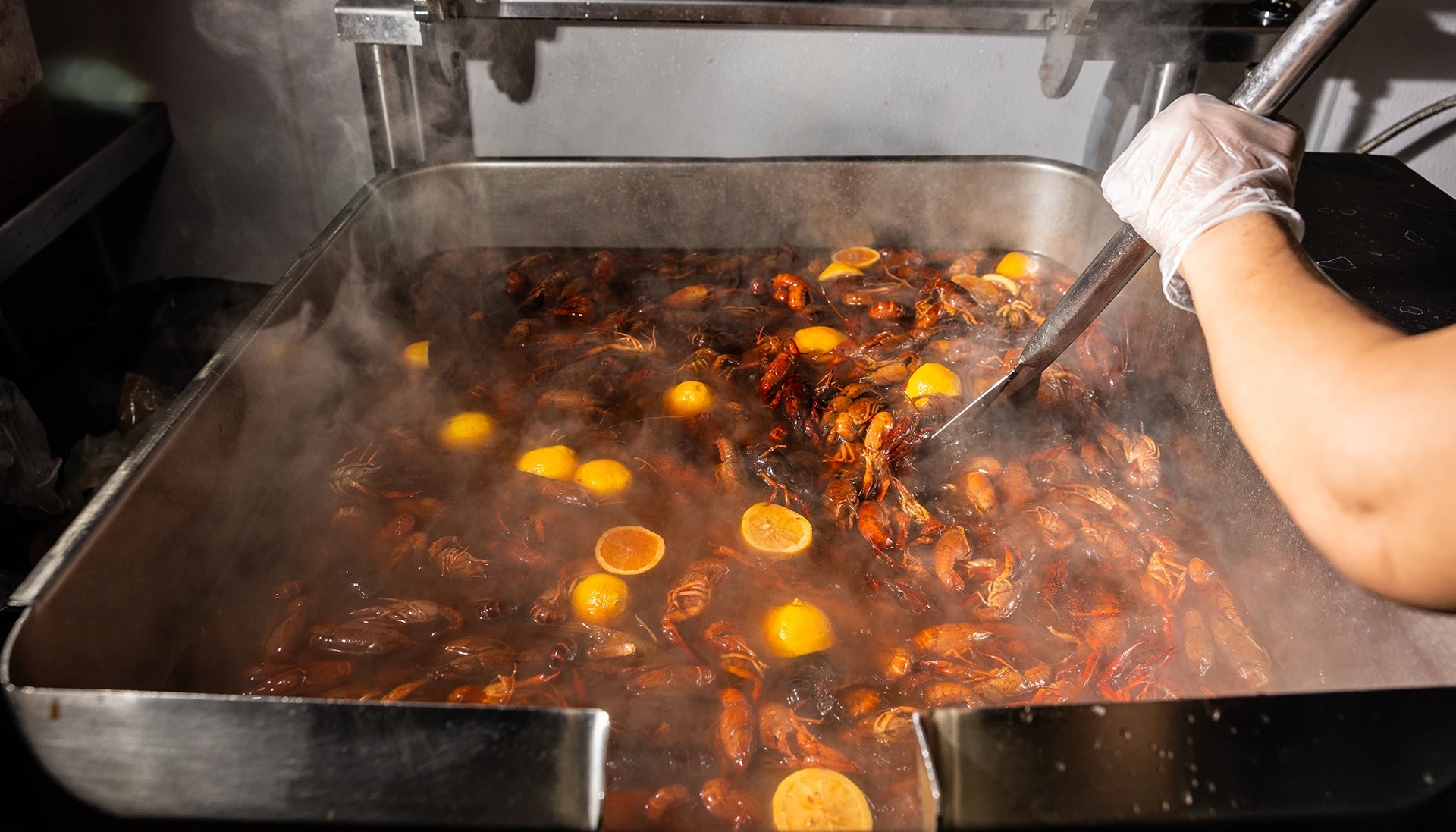
The cuisine is flexible and adapts to local ingredients ranging from crawfish and shrimp to smoked sausage. Cajun seafood preparations frequently balance heat with smoky, savory notes rather than with overwhelming chili burn.
When you order Cajun fare, you can expect robust, straightforward comfort with distinct regional character.
Top 6 Must-Order Cajun Dishes (Quick Checklist)
If you want a fast way to sample authentic Cajun flavor, order these six dishes because they showcase Cajun cuisine’s heat, smoke, and hearty textures without any guessing.
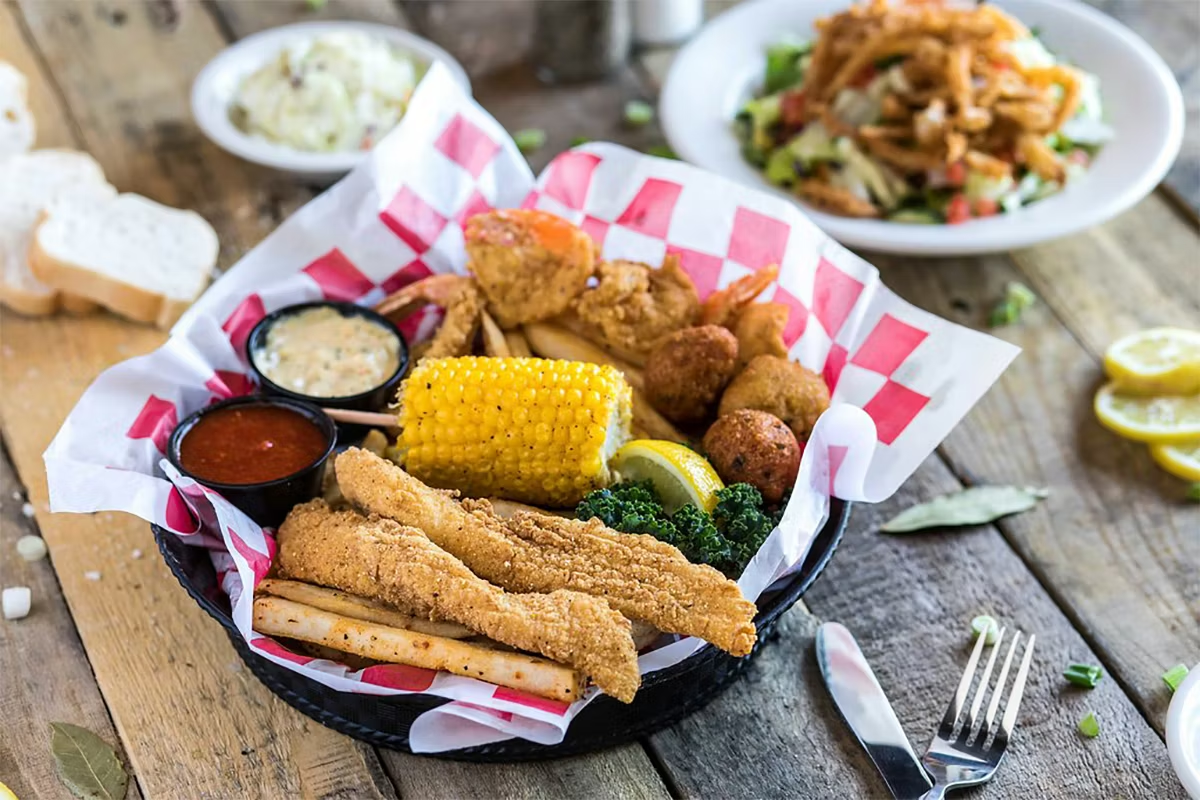
First, try blackened redfish or catfish, which are spice-crusted, seared, and flaky.
Next, get a plate of jambalaya, a Cajun food classic with rice, smoked sausage, chicken, and shrimp cooked together for bold, unified tastes.
Don’t miss boudin, a savory pork and rice sausage that you can eat by the link or in balls.
Fried alligator or oyster po’boys provide a crisp, briny contrast that pairs well with seafood-focused menus.
Sample smoked tasso or andouille on its own or in small plates to taste concentrated spice.
Finish with crawfish étouffée or shrimp étouffée, both rich and saucy options that are perfect for spooning over rice.
Gumbo : Order a Perfect Dark-Roux Bowl
You sampled jambalaya and étouffée, and now you should pick gumbo to taste Cajun cuisine’s deepest, smokiest layer. You’ll want a dark roux—nutty and almost chocolate-brown—for that signature backbone.
Ask whether the kitchen uses filé or okra, since both thicken the broth but filé adds an earthy, herbal finish while okra keeps the texture silky.
Choose proteins to match your mood, with tender duck or smoked sausage offering rustic heft and shrimp or crab providing a briny, seafood lift.
Pay attention to seasoning, because Cajun gumbo balances heat, bay, and thyme without overpowering the roux.
Spoon it over rice or savor the bowl on its own, and let the aroma and texture unfold. A well-made gumbo reveals the soul of Cajun food in a single bowl.
Jambalaya – Cajun vs. Creole: Which to Choose?
Wondering which jambalaya fits your taste—Cajun’s rustic, one-pot spice or Creole’s saucier, tomato-laced profile? You’ll pick Cajun jambalaya if you want bold, smoky bites where rice cooks with browned meat and trinity aromatics, absorbing spicy, savory heat. Cajun cuisine delivers a hearty, straightforward experience that’s perfect when you crave concentrated flavor without extra sauce.
You should choose Creole jambalaya when you prefer a brighter, tangier dish because tomatoes add acidity and the sauce lets flavors mingle more openly, often with shellfish or tender cuts. Both styles showcase local seasonings found in Cajun food and seafood dishes, but texture and moisture differ—Cajun jambalaya is drier and punchy while Creole jambalaya is wetter and more layered. Decide by whether you want forkfuls of concentrated spice or saucier, tomato-forward comfort.
Cajun Étouffée : Rich, Saucy Comfort
After enjoying the contrasting textures of jambalaya, try étouffée for a saucier, silkier take on Cajun comfort.
Étouffée coats rice in a glossy, flavorful gravy built from a dark roux, the holy trinity of onions, bell pepper, and celery, and a concentrated stock that lets shellfish or chicken shine.
You’ll notice the depth that comes from browning flour and fat slowly until it smells nutty, then adding aromatics and simmering until the flavors meld.
Spooned over steaming rice, each bite balances richness and bright seasoning.
A sprinkle of parsley and a dash of hot sauce lift the dish and highlight the best elements of Cajun cuisine served in a casual Cajun restaurant or at a seafood-focused table.
Order étouffée when you want warming, saucy satisfaction with straightforward Cajun character.
Fried Seafood – Oysters & Catfish: What to Ask
Ask how the seafood is sourced and prepared before ordering fried oysters or catfish, since freshness and handling make the biggest difference in texture and taste.
Ask whether oysters are shucked to order or pre-shucked, how catfish is filleted and soaked, and if the kitchen uses local suppliers or wild-caught sources.
Ask about the batter or breading, because cornmeal gives a crisp, gritty crust while flour yields a lighter shell, and ask whether the coating is seasoned in-house or with a pre-made mix.
Ask what type of cooking oil the kitchen uses and how often it’s changed to avoid off-flavors.
Ask whether items are fried to order or held under heat lamps, and request a test bite or a half order when available so you can judge seasoning and doneness before committing to a full plate.
Blackened Fish or Chicken : Get Spice Without Regret
If you liked controlling how fried seafood is handled, you’ll want the same level of control with blackened fish or chicken because heat and spice will make or break the dish.
Ask how spicy the house Cajun blend is and whether they can tone it down, since Cajun restaurants vary from mildly smoky to searing.
Specify your preferred protein and its thickness so cooks in the Cajun kitchen know how long to char without drying the meat.
Request a choice of butter or oil, because clarified butter adds richness while a neutral oil keeps the seafood flavors cleaner.
If you prefer a crusted exterior with a juicy interior, order cooking at medium-high heat with a quick sear rather than prolonged charring.
Pair the dish with citrus or a cooling slaw to balance the heat of Cajun cuisine so you can enjoy bold flavor without regret.
Cajun Red Beans & Rice : Hearty Weekday Order
Savor a steaming bowl of Cajun red beans and rice when you want a filling, low-fuss weekday meal that still tastes like home.
The creamy red beans simmer with onion, celery, and bell pepper, and they’re gently spiced with bay leaf, thyme, and a kiss of cayenne.
Tender beans meld with smoky broth and a scoop of fluffy white rice for perfect balance in this classic Cajun cuisine dish.
Leftovers deepen in flavor and reheat beautifully, delivering modest heat, rich texture, and soul-satisfying simplicity.
This hearty offering fits well on a Cajun restaurant menu alongside other Cajun food or seafood options and pairs nicely with crusty bread or pickled vegetables for a crunchy contrast.
Boudin & Andouille : How to Try Cajun Sausages
Plunge into Cajun cuisine by starting with boudin and andouille, two staples that show how rustic ingredients become bold, smoky comfort.
Boudin is soft and made from a rice-and-pork mixture seasoned with herbs, onion, and celery, and it’s often steamed or grilled until the casing gives way to a rich, moist filling.
Andouille arrives smoked and coarse, and its peppery kick cuts through fattier dishes while anchoring stews, poboys, and other favorites of Cajun food.
Order both at a Cajun restaurant to compare textures and spice levels, noting boudin’s gentle, homey savor versus andouille’s assertive heat and smoke.
When tasting them, pay attention to balance among fat, smoke, and herbs, and enjoy them simply sliced and warm alongside plain bread or pickles that refresh the palate between bites.
Ask Your Server : Portions, Spice, Substitutions, and Pairings
When you sit down, ask your server about portion sizes, heat levels, and easy substitutions so you can choose Cajun cuisine that matches your appetite and tolerance for spice. Tell the server whether you prefer mild, medium, or fiery seasoning because Cajun restaurant kitchens can adjust the spices or bring hot sauce to the table.
Ask which plates are intended for sharing, since jambalaya and gumbo frequently come in generous portions while étouffée often appears in smaller servings. Request substitutions when you have allergies or dislikes, such as swapping rice for greens, removing sausage from a dish, or asking for shrimp instead of chicken.
For beverage pairings, take the server’s recommendation because a crisp beer or slightly sweet iced tea can tame heat and a citrusy white wine can brighten a rich roux. Trusting the server’s guidance helps tailor a satisfying meal at a Cajun restaurant and makes the most of seafood and other regional specialties.