Cajun Seafood Dishes That Deserve More Credit
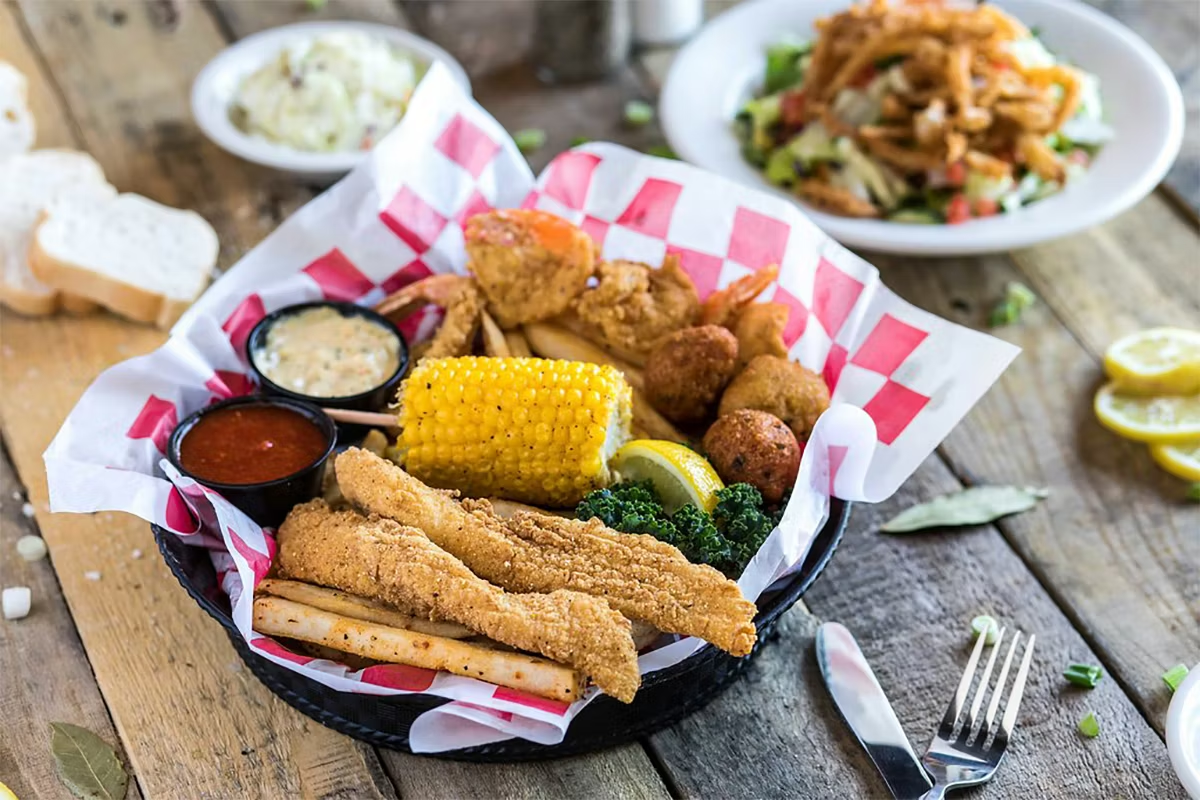
You probably know gumbo and jambalaya, but Cajun cuisine offers a wider seafood world waiting to be explored. In Cajun food traditions you’ll find smoked pompano and backfin crab cakes that showcase coastal flavor. Crawfish étouffée appears as a rich, bubbling stew that highlights the sweetness of the crustaceans, and delicate soft‑shell preparations use simple techniques to coax deep, savory flavor from Gulf bounty. Razzoo’s Cajun Cafe celebrates a mix of preservation tricks, bright sauces, and rustic stews that can change how you think about Cajun seafood.
Best Lesser-Known Cajun Seafood Dishes to Try at Home
Plunge into Cajun cuisine beyond jambalaya and gumbo, and you’ll find bold, simple dishes that you can recreate in a weeknight kitchen.
Start with crawfish étouffée, a rich, roux-thickened sauce spooned over rice that benefits from using shell-on crawfish or tails for deep flavor.
Blackened redfish delivers a smoky edge when a hot cast-iron skillet sears a spice crust in minutes, leaving the flaky fish perfectly seasoned.
Shrimp bordelaise simmers shrimp in garlic, Worcestershire, and butter until they turn just pink and fragrant.
Stuffed crab combines picked crab with breadcrumbs, green onions, and Creole seasoning before baking until golden, showcasing classic Cajun seafood flavors.
These dishes rely on basic techniques and pantry spices, offering authentic Cajun food without rare ingredients or long prep times.
Cajun Smoked & Cured Seafood (Mullet, Pompano, Fish Jerky)
After you have mastered quick stovetop favorites like étouffée and blackened fish, turn some attention to preserved seafood as an age-old Cajun way to keep coastal catches flavorful for weeks.
Smoked mullet and pompano carry a deep, briny smoke that shines on a cracker or folded into a po’boy at a Cajun restaurant.
Thin slices of cured fish that are salted, spiced, and dried make a satisfying snack with beer and add a concentrated seafood punch when crumbled over a salad.
Fish jerky, often marinated in cayenne and brown sugar, provides chew and heat that pairs well with cold beer or sweet tea.
These preservation techniques stretch your catch, reduce waste, and deliver portable, intensely flavored seafood reminiscent of classic Cajun cuisine along the Gulf.
Cold Cajun Seafood: Remoulade, Ceviche, and Oyster Plates
Cold Cajun seafood is often served chilled and shows a cooler, sharper side of Gulf flavor while still delivering bold spice and bright acid. Remoulade brings a creamy snap to Cajun cuisine, with mustard, cayenne, and pickles lifting chilled shrimp or crab without weighing them down.
Ceviche takes Gulf fish and dresses it in citrus and chiles so the flesh brightens and the heat lingers, and fresh herbs and celery’s crunch come through in every bite. Oyster plates let briny, mineral oysters stand beside mignonette, horseradish, or pepper sauce so diners can control the intensity.
These Cajun food preparations emphasize texture and balance, using acid to cut richness, spice to awaken the palate, and chilled temperatures to refresh. You’ll find this style of seafood commonly featured on the menu at a Cajun restaurant.
Shellfish Worth More Attention: Soft‑Shell Crab & Backfin Cakes
When you want something that feels both delicate and substantial, reach for soft‑shell crab or backfin cakes, which each showcase Gulf shellfish in a different and unforgettable way.
A lightly crisped soft‑shell served whole is tender and lets you taste sweet crab meat with every bite, and a squeeze of lemon and a scatter of herbs amplify rather than mask the flavor.
Backfin cakes offer concentrated flaky crab packed into a golden crust and present a bold texture with a richer, seasoned profile that complements Cajun cuisine and other seafood traditions.
Both options pair well with simple accompaniments such as slaw, pickled vegetables, or a restrained aioli so the shellfish stays front and center.
You can enjoy these dishes in a Cajun restaurant or as part of a broader celebration of Cajun food, and they work beautifully when grilled, fried, or broiled to highlight subtle contrasts.
Stews Past Gumbo: Courtbouillon and Shrimp Bordelaise
Beyond gumbo’s dark, roux-rich fame, Cajun cuisine also includes stews such as courtbouillon and shrimp bordelaise that celebrate brighter broths and straightforward technique, allowing seafood to shine.
Courtbouillon relies on a tomatoey, aromatic stock built from onions, celery, bell pepper, garlic, and herbs, which is simmered gently so fish or shrimp remain tender.
Shrimp bordelaise centers on pan-poached shrimp finished with a garlicky, parsley-bright sauce that’s often lifted with a splash of wine or stock, creating an intimate dish served over rice or crusty bread to soak up the sauce.
Both dishes prioritize fresh catch, precise timing, and careful seasoning over complexity, and they showcase how simple techniques and bright flavors highlight Gulf seafood within Cajun food and in a Cajun restaurant setting.
Bayou Budget Dishes: Clams, Boil‑Ins, and Fish‑Head Stews
Bayou budget dishes are born from resourcefulness as much as flavor, and they turn humble clams, communal boil‑ins, and fish heads into satisfying, economical meals.
You can recognize clams simmered with garlic, onions, and cayenne as a briny, quick stew that stretches meatless nights into something soulful within Cajun cuisine.
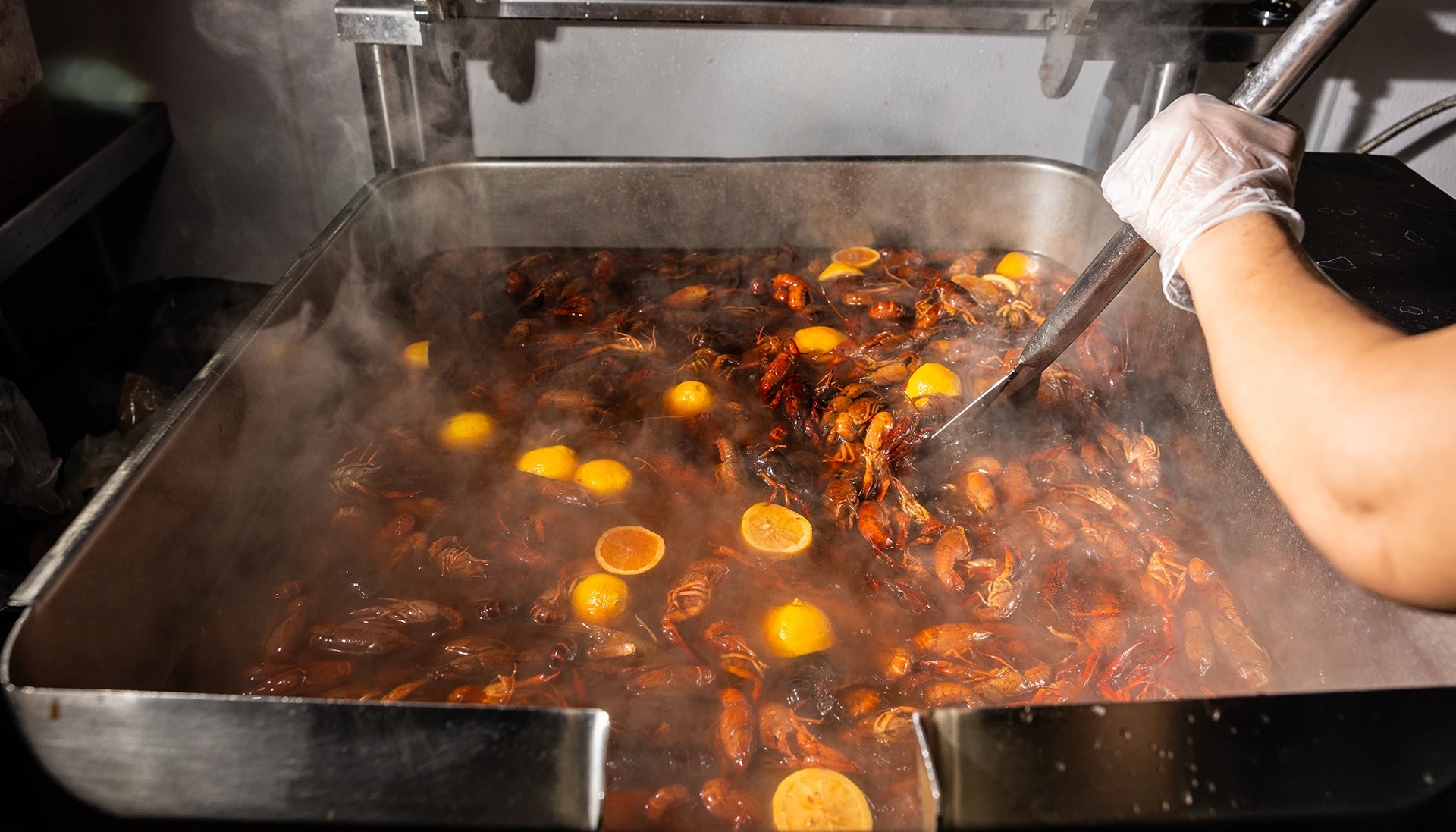
Boil‑ins—piles of shellfish, corn, potatoes, and sausage—invite communal eating and showcase straightforward seasoning that highlights freshness over fuss in a casual Cajun restaurant setting.
Fish‑head stews use collagen and bones to create silky broths that are flavored with the trinity, hot pepper, and a splash of acid so nothing tastes muddy.
These dishes demonstrate how simple ingredients, bold seasoning, and communal eating deliver deep, inexpensive comfort while retaining true Cajun character and seafood tradition.
How to Source, Adapt, and Cook These Dishes Where You Live
Across regions and seasons, sourcing ingredients for Cajun cuisine requires knowing which substitutions work and where to find fresh, affordable seafood. Check local fish markets, Asian groceries, and community co‑ops for clams, mussels, and inexpensive firm white fish when shopping for Cajun food.
If Gulf shrimp are unavailable, smaller local shrimp or firm scallops make suitable replacements, and catfish can be swapped for pollock or tilapia in stews served at a Cajun restaurant or made at home. Buying frozen seafood is a sensible option when fresh prices spike because flash‑frozen products preserve texture and flavor.
Maintain the essential aromatics of Cajun cuisine by including onion, celery, bell pepper, garlic, and smoked paprika or cayenne, and handle shellfish and fish gently so the seafood remains tender, finishing dishes with herbs and a squeeze of citrus to brighten the flavors.