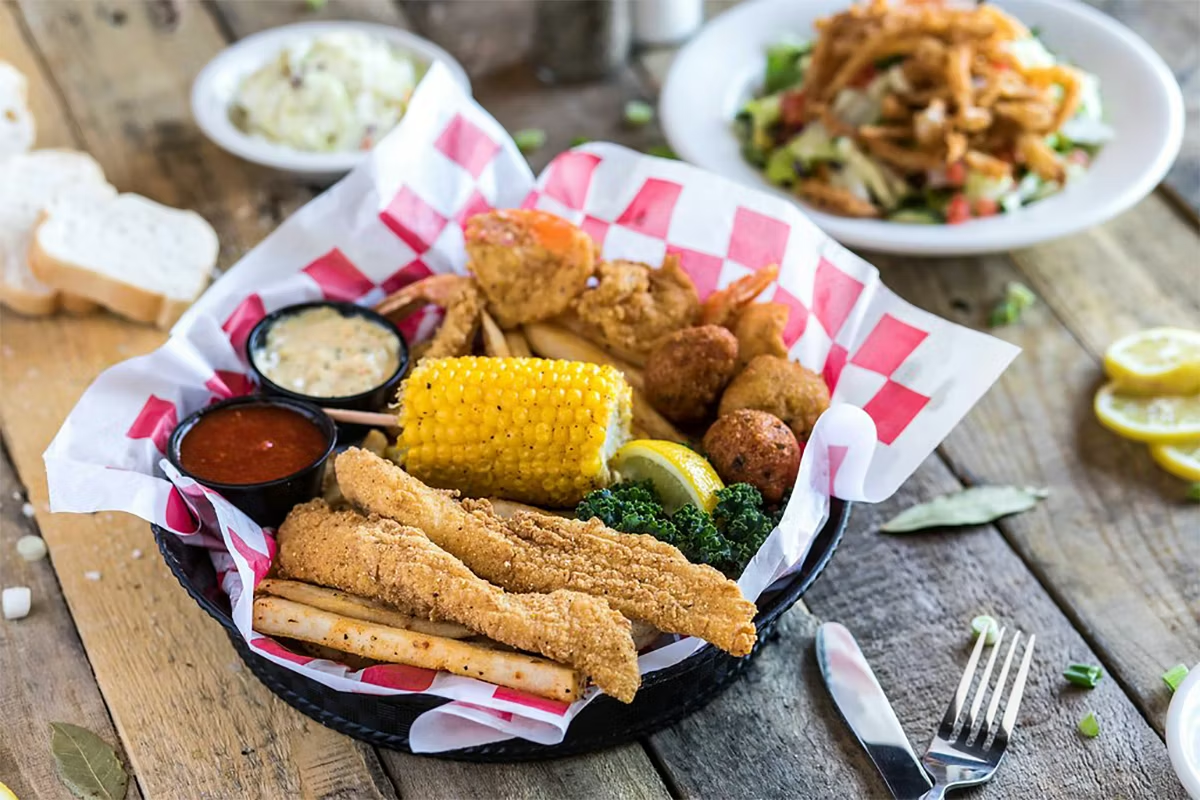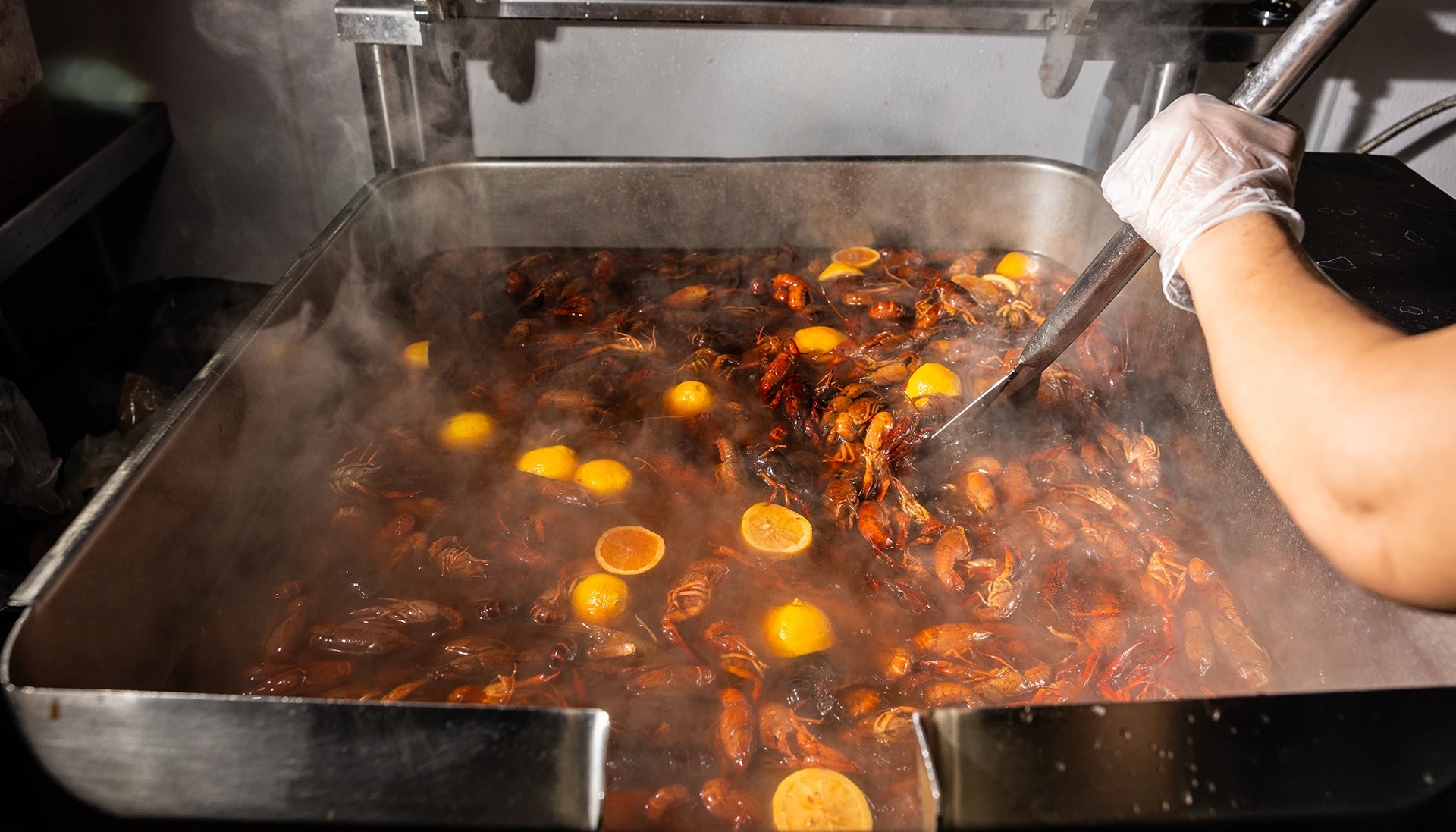
Cajun Food That Feels Like Southern Hospitality
You walk into a kitchen that smells like slow-simmered spice and welcome, and that is exactly how Cajun food can make people feel. In Cajun cuisine, you learn to coax depth from a dark roux and let rice soak up the smoky goodness of sausage and seafood. The bowls get arranged so guests pass stories as easily as plates, and there is always patience and plenty at the table. Razzoo’s Cajun Cafe captures that same warm, bustling hospitality where you want to set the table and keep an extra spoon within reach as the night unfolds.
Why Cajun Food Feels Like Home
For many people, Cajun food feels like coming home because it hits familiar senses—warm spices, slow-simmered textures, and recipes handed down at the kitchen table. The smell of Cajun cuisine draws you in and promises comfort without pretense. Meals that began as neighborly favors became traditions, and every bite connects you to storytellers and late-night laughter.
Ingredients in Cajun cooking are humble but respected, and they’re prepared in ways that honor time and technique, which creates a grounded feeling. A visit to a Cajun restaurant often becomes a communal experience where chopping, stirring, tasting, and learning happen together. That participatory rhythm, along with predictable yet forgiving flavors and fresh seafood options, makes the cuisine feel less like a meal and more like a welcome you can both give and receive.
Signature Cajun Dishes to Welcome Guests
Welcome guests with plates that do the talking by serving Cajun cuisine that feels both bold and comforting. Classic Cajun dishes such as jambalaya, gumbo, and shrimp étouffée are made to feed a crowd and spark conversation.
A dark roux gumbo with okra and smoked sausage, ladled over rice, invites everyone to customize their portions. Jambalaya studded with chicken, sausage, and tender shrimp makes an impressive one-pot centerpiece. Shrimp étouffée provides a saucier seafood option that pairs beautifully with crusty bread.
Simple sides like cornbread, coleslaw, and fried green tomatoes round out the meal by tempering the spice and adding texture. Beignets or bread pudding offer a sweet, shared ending that keeps guests lingering and talking about the night.
Plan a Communal Cajun Menu (Shopping List & Timing)
Now that your menu ideas are set, turn those crowd-pleasing Cajun dishes into a clear shopping list and timeline so you won’t be scrambling the day of.
Start by grouping ingredients into proteins such as andouille, shrimp, and chicken; aromatics such as onion, bell pepper, and celery; pantry staples such as rice, canned tomatoes, stock, flour, and spices; and finishing items such as green onions, parsley, and lemons. Buy a bit extra rice and stock to accommodate big appetites.
Plan backward from mealtime to identify items that need overnight brining or marinating. Decide which components of your Cajun cuisine can be made a day ahead, including gumbo base, sauces, and desserts.
Reserve the day of the event for quick-cook items and final assembly. Create a checklist with quantities, assign prep tasks to helpers, and block times for chopping, simmering, and reheating to keep service smooth in your home or for a Cajun restaurant-style gathering.
Cajun Cooking Techniques You Should Know
When you cook Cajun food, mastering a few core techniques—roux-making, proper seasoning, and the holy trinity of aromatics—will transform everyday ingredients into bold, layered dishes.
You learn to control heat for a dark, nutty roux without burning it because patience and constant stirring pay off. You sweat onion, celery, and bell pepper gently to build depth, and you add garlic later so it sings rather than scorches. Cajun cuisine balances salt, acid, and heat so dishes are seasoned precisely rather than merely spicy.
You brown proteins well to develop fond, and you deglaze with stock or wine to lift those browned bits into the sauce. Stews and gumbo simmer low and slow so flavors marry over time.
You use knives confidently for uniform cuts so everything cooks evenly and finishes together, which matters whether you’re preparing seafood for a home meal or service in a busy Cajun restaurant.
Easy Ingredient Swaps and Pantry Staples for Weeknights
Stock your pantry with a few Cajun-friendly staples and you’ll turn weeknight dinners into soulful meals without extra fuss.
Keep rice, quick-cooking polenta, and canned tomatoes on hand as instant bases for Cajun cuisine and seafood dishes.
Swap heavy cream for evaporated milk or coconut milk to lighten sauces while maintaining richness for a Cajun food profile.
Use smoked paprika and cayenne instead of a complex spice blend, and add dried thyme and oregano for depth often found in Cajun restaurant recipes.
Canned beans, andouille-style sausages, or frozen shrimp provide fast proteins that work well in both Cajun cuisine and seafood preparations.
Mirepoix shortcuts like frozen bell pepper and onion mixes save prep time so you can focus on flavor.
Chicken broth concentrates or bouillon cubes deliver gumbo-like umami without long simmering, making it easier to achieve authentic-tasting Cajun dishes on busy nights.
Host a Relaxed Cajun Dinner: Mood, Pacing, and Seconds
Often hosts set the tone for the whole evening before guests even sit down by choosing relaxed lighting, a steady playlist, and a simple layout that keeps people moving and mingling.
Courses should feel casual and highlight Cajun food with shareable bites like boudin balls or shrimp remoulade.
A crowd-pleasing main can be a hearty étouffée or jambalaya that evokes the depth of Cajun cuisine.
Finish the meal with a light, comforting dessert that complements the spice and richness of the dinner.
Pace the service so people can chat between plates and enjoy the flavors of the seafood and other dishes without feeling rushed.
Encourage seconds by placing a serving station or passing platters so guests can help themselves to more of the Cajun restaurant–style dishes.
That relaxed approach allows conversation to lead rather than a timetable and turns a Cajun meal into warm, unhurried hospitality that lingers in memory.