Why Lunch Specials at Cajun Restaurants Are Worth Seeking Out
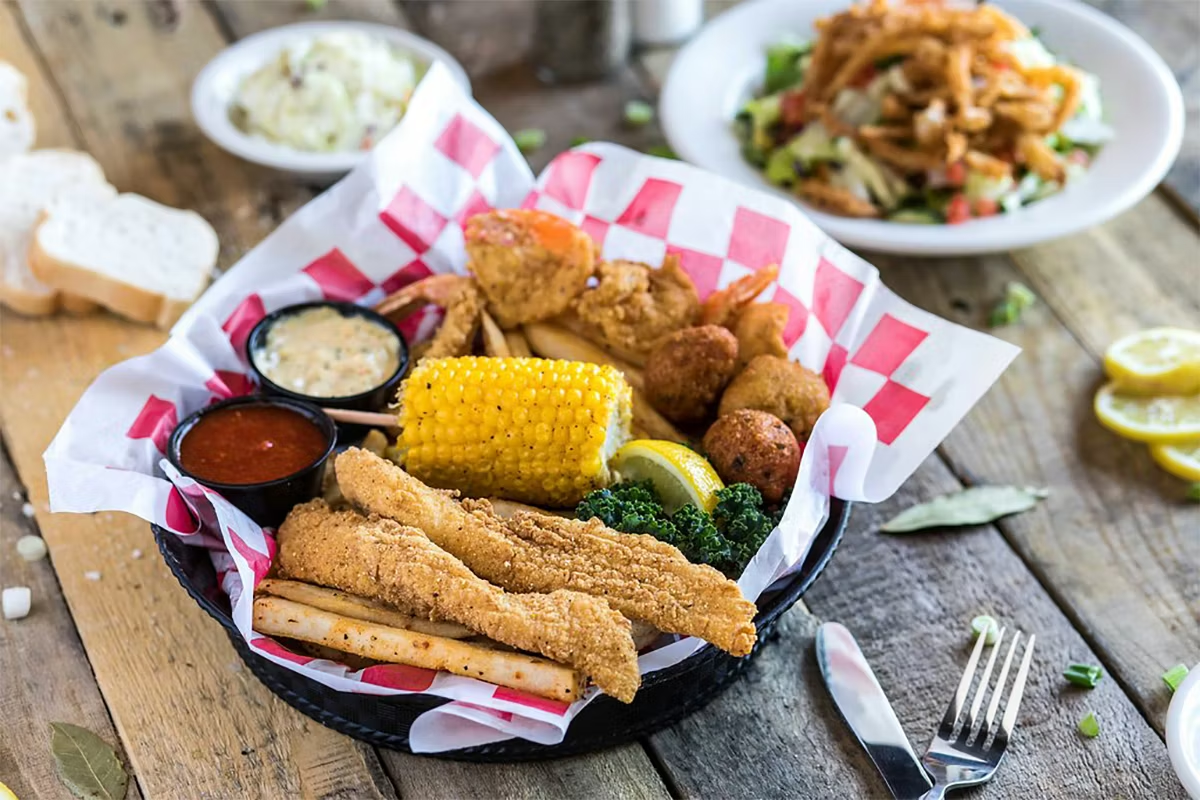
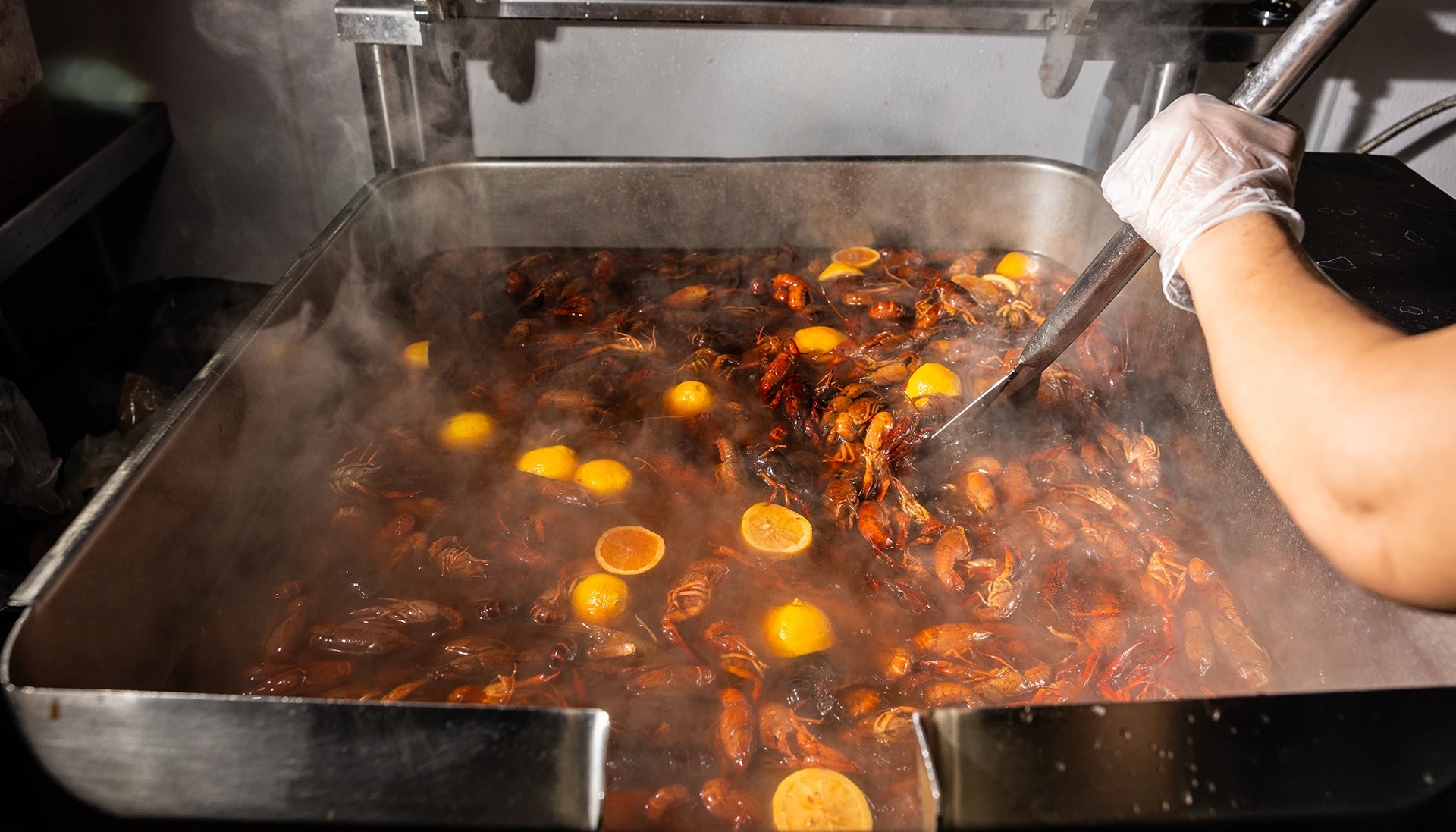
Cajun lunch specials deliver big flavor in an affordable, fast meal because chefs use time‑tested techniques such as dark roux, deep char, and slow simmering to concentrate taste without long waits. The portions are designed to fill you and to stretch ingredients like rice or bread so the meal feels satisfying. Many specials highlight seasonal seafood or chef tweaks to Cajun cuisine that you might not see on the dinner menu. Razzoo’s Cajun Cafe often features these kinds of midday offerings, showcasing classic Cajun food prepared with bold seasoning and efficient service.
Why Cajun Lunch Specials Deliver Big Flavor for Less
Cajun lunch specials often pack bold, layered flavors into affordable plates because Cajun cuisine relies on high-impact techniques—char, roux, and seasoning—rather than costly ingredients.
Chefs in a Cajun restaurant turn humble proteins, vegetables, and seafood into memorable dishes by concentrating flavors through browning for depth, simmering stocks, and building spice blends that hit savory, smoky, and tangy notes.
These methods extract maximum taste without high-priced components, allowing restaurants to offer smaller portions at lower prices while keeping intensity.
The balance between comfort and excitement is evident when simple rice, beans, or bread supports vibrant sauces and spice.
Choosing a Cajun lunch special means selecting skillful technique and bold seasoning over expensive bells and whistles.
Quick Decision Criteria: Portion, Price, and Prep
Because you’re usually deciding between a tight lunch break and a limited budget, start by looking at portion, price, and prep to pick the Cajun special that fits your day.
Gauge portion size by asking if dishes come with rice, bread, or a side salad so you won’t end up hungry or wasteful.
Compare price against those inclusions rather than the entrée alone when choosing from a Cajun restaurant menu.
Consider prep time, since stews and gumbo often arrive sooner than grilled or fried combos that require longer service.
Think about how messy Cajun cuisine or seafood dishes can be, because saucy items will need wipes or a fork-and-knife approach if you’re returning to work.
Opt for combos when they bundle items you like, since they usually give the best balance of cost, quantity, and readiness.
Best Cajun Lunch Specials: Classic Dishes to Try
Plunge into Cajun lunch specials that deliver bold flavors without slowing your afternoon, and you’ll find satisfying classics that suit short breaks and modest budgets.
Start with gumbo, a staple of Cajun cuisine made with a rich roux, okra or filé, and a mix of sausage, chicken, or seafood that warms you up without fuss.
Try jambalaya when you want a one-pot meal that balances rice, tomatoes, and smoky andouille for a hearty lunch at a Cajun restaurant.
Étouffée is a creamy, spoonable option featuring shrimp or crawfish stewed in a flavorful butter roux served over rice.
Po’boys offer crisp fried shrimp or oyster fillings tucked into French bread for a handheld, satisfying bite.
If you prefer lighter fare, order blackened fish with a simple side salad, or choose red beans and rice for a comforting, protein-forward plate that keeps you fueled.
Match Spice and Prep Time to Your Lunch
How spicy do you want your break to be, and how much time do you have for lunch? Choose Cajun restaurant specials that fit both your schedule and your heat tolerance.
If you only have a short window, opt for quicker-prep Cajun cuisine dishes such as shrimp po’boys, gumbo bowls served from a steady pot line, or étouffée when it’s ready to plate; these seafood-forward options are bold but can be prepared fast.
For a longer break, consider slow-simmered jambalaya or braised meats that allow flavors to deepen without forcing you to rush. Ask the staff about spice levels and request milder or extra-hot adjustments, since many kitchens will accommodate varying tastes.
Balancing the time you can linger with the cooking style of the dish helps keep your meal satisfying and work-friendly.
When Chefs Showcase Seasonal or Test Lunch Dishes
If you enjoyed matching heat and prep time, you’ll also appreciate how chefs at Cajun restaurants use lunch hours to showcase seasonal or test dishes.
You receive a front-row seat to ingredients at their peak — Gulf shrimp in spring, okra in summer, or winter root vegetables — prepared simply so the flavors of Cajun cuisine sing.
Chefs experiment with spice blends, cooking techniques, and pairings they mightn’t risk on the dinner menu, which lets diners try inventive gumbo, a novel étouffée, or a fusion po’boy and other seafood dishes at lower cost.
Servers often point out what’s fresh or being trialed, and chefs watch diners’ reactions closely as they refine successful tests into future favorites.
How to Spot Authentic Cajun Lunch Specials
Authentic Cajun lunch specials rely on simple, bold ingredients and time-honored techniques. You’ll often see staples of Cajun cuisine such as andouille, okra, dark trinity (onion, celery, bell pepper), and roux used confidently rather than hidden behind gimmicky sauces. Portions commonly center on rice or crusty bread to sop up richly flavored sauces.
Observing prep methods like a deep brown roux, a slowly simmered gumbo, or blackened fish made to order reveals skilled cooking in a Cajun restaurant. Menus that list regional names such as jambalaya and étouffée tend to show respect for tradition.
Servers who can describe spice level, heat, and the provenance of seafood demonstrate pride in the menu. When flavors feel layered, balanced, and rooted in technique instead of trendy twists, the meal aligns with authentic Cajun food.
Tips to Get the Best Value From Cajun Lunch Deals
Stretch your lunch dollar by choosing dishes that showcase bold Cajun flavors without unnecessary frills; classics like gumbo, jambalaya, or a po’ boy often come with rice or bread, so you get hearty portions for the price.
Cajun restaurants frequently offer combo plates or prix-fixe lunches that bundle protein, starch, and a side for less than ordering à la carte.
Kitchens will sometimes move surplus ingredients into daily specials, and those specials can highlight the best of Cajun cuisine at a lower cost.
Ordering water or iced tea instead of soda or alcohol keeps the total down while letting the seafood or Cajun food flavors shine.
Sharing a large entrée or taking half home works well because many Cajun portions are generous.
Signing up for restaurant emails or loyalty programs can yield coupons and lunch-only deals that make it easier to enjoy Cajun cuisine without overspending.
Paying attention to portion size relative to price helps you spot true value in a Cajun restaurant menu.
Simple Swaps for Common Diets and Allergies
When you have dietary needs or allergies, Cajun cuisine can still deliver big flavor with a few simple swaps. Ask for rice instead of breaded sides and request grilled or roasted proteins rather than fried preparations. Choose a vegetable-heavy gumbo made with a shellfish-free stock to avoid seafood allergens while keeping classic Cajun flavors.
Tell your server about allergies up front so they can steer you toward safe choices and alert the kitchen. Swap creamy sauces for tomato-based or citrus dressings to reduce dairy, and ask that spice mixes be added lightly if sodium or heat are concerns. Substitute sausage with smoked turkey or extra vegetables in jambalaya to maintain texture and depth of flavor.
Confirm cross-contact practices for nuts, shellfish, and gluten so your meal remains both satisfying and safe in a Cajun restaurant setting.
Quick Checklist: Choose and Order the Right Cajun Lunch Special
Start by scanning the Cajun restaurant menu for key information such as protein, cooking method, and any allergy notices so you can quickly narrow choices that fit your tastes and needs.
Pick a protein you enjoy and note the spice levels, since Cajun heat ranges from mild to blistering.
Decide on a cooking method — grilled or blackened for less oil, fried for crunch, or stewed for rich flavor — to match your preference in Cajun cuisine or seafood preparations.
Ask about sauces, because they can hide butter, shellfish, or gluten.
If you’re vegetarian or avoiding shellfish, confirm the risk of cross-contact and request swaps like rice or roasted vegetables instead of seafood.
Check the portion size and whether sides are included so you won’t overorder.
Finally, tell your server your preferences clearly, including spice level, requested swaps, and any allergies, to ensure a satisfying and safe lunch.