How Crab Legs Became a Cajun Restaurant Favorite
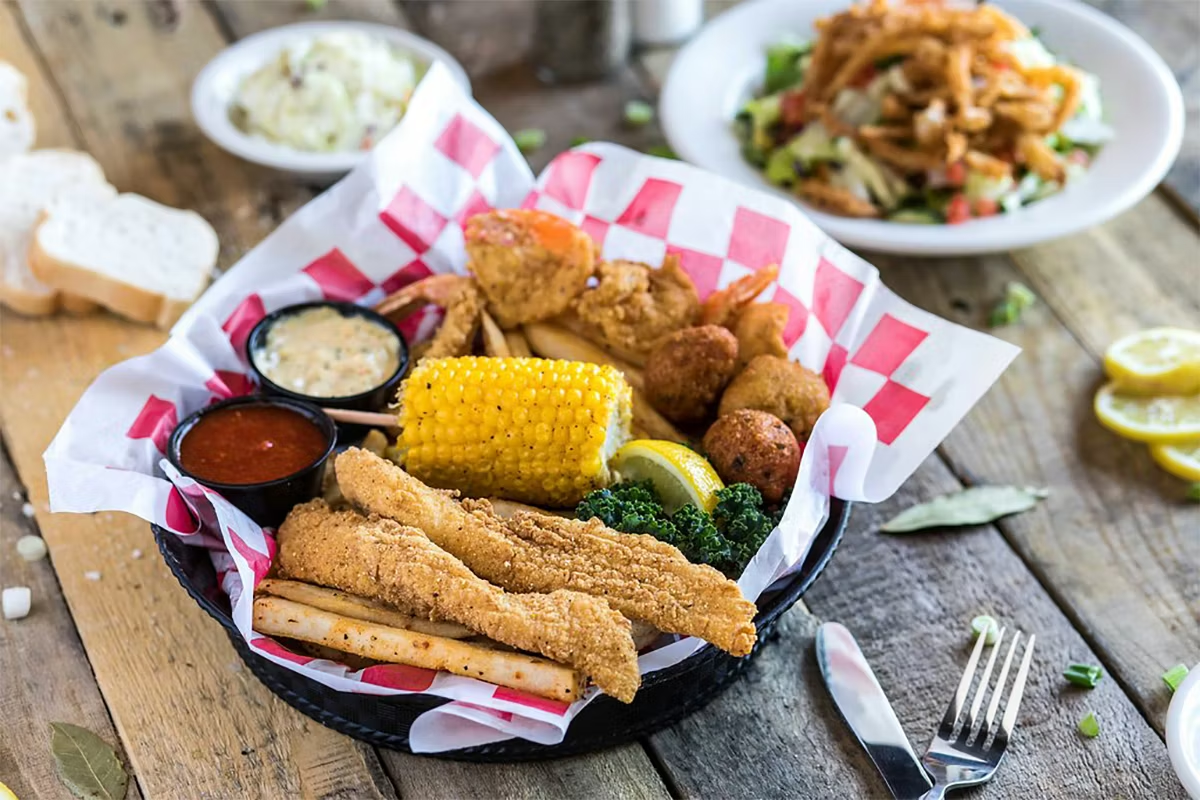
You might expect crab legs to belong on fancy seafood towers, but in Cajun kitchens they became a down-to-earth favorite for good reasons. Gulf harvests provided abundant crab, and simple preservation methods kept the meat accessible to everyday cooks in Cajun cuisine. Bold, buttery spices common to Cajun food made crab legs perfect for boils and platters, and local markets and cooks turned cracking shells into a communal, affordable ritual. Even restaurants such as Razzoo’s Cajun Cafe helped popularize the casual, social way of serving crab legs in the region.
Why Crab Legs Became a Cajun-Restaurant Staple
Because the Gulf and Atlantic coasts made crab plentiful, Cajun cooks were able to coax bold flavors from simple ingredients. Restaurants paired abundant crab with spicy, buttery sauces that suited communal dining and quick service in Cajun restaurants.
Chefs used simple techniques—steaming, boiling, or grilling—so crab remained central to specials and platters in Cajun cuisine. Affordability and consistent supply allowed restaurateurs to feature crab without inflating prices.
Menu creativity showed up in garlic-butter boils, peppery étouffée twists, and shared seafood feasts that fit Cajun hospitality. The blend of easy preparation, bold seasoning, and social dining made crab legs an enduring and practical staple of Cajun food and seafood menus.
Coastal Crab Harvests and Early Gulf Uses
Moving from restaurants to the coast, you find that Gulf and Atlantic shorelines shaped how people harvested and used crabs long before eateries made them famous. Fishers used pots, trotlines, and hand nets in shallow bays and timed hauls with tides and seasonal runs. Families and small crews salted, smoked, or boiled catch on-site to preserve meat for winter or market. Blue crab rims and soft-shell seasons guided when communities feasted or packed cans for trade.
Coastal kitchens turned claws and bodies into stews, bisques, and boucherie-style boils that stretched flavor across humble ingredients. Those practical coastal practices set techniques and tastes that Cajun cuisine and Cajun restaurants later refined without changing the roots of the work.
Migration and Markets That Brought Crab Inland
When crab meat started to travel inland, it changed how people ate and sold seafood away from the shore. Refrigerated rail cars, iced trunks, and later refrigerated trucks linked coastal catch to city markets, letting restaurants source fresh crab without needing a dock. Distributors standardized portions and pricing so chefs could plan menus and customers could expect consistent quality.
Immigrant communities and traveling salesmen promoted crab in markets and delis, teaching cooks simple preparations that fit local palates and blending those techniques with Cajun cuisine and other regional seafood traditions. Wholesale exchanges and regional food shows highlighted crab as a profitable specialty and encouraged more suppliers to invest in inland distribution.
As demand grew, logistics improved with faster transport and better packing, and crab moved from novelty to a regular menu item in many Cajun restaurants and seafood establishments.
Why Crab Legs Suit Cajun Flavors and Cooking Methods
Crab legs deliver bold, uncomplicated seafood that locks in sauces and spice, and their sweet, flaky meat takes Cajun seasonings and cooking methods extremely well. The firm texture of crab legs holds up to high-heat searing, steaming, or quick broiling without turning mushy, so the spice blend stays pronounced. The shell acts as a shallow steam chamber that concentrates butter, garlic, and cayenne into the flesh, making every bite balanced and deeply flavored.
DINING on crab legs provides a theatrical element when legs are cracked at the table, and service remains simple while heat and flavor are preserved. Because crab absorbs and releases seasoning efficiently, long marination and complex preparation are often unnecessary when showcasing Cajun cuisine in a Cajun restaurant setting.
Seafood Boils and the Rise of Communal Crab-Leg Feasts
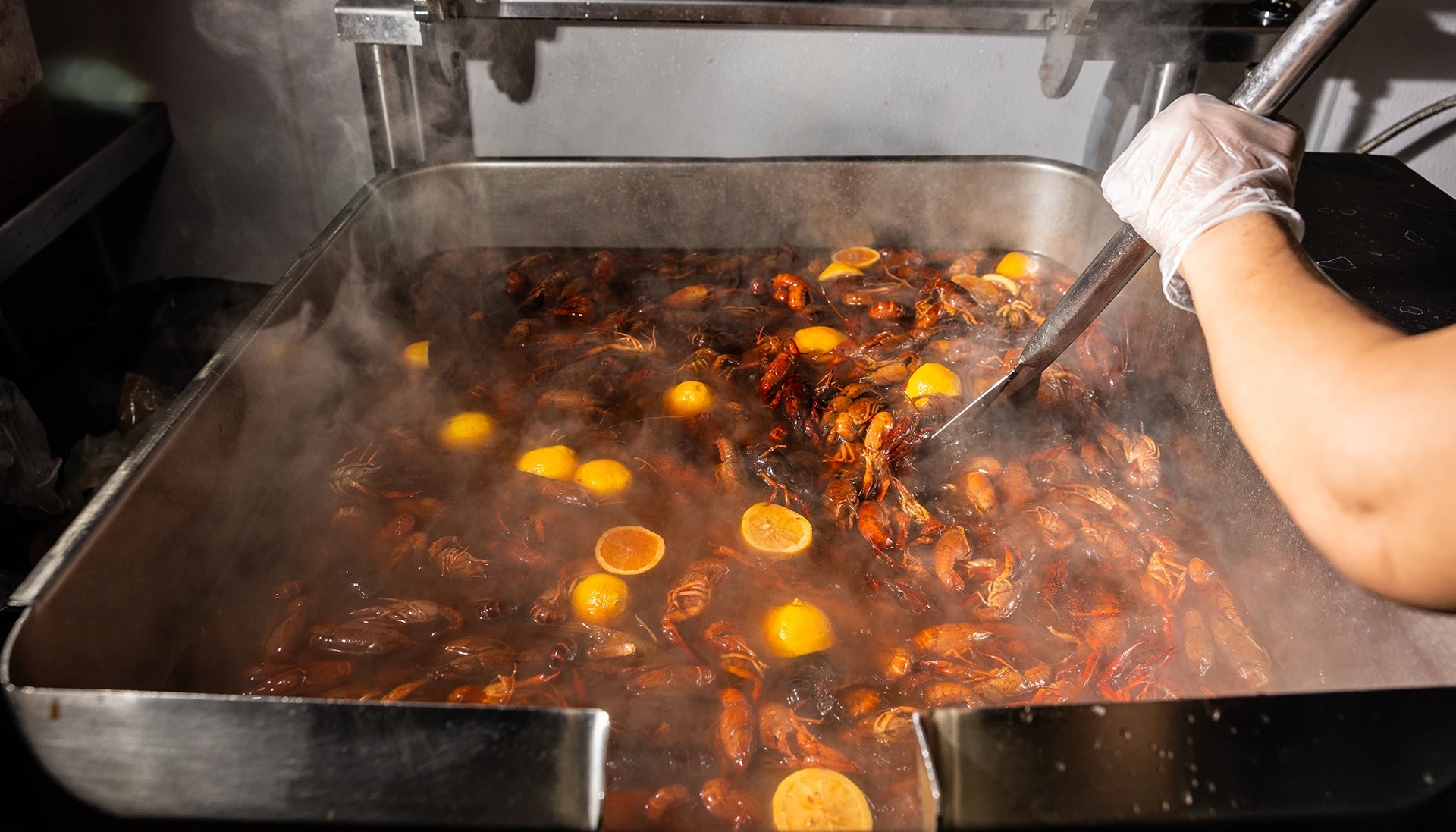
At a Cajun seafood boil, crab legs become the centerpiece of a communal ritual that brings people together around a steamy, spice-slicked table. Friends peel back shells while season-scented steam fogs their glasses and baskets of corn, potatoes, and sausage are passed like offerings.
The boil’s informality means diners sit shoulder to shoulder on benches or picnic tables, with messy hands and phones forgotten. Conversation flows as freely as melted butter, and someone tells a fishing story while another jokes about spice tolerance.
Participants learn by doing, discovering how to crack joints, where the sweetest meat hides, and how to pace themselves through rounds. The shared labor and loud laughter turn eating into celebration, and crab legs anchor the feast’s convivial, tactile joy that defines Cajun food and Cajun cuisine.
How Restaurants Standardized Crab-Leg Dishes for Reliable Service
Restaurants standardized crab-leg dishes to turn the spontaneity of a backyard boil into something customers can order at 6:30 p.m. on a Tuesday and expect the same flavor and service every time.
Chefs in Cajun restaurants rely on set recipes, measured spice blends, and portion-controlled legs so cooks can reproduce the taste without guesswork. Kitchens built routines for parboiling times, steam temperatures, and butter-sauce ratios, and those procedures are written, timed, and double-checked. Front-of-house staff follow plating diagrams and pacing scripts so meals arrive hot and attractive to diners.
Supply contracts and preferred seafood vendors guarantee consistent shell size and salt profile, preventing surprises from off-season variability. Training checklists and briefings keep turnover from disrupting standards, which helps guests trust the Cajun cuisine experience night after night.
Regional Twists: New Orleans, Acadiana, and Gulf Coast Styles
When you trace crab-leg preparations across Louisiana, three distinct voices emerge—New Orleans, Acadiana, and the Gulf Coast—each shaping spice, technique, and presentation around local ingredients and history.
In New Orleans, Creole polish often means butter, tomatoes, and bell pepper combined with a measured heat that leans toward complexity and a sauce for dipping, and the city’s seafood traditions frame these preparations with refinement.
Acadiana favors rustic, bold Cajun seasoning—paprika, cayenne, and garlic—and the region’s Cajun cuisine and Cajun restaurant culture emphasize hands-on boils that invite communal cracking and lingering spice on your fingers.
Along the Gulf Coast, simplicity and freshness steer the plate as steamed or grilled legs are brightened with lemon, herb oil, or a light remoulade to highlight briny sweetness.
Each regional twist reflects the local catch, cooking traditions, and the way people are invited to eat together and unapologetically with their hands.
Modern Menu Trends and What Diners Should Expect Today
Though rooted in tradition, crab-leg offerings now reflect diners’ desires for variety and transparency in seafood preparation. You’ll find everything from low-country boils reimagined as shareable tapas to sustainably sourced, single-species options clearly labeled on Cajun restaurant menus. Expect to see clearer sourcing notes, seasonality indicators, and price-per-pound or market-price signage so guests know what they’re ordering.
Menus commonly mix classic Cajun spice with global influences such as citrus-chili glazes, Korean-style gochujang butter, or garlic-herb scampi while often offering lighter preparations alongside indulgent ones. Many kitchens present build-your-own platters and small plates meant for sharing, and they frequently include pairing suggestions with local beers or sweet wines.
If diners communicate dietary needs or sustainability preferences, restaurants readily adapt portions and sauces to match those tastes.