How a Great Lunch Special Turns First-Timers Into Regulars
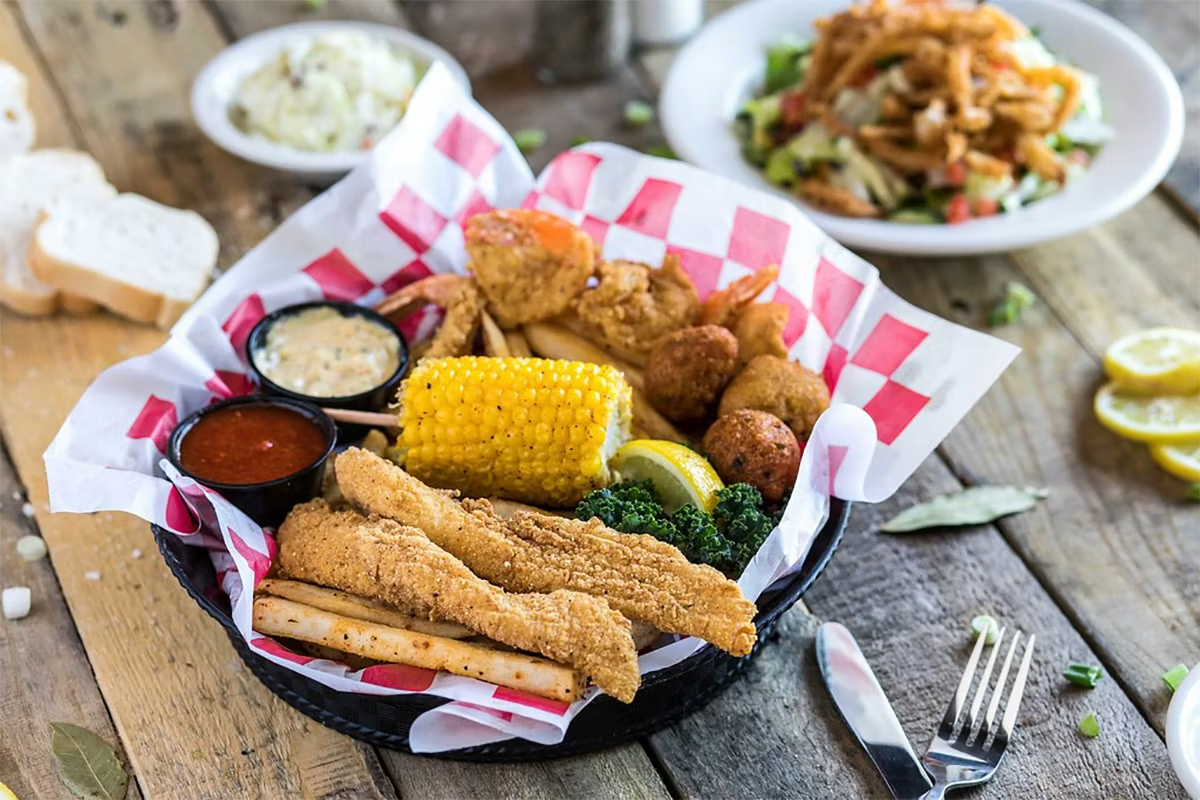
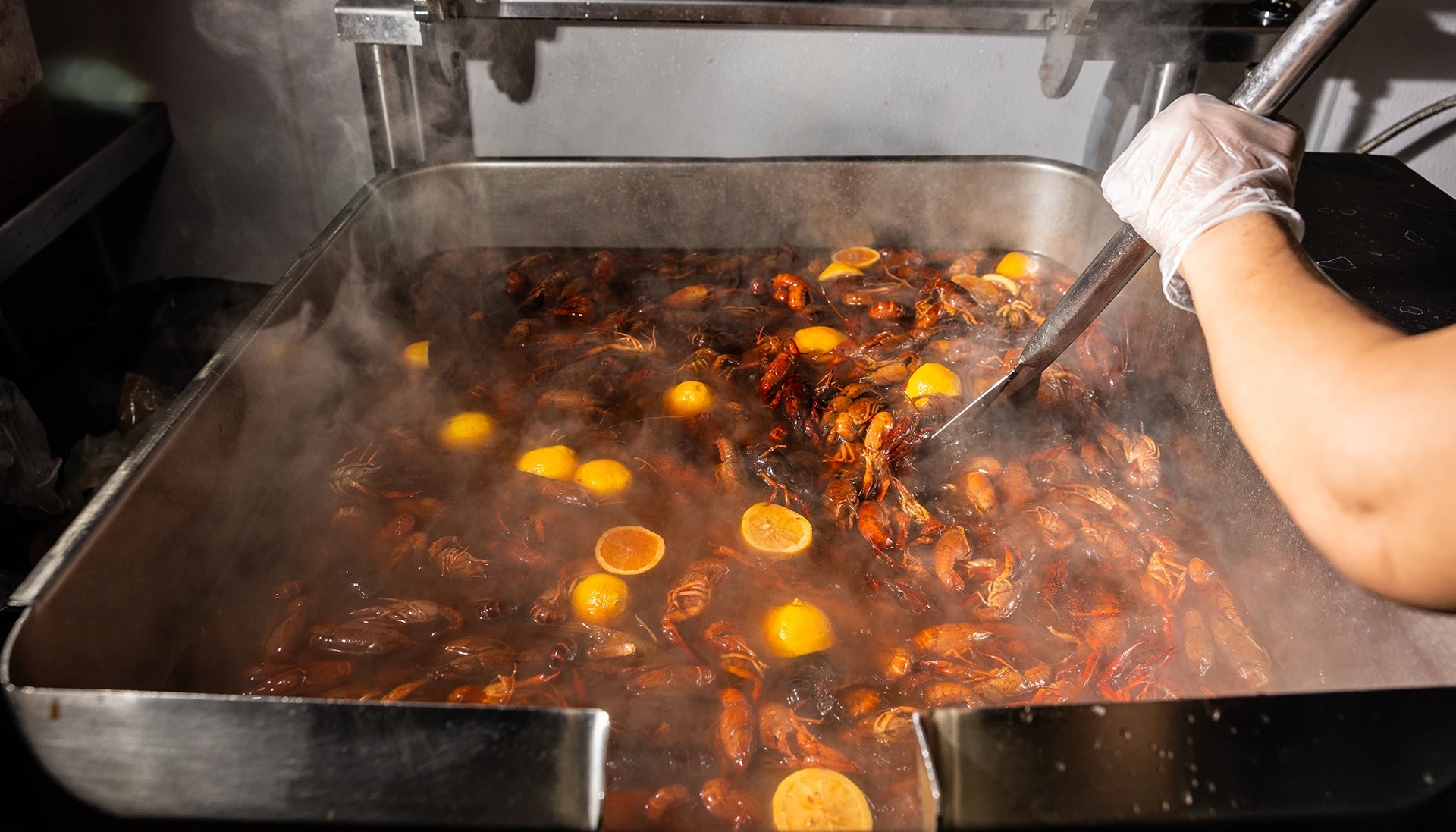
If you want more repeat customers, design a lunch special that is fast, flavorful, and profitable. Aim for a dish you can plate the same way every day and serve in 15 to 25 minutes. A standout Cajun or seafood-forward option will catch attention and fit well with Cajun cuisine on the menu. Protect your margins by setting firm portions and clear pricing so costs stay predictable. Train staff with short, natural scripts that help turn walk-ins into regulars. Razzoo’s Cajun Cafe demonstrates how these practical moves make success repeatable.
Define the Goal: Frequency, Margin, and Target Customer
Before designing or pricing a lunch special for a Cajun restaurant, decide what success looks like by defining how often you want customers to return, what profit margin you need per meal, and which diners you’re aiming to attract.
Quantify return frequency — whether you expect daily, weekly, or occasional visits — so that operations and inventory for Cajun cuisine and seafood dishes match demand.
Set a per-meal margin that covers food, labor, overhead, and desired profit, and test whether proposed pricing for Cajun food and seafood specials hits that target.
Profile target diners by their habits, spending limits, and time constraints so the lunch offer fits their schedules and tastes.
With clear goals in place, choose portion sizes, service speed, and marketing channels that align with customer expectations and your financial requirements.
Choose a Signature Lunch Special Dish That’s Fast and Profitable
Choose one standout dish that’s quick to plate, easy to scale, and designed to protect margins because that combination turns curious diners into repeat regulars.
Select a recipe with few components, predictable prep steps, and ingredients that can be purchased in volume without waste so your back-of-house runs efficiently.
Pick flavors that represent your concept—whether Cajun food, Cajun cuisine, or seafood-forward—to make the dish a memorable calling card.
Confirm timing during rushes to ensure the dish doesn’t create a service bottleneck.
Train cooks on consistent assembly and a fast finish so every plate meets guest expectations.
Build adaptable elements into the dish so you can swap protein or sauce and keep the offering fresh without introducing new workflows.
Track plate cost and prep time for several weeks and then refine the build to maximize throughput and profitability.
Set Price & Portion Rules That Protect Margin and Perceived Value
When you set price and portion rules for a Cajun restaurant, aim to protect both your margins and the dish’s perceived value so customers feel they’re getting a fair, consistent lunch every time. Decide on a clear cost ceiling per plate and design portions to hit that target while maintaining a generous presentation for Cajun cuisine and seafood offerings.
Standardize protein weights, side measures, and garnish counts so servers plate uniformly and waste is reduced. Use local comps to anchor price by matching nearby expectations while retaining a profitable spread.
Offer one up-sell sized add-on rather than multiple small tweaks that erode margins. Train staff to explain portions confidently so perceived value remains high.
Review costs weekly, adjust portions or prices in small steps, and track the sales mix to safeguard profitability without disappointing guests.
Design Service Workflows to Serve Lunch in 15–25 Minutes
Setting price and portions is only half the battle because service workflows must reliably deliver fast value. You’ll map each customer step—entry, ordering, food prep, delivery, and payment—and eliminate unnecessary motion.
Assigning clear roles allows one person to greet and take orders while cooks focus strictly on assembling lunch specials. Using prep stations with portioned ingredients and visual checks reduces decision time in the kitchen.
Batching predictable tasks such as rice, sauces, and proteins during lull periods increases throughput for Cajun cuisine and seafood-focused menus. Training staff on time targets and empowering them to skip nonessential tasks helps the team meet a 15–25 minute service window.
Implementing simple order tracking with tickets, a dry-erase board, or POS timers makes it easier to spot bottlenecks. Reviewing peak-period data weekly and tweaking staffing, station layout, or prep rules produces consistently fast service in a busy Cajun restaurant.
Design the Menu: Signage, Combos, and Staff Scripts
Make your menu and signage do the selling for you by highlighting the Cajun lunch special, pairing logical combos, and giving staff short spoken scripts so every interaction nudges a first-timer toward a complete Cajun meal.
Design visible, simple signs that call out price, portion, and speed while using contrast, minimal copy, and an appetizing photo of Cajun cuisine or seafood.
Build combos that make sense by offering an entree plus a side and a drink at a slight discount with one premium add-on option for seafood or a signature Cajun item.
Place combos near the register and on tabletop tents so guests see them while ordering and dining.
Train staff to use two-line scripts consisting of a greeting that mentions the special and a gentle upsell line such as, “Would you like a soup or drink with that?” Staff should keep language natural, time-focused, and benefit-led so choices feel easy and valuable for new guests.
Five Hospitality Moves That Turn Visits Into Habits
You have arranged the menu, signage, and staff scripts to guide first-time guests toward a full Cajun meal, and now you can lock in repeat visits by adding hospitality touches that feel effortless and personal.
Greeting guests by name when possible creates a feeling of care and recognition that encourages loyalty. Servers who note and remember preferences such as preferred spice level or favorite sides make subsequent Cajun cuisine or seafood visits feel tailored to the individual.
Timing courses so lunches arrive promptly respects busy diners and maintains the relaxed energy of a Cajun restaurant without seeming rushed.
Offering a small, unexpected token like a complimentary hushpuppy or a taste of a new sauce framed as a courtesy delights customers and highlights the generosity of Cajun food.
Collecting brief feedback at checkout and acting on it demonstrates responsiveness, and telling customers about changes made because of their input reinforces trust.
Each visit should be frictionless, warm, and slightly personalized so returning becomes an easy and obvious choice.
Promote Locally & Digitally Without Cheapening Your Offer
Balancing neighborhood outreach with selective digital tactics preserves the perceived value of your Cajun cuisine while widening the audience.
You aren’t slashing prices but framing the value of your Cajun food and seafood specials through targeted local flyers, community boards, and partner promotions with nearby businesses that reach people who walk or work nearby.
Online, choosing one or two channels—such as your website and a well-timed email or social post—allows your Cajun restaurant to showcase the special’s quality, story, and limited availability.
Loyalty incentives that reward repeat visits support ongoing patronage of your Cajun restaurant without relying on one-off discounts.
Tasteful photography and clear portion descriptions help ensure expectations match reality for customers enjoying Cajun food and seafood.
Consistent messaging that emphasizes craftsmanship and convenience reinforces the appeal of the offering rather than presenting it as a bargain.
Track What Matters: KPIs, Guest Feedback, and Quick Menu Tests
Now that you have pitched the lunch special without cheapening the brand, measure how it actually performs so you can refine rather than guess. Track a few KPIs such as daily covers, check average, upsell rate, return visits within 30 days, and redemption source to understand how the Cajun food offering performs. Use POS and reservation data to spot meaningful trends in your Cajun restaurant rather than reacting to noise.
Solicit quick guest feedback through one-question receipts, QR surveys, or a server’s concise two-line ask to capture impressions of the Cajun cuisine. Run rapid menu tests by swapping one protein, tweaking a side, or altering a price for a week and then compare the results. Keep tests small, change one variable at a time, and record outcomes to evaluate the impact on seafood and Cajun dishes. Share findings with staff, iterate weekly, and fold winning tweaks into the core offer to help turn newcomers into regulars.