The Flavors That Define Traditional Cajun Cooking
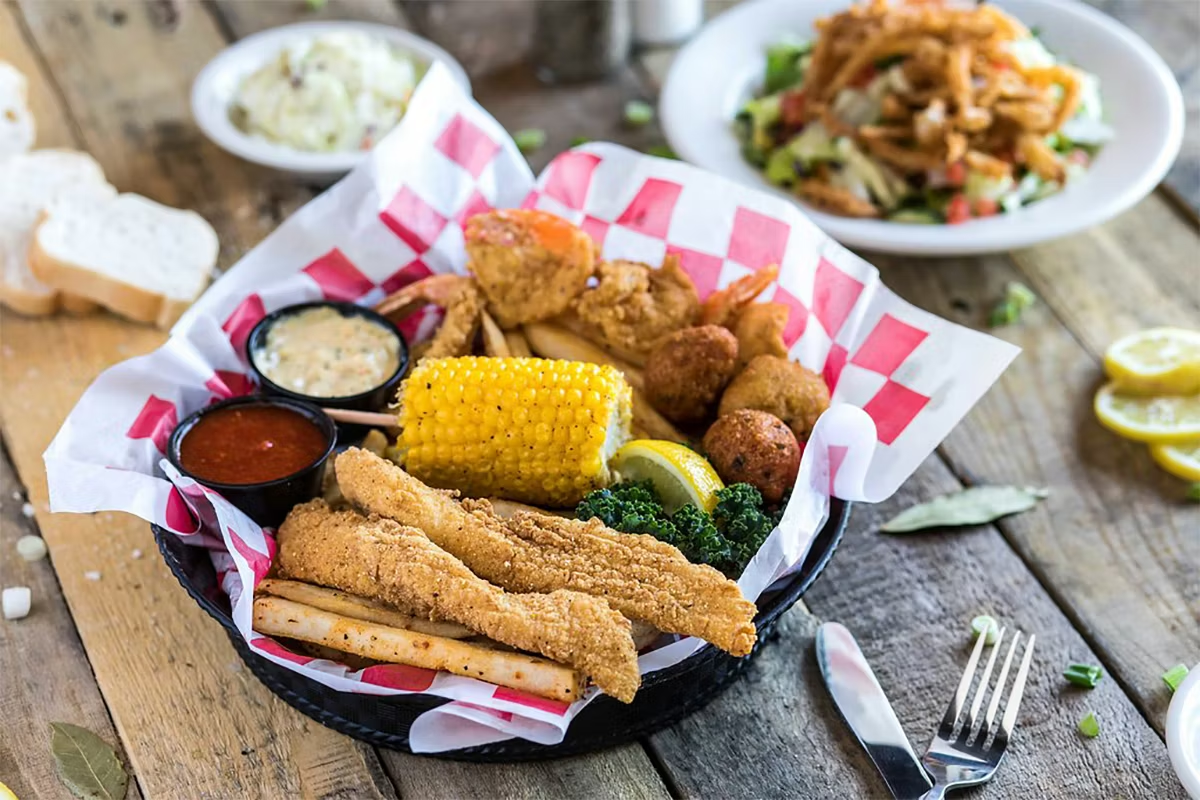
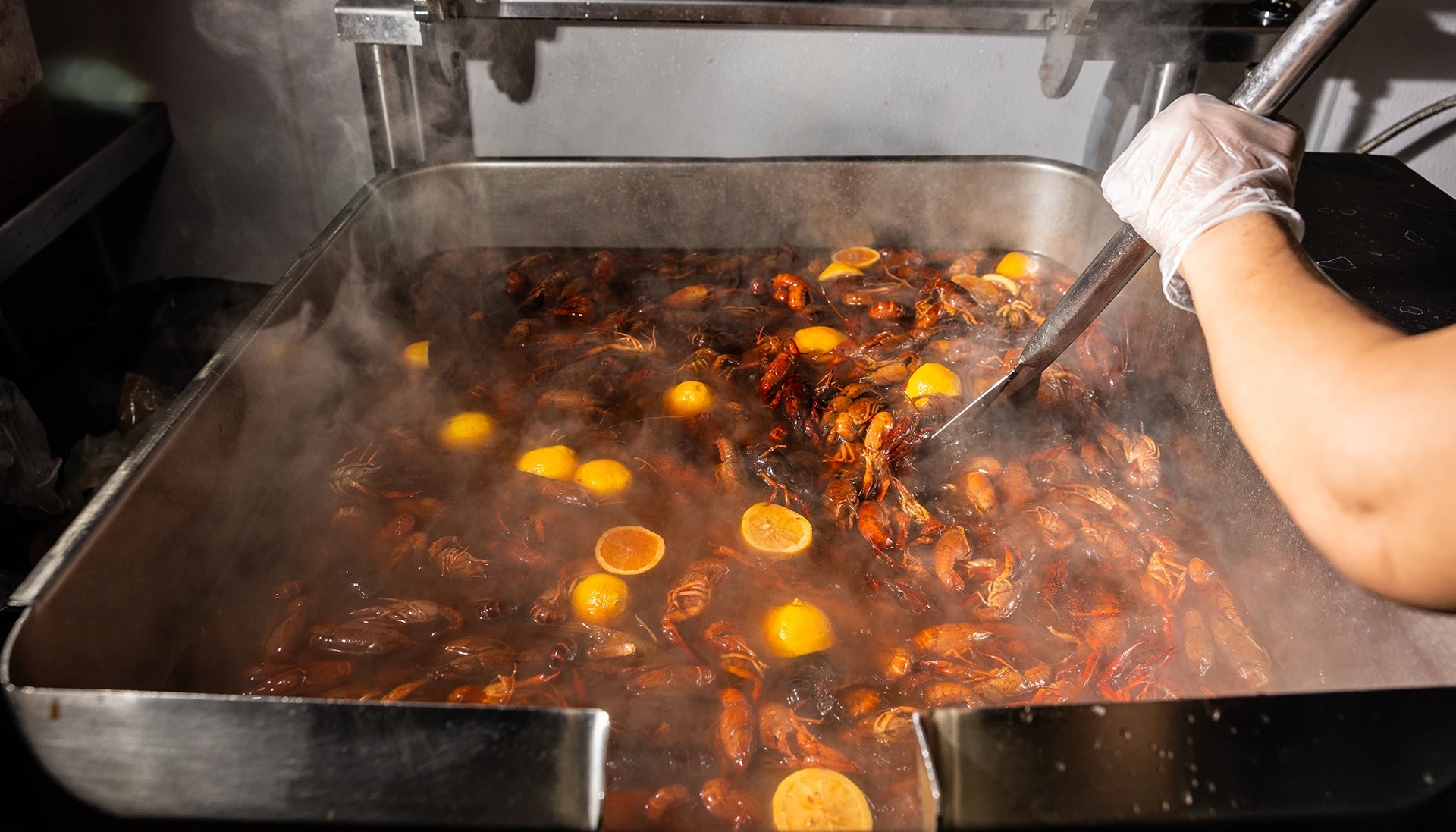
Cajun food is built on a few bold, reliable elements that create its unmistakable character. A dark, nutty roux provides depth and color to many Cajun cuisine classics. The “holy trinity” of onion, celery, and bell pepper forms the aromatic backbone of dishes from gumbo to jambalaya. Smoked sausages and cured pork contribute savory fat and rich flavor, while seafood or game add briny or earthy contrast depending on what’s available. Spices and acids tighten the overall profile of a dish, and a variety of textures finish the experience in satisfying ways. Razzoo’s Cajun Cafe captures these components in dishes that show how those pieces come together in a real pot.
Cajun Flavor Essentials
Cajun cooking hits you with bold, straightforward flavors built on a few key ingredients you can learn to recognize and use. The cuisine relies on smoked meats, fresh seafood, and simple aromatics to create depth without fuss.
Creole mustard, hot sauce, and file powder add bright, lingering notes that balance richness in many Cajun dishes. Pickled vegetables and cured pork contribute tang and umami to stews and sauces.
Bay leaves and peppercorns sharpen broths and make gumbo and other Cajun preparations more complex. Citrus and fresh herbs appear sparingly to lift heavy dishes in the Cajun repertoire.
Texture is highly valued in Cajun food, with crispy bits, silky sauces, and tender proteins all playing important roles. Once you recognize these essentials, you’ll mix them deliberately and taste as you go to keep flavors honest and balanced in a Cajun restaurant or at home.
Holy Trinity, Roux & Seasonings
When you start a Louisiana pot, the holy trinity—onion, celery, and bell pepper—sets the foundation for classic Cajun cuisine.
In many Cajun restaurants and home kitchens alike, those vegetables are sweated slowly to coax sweetness without browning.
A roux is often added next to build color and depth, with fat and flour cooked from blond to deep chocolate for nutty richness.
Seasonings such as cayenne, black pepper, thyme, bay leaf, and parsley layer heat and herbaceousness into stews and seafood dishes.
Smoked paprika or a dash of hot sauce can brighten a hearty gumbo, while file powder is reserved for finishing to add a distinct, earthy note.
Mastering the timing and balance of these elements defines authentic Cajun food.
Proteins, Seafood & Smoke
Those aromatics and the roux give Cajun cuisine its backbone, while the proteins and seafood supply the soul.
Shrimp and crab respond to those flavors and smoke in delicate ways, as their quick cooking times require careful heat and timing to preserve their natural sweetness.
Catfish and other firm white fish can stand up to bolder seasoning and brief smoking, which adds depth without overwhelming their briny character.
Andouille and other smoked sausages contribute fat and umami from the start, rendering into stews and gumbo to build body.
Smoke can be used sparingly or applied with intensity depending on the dish, allowing it to complement rather than mask the inherent flavors.
Balancing Acids, Herbs & Textures
Deep, smoky, and savory elements sing when they’re countered with bright acids, fresh herbs, and contrasting textures that wake the palate. Lemon or vinegar added at the end of a stew lifts richness and a careful splash sharpens gumbo without masking the depth of the roux.
Fresh parsley, green onions, and thyme bring herbaceous clarity and should be added late so they remain lively in Cajun cuisine. Pickled okra or pepper slices provide tang and snap against tender seafood or braised meats common on a Cajun restaurant menu.
Crunch from toasted breadcrumbs, fried onions, or raw celery balances soft rice and creamy sauces in Cajun food. Attention to timing and quantity ensures that acidity and herbs accent rather than overpower, allowing each component to stay true and the dish to finish clean and balanced.
Building Authentic Cajun Flavor at Home
Start by mastering a few core techniques and ingredients that allow you to recreate authentic Cajun flavor at home. Toast whole spices briefly to wake their oils, then grind them fresh into a simple rub of paprika, cayenne, garlic powder, onion powder, thyme, and oregano. Build depth with a dark roux and watch it carefully while stirring constantly until it smells nutty.
Sear proteins well to capture fond before deglazing the pan with stock, wine, or dark beer. Layer flavors by beginning with a mirepoix of onion, bell pepper, and celery, adding garlic and hot pepper early, and finishing with herbs and an acidic touch such as vinegar or lemon. Taste as you go and adjust heat and salt while allowing a long, low simmer to meld everything into the punchy taste associated with Cajun cuisine and seafood dishes commonly found in a Cajun restaurant.