How Cajun Cuisine Found a Home Outside Louisiana
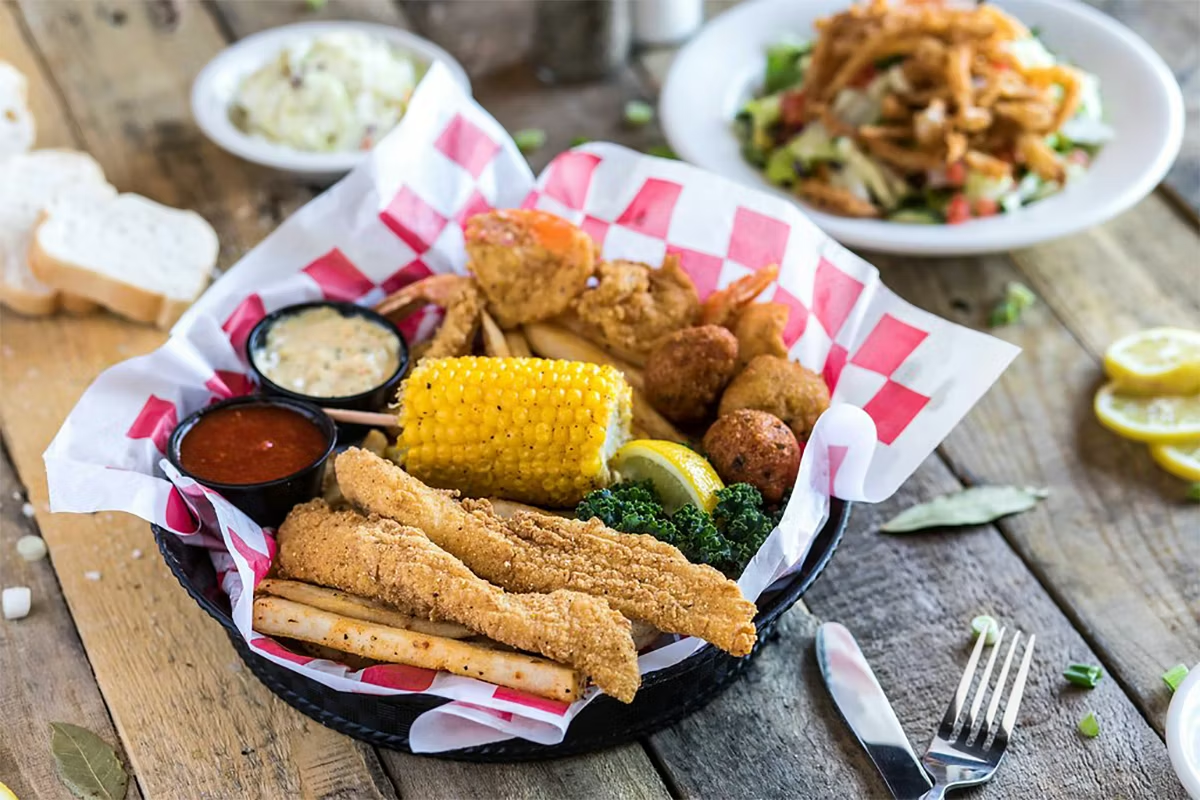
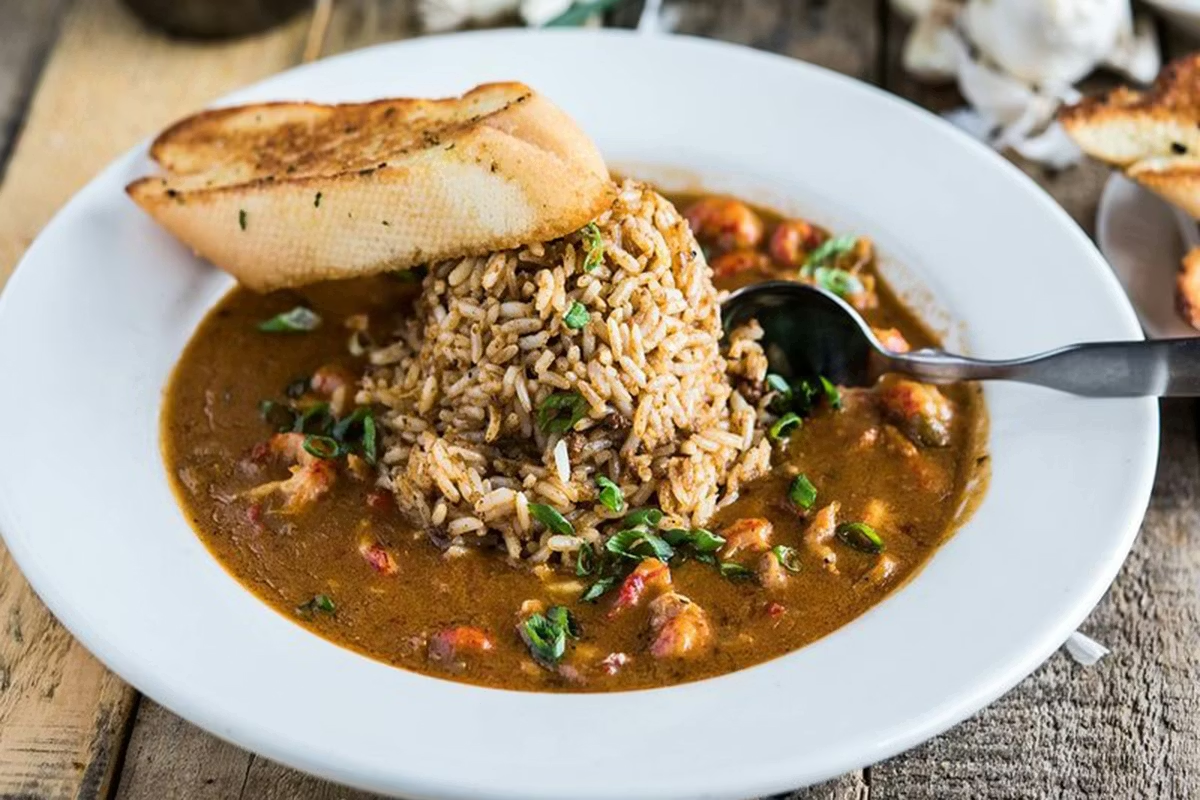
You have probably tasted Cajun food without realizing how far it traveled from Louisiana, and you will recognize the same smoky, spicy backbone whether the dish comes from a food truck or a dining room. Cajun cuisine spread through migration, markets, and clever substitutions, and those movements show how simple pantry ingredients became celebratory meals in new places. Cities across the country embraced seafood boils, jambalaya, and boudin in their own ways, and cooks adapted recipes to what was available while keeping the flavors that define the cuisine. Razzoo’s Cajun Cafe is one example of a place outside Louisiana that serves up those familiar tastes, and both old-school and modern versions of Cajun dishes continue to evolve as they find homes farther from the bayou.
What Is Cajun Cuisine: Core Ingredients and Techniques
Although Cajun cuisine grew from rural Louisiana, its bold, straightforward approach is recognizable anywhere. The cuisine relies on simple ingredients, rustic techniques, and layered seasoning to build memorable dishes. Chefs and home cooks alike depend on the holy trinity—onion, bell pepper, and celery—to create savory bases that support complex flavors. Garlic, cayenne, thyme, and bay are added to provide heat and earthy notes to Cajun food. Rice, cornmeal, and root vegetables serve as sturdy companions in many preparations, while smoked sausage, shellfish, chicken, and pork supply soulful protein.
Cooking techniques in Cajun restaurants and home kitchens are hands-on, with an emphasis on browning, braising, simmering, and making a roux to thicken and deepen flavor. Timing is respected so that slow-simmered gumbos and quick-sautéed crawfish achieve the right textures. Seasoning is an iterative process involving tasting, adjusting, and resting to reach balance. The cuisine prizes practicality and flavor economy, transforming humble pantry items into intensely satisfying, communal dishes.
How Migration, Markets and Media Spread Cajun Food
When people from rural Louisiana moved for work, education, or safety, they took their recipes, ingredients, and cooking habits with them, and those tastes traveled quickly through personal networks, markets, and later mass media.
Relatives, coworkers, and neighbors cooked gumbo at potlucks, taught roux techniques, and swapped spice blends, so Cajun flavors anchored new communities. Markets began stocking file, andouille, and okra as demand grew for Cajun ingredients and seafood staples. Restaurants and food entrepreneurs translated home dishes into menus that showcased Cajun cuisine, while newspapers, cookbooks, TV shows, and social media amplified recipes and techniques to wider audiences. As people tried, adapted, and reproduced these dishes, regional ingredients were substituted thoughtfully to keep core methods intact while fitting local supplies and palates.
Which U.S. Cities First Embraced Cajun Food?
Because Cajun migrants tended to settle where jobs, ports, and rail lines clustered, cities like Houston, New Orleans’ suburbs, Mobile, and Baton Rouge were among the first to adopt and adapt Cajun food. Local markets, eateries, and social gatherings quickly turned home recipes into community staples, and over time those urban centers became hubs for roux-rich stews, smoked andouille, and spicy seafood that travelers and chefs carried farther afield.
You’ll also see a strong Cajun cuisine presence in Memphis and Atlanta, where rail connections and regional trade brought ingredients and cooks. In Chicago and New York, returning soldiers and migrating workers introduced crawfish boils and po’ boys, sparking interest among restaurateurs. Across these cities, neighborhood joints and festivals kept Cajun techniques and flavors visible beyond Louisiana.
How Cooks Adapted Cajun Recipes: Ingredient Swaps, Techniques, and Fusion
When cooks learn Cajun cooking outside Louisiana, they often swap local ingredients and tweak techniques to match availability and taste. They replace crawfish with local shellfish or firm white fish when seafood is more accessible. Many chefs use smoked sausages from nearby butchers instead of tasso to recreate the smoky, savory notes common in Cajun cuisine.
When okra or fresh tomatoes are unreliable, canned tomatoes or local peppers become stand-ins in stews and sauces. Busy kitchens shorten long simmer times and adopt sheet-pan or grill methods to speed service in a Cajun restaurant setting.
Chefs blend spice levels to suit different palates while preserving the bold flavors associated with Cajun food. They also marry Cajun foundations—roux, the trinity, and bold seasonings—with regional produce or international flavors to create hybrids such as Cajun-Asian glazes or Creole-Mexican tacos.
These adaptations keep core textures and aromatics intact while making dishes practical and familiar where they cook.
Where to Find Authentic Cajun and Modern Takes Across the U.S
Authentic Cajun cooking and inventive modern takes often appear well beyond Louisiana’s borders, ranging from family-run po’ boy shops in Houston to upscale Southern bistros in Seattle. You can find Cajun restaurants and New Orleans-style joints in Atlanta and Nashville and Creole-infused cafés serving Cajun cuisine in Chicago. Seafood-forward kitchens along the Gulf Coast frequently showcase the region’s flavors.
Chefs who braise and smoke, make dark roux, and build spice slowly tend to produce dishes rooted in Cajun tradition. Modern interpretations often appear on menus labeled "Cajun-inspired" or "Southern fusion," where chefs swap proteins, add global spices, or present gumbo in deconstructed forms.
Farmers’ markets and pop-ups are common places to encounter authentic home cooks preparing Cajun food. Reviews and conversations with servers can reveal which establishments prioritize sourcing and technique while explaining their inventive departures.