Cajun Dining That Never Feels Trendy but Always Feels Right
When you walk into a room filled with Cajun food, the dishes feel like comfort and craft rather than a statement, and you immediately relax. You will notice slow-smoked proteins, dark roux, and the holy trinity doing the quiet work of flavor in the Cajun cuisine. Portions invite sharing, and stories are swapped over plates of seafood and hearty preparations. Seasoning aims for honesty over flash, so you will want to stay for another round to see how those simple choices shape the whole meal at Razzoo’s Cajun Cafe.
What Cajun Dining Means : And Why It Resists Trends
When you sit down to Cajun food, you aren’t buying into a fad but stepping into a cooking tradition rooted in resourcefulness, community, and hard-won techniques.
Cajun cuisine is built on simple, robust foundations such as roux, the holy trinity of vegetables, slow-smoked proteins, and bold seasonings. A Cajun restaurant values utility over novelty, so flavors arise from technique and quality ingredients rather than gimmicks.
Diners eat to satisfy hunger and to share time with others, and plates are meant to be passed while forks are dipped and stories are swapped. That communal practicality keeps Cajun dining steady against passing trends.
The consistency of Cajun food shows up in comforting spice levels, familiar textures, and balanced heat so each seafood or meat meal feels honest, useful, and undeniably welcome.
Cajun Roots: History And Culture
If the steadiness of Cajun dining comes from technique and community, its roots explain why those things matter so much.
You can trace those roots to Acadian exiles who settled bayous and swamps and turned scarcity into resourcefulness. French, Indigenous, Spanish, African, and Caribbean threads are woven into daily life, showing up in language, music, storytelling, and rituals around the table. Family gatherings, harvests, and parish fêtes shape what and how people eat in Cajun households and in a Cajun restaurant.
Food marks seasons, baptisms, funerals, and simple Sundays, and seafood plays a central role in many of those meals. Hospitality in this culture is treated as an obligation rather than a trend, and recipes are passed down as living memory.
The resilience of Cajun cuisine is clear because culinary choices carry history, identity, and survival, and when you sit to eat in this tradition you’re touching generations of place and perseverance.
Cajun Flavors And Techniques
Cajun flavors celebrate boldness and balance, relying on a handful of techniques that squeeze maximum taste from simple ingredients. Chefs toast spices to wake their oils, and they build deeply browned roux to add nutty complexity to soups and stews.
Aromatics such as onion, celery, and bell pepper are sweated until they melt into the pot and become the backbone of many Cajun dishes. Stock or wine is used to deglaze pans and lift the fond that forms from searing seafood and proteins.
Slow simmering concentrates flavors and allows humble produce and meats to develop depth. Smoking, blackening, and pickling are common approaches that layer flavor without excessive fuss in Cajun cuisine.
Seasoning is applied incrementally while dishes are tasted throughout cooking to ensure balanced results in a Cajun restaurant or at home. These methods allow seafood, produce, and proteins to sing with confident, uncomplicated flavor characteristic of authentic Cajun food.
Signature Cajun Dishes To Try
Cajun cuisine, though rooted in humble ingredients, serves dishes that feel like home and hit every flavor note from spicy to smoky to deeply savory.
Start with gumbo, a dark roux loaded with sausage, shellfish, or chicken and served over rice for a comforting bowl of rich seafood-tinged warmth.
Jambalaya offers rice cooked with tomatoes, smoked sausage, and the holy trinity for a one-pot, hearty meal that showcases classic Cajun food flavors.
Étouffée features shellfish or chicken swimming in a rich, silky sauce spooned over rice to highlight the cuisine’s depth and texture.
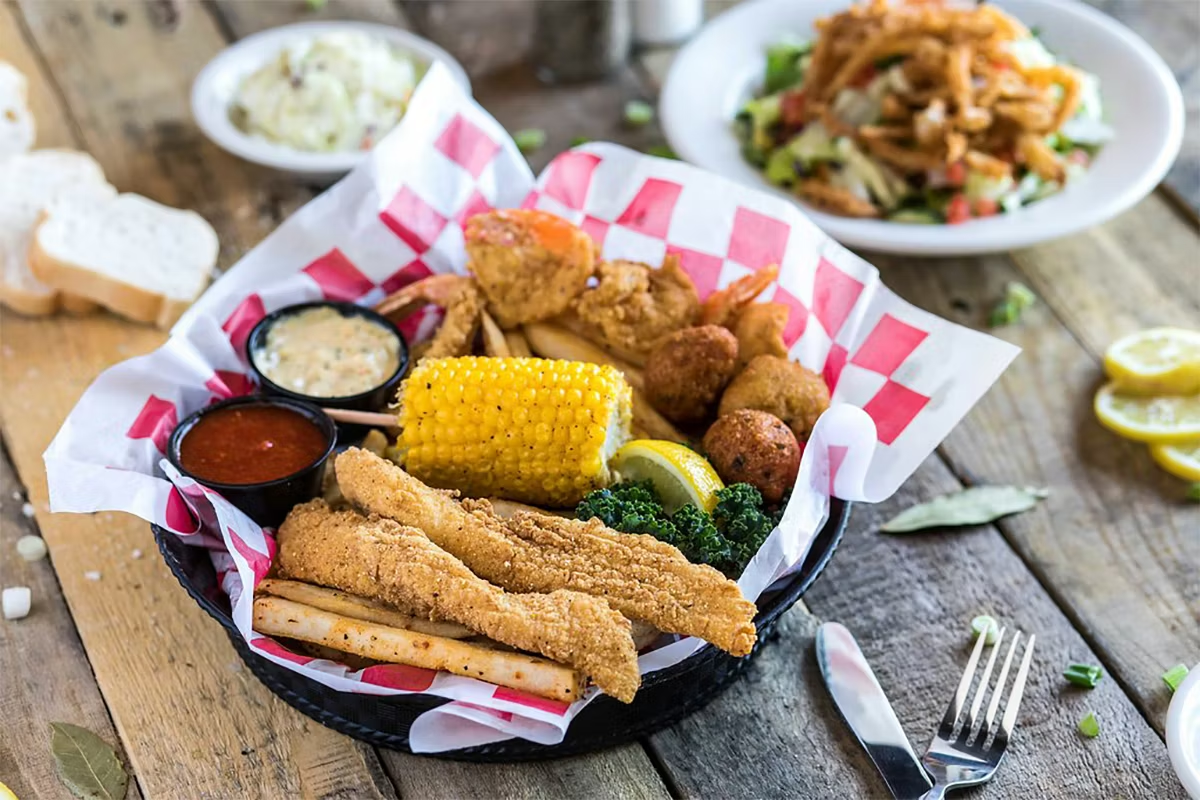
For something crispy, boudin and crackling fried catfish deliver satisfying contrasts of spice and crunch.
Simple sides like dirty rice or cornbread provide balance to the bold spices commonly found on a Cajun restaurant menu.
How To Read A Cajun Menu
When you scan a Cajun menu, look for key words such as gumbo, étouffée, jambalaya, and boudin because those terms reveal technique, spice level, and ingredients so you can choose dishes that match what you want to eat.
Pay attention to roux color, since a dark roux produces deep, nutty flavors from longer cooking while a blonde roux yields lighter, creamier dishes.
Check the listed proteins, because shrimp, crab, sausage, and tripe each provide different textures and levels of heat in Cajun cuisine.
Notice modifiers like "piquant," "spicy," or "hot," which indicate that the seafood or entrees will have pronounced heat, while descriptions such as "mild" or "house" often suggest a more balanced approach to seasoning.
Ask about whether a dish is served with rice or bread and inquire about portion size, because plates at a Cajun restaurant are often generous and meant for sharing.
If you’re uncertain, request recommendations or a small sample spoon so you can better match the flavors to your appetite and tolerance.
Where To Find Authentic Cajun Spots
Start by looking beyond tourist maps, because the most authentic Cajun spots are often tucked into neighborhoods, strip malls, and back roads where locals go for weekend jambalaya and weekday gumbo. You’ll find family-run cafes, modest seafood shacks, and hole-in-the-wall diners where the menu rarely changes and regulars nod like clockwork.
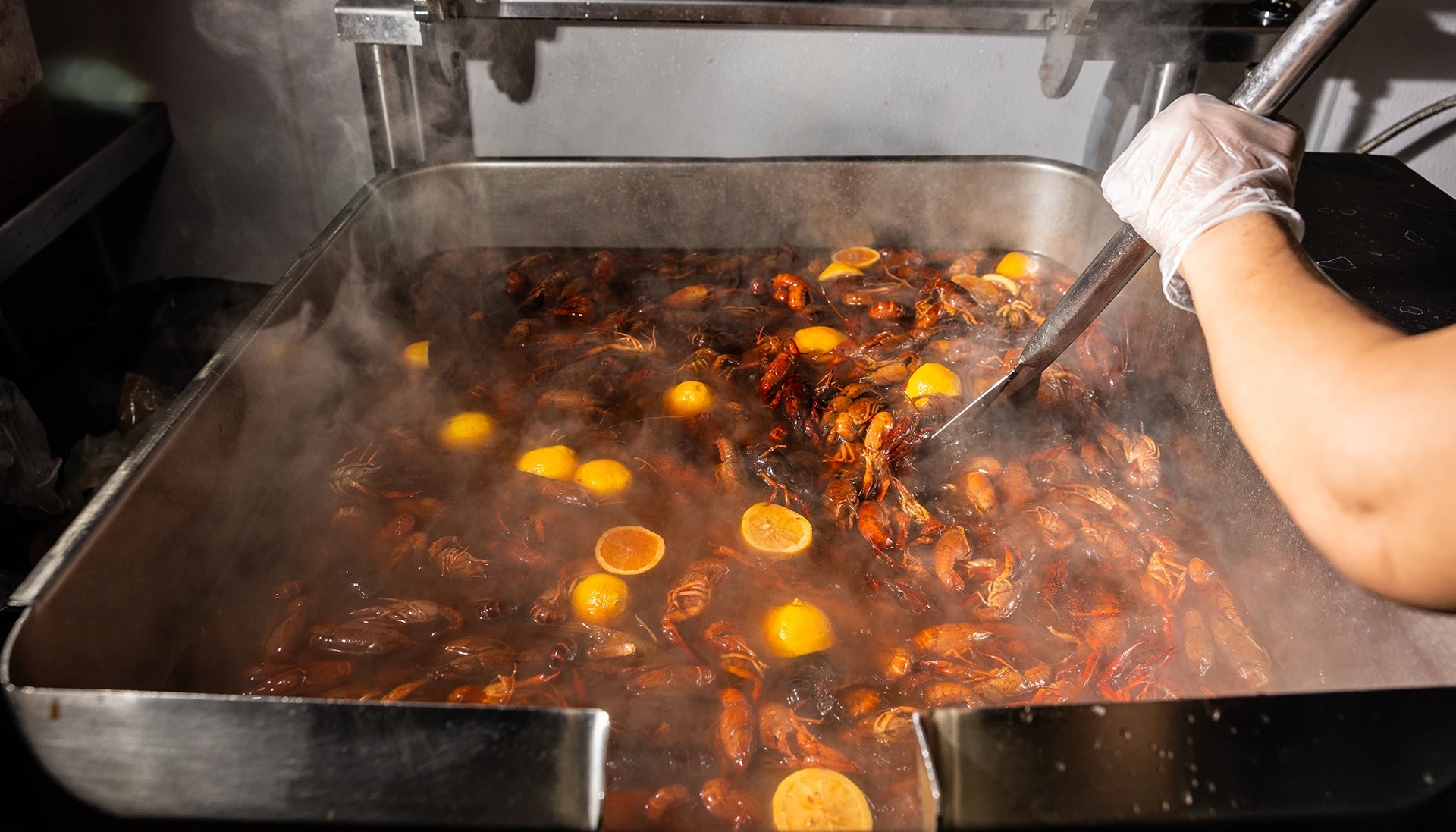
Community bulletin boards, regional food blogs, and social feeds frequently mention crawfish boils or shrimp po’boy stands that showcase genuine Cajun cuisine. Bartenders, gas-station clerks, and farmers at markets often point visitors toward Cajun restaurants driven by tradition rather than hype.
Visiting during off-peak hours reveals handwritten specials and allows patrons to see cooks working the same seafood and Cajun recipes year after year. Authenticity in Cajun food shows in rhythm more than decor.
Host A Cajun Meal: Simple Recipes To Try
Invite friends over and keep the meal relaxed by focusing on a few bold, simple recipes that showcase Cajun cuisine: gumbo, shrimp po’boys, and a pot of dirty rice.
Begin the gumbo with a dark roux and sauté onion, celery, and bell pepper before simmering the mixture with stock, sausage, and okra, finishing the dish with a squeeze of lemon.
For shrimp po’boys, season and quickly sauté or fry the seafood, pile it on crusty rolls, and dress the sandwiches sparingly with a tangy remoulade.
Dirty rice cooks quickly when you brown ground meat, with liver optional, then add onions, celery, bell pepper, rice, and stock and simmer until the grains are fluffy.
Time the components so the gumbo simmers while you assemble the sandwiches and fluff the rice, and serve family-style to enjoy the bold flavors of Cajun food as you dine.
Cajun Pairings And Sides
Round out your Cajun spread with sides and drinks that balance heat, starch, and bright acidity so every bite sings.
Include creamy coleslaw or a crisp fennel salad to cut richness alongside your Cajun cuisine.
Spoon buttery white rice or garlic mashed potatoes next to spicy étouffée or gumbo to tame the heat and complement seafood dishes.
Offer cornbread or flaky biscuits to soak up sauces, and arrange fried okra or pickled green tomatoes for a pleasing texture contrast.
Choose a cold lager, an unoaked white wine, or a citrusy cocktail like a whiskey sour to refresh the palate during a visit to a Cajun restaurant.
Finish with simple fruit such as grapefruit or orange segments or a lemon-sugar beignet for a bright, sweet counterpoint that leaves guests satisfied.
Why Cajun Dining Still Matters
Cajun food keeps community and flavor at its center, and you can taste history in the spice, resilience in the techniques, and hospitality in how dishes are shared.
When you sit in a Cajun restaurant, you connect with storytellers stirring pots where recipes passed down through hard seasons prove adaptable and sustaining.
Cajun cuisine shows that modest ingredients amplified by timing and heat can feed more than hunger and can cement identity.
Supporting local fishers, farmers, and cooks helps keep traditions alive without freezing them in amber.
Meals of seafood and hearty Cajun dishes invite conversation, seconds, and a leaning-in to heritage rather than a curated distance, and choosing that food means choosing a living culture that nourishes bodies and bonds.