How Cajun Food Became a Comfort Staple
You’ll notice Cajun food feels like a warm promise the moment it hits the table. Cajun cuisine grew from Acadians adapting to swamp and marsh, stretching simple, local ingredients into bold, smoky, savory meals. The techniques that define it—roux, slow simmering, and the holy trinity—were born of thrift, community, and celebration. Those practical choices turned into the comforts people crave today, and you can taste that history in every bowl of seafood gumbo or plate of jambalaya. I love how places like Razzoo’s Cajun Cafe keep those traditions alive while letting the cuisine stay playful and familiar.
Origins of Cajun Cooking: Acadian Roots and Bayou Life
Though they were uprooted from Acadia in the 18th century, the Acadian settlers carried a survival-minded cuisine that quickly adapted to the bayou’s bounty. They used local ingredients—fish, crawfish, wild game, rice, and garden vegetables—to recreate familiar stews and breads with new flavors that would become staples of Cajun food.
Their techniques included slow simmering, smoking, and one-pot cooking, which conserved fuel and time while deepening flavor in Cajun cuisine and seafood dishes alike. The French roots of their seasoning and method remain recognizable, yet influences from Native American and West African practices also shaped ingredients and spice mixes.
As these elements combined in kitchens and in the early Cajun restaurant culture, necessity, environment, and cultural blending produced a pragmatic, flavorful cuisine that became the heart of Cajun identity.
Why Resourceful Cooking Shaped Cajun Food
Because food had to stretch to feed families through lean seasons and long workdays, Cajun cooking grew from necessity into a system of practical techniques and inventive pairings. Cooks learned to salvage every bit: tougher cuts simmered until tender, preserved meats lent depth, and seasonal vegetables bulked out meals.
One-pot methods saved fuel and time while turning scraps into rich, sustaining dishes that carried flavor forward. Resourcefulness encouraged improvisation, with cooks swapping ingredients, stretching rice or corn to feed more mouths, and transforming leftovers into new meals.
That habit made Cajun cuisine communal and flexible, so recipes adapted to whatever was on hand and the flavors of local seafood often found their way into the pot. In kitchens and in the Cajun restaurant, thriftiness became creativity, and hearty comfort rose from making the most of little.
Core Cajun Flavors: Roux, Holy Trinity, Smoke, Spice
The practical habits of Cajun cooks shaped not just what went into the pot but also how flavors were built, and four elements keep showing up as the foundation of Cajun food.
You learn roux first: flour browned in fat until it breathes toasted, which thickens sauces and adds a nutty depth that defines many dishes in Cajun cuisine.
The Holy Trinity of onion, bell pepper, and celery provides a steady aromatic base that balances the profiles of gumbos, étouffées, and other favorites served in a Cajun restaurant.
Smoke arrives from slow-simmered meats, smoked sausage, or bayou wood and folds into broths and stews to anchor their richness.
Spice in Cajun cooking isn’t about heat alone but about rhythm, with cayenne, black pepper, bay leaf, and white pepper calibrated to give body and a lasting finish to seafood boils, stews, and everyday plates.
Together these elements make Cajun cuisine resilient, economical, and instantly recognizable without relying on exotic imports.
Signature Everyday Cajun Dishes & Rituals
In Cajun households, people often cook the same comforting dishes week after week, following rituals tied to season, harvest, and family. Home cooks rely on jambalaya simmered low and long, with the rice soaking up smoky sausage and bayou broth.
Families turn to gumbo when the weather or mood calls for something soulful, and the dark roux with okra or filé brings a slow, calming rhythm. Red beans and rice mark Mondays as a simple, filling practice born of thrift and taste.
Breakfasts commonly feature boudin or biscuits slathered in butter across many Cajun tables. Homes keep pickled green tomatoes and jars of hot sauce handy to provide bright acidity that cuts richness.
These everyday plates of Cajun cuisine and seafood specialties shape daily rhythms, feeding bodies and memory with steady, dependable comfort.
Cajun Community and Celebration Traditions
Cajun cooking sits at the center of any gathering and drives the rhythm of celebrations from backyard fais do-dos to church picnics.
You can smell gumbo bubbling and see trays of jambalaya vanish as laughter mixes with accordion music.
Plates are passed family-style, and you learn recipes for Cajun cuisine that have been handed down by neighbors who treat food as a promise to care.
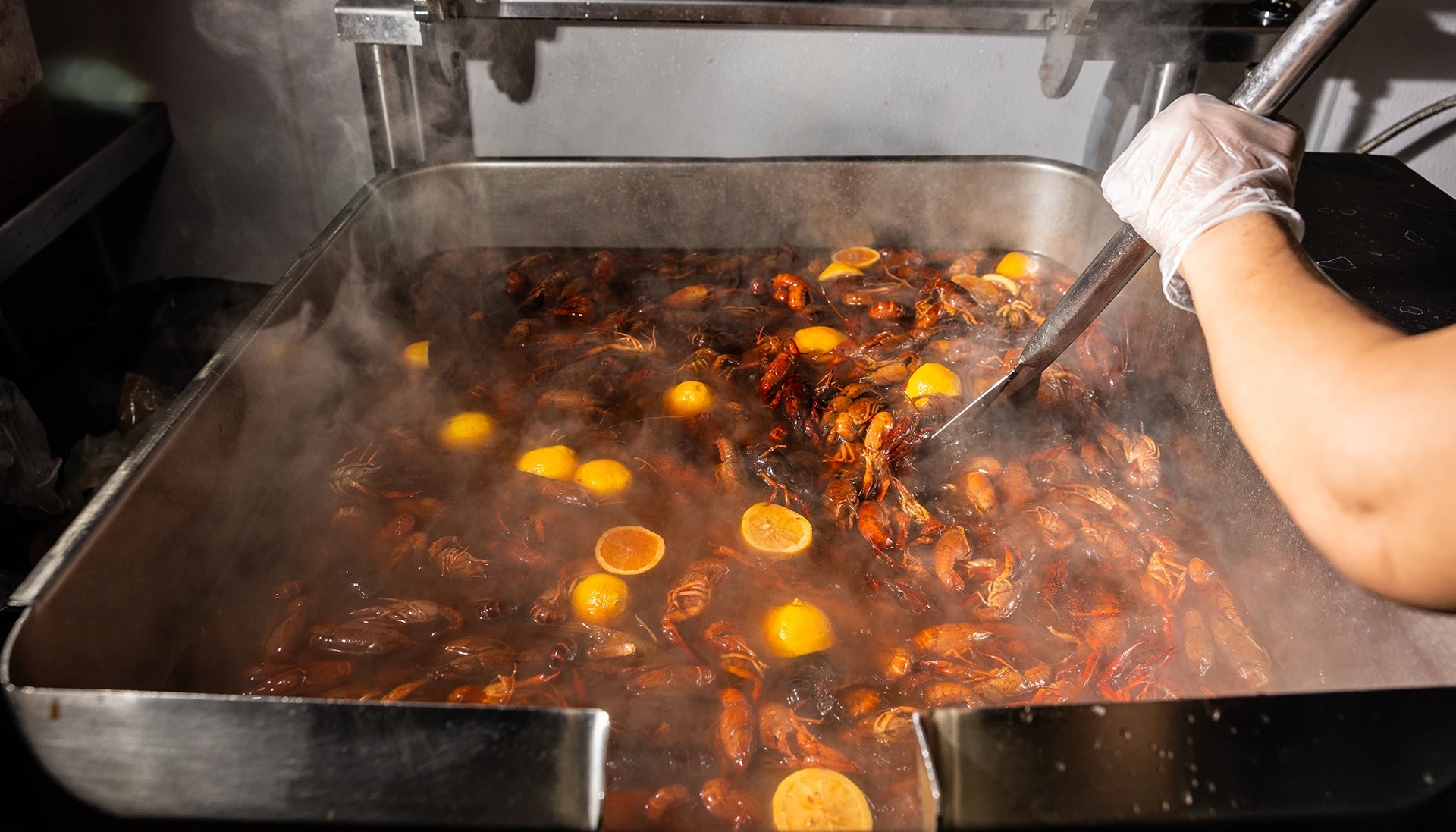
People join volunteer lines to peel shrimp or stir pots because feeding folks is how the community shows love and settles disputes.
People bring a dish to welcome newcomers and leave with new appreciation for spice and timing.
At festivals and wakes alike, the table keeps stories and memory alive so everyone departs fuller in belly and sense of belonging.
How Cajun Food Moved From Homes to Restaurants
Cajun food stepped out of family kitchens when cooks began serving neighbors at benefit dinners and roadside stands, turning home recipes into repeatable menus. Practicality led cooks to scale up: gumbo pots grew, spice blends were measured, and techniques were adapted for speed without losing soul.
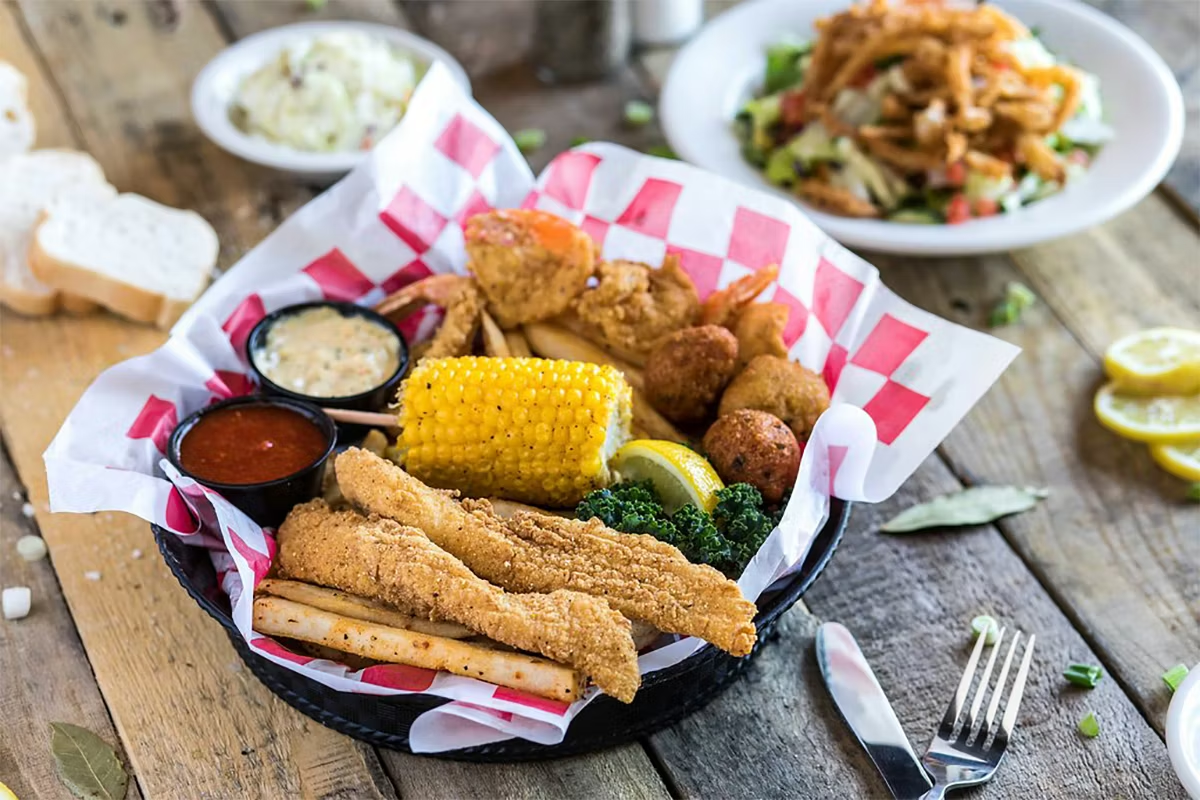
Entrepreneurs opened modest cafés and fish fries that used familiar Cajun flavors to attract regulars. Critics and visitors took note, and newspapers, guides, and later food shows began to spotlight those straightforward plates.
As demand rose, Cajun restaurants standardized portions and sourcing and trained staff to reproduce beloved Cajun cuisine reliably. The shift kept flavors authentic while making Cajun food and regional seafood specialties accessible beyond family tables and cemented their place in regional dining.
Cook Cajun at Home: Simple Swaps, Recipes, and Where to Taste
Bring Cajun flavor into your kitchen with a few simple swaps, such as using andouille instead of smoked sausage and choosing file or okra to thicken gumbo.
The basic trinity of onion, celery, and bell pepper provides essential depth in Cajun cuisine.
You build flavor by browning proteins and toasting spices, and a dark roux takes time while rewarding cooks with nutty complexity.
Jambalaya with shrimp and smoked ham showcases the hearty, satisfying side of Cajun food.
Red beans and rice benefit from a long, slow simmer that develops deep, comforting flavors.
Blackened fish seasoned with paprika, cayenne, and thyme highlights the bold spice profile found in many Cajun seafood dishes.
For weeknights, one-pot meals and sheet-pan Cajun vegetables make flavorful dinners with minimal cleanup.
If you want authenticity, visit neighborhood Cajun restaurants in New Orleans, Lafayette, or Baton Rouge to taste the regional differences and family recipes that define the cuisine.