How Cajun Cooking Balances Spice and Comfort
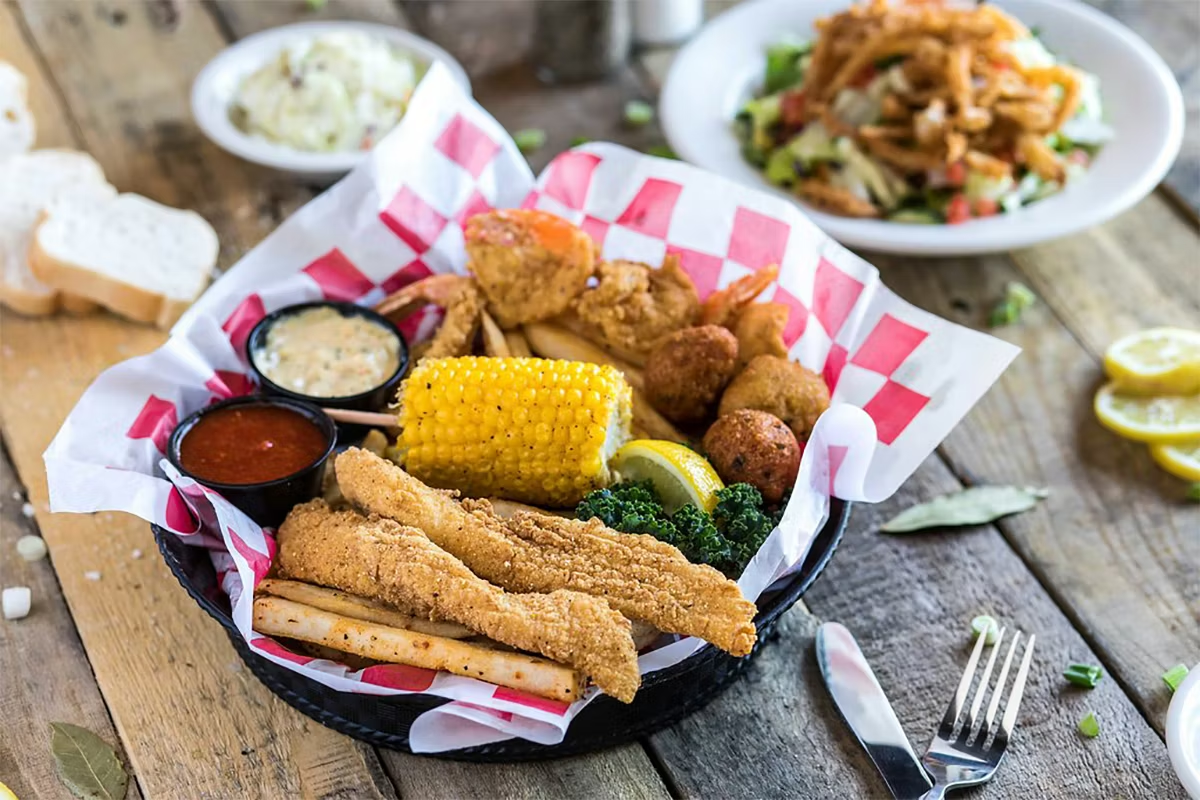
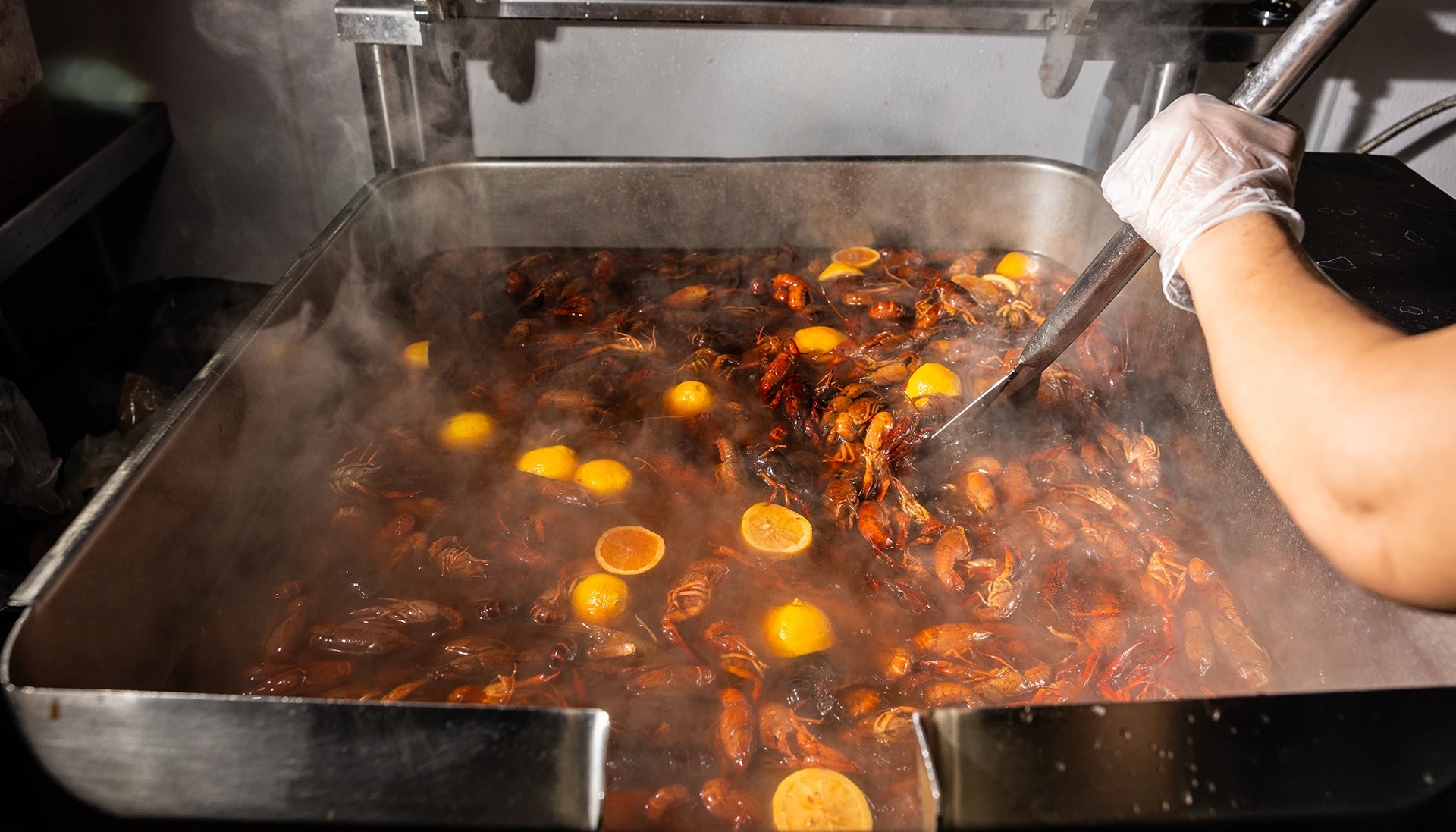
Cajun food delivers bold flavors that settle into something comforting. Cajun cuisine often begins with the Holy Trinity and a dark roux, which build a savory foundation for seafood, smoky proteins, or grilled vegetables. Cooks layer in cayenne and black pepper and then slow-simmer so the flavors marry and the heat mellows. The charm of Cajun food comes from that tension between lively spice and soft rice, beans, or a buttery sauce, and places like Razzoo’s Cajun Cafe showcase how those contrasts make every bite satisfying.
Why Cajun Food Is Bold Yet Comforting
Comfort blends with heat in Cajun cooking, and Cajun food greets you with bold, smoky spices before soothing you with rich, homey textures. You lean into layers of cayenne, paprika, and black pepper that are balanced by the holy trinity of onion, bell pepper, and celery.
Char and smoke from blackened meats or a dark roux anchor the brightness of fresh herbs and lemon in Cajun cuisine. Heat is expected but modulated by fats, stocks, and slow-cooked vegetables so that each bite warms instead of overwhelms.
Straightforward techniques such as searing, simmering, and deglazing concentrate flavor without fuss in a Cajun restaurant kitchen. Communal dishes like gumbo, jambalaya, and other seafood preparations make boldness serve as a backdrop for nourishment, memory, and the satisfying simplicity you return to again and again.
Regional Roots of Cajun Heat
Peppers, smoke, and seasonings tell the story of Cajun heat as much as recipes do. You can trace its intensity back to the bayous, coastal seafood camps, and upland farms where ingredients and techniques met.
You’ll notice how local chiles and dried peppers were preserved and shared, and how smoking fish and pork concentrated flavor. Salt from coastal trade sharpened dishes in the regional Cajun cuisine, and you’ll find regional tweaks such as spicier blends inland and briny heat near estuaries that reflect what was available and practical.
Cultural exchange from Acadian, Native, African, and Spanish influences introduced peppers, smoking methods, and spice mixes that remain detectable in Cajun food and in the offerings of many a Cajun restaurant. Understanding those roots helps you appreciate why Cajun heat feels both rustic and intentional.
The Holy Trinity: Building the Base Flavor
Those regional ingredients and methods set the stage, but the flavor backbone of Cajun cuisine comes from the Holy Trinity: onions, bell peppers, and celery.
You’ll dice them uniformly so they cook evenly, and their proportions can shift by recipe while remaining consistently present.
Start with oil or fat in a hot pan and soften the vegetables slowly to coax out sweetness without browning.
That gentle sweating creates a savory, aromatic base that supports proteins, rice, stews, and many dishes found in Cajun restaurants.
You’ll notice how their textures melt into sauces, thickening and enriching seafood preparations and hearty meals alike.
Mastering this simple trio allows you to build complex Cajun food with confidence because once the base is right, the rest of the seasoning and ingredients fall into place.
Layering Cajun Heat: Cayenne, Black Pepper, and Smoke
Layering heat begins with understanding each element’s role in Cajun cuisine: cayenne brings a clean, immediate bite that wakes the palate.
Black pepper contributes a warming, aromatic sting that rounds the spice and helps it linger.
Smoke—whether from smoked paprika, a charred roux, or grilled seafood—ties these components together with deep savory notes.
Chefs at a Cajun restaurant balance intensity by dosing cayenne for upfront heat while tempering it with black pepper’s rounded warmth so the spice remains steady rather than overwhelming.
Smoke is used sparingly to add depth without masking brightness, and a light sprinkle of smoked paprika or a hint of char amplifies umami and frames the chilies.
The layers should converse so every bite of Cajun food feels purposeful, bright, and comforting.
Roux and Slow Simmering: How Time Tames Heat
Because a dark roux mellows aggressive heat, time becomes as important an ingredient as spice or salt in Cajun cuisine. You toast flour and fat slowly until nutty aromas replace the raw bite, and that slow browning tames cayenne’s sharp edge while building savory depth in seafood stews and other Cajun dishes.
As someone stirs a gumbo or étouffée in a busy Cajun restaurant kitchen, a long, gentle simmer allows the liquid to coax flavors together, soften peppers, and let bitter edges round into warmth. The cook will skim foam, adjust thickness, and resist rushing the process because heat diffuses and balances when given patience.
The result feels layered rather than merely hot, with warmth that comforts, spices that sing in harmony, and textures that welcome a spoon instead of daring diners to flee.
How to Adjust Cajun Heat: Swaps & Measurements
If you want to tame or turn up Cajun heat, make swaps and measure deliberately. Replacing cayenne with smoked paprika will produce milder warmth while adding a smoky note to Cajun food. Using crushed red pepper sparingly keeps the flavor balanced without overwhelming the dish. Adding fresh jalapeño contributes a green, grassy bite to Cajun cuisine, and reserving hotter chiles for finishing preserves control over the final heat level.
Match intensity to dish size by starting with 1/8 teaspoon cayenne per two servings or 1/4 teaspoon per four, and then scale cautiously from there. When substituting spices, use twice the volume of paprika to achieve equivalent color and mildness, and halve the amount of a hot pepper when replacing dried chile flakes. Taste as you go and allow sauces to rest between adjustments so flavors settle.
Keep neutral dairy or citrus on hand to brighten dishes in a Cajun restaurant-style meal without masking spice. Remember that seeds and membranes concentrate heat, so removing them reduces the fire in seafood and other preparations.
Use Starches, Proteins, and Roux to Balance Spice
When spice begins to dominate a dish, use starches, proteins, and a well-made roux to restore balance.
Rice, potatoes, or crusty bread will mellow heat quickly because their blandness soaks up excess capsaicin and stretches flavors without masking them. Tender proteins such as chicken, pork, shrimp, or beans dilute the concentration of spice and provide pleasing textural contrast in Cajun cuisine.
A roux browned to the level the recipe calls for integrates fats and thickens sauces so that spice disperses evenly instead of arriving in sharp bursts. Whisking in stock gradually helps control intensity while cooking a bit longer allows flavors to marry in a way that suits seafood and other classic dishes from a Cajun restaurant.
Tasting often and making small adjustments with starch, protein, or roux will keep Cajun food friendly and balanced.
Vinegar, Tomatoes, and Cane Syrup: Tempering Heat With Acidity and Sweetness
Starches, proteins, and a roux calm and spread heat, while acids and sweetness alter how you perceive spice in Cajun food. Vinegar cuts through lingering capsicum and a splash can brighten a gumbo or red beans without muting their flavors.
Tomatoes add body and gentle acidity, and their cooked sugars smooth jagged edges while preserving depth in Cajun cuisine. Cane syrup provides restrained sweetness that rounds spice without making a seafood stew cloying when used sparingly.
Tasting as you go and balancing acid with a touch of syrup helps temper heat while preserving the character of Cajun restaurant dishes.
Quick Fixes: Cool a Too-Spicy Cajun Dish Without Losing Flavor
Though a fiery pot can feel like a setback, you can quickly tame Cajun heat without stripping away the character of your Cajun cuisine. Adding a dairy element such as milk, cream, or a dollop of yogurt will soften capsaicin, and you should stir gently while tasting as you go.
If dairy isn’t an option, folding in cooked starch like rice, potatoes, or pasta will help absorb excess spice in a seafood gumbo or other Cajun dish. A splash of acid, such as lime or vinegar, will brighten and balance heat without dulling the flavors of a jambalaya.
Stirring in a bit of sweetness, for example a teaspoon of cane syrup or honey, will round out any harsh edges in the sauce. Removing some of the spicy sauce to dilute with stock or tomatoes and then recombining it can reduce overall intensity in a plate served at a Cajun restaurant.
Finally, chilling the dish briefly will allow volatile heat to subside and will calm the palate before serving.