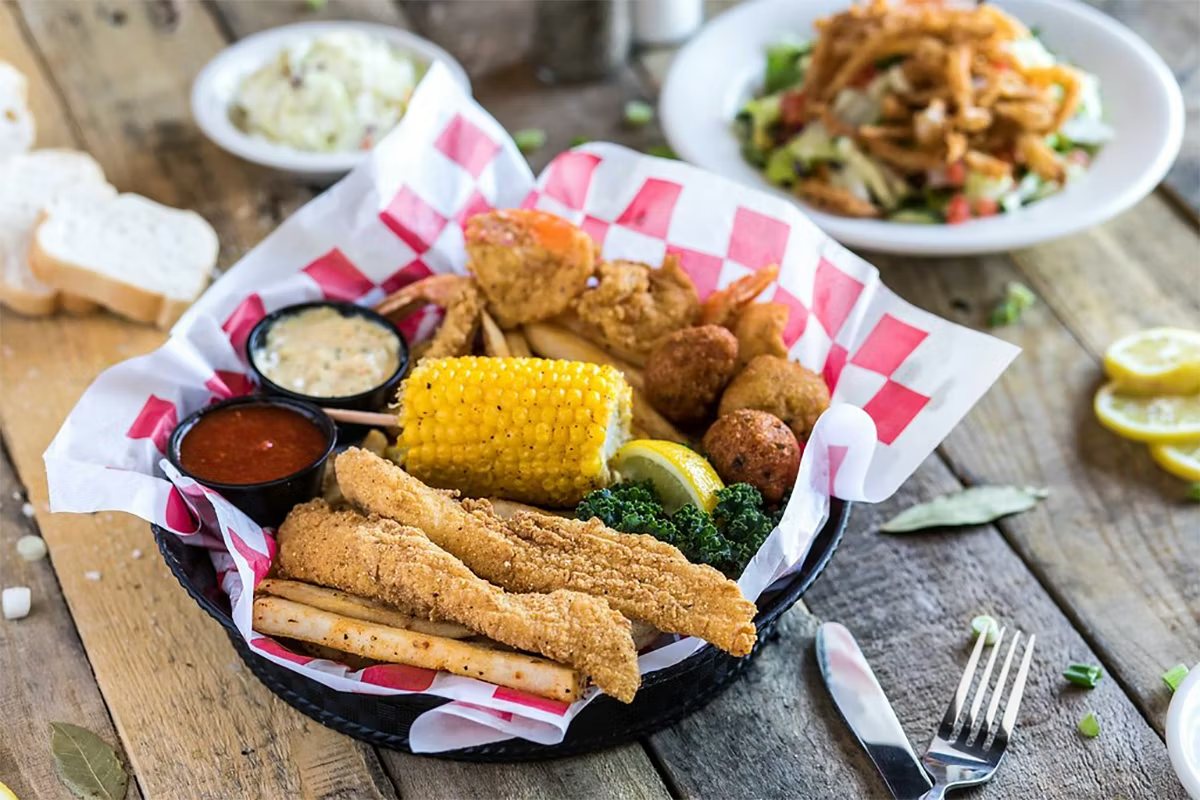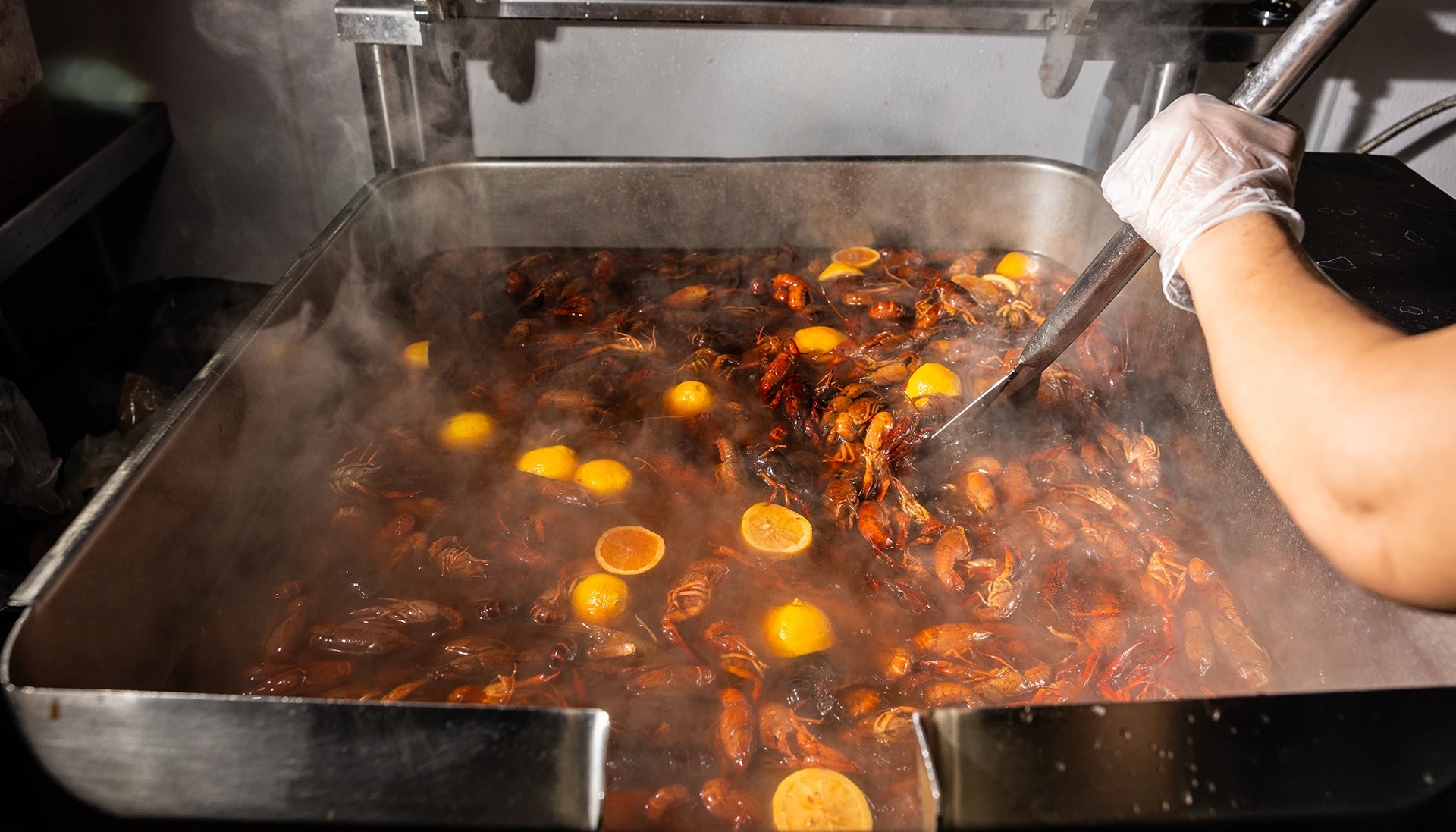
Cajun Food That Always Feels Satisfying
When you cook Cajun food, you tap into a balance of deep, slow-browned flavors and bright, spicy notes that comfort the body and wake the appetite. Cajun cuisine relies on a dark roux and a soft trio of onion, celery, and pepper to build a savory base, and smoky proteins like Andouille or blackened shrimp add richness. Rice, grits, or crusty bread soak up the sauce and make every bite feel satisfying, whether you are serving a seafood gumbo or a hearty jambalaya. I think of places like Razzoo’s Cajun Cafe when I crave that homey blend of spice and comfort, and the same approachable techniques bring that feeling into your kitchen.
Why Cajun Food Feels So Comforting
Cajun food feels like a warm hug after a long day because it blends bold spices, homey techniques, and simple ingredients.
In many Cajun restaurants, you’ll hear the comforting rhythm of browning onions, bell peppers, and celery until they soften. Stews simmer slowly and thicken, allowing flavors to deepen as sausage, seafood, or chicken are folded in and absorb the richness.
The spice mix of paprika, cayenne, thyme, and garlic warms the palate without overwhelming it, so each bite remains both familiar and lively. Portions in Cajun cuisine are often generous and built for sharing, which gives meals a communal feeling.
Textures that range from creamy to tender with a slight crispness pair naturally with rice or bread to create satisfying plates. In short, Cajun cuisine comforts both body and spirit with straightforward, soulful food.
Make a Dark Roux the Easy Way (Safety & Color Tips)
When you want that deep, nutty backbone for gumbo or étouffée in Cajun cuisine, making a dark roux requires controlled heat and steady stirring.
You should heat equal parts oil and flour over medium-low and avoid rushing with high heat because scorching will spoil the flavor.
A heavy-bottomed pan and a long-handled wooden spoon help keep your hand back from steam and splatter while you work.
Watch the color closely as it progresses from tan to peanut-butter to chocolate, since each stage changes the flavor profile for seafood stews and other Cajun food.
If smoke appears, you should lower the heat and stir more because burnt bits will ruin the dish.
Keep a bowl of cool water nearby to handle small grease splashes, and have oven mitts ready for the pan handles to protect your hands.
Strain solids if needed, and add stock gradually off the heat to avoid lumps and preserve a smooth texture for sauces served in a Cajun restaurant.
Patience is essential because the flavor builds slowly and can’t be rushed.
Cajun Gumbo That Fills the Soul: Key Ingredients & Shortcuts
For a gumbo that warms more than your stomach, begin with a deep, well-made roux and a dark mirepoix of onion, celery, and bell pepper to build a rich foundation.
A mix of smoked sausage and shellfish or chicken brings soulful depth and echoes the best of Cajun cuisine.
Toasting spices such as bay leaves, thyme, and cayenne adds aromatic complexity before deglazing with a concentrated stock or water to lift the flavors.
Incorporating okra or file powder provides body and texture, with okra thickening naturally and file contributing an herbal lift when added at the end.
Because smoked sausage can be salty, relying on a flavorful, concentrated stock and using modest salt levels helps balance the dish.
For quicker preparation, browning pre-sliced andouille, using good-quality store stock, or simmering in a pressure cooker for 30 to 40 minutes can meld flavors more rapidly, making the recipe practical for a busy Cajun restaurant kitchen or a weeknight seafood supper.
Finish the gumbo with chopped parsley and hot sauce to taste to brighten and personalize the final bowl.
Hearty One-Pot Meals: Red Beans, Jambalaya, Étouffée (Timing & Swaps)
When you choose a one-pot Cajun dish, plan timing and smart swaps so each ingredient shines without overcooking. Red beans require a long, gentle simmer to soften fully, while jambalaya cooks faster and benefits from sequential additions with the rice added last. Étouffée calls for a deeply browned roux before shellfish or chicken are introduced, and the roux’s color largely dictates its flavor. You can soak dried beans or use canned beans to control texture, and smoked sausage or a ham hock provide depth if you skip pork shoulder.
In jambalaya, aromatics and browned proteins should be cooked first before adding liquids and rice so the grains absorb evenly. In Cajun cuisine, don’t rush the roux for étouffée, and swap oils for butter sparingly while choosing low-sodium stock to better manage seasoning and tasting as you go. The flavors in a seafood étouffée or a hearty pot of red beans will develop most fully when each step is given the time it needs, much like dishes served in a good Cajun restaurant.
Seafood That Satisfies: Shrimp, Fish, and Simple Pan Sauces
One-pot classics teach patience and layering, but seafood brings a different pace and finesse to Cajun cooking. Shrimp and fish cook quickly and reward careful timing and bold, simple pan sauces. You’ll sear fillets until they develop a golden crust and then finish them with a splash of broth, lemon, and a pat of butter to create a silky pan sauce that carries paprika, cayenne, and garlic.
For shrimp, it’s important not to overcrowd the pan because the crust and texture depend on space. Deglazing with white wine or stock brightens the sauce, and adding chopped parsley and a squeeze of citrus lifts the flavors to complement rice or grits. These fast seafood dishes highlight freshness and let bright, spicy Cajun cuisine and seafood flavors speak for themselves.
Sausage & Pork for Deep Cajun Flavor (Stews, Skillet Meals)
Reach for and slice smoky Andouille or a spicy smoked sausage, then brown it until the fat renders and the pan smells of paprika and garlic, because much of Cajun cuisine’s depth comes from that process.
Add cubes of pork shoulder or a ham hock next, searing them to deepen color and develop richer flavor. Deglaze the pan with stock and tomatoes, then build a simple trinity of onion, celery, and bell pepper to soften and mingle with the meat in a way that evokes classic Cajun food.
Let the mixture simmer low and slow for stews like gumbo or for modest skillet meals so that the connective tissue breaks down and the juices concentrate.
Finish with a hit of cayenne, black pepper, and a splash of vinegar or Worcestershire to brighten the dish and complement any seafood served alongside. Taste and adjust the seasoning before serving straight from the pot for a hearty, unmistakably Cajun restaurant-style meal.
Rice, Grits, and Breads That Complete the Plate
Alongside bold proteins and spicy stews, rice, grits, and crusty breads soak up sauces and anchor the plate, so you should choose and season them with care.
Steamed white rice is essential for jambalaya and étouffée because it cradles spicy bits and glossy sauces without stealing attention.
Stone-ground grits provide a creamy contrast and remain lush under shrimp or smoked sausage when cooked slowly with stock and butter.
Crusty French bread is perfect for mopping up roux-rich pans because a crisp exterior and airy crumb make every bite satisfying.
For variety, garlic-buttered baguette slices or cornmeal biscuits accompany a bowl of gumbo to balance textures and extend the comfort of Cajun cuisine and seafood dishes in a Cajun restaurant setting.
Make Cajun Spice Blends at Home (Ratios, Blends, Usage)
After you choose the right starch to soak up sauces, consider the spices that make those sauces sing because homemade Cajun blends let you control heat, smokiness, and salt so every spoonful hits how you like.
Start with a base of two parts paprika, which may be sweet or smoked, and add one part cayenne for heat, one part garlic powder, and one part onion powder.
Include half a part dried oregano and half a part dried thyme, and balance the blend with one part black pepper and one part kosher salt.
Adjust the amount of cayenne to suit your preferences, using more for a bolder kick or less for family-style Cajun cuisine.
Use the seasoning as a rub for proteins, a seasoning for vegetables, or a stir-in for sauces, stews, and seafood dishes.
Store the blend airtight, label it with the date, and refresh it within six months for the best flavor in your homemade Cajun food or when recreating dishes from a favorite Cajun restaurant.
Weeknight Shortcuts: Freezer Tricks, Quick Roux, and Skillet Hacks
Make weeknight Cajun cooking easier by leaning on a few smart shortcuts that cut prep time without sacrificing flavor.
Freeze cooked rice, shrimp, or sausage in portioned bags so you can pull only what you need for a quick jambalaya, gumbo, or other Cajun cuisine dishes.
Pre-chopped mirepoix and frozen roux cubes — made by cooking a roux, cooling it, and scooping it into ice trays — speed thickening without constant attention to the pot.
Keep a jar of your homemade Cajun spice blend and a simple stock concentrate in the fridge to boost depth instantly in seafood boils, stews, or any Cajun restaurant–style meal.
Use a heavy skillet to sear proteins quickly, deglaze with stock or wine, and finish with bold seasoning to achieve the robust flavors associated with Cajun food on busy weeknights.
Balancing Heat, Smoke, and Richness for Perfect Comfort
When you build a dish, think of heat, smoke, and richness as three dials you’ll constantly tweak, and when you push one too far the others must compensate.
You balance jalapeño or cayenne with smoky elements like charred onion, bacon, or smoked paprika so that the spice sings without overpowering the dish.
When smoke dominates, brighten the flavors with acid such as vinegar, lemon, or pickled okra to lift the heaviness.
When richness overwhelms, cut it with herbs, citrus, or a splash of stock.
You should taste early and often while adding small increments—a pinch, a squeeze, or a teaspoon.
Texture matters because crunchy celery or crisped sausage changes the perception of grease.
Serving a neutral starch helps to tame extremes and makes the plate feel comforting, layered, and precisely tuned for Cajun cuisine or a seafood-forward meal in a Cajun restaurant.