Cajun Restaurants Where Time Seems to Slow Down
You step into places where the clock loosens its grip, with worn booths, tin ceilings, and the low clatter of cast‑iron pots setting the pace. Servers at these Cajun restaurants know your name, and a steaming pot of gumbo or a platter of Cajun seafood arrives when it is ready, not when your phone buzzes. You choose a corner table, listen to bowls being ladled, and let the menu guide you toward a meal that insists you slow down, so you can savor the rhythms of Cajun cuisine. Razzoo’s Cajun Cafe fits right into that world, where the evening stretches and some nights just seem to last longer.
Which Slow Cajun Night Is Right for You?
When you choose a Slow Cajun Night, consider the mood you want to create and how Cajun cuisine will fit into it.
A family-style evening showcases communal platters of Cajun food, casual comfort dishes, and the sound of kids laughing over jambalaya and cornbread.
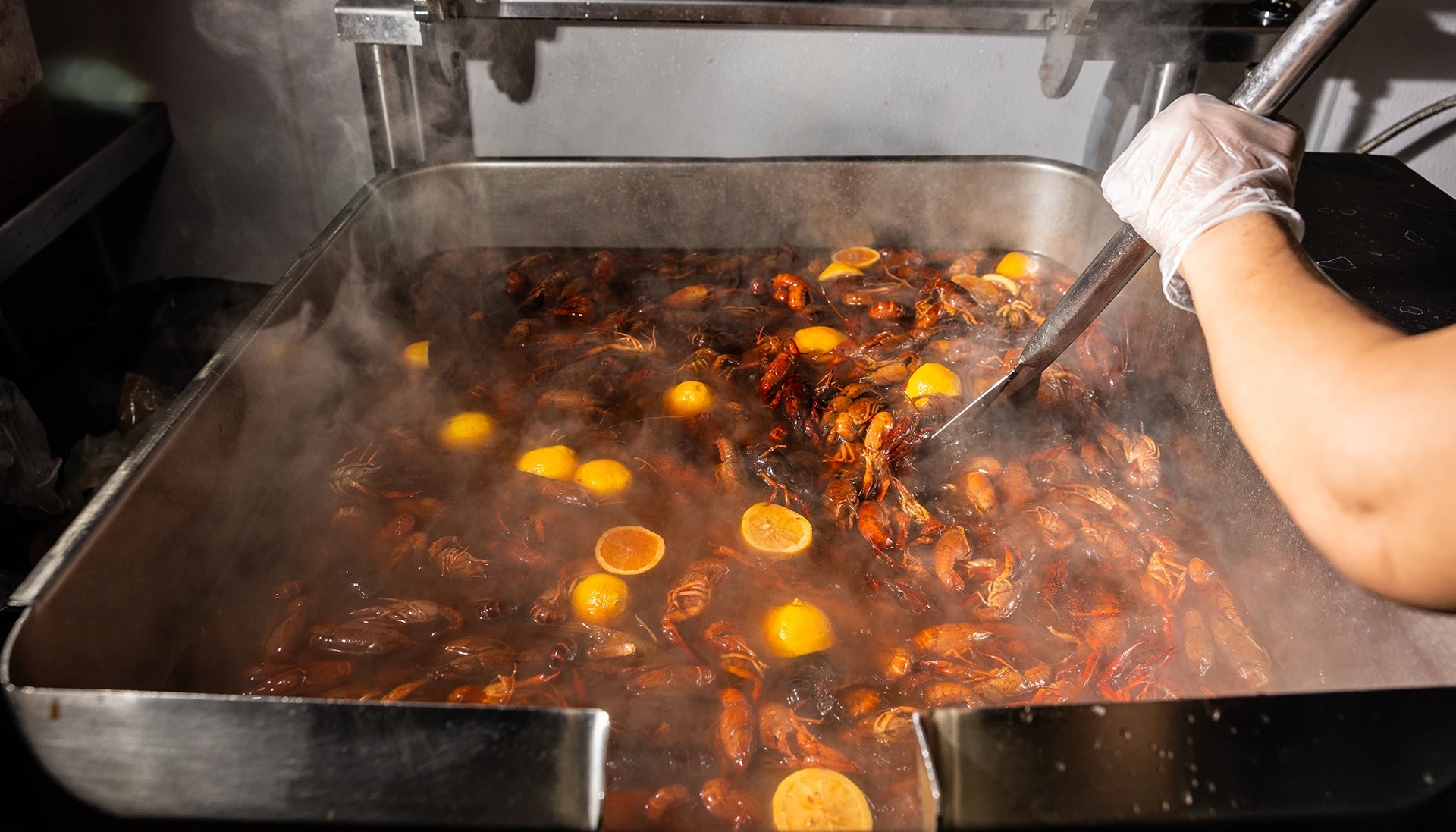
A raucous crawfish boil brings loud energy, seafood piled high for peeling tail meat, and the messy outdoor conviviality that suits a group of friends.
A wine-paired gumbo dinner highlights slow-simmered complexity, measured portions, and conversations that linger between courses.
Think about pace, the guest list, and tolerance for spice and cleanup as you match the menu to your preferences for noise, hands-on eating, and lingering in a cozy Cajun restaurant atmosphere.
Old-School Cajun Spots That Feel Like Stepping Back in Time
Step inside one of these old-school Cajun restaurants and you’ll feel time slow down with worn booths, tin ceilings, and recipes handed down on stained index cards.
You’ll notice servers who know regulars by name and chefs who still stir gumbo and other Cajun cuisine in cast-iron pots, tasting as they go.
The menu won’t chase trends and will honor boudin, crawfish étouffée, and crisp fried catfish prepared the same way for decades.
You can settle in without rush while listening to low conversation and the clink of glasses.
Expect paper menus or chalkboards, house-made sauces, and a sense of continuity that comforts as genuine Cajun food and seafood flavors linger.
Cajun Counter Joints Where Locals Linger
Cajun counter joints hum with low conversation and the steady clatter of plates as seats at the bar fill fast and locals trade stories between bites. You step up to a worn counter, scan the chalkboard specials, and trust the cook who knows your town’s appetite at this Cajun restaurant.
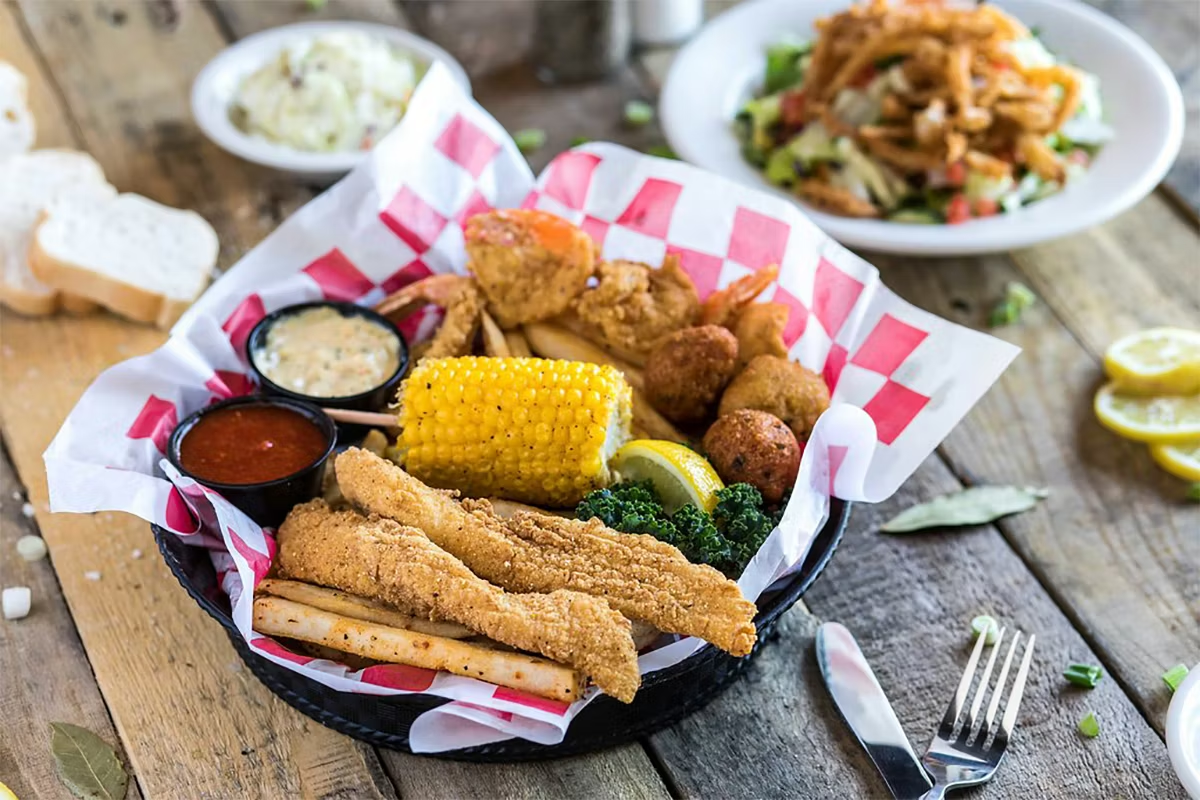
Orders fly out as gumbo is ladled thick, fried catfish proves flaky, and rice steams beside a bright, tangy remoulade in an atmosphere shaped by Cajun cuisine and seafood traditions. You grab a stool between families and regulars who’ve been coming for decades, and conversations remain immediate while recipes stay direct.
The service moves with friendly efficiency, and the communal rhythm of the place makes time feel easier to keep as you savor honest food and quick refills.
Cajun & Creole Bistros for Slow, Candlelit Meals
Bathed in soft light and low jazz, a Cajun or Creole bistro invites patrons to slow down and savor each course. Shrimp étouffée arrives steaming, the sauce clinging to tender rice and showcasing the richness of Cajun cuisine. A perfectly seared duck breast rests on bright, citrusy greens, and desserts finish rich but balanced.
Guests settle into intimate tables with candles flickering as servers guide them through a concise wine list and seasonal cocktails. Dishes are plated with care, and the flavors are layered rather than rushed so diners notice the smokiness in charred okra, the bay leaf whisper in a gumbo, and the way heat builds and softens. Conversation stretches between bites while forks pause to appreciate texture, and the evening unfolds without hurry, centered on quiet, deliberate enjoyment of seafood and other savory specialties.
Family-Run Cajun Kitchens With Recipes Passed Down
When you walk into a family-run Cajun kitchen, you feel the history in the steam and the spice. Grandmothers and grandchildren move through the same rhythms, passing down roux techniques, seasoning measures, and stories with equal care.
You notice handwritten recipe cards, chalkboard notes, and pots simmering with stocks made the same way for decades. You taste Cajun cuisine layered with memory, from jambalaya that started on a backyard stove to gumbo thickened by practiced hands and boudin seasoned by intuition.
The owners explain origins between orders, invite you to try a spoonful, and correct your pronunciation with a smile. You leave with a small jar of spice and the sense that the traditions of Cajun food and seafood cooking are being deliberately kept alive.
Waterfront Cajun Shacks and Patios for Lazy Meals
Stick around those family-run kitchens long enough and you’ll find some of the same recipes and the same people spilling out onto porches and piers where waterfront shacks serve gumbo and fried seafood with less fuss and more breeze.
You slip into a plastic chair, feel the tide-scented air, and let conversation slow as servers at the Cajun restaurant move with easy smiles. Plates arrive on paper-lined trays, and you listen to gulls instead of clattering silverware while the flavors of Cajun cuisine mingle with the salt air.
The setting matters because sun-warmed wood, string lights at dusk, and boats bobbing nearby make the meal feel unhurried, and you linger over coffee or beer, watching the water and savoring simple hospitality.
What to Order for a Slow, Soulful Cajun Meal
Slow down and let your fork do the talking as you settle into a Cajun restaurant that invites lingering bites and shared conversation.
Begin with a rich gumbo or a seafood stew that’s spoonable and built for savoring. Order a platter of smoked or fried oysters to pass around, since they cool slowly and each chew seems to invite stories.
Choose a slow-braised dish like oxtail or pork shoulder with a dark roux, where the fat and sauce demand time and plenty of napkins. Include a cornmeal side such as warm hushpuppies or creamy grits to balance the spice and the unhurried pace.
Share a pot of étouffée over rice so everyone can dip in between talk. Finish with a simple dessert like bread pudding or beignets that arrive still-warm and pair perfectly with lingering coffee.
Find Quieter Hours, Reserve the Best Seats, and Plan Etiquette
Often the calmest moments at a Cajun restaurant occur midweek or in the late afternoon before the dinner rush, so checking the establishment’s peak times helps you aim for those quieter windows.
When you want a slow, intimate experience with Cajun cuisine, calling ahead to reserve a corner table or a spot with a view of the kitchen allows staff to suggest the least trafficked seats.
Arriving on time and letting servers set the pace enables the kitchen to guide courses so you can savor each bite of spicy gumbo or a delicate seafood étouffée without feeling rushed.
Keeping phone use minimal and speaking softly preserves the relaxed atmosphere that complements rich Cajun food.
Mentioning dietary needs or a preference for a leisurely multi-course meal when booking gives the kitchen the information it needs to accommodate timing and help the evening unfold smoothly.