Signs You Have Found a Good Cajun Spot
When you walk into a Cajun spot, you’ll notice a few quiet signals that tell you it’s for real. A chalkboard listing today’s boil or seafood special catches your eye and makes the menu feel immediate. The smell of a dark roux drifting from the kitchen promises depth in the Cajun cuisine. Servers who know their regulars move with an easy familiarity that says this place has its own rhythms. Sides that look homemade sit alongside the main dishes and make the whole meal feel like part of a tradition. Even in a chain like Razzoo’s Cajun Cafe, those little details do a lot of the talking.
Quick Checklist: How to Spot an Authentic Cajun Restaurant
If you want a real Cajun meal, look for a menu that highlights boudin, gumbo, and étouffée alongside andouille or tasso.
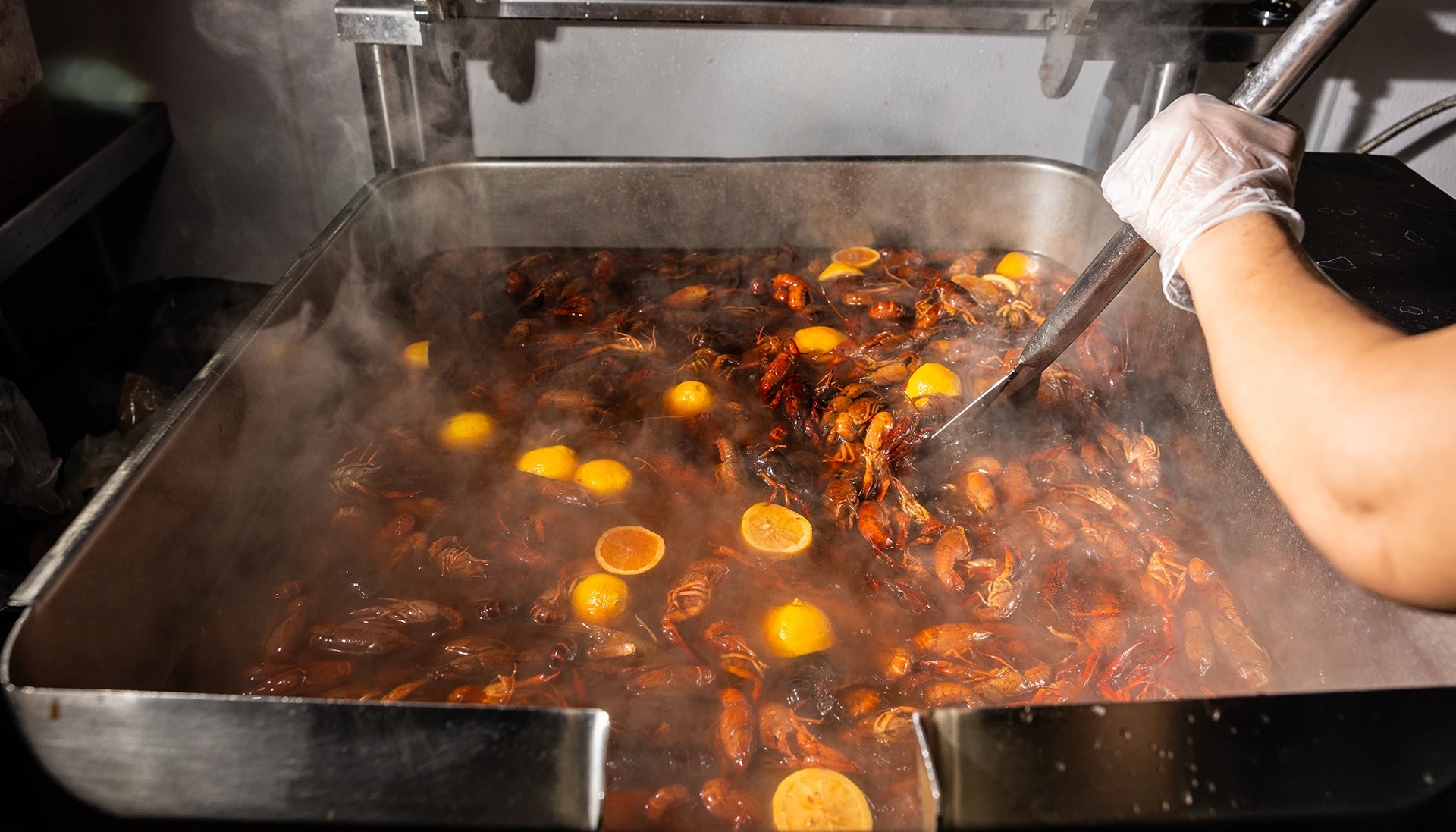
Daily boils or stews and a kitchen that cooks to order rather than relying on steam tables are common signs of authentic Cajun cuisine.
Staff who use Cajun terms comfortably and specials written by hand or on a chalkboard that change with the seasonal catch give the restaurant a lived-in, local feel.
The dining room often feels unpretentious, with mismatched tables, simple plates, and attentive clearing of dishes.
Aromas of dark roux, smoked sausage, and simmering seafood should greet you when you enter.
Fair pricing, portions meant for sharing, and sauces served in small ramekins rather than bottled condiments also tend to indicate genuine Cajun food.
Regular patronage by locals is a strong signal that the Cajun restaurant values tradition and flavor.
Taste Test: What Gumbo and Étouffée Reveal
You have checked the menu and soaked in the atmosphere, and now the food should tell you the rest. You’ll judge a Cajun restaurant by its gumbo and étouffée, and a proper gumbo should present a silkily dark roux, depth from a well-simmered stock, and a balanced hit of spice that doesn’t mask the other ingredients.
The étouffée should coat the spoon with a rich, butter-forward sauce, and the holy trinity must be softened yet still present while the shellfish or chicken tastes fresh rather than overworked.
Texture matters in Cajun cuisine, with gumbo’s broth feeling rounded instead of thin and étouffée clinging to rice rather than sliding off. When seasoning is handled well, Cajun heat complements the dish instead of overpowering it, and when both dishes show care, layered flavors, and correct textures you have likely found a kitchen that respects tradition and technique.
Staff & Regulars: Service Cues That Signal Authenticity
Often you’ll notice the same servers and cooks moving through the Cajun restaurant with a practiced ease that says more about the place than its decor.
You’ll see staff swap knowing glances, call orders by shorthand, and guide newcomers toward house favorites without hesitation.
Regulars are greeted by name, offered a usual before they ask, and join quick, friendly banter that feels genuine rather than performative.
You’ll watch cooks adjust portions and timing for familiar faces, and servers read table moods to pace courses of Cajun cuisine and seafood.
That rhythm shows the team trusts one another and values its community.
When staff treat repeat patrons like partners in the meal, you’re experiencing a tradition that has been preserved rather than packaged.
Spice Options: Respectful Heat for Every Palate
Cajun restaurants usually offer a thoughtful range of heat so diners can enjoy Cajun cuisine without being overwhelmed by spice.
You’ll find clear choices such as mild, medium, hot, and a house level, and staff are often ready to explain what each option means.
A good Cajun spot lets customers tailor the heat for each dish so a gumbo can be gentle while crawfish gets a kick.
Servers respect requests to tone down or dial up the spice without judgment and often suggest tweaks like extra cracked pepper, hot sauce on the side, or a smoky cayenne blend.
If a seafood-focused Cajun menu includes cooling options such as cream-based sides, citrus, or rice, it’s another sign that the restaurant knows how to balance flavors for every palate.
Portions & Price: Generous Portions, Honest Value
Good heat control matters, but what really seals the deal is how much food you get for the price. A Cajun restaurant should serve plates that look generous without feeling wasteful, with a full bowl of gumbo, a heap of jambalaya, or a platter with enough protein and rice to satisfy.
Portions should match the dish’s promise, and authentic Cajun cuisine billed as comfort food shouldn’t leave you hunting for snacks an hour later. Pricing should feel straightforward and fair, with no hidden upcharges that undercut trust.
When you can bring friends to enjoy seafood and everyone leaves full without breaking the bank, you know the spot values customers. Fair portions and honest prices show that the kitchen respects both ingredients and people.
House Sides & Sauces That Show Care
When a kitchen cares about its sides and sauces, you notice attention in small details like a house-made remoulade that balances tang and heat.
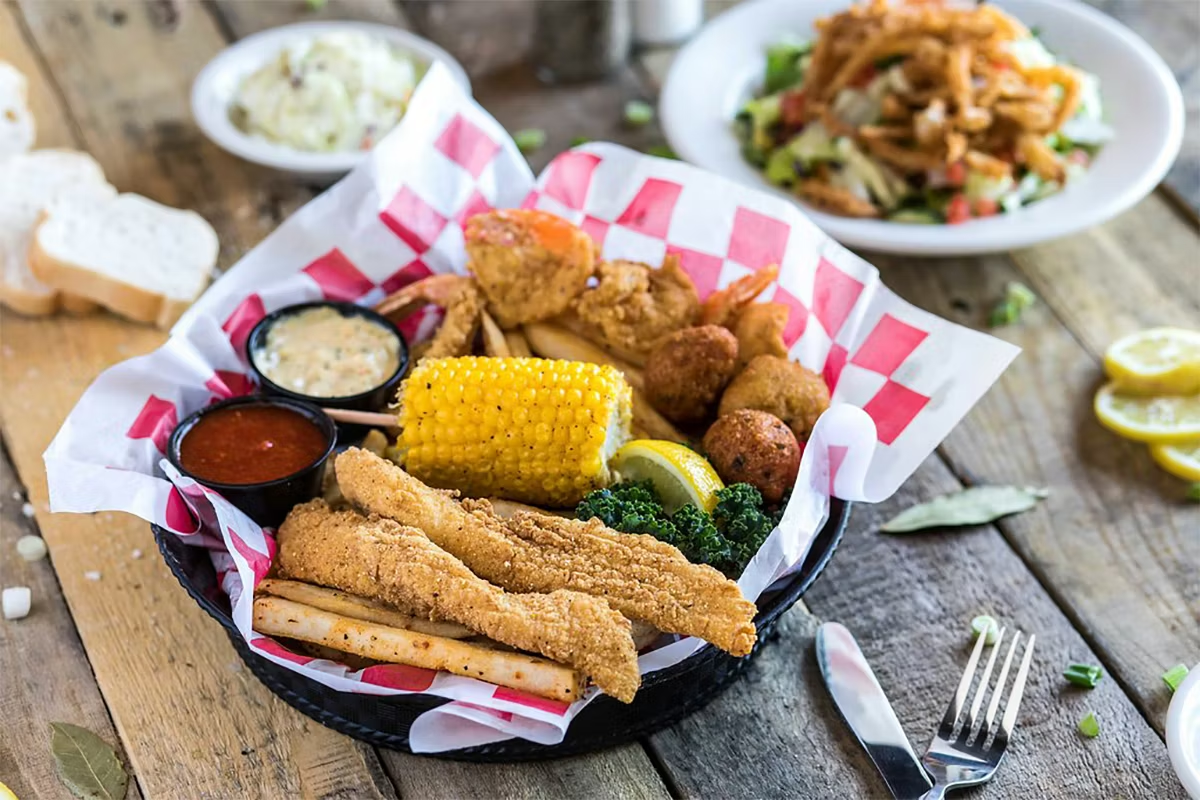
The buttery rice is never over-salted, and the hushpuppies are crispy and well-seasoned while remaining moist inside.
A pickled slaw cuts through richness and brightens each bite instead of drowning the flavors.
Corn maque choux tastes of fresh corn and char rather than canned sweetness, and red beans are creamy with discernible spices.
Sauces arrive with purpose, whether a dark, glossy gravy to finish gumbo, a spicy butter to toss with shrimp, or a cooling aioli for fried seafood.
When sides complement rather than compete, you know the Cajun restaurant or seafood kitchen is thinking about every component and how it serves the whole meal.
Testing Consistency: How to Tell If Quality Holds Up
To judge whether a Cajun restaurant reliably delivers the same high-quality experience, visit at different times and on different days to sample both signature Cajun dishes and lesser-known sides.
Order a range of items, including seafood preparations, to determine whether seasoning, texture, and portion size remain steady.
Observe tempo during rush-hour service, since busy periods often reveal shortcuts that aren’t obvious during calm shifts.
Compare the same Cajun cuisine dish months apart to detect drift in ingredients or technique.
Ask servers about daily prep and menu changes, as transparency suggests consistent kitchen practices.
Try both takeaway and dine-in to evaluate how well the food holds up during transport.
Record specific details such as spice level, rice moisture, and crust crispness to assess whether the core elements persist rather than vary wildly.