Cajun Cooking That Has Stood the Test of Time
Cajun cooking is built on plain, stubborn principles: stretch good ingredients, cook slowly, and feed people you love. In Cajun cuisine you’ll learn a few essential tricks, including the holy trinity, a patient roux, and how to coax flavor from smoked meats and fresh seafood. There is comfort in the methods and room for shortcuts, and once you get the basics down you’ll want to try a few classic one‑pot dishes for yourself. Razzoo’s Cajun Cafe captures that same spirit of hearty Cajun food, where tradition and flavor stand the test of time.
What Is Cajun Cooking and Why It Endures
Though rooted in necessity, Cajun cooking has become a proud, inventive cuisine that still pulls people to the table. Cajun food was born from displacement and thrift, as families made bold, flavorful meals from what was available and stretched protein, rice, and seasonal produce into satisfying feasts.
The techniques of Cajun cuisine, such as slow braises, one-pot meals, and bright seasoning, prioritize depth and comfort. Cajun restaurants and home kitchens show the cuisine’s resilience because cooks adapt recipes for harvests, celebrations, and modern tastes without losing soul.
Community is tasted in every bite, since recipes were shared across generations and reflect history, environment, and resourcefulness. This living tradition keeps Cajun food relevant, alive, and welcoming, encouraging people to return for more.
Essential Cajun Ingredients to Stock Now
If you want to bring Cajun flavors into your kitchen, start by stocking a few staple ingredients that appear in nearly every pot and pan of Cajun cuisine.
Onions, bell peppers, and celery form the "holy trinity" that creates the aromatic base for gumbo, jambalaya, and étouffée commonly found on the menu at a Cajun restaurant.
Keep garlic and green onions on hand for finishing touches in seafood stews and other dishes.
Dried spices such as paprika, cayenne, thyme, oregano, and bay leaves build depth in sauces and rubs used across Cajun food.
Buy coarse salt and cracked black pepper for precise seasoning control.
Shelf-stable items such as canned tomatoes, crushed tomatoes, and okra are useful pantry staples for hearty Cajun recipes.
Short-grain rice pairs well with many preparations from étouffée to jambalaya.
Sausages like andouille, smoked paprika, and seafood stock or bouillon round out the pantry to help you assemble authentic Cajun dishes quickly.
Build a Classic Cajun Roux, Step‑by‑Step
Begin by heating equal parts fat and flour over medium-low heat and stir constantly until they reach the color you prefer, whether a nutty blond, peanut-butter brown, or deep chocolate brown.
Use clarified butter, oil, or lard and measure by weight for consistency when preparing this classic roux for Cajun cuisine.
Whisk the fat and flour to combine, then keep the pan steady and the heat low so the mixture cooks evenly without burning, which is important for gravies and sauces served in a Cajun restaurant.
As the roux darkens, it will thin, bubble, and give off a toasty aroma characteristic of many Cajun food dishes.
Scrape the bottom of the pan to prevent sticking and to preserve the smooth texture needed for gumbo and other seafood stews.
When the roux reaches the color you want, remove it from the heat and gradually whisk in warm stock to avoid lumps while building the base for robust Cajun flavors.
Season the mixture lightly with salt and a bay leaf or a few peppercorns and then simmer so the flavors marry, producing a rich foundation for sausages, shellfish, or other seafood preparations.
Store cooled roux in the refrigerator for several days or freeze it in portions to have an essential component of Cajun cuisine ready whenever you prepare a dish.
Roux Timing and Troubleshooting Tips
Now that you have mastered color and consistency, timing becomes the next important focus because it dictates flavor and success.
You’ll watch closely, as a blond roux needs just minutes while a brown or dark roux can take twenty to forty-five minutes over low, steady heat. You should stir constantly to prevent hot spots and burning. If the roux smells sharp or bitter, it has crossed into burnt and should be discarded so you can start fresh.
If the roux is thick but pale, you should continue cooking gently until it darkens. If the roux thins too much, you should remove it from the heat and allow it to cool slightly before adding liquid.
When incorporating stock for a gumbo or a seafood sauce common in Cajun cuisine, you should add it slowly and whisk to avoid lumps. Patience with low heat will help you turn simple ingredients into a rich, reliable foundation for Cajun food served in a Cajun restaurant or enjoyed at home.
Five Time‑Tested Cajun One‑Pot Dishes to Master
Often you’ll rely on one-pot dishes to deliver bold Cajun flavors with minimal fuss, and five classics—gumbo, jambalaya, étouffée, red beans and rice, and a hearty seafood boil—teach essential techniques like building a dark roux, layering aromatics, and timing seafood so it stays tender.
You’ll hone heat control on roux to develop depth without burning and learn to brown proteins properly while balancing the holy trinity of onion, celery, and bell pepper. Jambalaya trains you to develop fond and integrate rice into the dish, and gumbo illustrates stock concentration and the importance of finished seasoning.
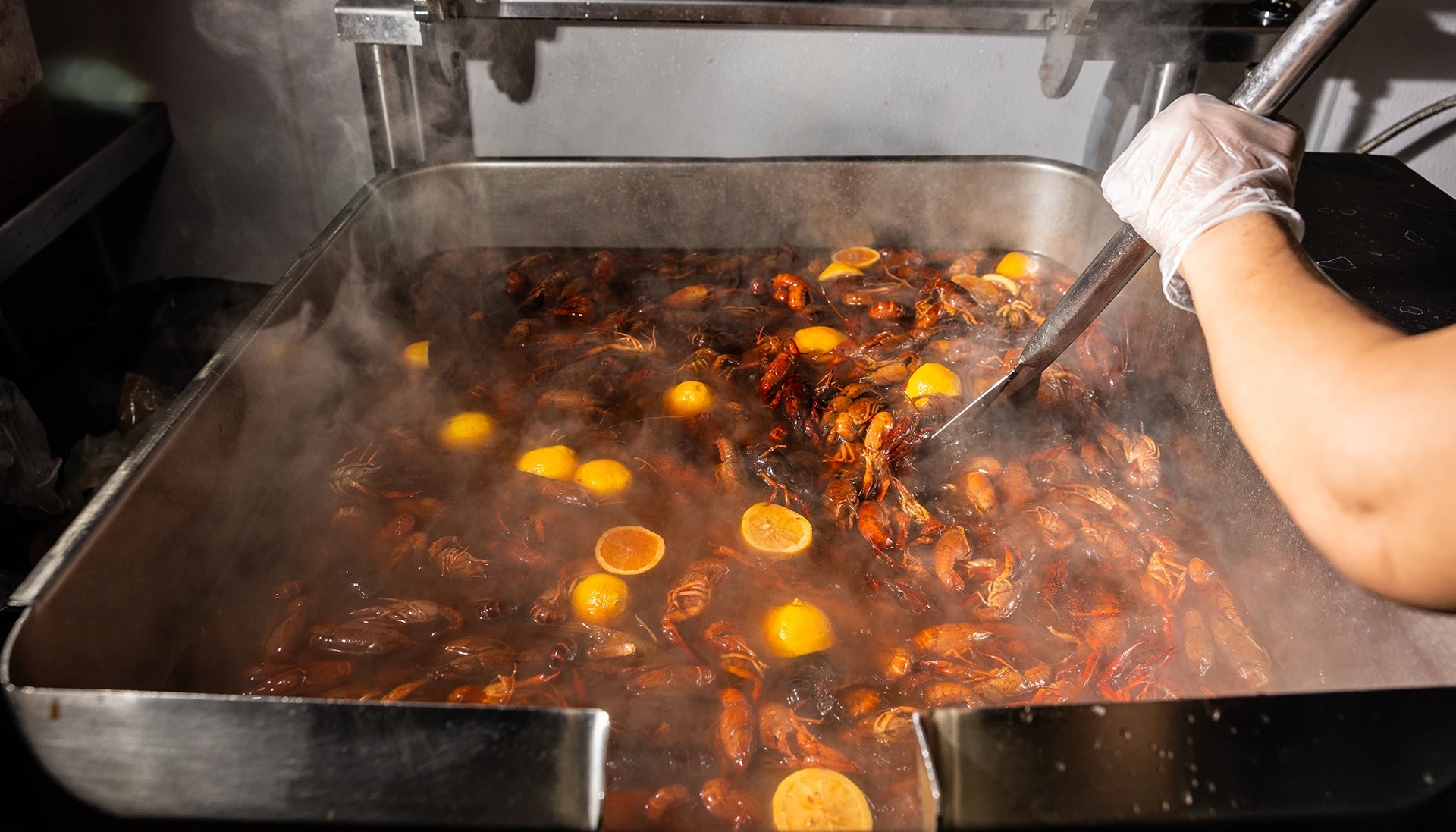
Étouffée focuses on a silky, vegetable-led sauce, while red beans demand a low, steady simmer for creaminess. The seafood boil demonstrates spice infusion and quick cooking, so mastering these Cajun cuisine staples will help you handle most Cajun one-pot challenges confidently.
How to Smoke and Season Cajun Meats
Smoking and seasoning meat with low, steady heat is the heart of Cajun barbecue and is central to classic Cajun cuisine. Choosing hardwoods such as hickory, oak, or pecan complements pork, beef, game, and many types of seafood commonly featured in Cajun food. Maintaining a smoker between 225–250°F and monitoring internal temperatures produces consistent results for dishes served in a Cajun restaurant.
Rubs that balance salt, cracked black pepper, garlic powder, onion powder, paprika, and cayenne are traditional and define the bold flavors of Cajun cuisine. Applying the rub generously and allowing the meat to rest helps a pellicle form for better smoke adhesion.
Mop sauces or finishing glazes made with vinegar, brown sugar, and mustard add shine and tang when brushed on during the final hour of cooking. Slicing against the grain reveals tender textures, and tasting for seasoning followed by a sprinkle of finishing salt or a squeeze of lemon can brighten the flavors of both smoked meats and seafood.
Adapt Cajun Recipes for Weeknight Cooking
With a few smart shortcuts and pantry-ready staples, you can turn rich Cajun flavors into weeknight meals without spending hours at the stove.
Preparing mise en place on a weekend and chopping onions, bell peppers, and celery before freezing them in portions will make weeknight cooking faster and easier.
Keeping a jarred roux, a good Cajun seasoning blend, canned tomatoes, and stock on hand speeds up sauce-making for dishes inspired by Cajun cuisine.
Substituting long simmers with quick-cooking proteins such as shrimp, thin pork chops, or smoked sausage allows you to create satisfying seafood and meat dishes that work well stirred into rice, pasta, or grain bowls.
One-pan methods like sheet-pan jambalaya, skillet étouffée, or foil-wrapped fish seasoned with Cajun spice and lemon bring bold Cajun food flavors to the table with minimal cleanup.
Doubling recipes and freezing portions provides ready-made meals for busy nights while preserving the authentic taste of Cajun restaurant-style cooking.
Regional Cajun Variations and Family Traditions
While the core of Cajun cooking—the trinity of onion, celery, and bell pepper—bold spice, and slow-simmered sauces ties families across Louisiana, distinct regional twists and household rituals shape every pot.
In coastal parishes, Cajun seafood plays a leading role with brown buttered shrimp, crab boils, and smoky fish stews gracing family tables. Inland cooks favor a bolder roux, game, and hearty rice dishes that reflect the terroir and traditions of their parishes.
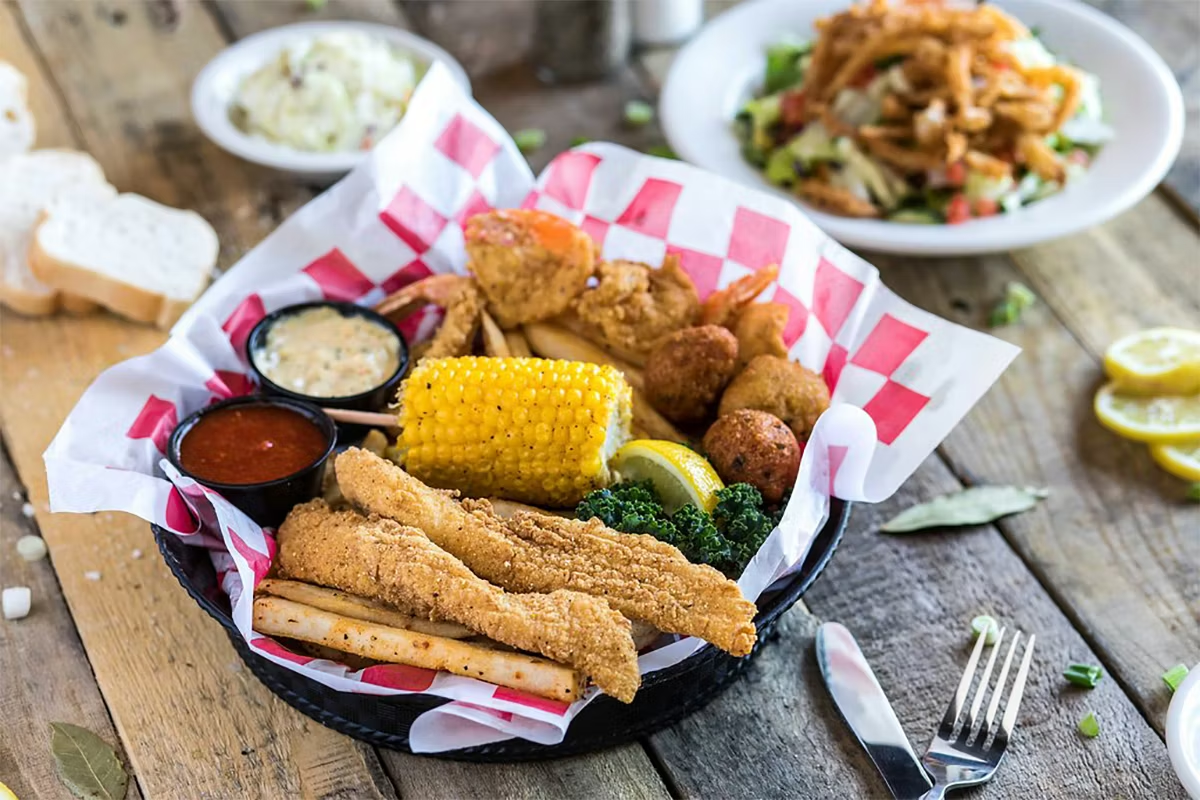
A grandmother’s table might center on a Friday fish fry, a Sunday gumbo, or a Mardi Gras jambalaya passed down with timing and seasoning cues that rarely appear in cookbooks. Families show respect for local mills and garden herbs, and they often measure by eye and memory rather than written rules. Those differences keep Cajun cuisine living, local, and fiercely personal.
Cajun Recipes and Learning Resources
Those family rhythms and regional tweaks provide a living map for learning Cajun cooking, and one good way to begin is by replicating a grandmother’s gumbo or a coastal shrimp boil to grasp technique and timing.
Reliable recipes can serve as scaffolding while adjustments to spices, stocks, and roux darkness help match desired taste and texture in authentic Cajun cuisine.
Classic cookbooks by authors such as Eunice LeBlanc and Paul Prudhomme, along with local blogs and instructional videos, demonstrate mise en place, knife skills, and roux development for both home cooks and professionals in a Cajun restaurant.
Community classes and workshops offer hands-on practice with heat control and seasoning that benefits anyone wanting to work with seafood in regional dishes.
Keeping a kitchen notebook to record tweaks and results supports ongoing learning and refinement of personal interpretations of Cajun food.
Tasting critically, asking elders for tips, and sharing meals with others will deepen understanding and help create authentic, personal Cajun dishes over time.