How Cajun Restaurants Became Local Favorites
You’ll recognize Cajun restaurants by the way Cajun food makes you feel at home: bold, smoky flavors, communal tables, and servers who tell stories like they’re family. The dishes draw on potlucks, church kitchens, and backyard seafood boils, and chefs refined that home cooking for the dining room without losing warmth. Seasonality and smart service helped turn regional Cajun cuisine into neighborhood must-visits, and places like Razzoo’s Cajun Cafe show how those roots translate into local favorites.
Why Cajun Restaurants Became Local Favorites
Cajun cuisine has become a local favorite because it blends bold, comforting flavors with a community-minded dining experience.
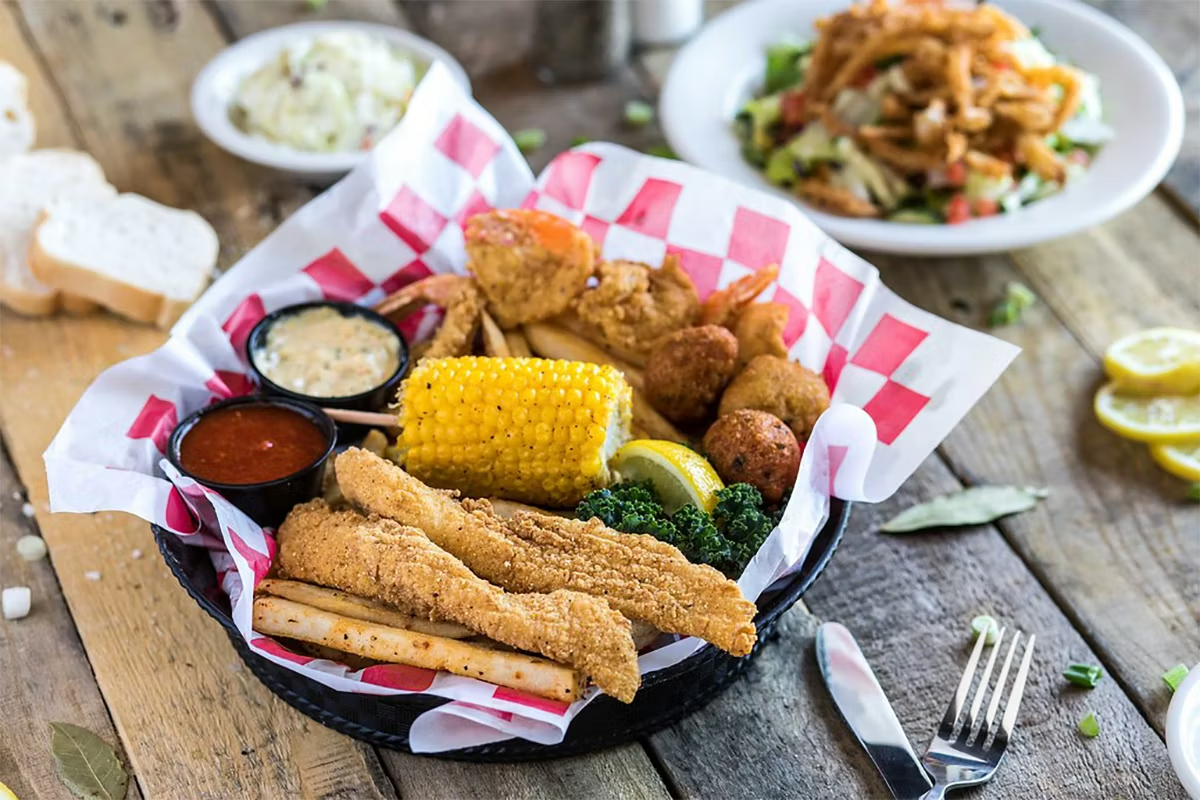
Cajun food features simple, hearty dishes—gumbo, jambalaya, and po’boys—that use accessible ingredients prepared with techniques passed down through generations. The balance of heat and depth is evident as cayenne and smoked sausage lift rich stocks and slow-cooked proteins without overwhelming them.
Cajun restaurants often have lively, unpretentious spaces where staff greet regulars by name and plates arrive family-style, inviting sharing. Affordable prices make frequent visits easy, and menus adapt to seasonal catches and local produce.
Patrons feel welcomed into a tradition that values hospitality, practical skill, and food meant to bring people together.
Acadian Roots and the Birth of Cajun Cooking
Cajun cooking traces back to the 18th-century Acadians, French settlers from what’s now Nova Scotia, who were expelled by the British and resettled in Louisiana. These newcomers adapted their foodways to the region’s ingredients and conditions, shaping what would become Cajun cuisine.
Survival influenced the flavors and techniques, so simple, portable methods such as one-pot stews, smoking, and preserving were used to stretch scarce resources. Local staples like rice, corn, river fish, wild game, and Gulf seafood were combined with French techniques and influences from Indigenous and African foodways to create bold, practical dishes.
The emphasis on seasonality and improvisation led cooks to substitute what was available, building layered and robust flavor profiles with limited means. That resourceful spirit became the foundation of the Cajun food enjoyed today, whether at home or in a Cajun restaurant.
How Potlucks, Churches, and Crawfish Boils Cemented Traditions
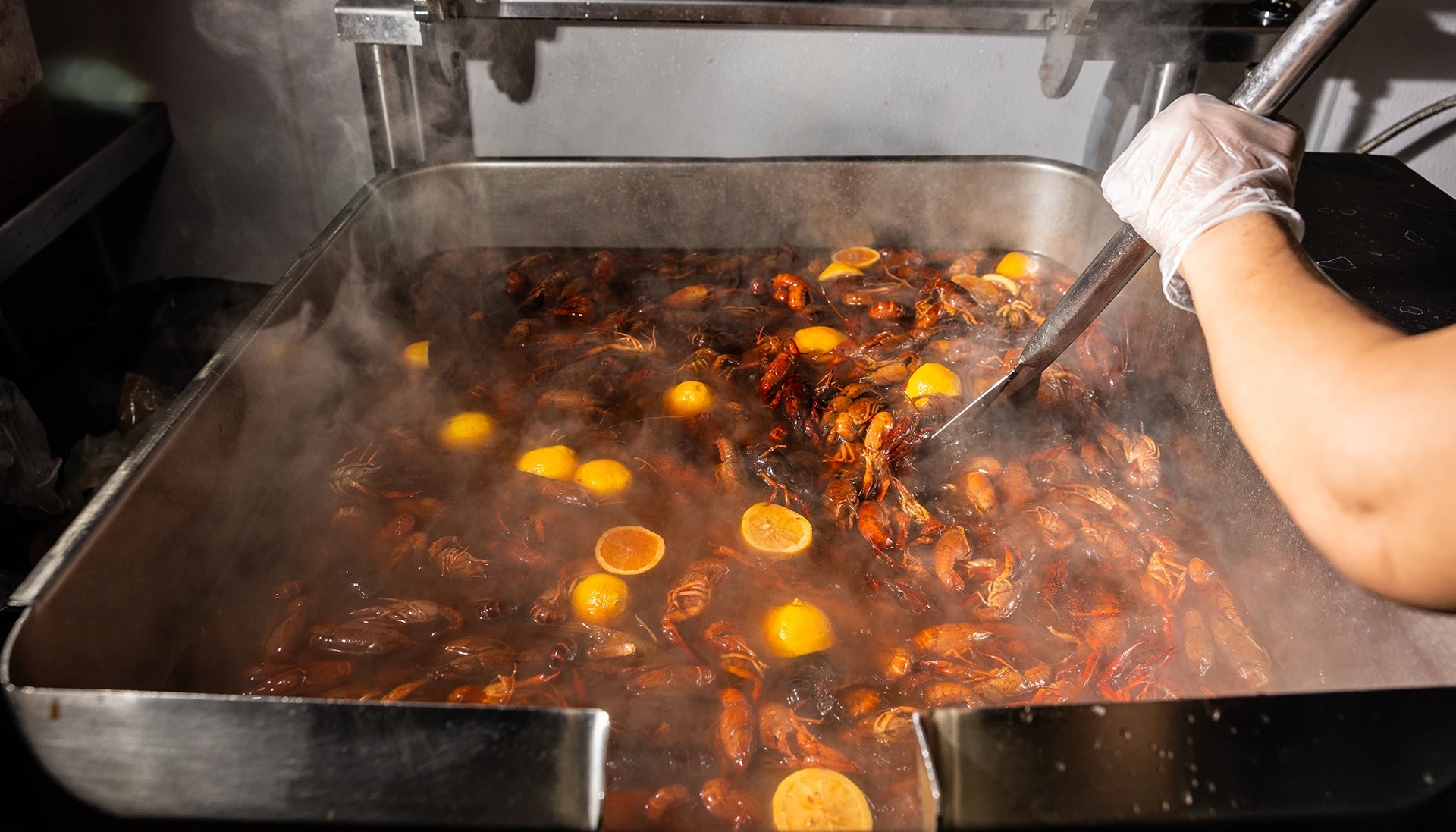
Gathering around a shared pot turned meals into rituals at potlucks in church halls, backyard crawfish boils, and community fundraisers that kept recipes alive and spread them beyond family kitchens.
Neighbors taught one another classic dishes from Cajun cuisine while trading trays and techniques, and faith groups and volunteer circles organized regular gatherings where people could learn together. Participants pulled up newspaper-lined tables, cracked shells, and passed down knowledge about how long to boil, when to add seasoning, and which sides complemented the meal.
Those events made seafood dishes, gumbo, and jambalaya familiar and approachable, so a restaurant wasn’t the only place to taste proper Cajun food. They created informal culinary schools where cooks practiced, adapted recipes, and introduced newcomers to the traditions of Cajun restaurants and home kitchens.
Over time, those communal experiences shaped expectations and appetites and helped local eateries reflect what the community already loved.
Cajun Restaurants’ Bold Flavors and the Power of Spice
Taste the punch of Cajun cuisine, and you’ll see why spice is its signature. Cajun restaurants crank up heat and seasoning not just to sting the tongue but to build layers of flavor, with smoky roux, bay, thyme, cayenne, and black pepper working together to brighten seafood, enrich stews, and make rice sing.
Chefs balance heat with acidity and fat so each bite stays lively rather than one-note. They toast spices to coax oils, sear proteins to create fond, and finish dishes with bright garnishes that cut richness. Portion control, timing, and daring seasoning allow diners to taste boldness without being overwhelmed.
When you dig into Cajun food, you experience tradition and technique in every spoonful, creating something memorable, soulful, and unapologetically seasoned.
Menus, Seasonality, and Local Ingredients in Cajun Cuisine
Because Cajun cooking grew from local rivers, marshes, and farms, Cajun cuisine changes with the seasons to showcase what’s freshest and most abundant. Cajun restaurant menus in spring are heavy on young greens, soft-shell crabs, and tender shrimp.
Summer menus bring okra, tomatoes, and spicy grilled fish to the forefront of seafood offerings. Fall shifts focus to game, root vegetables, and heartier stews that reflect the season.
Winter highlights gumbo, preserved meats, and citrus when it’s ripe. Chefs source ingredients from nearby fishers, farmers, and foragers, so the flavors of Cajun food reflect place and time.
Cookbooks and specials often mention harvests and catch reports rather than following culinary fads. That commitment keeps dishes honest and sustainable, supports local producers, and gives diners a rotating, ingredient-driven experience that feels connected to the landscape.
How Restaurateurs Broadened Cajun Appeal (Menu & Service Tactics)
Seasonal sourcing gave Cajun restaurants a storytelling advantage, and owners leaned into that strategy to broaden their appeal.
Menus feature concise descriptions that explain provenance and cooking methods so diners feel informed without being overwhelmed. Chefs offer flexible spice levels and tasting portions, which let guests sample Cajun food without committing to intense heat or large sizes.
Many kitchens balance classic Cajun cuisine with approachable riffs such as gumbo tapas, po’boy sliders, and vegetarian étouffée so that diverse eaters find something familiar.
Service tactics include servers trained to suggest pairings, short narratives about dishes, and visible prep stations that demystify technique.
Diners are invited to customize dietary needs, attend casual demo nights, or take home curated meal kits, all designed to make Cajun cuisine and seafood offerings accessible while preserving their bold identity.
Why Hospitality, Atmosphere, and Festivals Anchor Neighborhoods
When neighborhoods embrace warm, consistent hospitality and lively atmospheres, restaurants become more than places to eat and instead turn into community anchors where people want to linger. You notice staff who remember names, servers who suggest dishes like trusted friends, and owners who show up at tables to trade stories and welcome regulars.
That kind of hospitality makes a Cajun restaurant feel like an extension of your living room, especially when the menu features bold Cajun cuisine and fresh seafood. Music, communal seating, local art, and themed nights create a pulse of neighborhood identity that draws people in.
Festivals amplify that pull by drawing diverse residents to taste Cajun food, dance, and celebrate together, transforming single nights into neighborhood rituals. Recurring events such as crawfish boils and block-party pop-ups help knit social ties, boost local pride, and keep people returning.