How to Tell If a Cajun Spot Is the Real Deal
You can tell a true Cajun spot by the way it moves: locals filling tables, a kitchen that smells of dark roux and smoked sausage, and a menu that lists gumbo, jambalaya, and étouffée without any flashy descriptions. The pots bubble with rich stock and seafood and the rice cooks patiently while staff members talk about spice and the secrets of Cajun cuisine like it’s family lore. Even the way servers describe the dishes makes it clear whether a place lives and breathes Cajun food. Razzoo’s Cajun Cafe fits that feel when it captures those everyday details instead of relying on decor or gimmicks.
Quick Checklist: 5 Fast Signs a Cajun Spot Is Authentic
You can spot clear red flags that reveal whether a Cajun restaurant is authentic or not. Authentic Cajun cuisine often features call-and-response energy in the dining room, where servers and cooks banter and move with purpose, signaling a kitchen that cares.
The aroma of Cajun food matters: you should detect spicy, earthy notes of a dark roux, smoked sausage, and cayenne rather than the scent of generic fried oil.
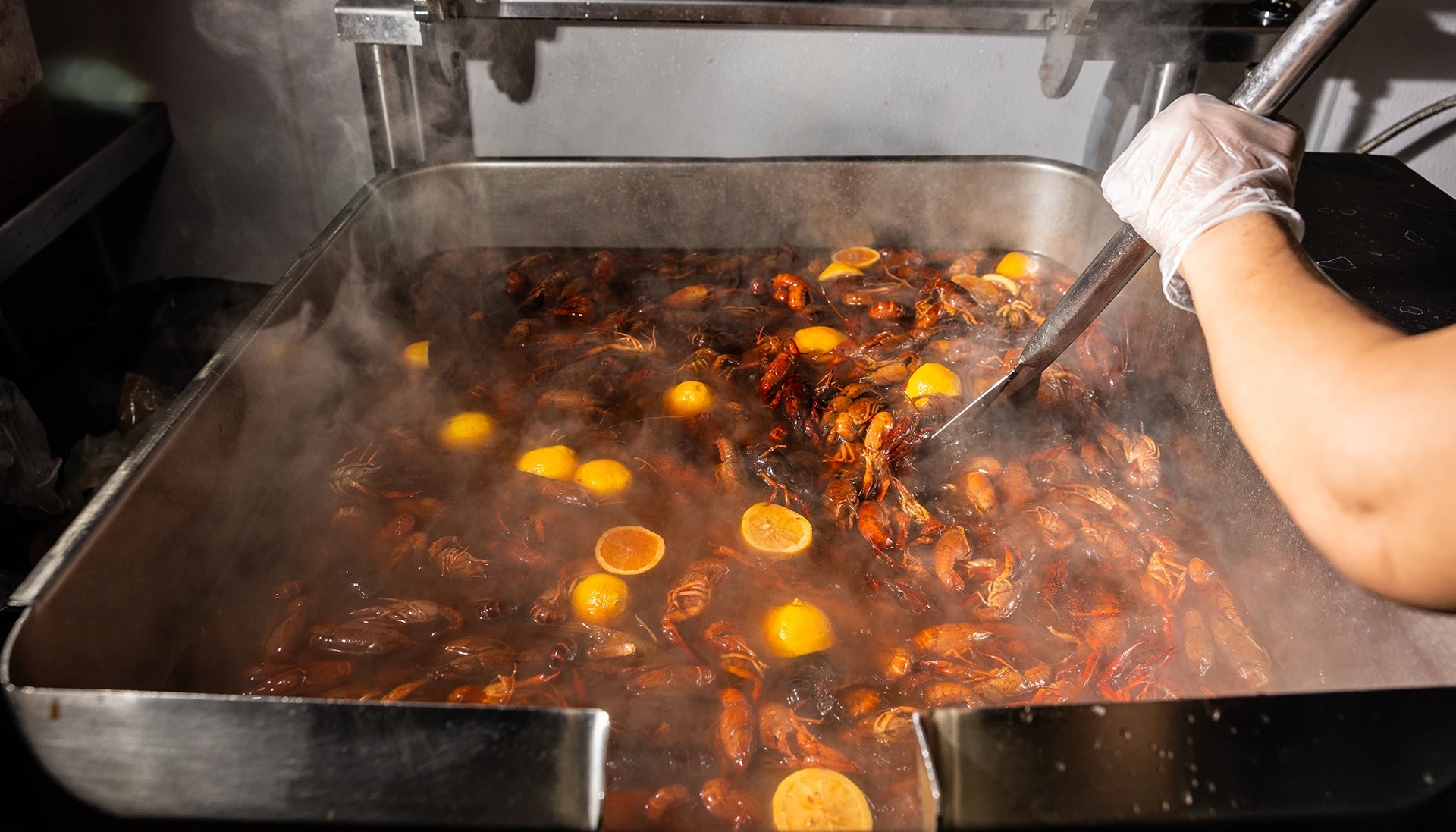
Watching prep in the kitchen can be revealing, because seeing rice, stock, and seasoning measured and stirred reflects technique rather than shortcuts.
A steady crowd of locals dining on seafood and Cajun dishes indicates genuine appeal and tradition.
Fair prices that match portion size and quality suggest a focus on cooking rather than gimmicks.
Menu Signs of Authentic Cajun Cooking
Spotting authentic Cajun cooking on a menu comes down to specific ingredients and preparations that signal tradition and technique rather than trendy riffs.
Menus that list staples such as andouille, tasso, crawfish, and smoked sausage plainly indicate reliance on regional proteins central to Cajun cuisine. Gumbo, jambalaya, étouffée, and po’boys presented without flashy modifiers often reflect genuine Cajun food traditions.
Descriptions that include the trinity vegetables of onion, bell pepper, and celery or that reference roux, file, or pan gravy point toward classic preparations.
Prices that correspond to hearty portions can suggest scratch cooking in a Cajun restaurant.
Menus overloaded with fusion terms or ambiguous descriptors tend to obscure authenticity, while clear, ingredient-driven wording is more likely to reflect culinary heritage.
Cajun Kitchen Dishes & Techniques to Watch For
Menus show which ingredients a Cajun kitchen values, but the real proof is in the cooking methods and house dishes coming out of the line.
A dark roux used in gumbo or étouffée demonstrates time and control rather than powdered shortcuts. Whole crab or smoked andouille in jambalaya signals tradition and respect for Cajun cuisine. Cast-iron skillets and heavy pots, frequent stirring, and ladles scraping fond indicate serious technique in a Cajun restaurant. Hot sausage with grill marks, fried soft-shell crab, and cleanly executed boudin balls reflect proper preparation of seafood and classic Cajun food. Rice with separate grains rather than gluey clumps shows attention to texture. House-made stocks, pickled okra, and frequent batch cooking reveal a team committed to authentic Cajun methods.
Cajun Flavor and Seasoning Cues: What to Taste
Taste for bold, layered heat and a smoky-sweet balance when sampling Cajun food.
Cajun seasoning isn’t just salt and pepper but a harmony of cayenne, paprika, garlic, onion, and black pepper that should register across your palate without overwhelming the main ingredients.
You should perceive clear, distinct notes such as a warm cayenne kick, earthy smoked paprika, bright garlic and onion, and a peppery finish.
The seasoning should complement shellfish, sausage, and rice in Cajun cuisine rather than mask them.
Acidity from lemon or tomato should lift the flavors instead of competing with the spice.
Butter or oil should carry the spices and create a glossy, even coating on seafood and other ingredients.
If herbs appear in a Cajun restaurant dish, they’re minimal, with thyme or parsley used for balance.
Over-salted food or one-note heat indicates a lack of balance and restraint.
Atmosphere, Local Behavior, Drinks, Sides, and Service Patterns
When you walk into a Cajun restaurant you can feel the room before you taste a bite: it’s lively, unpretentious, and a little loud as locals chat over plates and servers move quickly to keep food coming. Booths are often filled with regulars and strangers fold into conversations, while a playlist of swampy blues sets a mood that feels more soulful than background Muzak. Drink lists in a Cajun place lean toward ice-cold beer, sweet tea, and potent house cocktails, and a Sazerac or a Hurricane feels right at home on the menu.
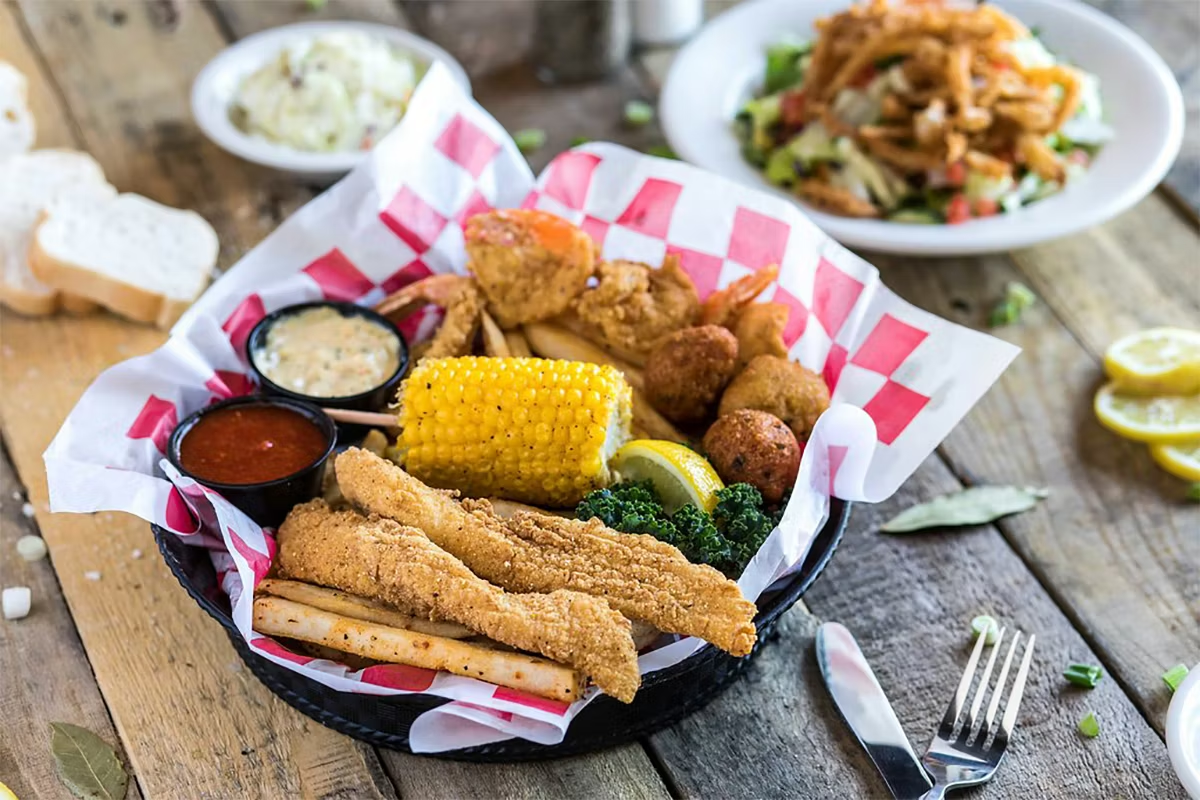
Sides in Cajun cuisine are simple and soulful, with creamy potato salad, cornbread, dirty rice, and pickled vegetables that cut through rich seafood and meat dishes. Service in these restaurants is brisk and practical, with servers who know the menu, recommend dishes without fuss, and bring food hot and plentiful, all of which contributes to an authentic Cajun food atmosphere.