Cajun Food That Feels Like a Shared Experience
You’ll feel a Cajun table pull people in as someone stirs a dark roux while another tells an old story. Hands get wiped on newsprint after a crawfish boil and bowls of jambalaya are passed until the pot is empty. Cajun food depends on seasonality, thrift, and bold seasoning, and the real recipe is the work everyone shares. Seafood steams and simmers alongside smoked sausages and local vegetables, and the aromas of Cajun cuisine make it easy to invite friends and family into the ritual. Razzoo’s Cajun Cafe captures that communal spirit in its flavors and atmosphere.
Cajun Food as Community: History, Values, and Practice
Cajun food grew out of necessity and togetherness, and when you taste it you get more than spices—you get a community’s history and values on a plate. Cajun cuisine shows how resourcefulness shaped meals by stretching modest catches and harvests into nourishing feasts and by preserving flavors through smoking, pickling, and slow braises.
The choices of ingredients reflect respect for seasonality and the land, and a visit to a Cajun restaurant often puts you in the midst of rituals that mark births, work, and harvests. Techniques and stories are passed across generations, so cooking teaches identity as much as flavor. Communal gatherings bring labor and laughter together, and the traditions of Cajun food bind people with practical pride and generous hospitality that carry into daily life.
Signature Dishes That Unite: Gumbo, Jambalaya, and Boils
Often you’ll find these dishes at the heart of any gathering: gumbo, jambalaya, and crawfish boils each tell a piece of the same story.
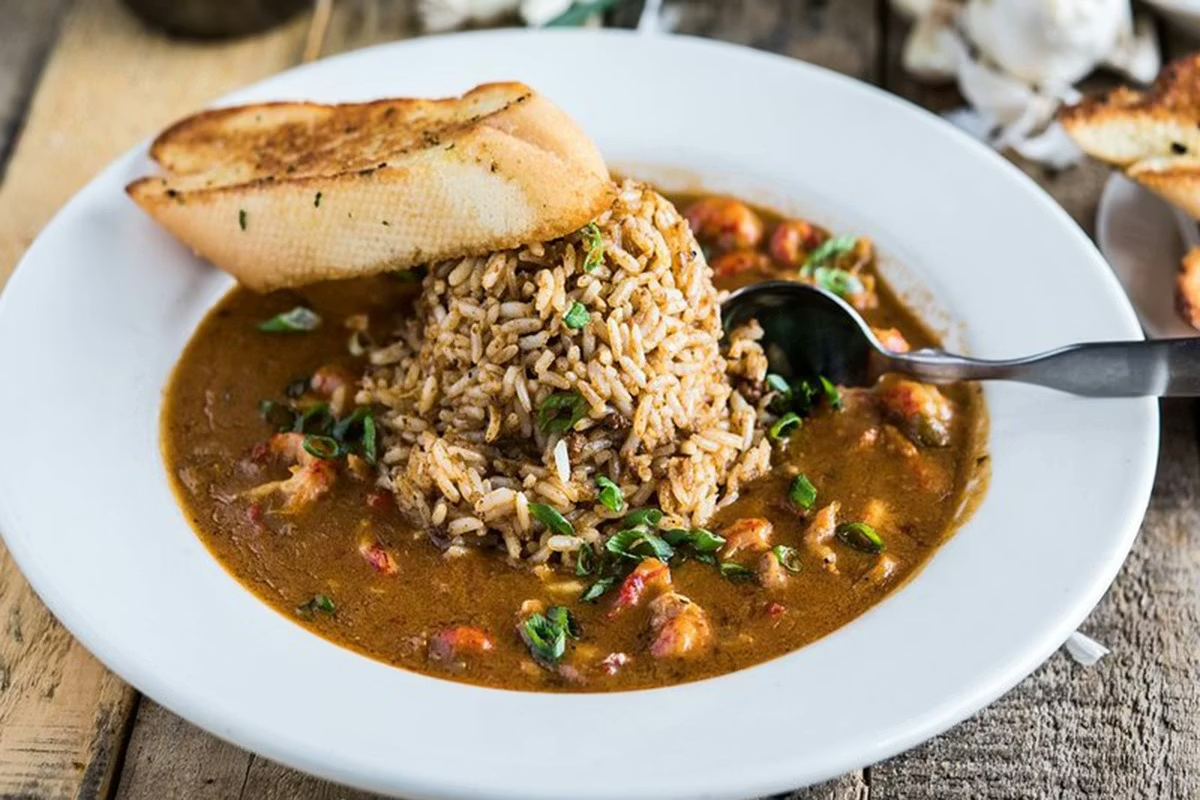
You taste community in gumbo’s layered ingredients, where seafood, sausage, and okra mingle so everyone gets a bit of everything.
Jambalaya hands you a portable, communal plate in which rice soaks up spices and proteins, allowing meals to stretch to feed more people.
Crawfish boils turn eating into an event where people peel, share, and converse over piles of spice-scented shellfish.
Each dish adapts to seasons, budgets, and available hands, which makes Cajun food practical and inclusive.
Together they show how Cajun cuisine and seafood traditions transform simple ingredients into reasons to gather and celebrate.
Why Roux, Gumbo, and Boils Bring People Together
Stirring a dark roux, ladling gumbo into bowls, or dumping a steaming seafood boil onto newspaper all invite people to slow down and join in; these rituals make cooking itself a social act. You watch color deepen in the pot, trade stories about Cajun cuisine and family recipes, and pass spoons while conversation unfolds.
Gumbo’s long simmer encourages shared memories as flavors build together, and a boil becomes a communal performance where someone peels shrimp while another seasons corn. In Cajun restaurants and home kitchens alike, hands move in rhythm and local accents rise and fall through laughter. Participation creates inclusion more than solitary eating ever could, and in that shared space food becomes a language through which people leave with fuller plates and fuller hearts.
Host a Cajun Meal: Menu, Shopping, and Timeline
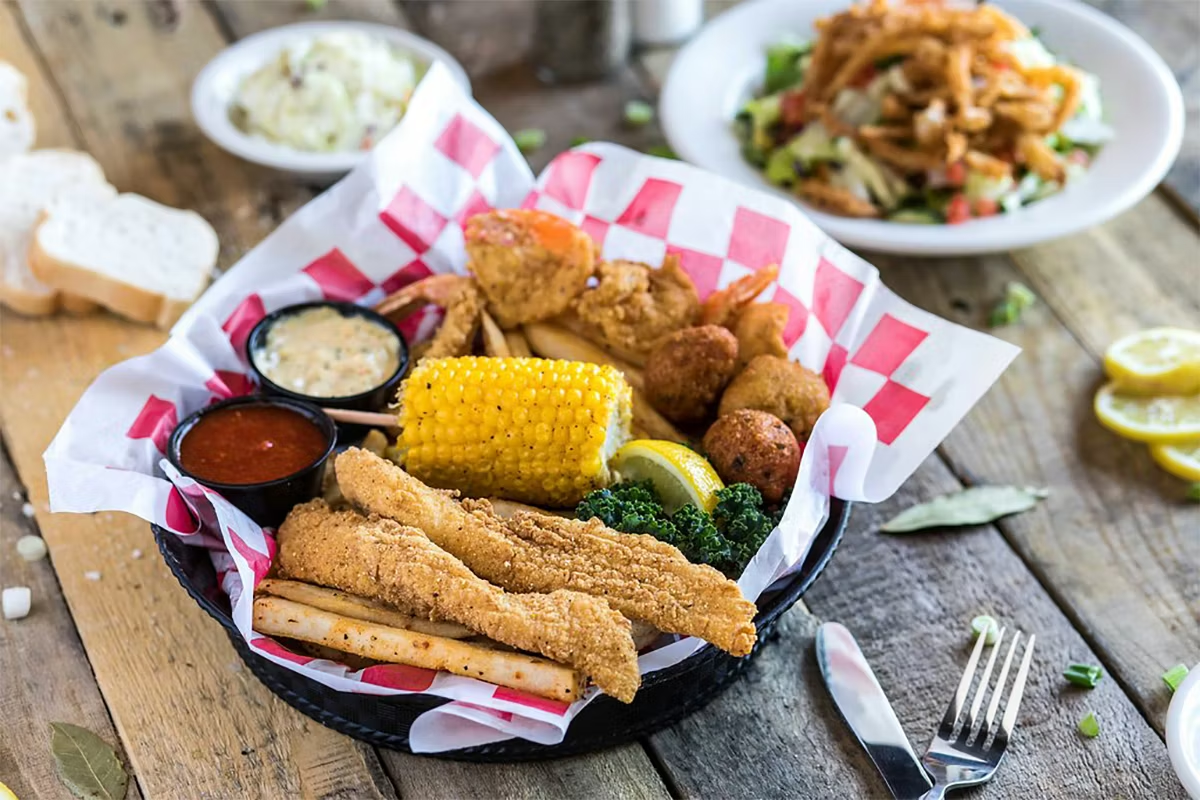
Plan your menu around a few show-stopping Cajun dishes and a handful of easy sides so you can enjoy the night as much as your guests. Choose a centerpiece such as gumbo, jambalaya, or a seafood boil to showcase Cajun cuisine, and add two simple mains like grilled Andouille and blackened fish.
Include easy sides such as rice, cornbread, coleslaw, and a green salad to round out the meal. Create a shopping list grouped by station with sections for proteins, produce, pantry items, and spices to make shopping more efficient.
Shop two days ahead for perishables and pick up ice and beverages on the day of the event to ensure freshness. Complete prep tasks by making the roux and sauces a day before, chopping vegetables and measuring spices the morning of, and starting long-simmering pots two hours before guests arrive.
Set out serving platters and warming trays so the food stays hot and encourages a communal, restaurant-style experience.
How Cajun Food Connects Generations and Culture
When families gather around a steaming pot of gumbo or pass a tray of boudin down the table, Cajun food becomes more than a meal and turns into a living link between grandparents and grandchildren, neighbors and newcomers.
People learn recipes as stories that describe who caught the fish, which spice blend came from Aunt Mae, and why Sundays always meant rice and gravy.
Family members chop, stir, and share tasks so culinary skills move hands-on across generations.
Cajun cuisine anchors language, music, and humor as people swap expressions, sing along, and remember community events while seafood and other dishes simmer.
When diners sit to eat in a Cajun restaurant or at home, they inherit more than flavor and gain values, resilience, and a sense of belonging that keeps culture active and passing forward instead of preserved behind glass.
Quick Tips to Create a Cajun-Style Gathering
For an authentic Cajun-style gathering, focus on bold flavors, communal cooking, and simple comfort.
Start with a big pot of gumbo or jambalaya so people can pitch in, and set out fixings like hot sauce, green onions, and French bread while keeping the playlist filled with zydeco or swamp pop to maintain a lively atmosphere.
Prepare a mise en place so guests can help chop, stir, and taste, and offer Cajun food staples such as boudin balls and fried okra to graze while the main seafood pot simmers.
Label spice levels and provide milder options for children, and supply plenty of napkins and paper plates for casual service.
Arrange seating in clusters to encourage conversation, time the meal so the pot is ready when people are settled, and finish with beignets and strong coffee.