Cajun Food Nights People Look Forward To
You know how a Cajun night draws people in with warm lanterns, smoky aromas, and plates piled high with bold, comforting flavors. You plan a menu that balances heat and heart and choose Cajun cuisine dishes that invite sharing and conversation. You pick a soundtrack that nudges conversation and set a relaxed, communal vibe that feels welcoming. You include a variety of seafood favorites and classic Cajun food preparations so every guest finds something to love. You can even mention Razzoo’s Cajun Cafe as a nod to the flavors and atmosphere that inspired the evening.
Quick Cajun Night Checklist: Theme, Menu, Guests
Kick off your Cajun night by choosing a clear theme, a focused menu, and a guest list that fits the vibe, whether you’re aiming for a casual gumbo party, a spicy seafood boil, or a small, elegant Creole dinner that highlights Cajun cuisine.
Next, pick one main dish and two complementary items so cooking stays manageable, such as gumbo paired with cornbread and a simple salad, or a shrimp boil accompanied by roasted vegetables and crusty bread.
Limit the guest count to what your kitchen and table can handle because fewer people mean better timing and more relaxed service when serving Cajun food or seafood.
Assign one or two prep tasks to willing friends so you can remain present with guests while the meal is prepared.
Finally, gather key pantry staples such as bell pepper, onion, celery, garlic, stock, and bold seasoning to ensure your menu delivers authentic flavor for a night inspired by Cajun restaurant classics and traditional Cajun cuisine.
5 Cajun Night Themes With Décor & Music Ideas
Now that you have chosen the menu, guest list, and prep plan, pick a clear theme to shape décor and music so the room feels cohesive. Choose a bayou vibe with mossy greens, lanterns, and weathered wood while you play zydeco and slow blues to conjure Southern nights that pair well with Cajun cuisine and seafood dishes.
For a Mardi Gras atmosphere, use purple, green, and gold, display bead garlands and feathered masks, and set upbeat brass funk to contrast lively Cajun food.
A seafood shanty can be suggested with nets, buoys, and oyster-cracker accents while Gulf-inspired tunes stream in the background to complement your seafood menu.
If you prefer an elegant Creole setting, arrange candles, linen, and vintage dishes and pair jazz standards with soft acoustic horns to match refined Cajun restaurant style.
Add small sensory touches such as citrus slices, bay leaves, or a spice-smoke aroma so guests immediately connect sight, sound, and scent to your chosen theme.
Staple Cajun Dishes to Put on Your Menu
Build your Cajun restaurant menu around a handful of unmistakable Cajun cuisine favorites that deliver big flavor without overcomplicating prep.
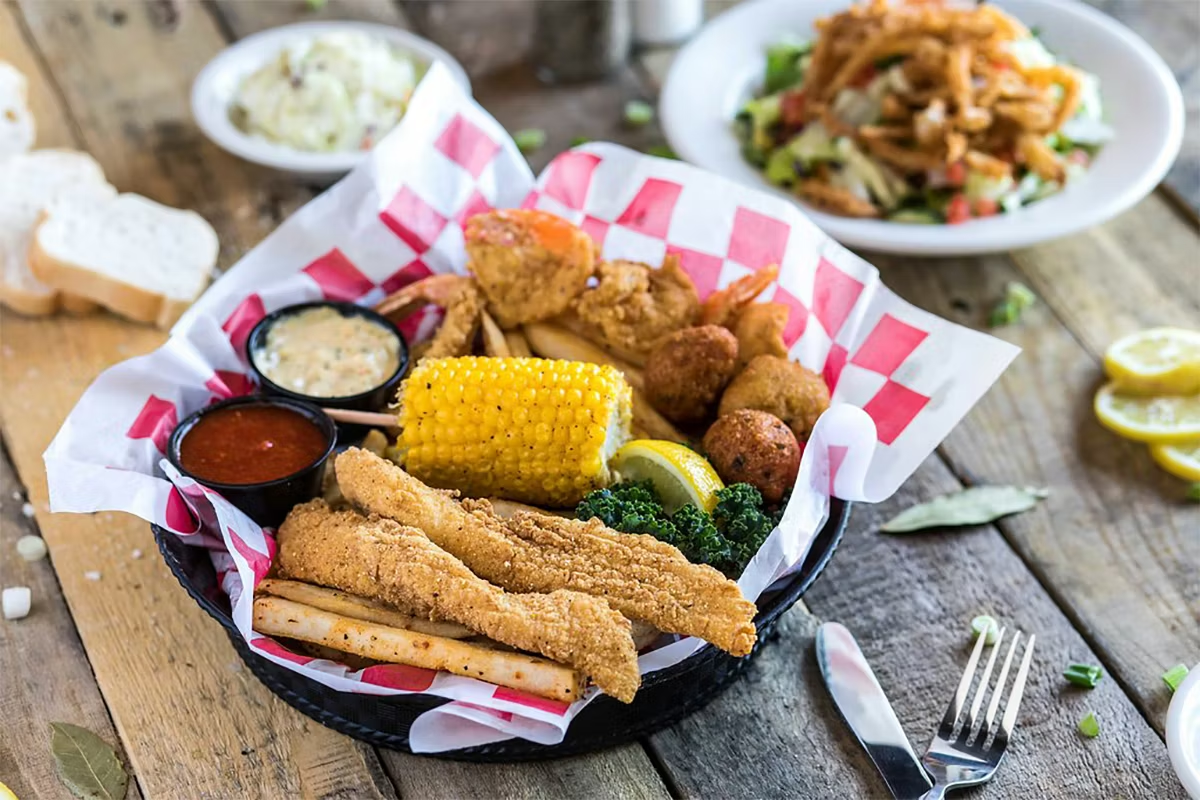
Start with spicy andouille sausage bites or smoked sausage links, which are easy to grill or sauté and work well as appetizer skewers. Offer blackened fish or shrimp seasoned with cayenne and paprika for a fast, dramatic seafood entrée.
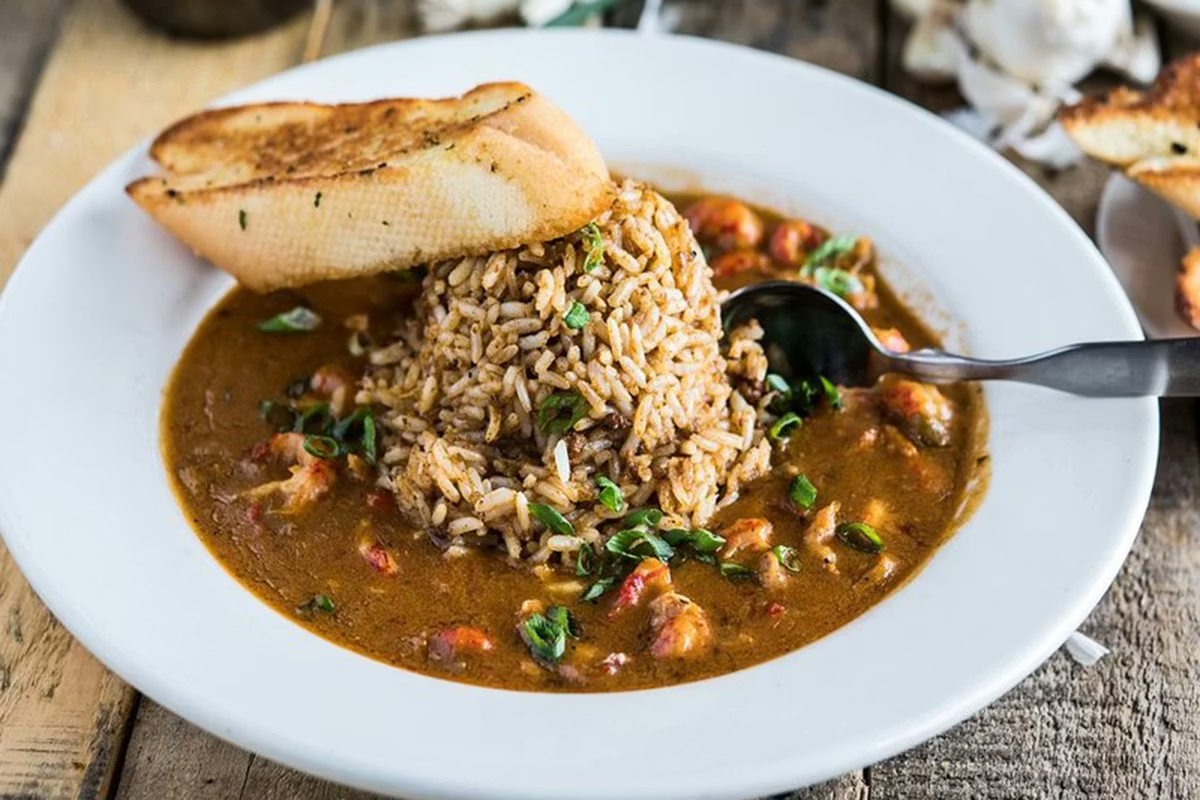
Include crawfish pie or shrimp étouffée–style portions in small dishes so guests can sample classic Cajun food without large batches. Serve dirty rice or red beans and rice as hearty, comforting sides that pair perfectly with proteins.
Add simple accompaniments like corn maque choux and a crisp cabbage slaw dressed with a tangy vinaigrette. Finish the meal with beignets or pralines for an indulgent, authentic Southern dessert.
Simple Jambalaya & Gumbo Recipes for Beginners
Get into jambalaya and gumbo with straightforward recipes that deliver big flavor and teach you the basics of one-pot techniques and the holy trinity of vegetables.
Start jambalaya by browning sausage and onions along with bell pepper and celery, then add diced tomato, stock, and rice and simmer until the grains are tender. You can swap in chicken or shrimp for the protein or keep the dish vegetarian to suit different tastes.
For gumbo, begin with a light roux or use oil if you prefer, and then build flavor with the trinity plus okra or filé and a choice of seafood or smoked sausage. Simmer gumbo longer to develop depth and a richer mouthfeel.
Season gradually with cayenne, paprika, and bay leaves while tasting as you go to balance heat and aroma. Serve both dishes over rice and garnish with parsley and green onion for color and freshness.
These simple Cajun cuisine approaches will help you learn techniques that boost confidence in the kitchen and allow you to enjoy authentic Cajun food at home or recreate favorites from a Cajun restaurant.
How to Build a DIY Cajun Boil at Home
Gather your friends, lay out newspaper or butcher paper, and plan a boil that celebrates Cajun cuisine and bold, communal flavors.
Begin with a large pot and enough water to cover the ingredients, and season generously with a bold Cajun seasoning blend that complements the seafood and sausage. Add aromatics such as onion, garlic, lemon, and bay leaves to build depth in the broth.
Bring the pot to a rolling boil before layering in potatoes and corn first, since they require the longest cooking time. Add smoked sausage next to infuse the boil with savory, smoky notes, then add shellfish like shrimp and crab toward the end so the seafood cooks through without becoming overdone.
Test the potatoes for doneness, drain the pot, and dump the contents onto the paper for a lively communal meal. Provide tongs and gloves, set out lemon wedges and extra seasoning, and let everyone assemble their own plate to enjoy the flavors of Cajun food in a casual, hands-on setting.
Cajun Sides, Pickles & Breads That Finish the Plate
Cajun sides often round out a Cajun boil or plate with bold, simple flavors such as crisp coleslaw, spicy red beans, and buttery corn maque choux that cut through the heat and add texture.
Bright vinegary pickles, including quick-pickled cucumbers, okra, or pearl onions, refresh the palate between bites.
Warm, crusty French rolls or boudin-stuffed rolls are ideal for sopping up juices and spice-laden sauces.
A chilled potato salad or tangy remoulade provides a contrasting coolness to the heat of Cajun cuisine.
Collard greens braised with smoked ham hocks add an earthy component to a seafood-focused spread.
Keeping portions family-style encourages everyone to sample a variety of flavors.
Confident, simple seasoning balances acid, fat, and heat to transform fiery mains into a satisfying Cajun meal you’ll want to repeat.
Drinks, Desserts & Pairings for Cajun Heat
When the spice hits, drinks and desserts should either quell the heat or echo it with complementary flavors, and crisp, effervescent cocktails and cold, creamy sweets reset the palate between bold bites of Cajun food.
Citrus-forward drinks such as a lime Collins, a grapefruit spritzer, or a ranch water cut the oil and lift flavors alongside seafood and Cajun cuisine classics.
A lightly sweet iced tea with lemon and mint provides a refreshing nonalcoholic option for diners in a Cajun restaurant.
Chilled panna cotta or homemade vanilla ice cream, drizzled with bourbon caramel or raspberry coulis, offers a creamy finish that bridges spicy and sweet contrasts.
Dark chocolate with a hint of chili paired with coffee or a stout brings after-dinner depth that complements the robust flavors of Cajun cuisine.
The hotter the entrée, the cooler and creamier the dessert becomes the ideal counterpoint to the heat.
Timing, Prep & Shopping Checklist for Stress-Free Hosting
Start by mapping out what you want ready and when so you aren’t scrambling as guests arrive.
List dishes, prep steps, cook times, and serving order, and include any Cajun cuisine or seafood items you plan to serve.
Decide which sauces, stews, chopped vegetables, or other components you’ll make ahead and which items must be prepared fresh.
Build a shopping list grouped by store section—produce, proteins, spices, pantry staples, beverages, ice, and disposables—and make sure to note any special ingredients needed for Cajun food.
Buy perishables the day before and nonperishables earlier to avoid last-minute runs.
Complete prep tasks such as marinating proteins, making stock, toasting spices, portioning desserts, and chilling drinks, and organize any seafood so it’s ready for cooking.
Label containers with times and reheating instructions to keep track of everything.
Set up a staging area for plating and a trash and recycling station to keep the kitchen organized.
Create a simple timeline for the final two hours that allows you to greet guests while finishing plating calmly and efficiently.