What a Strong Cajun Food Menu Looks Like
You want a Cajun menu that feels authentic, balanced, and profitable without overwhelming diners. Focus on soulful mains like gumbo, jambalaya, and étouffée, and support them with bold starters, smart sides, and crisp fried shareables. Use acid, char, and a house hot sauce to cut through the richness of seafood and other hearty Cajun cuisine dishes. I’ll walk you through the staple dishes, portion cues, vegetarian options, and simple templates that make a menu sing, and I’ll mention how Razzoo’s Cajun Cafe gets the basics right so you can build one that actually works for your kitchen.
Must‑Have Cajun Staples Every Menu Needs
Start with the foundations of Cajun cuisine by emphasizing bold, rustic flavors and simple techniques that define the style.
A core lineup for a Cajun restaurant should include gumbo with a dark roux and okra, jambalaya that balances rice and smoky sausage, and étouffée showcasing shellfish in a rich, spiced sauce.
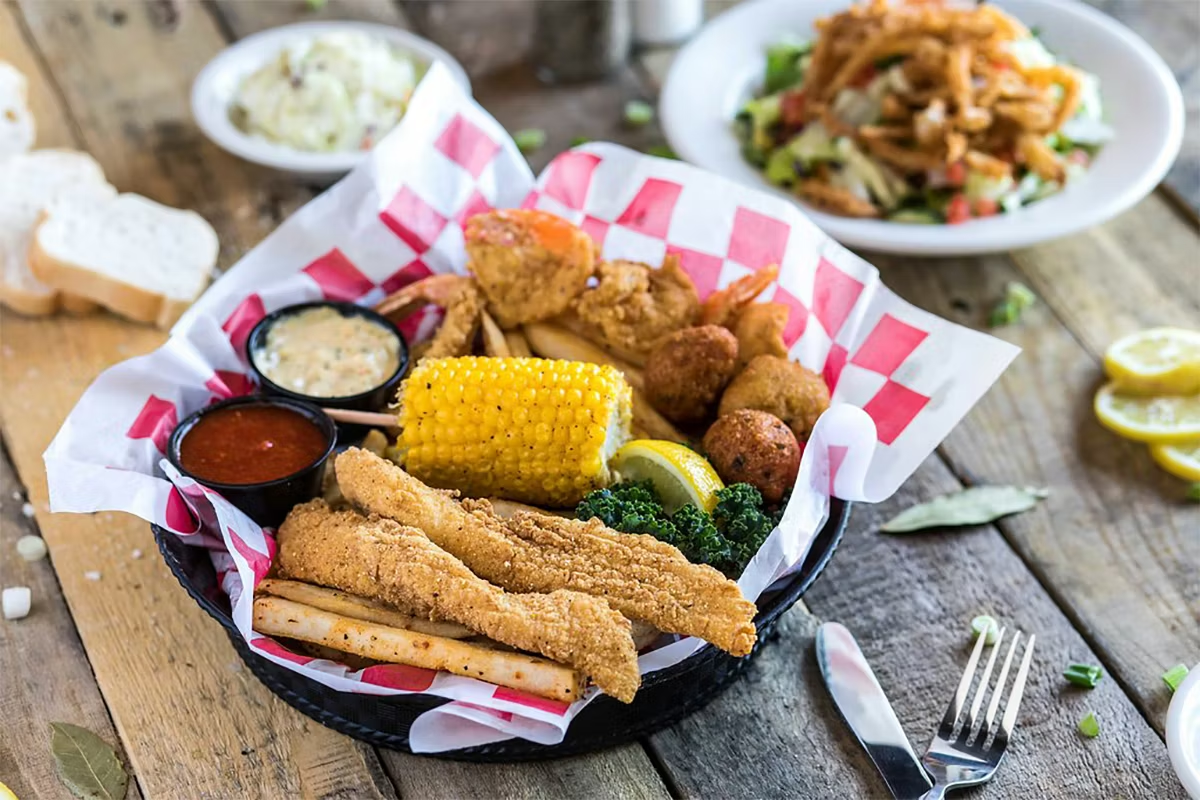
Include boudin and andouille as authentic sausage choices, and offer fried catfish or fried shrimp as approachable seafood mains.
Serve sides such as red beans and rice, dirty rice, and cornbread to complete plates without fuss.
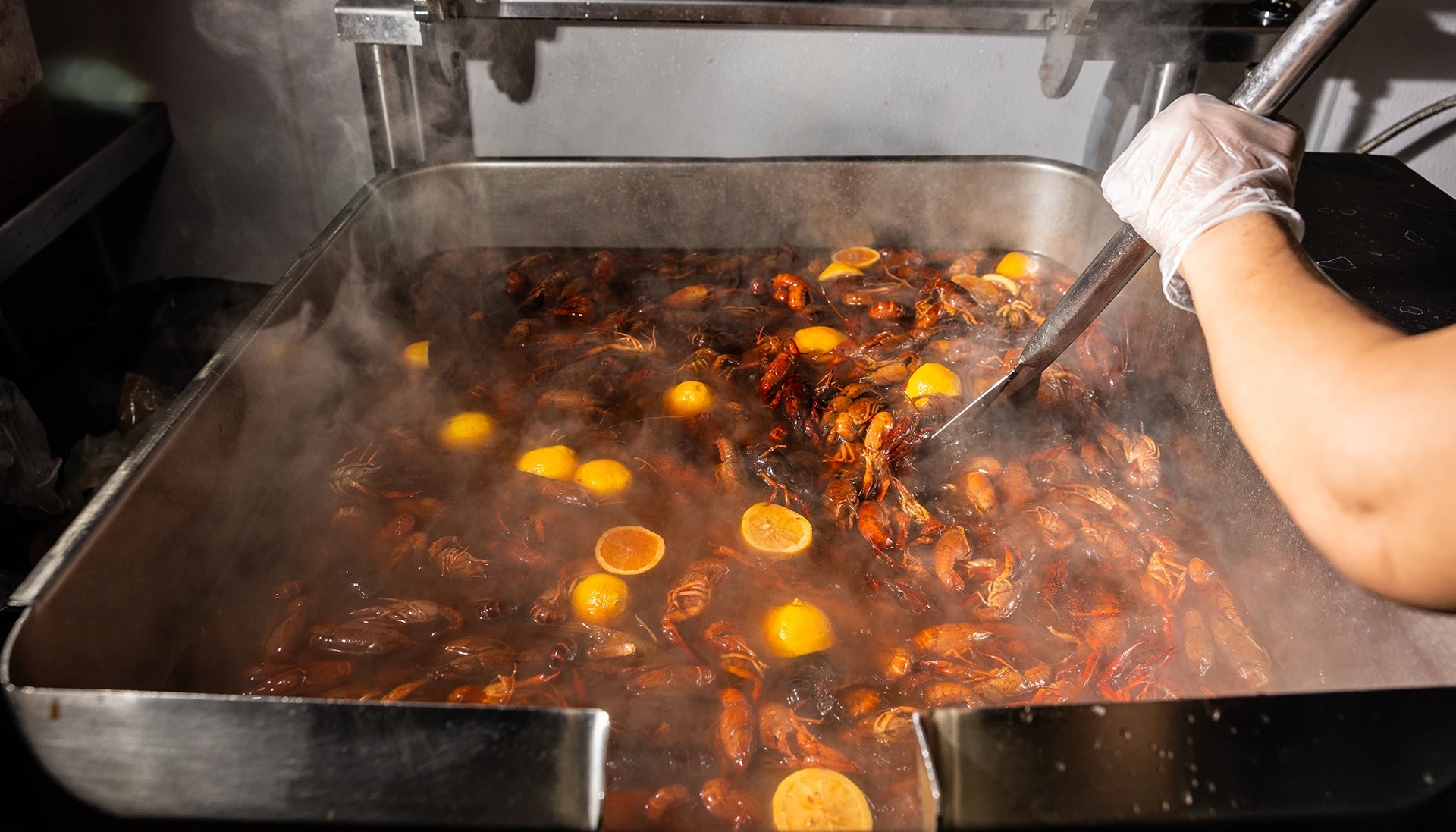
Rotate a few daily specials like a seafood boil or blackened fish to keep the menu lively.
Maintain high ingredient quality, make spice levels adjustable, and keep portions generous so guests enjoy the comforting, robust taste expected from true Cajun food.
Balancing Spice, Smoke, and Umami: Simple Rules and Templates
When building dishes, think of spice, smoke, and umami as three levers you can adjust to create harmony. Spice brings heat and brightness, smoke adds depth and character, and umami delivers savory satisfaction.
Begin by choosing a dominant lever; choose spice for excitement, smoke for nostalgia, or umami for comfort. A common template pairs a protein with a spice rub, a smoky element such as char or bacon, and an umami finishing sauce.
Vegetable stews can benefit from subtle smoke and a boost of miso or anchovy to enhance their savory profile. Many Cajun dishes and seafood preparations rely on a similar interplay of hot seasonings, smoky notes, and deep umami flavors.
Keep balance by tasting in stages, by dialing back salt when smoke increases, and by softening heat with fat or acid. Record ratios that work so that Cajun cuisine and dishes served in a Cajun restaurant can be reproduced consistently.
Starters That Wake the Palate (Recipes & Portion Ideas)
To wake the palate, choose starters that pair bright acid, a hit of heat, and a crunchy or smoky texture. Think tangy shrimp remoulade, spicy boudin-stuffed hushpuppies, or charred okra with lemon-cayenne aioli as examples drawn from Cajun cuisine and seafood traditions.
Serve these dishes in small portions that invite tasting rather than filling. Offer three to five bite-sized options such as skewered grilled shrimp with pickled red onion, mini crab beignets with a hot sauce drizzle, and smoked duck crostini topped with pickled okra. Keep each portion to one to three bites so guests can sample widely.
Balance richness with acidity by providing citrus wedges, quick-pickles, or vinegar-based slaws. Label allergens and heat levels for guest safety and clarity.
Prepare components ahead of service, including sauces, pickles, and crostini, to enable quick plating. Aim for contrast on each spoonful or forkful to spark appetite for the mains.
Designing Rice‑and‑Stew Mains: Gumbo, Jambalaya, Étouffée
Get your bases right: gumbo, jambalaya, and étouffée all center on a well-balanced rice-and-stew relationship that marries texture, seasoning, and cooking method.
Gumbo is a saucy, roux-driven stew finished with okra or filé, and the resulting sauce should be glossy and spoonable so that it clings to the rice.
With jambalaya, the rice is cooked in the pan so the grains absorb stock and aromatics, producing a drier, slightly chewy dish studded with browned proteins and vegetables typical of Cajun cuisine.
Étouffée demands a velvety sauce made with a lighter roux and precise simmering so the rice stays distinct beneath a concentrated flavor that often highlights seafood.
Manage salt and heat across these Cajun food classics so one element doesn’t overpower the others, and portion them for shareability in a Cajun restaurant setting.
Balance color, texture, and spice level to give diners clear, contrasting rice-and-stew experiences.
Seafood Dishes That Taste Cajun : Not Masked by Spice
While heat and bold seasoning are central to Cajun cooking, the goal with seafood is to let the briny, delicate flavors shine through rather than be buried by spice. Chefs in a Cajun restaurant balance bright citrus, fresh herbs, and a restrained spice blend so shrimp, crab, oysters, and fish remain the stars.
A classic broiled oyster with garlic-butter and a light Cajun sprinkle showcases the shellfish without overwhelming it. Blackened redfish uses char and pepper to accent the fish’s sweetness instead of masking it. Stocks and beurre blanc carry shellfish richness into sauces and finishing with lemon or vinegar provides lift. Coarse salts enhance texture as well as flavor, and careful timing of spices—whether in a marinade or as a finishing sprinkle—controls intensity in Cajun cuisine.
Crispy Fried & Charred Shareables That Fit a Cajun Menu
After enjoying seafood that lets the ocean speak, diners will want shareables that bring textural contrast with crispy, charred bites suited to Cajun cuisine. A Cajun restaurant menu can feature fried oysters, hush puppies, and cornmeal-crusted catfish strips to provide crunch that complements saucy mains. Heat can be balanced by cooling remoulade without smothering crispiness under heavy sauces.
Charred items such as smoked-and-seared shrimp skewers, blistered okra, and grilled andouille rounds add smoky complexity and a slightly bitter char that cuts richness. Portions should be bite-sized for sharing and presented on communal platters with lemon wedges and pickles to refresh the palate. Crisp and charred textures must feel intentional rather than accidental, and each item should elevate the whole menu through contrast and confident seasoning.
Vegetarian & Mild Cajun Options That Stay Authentic
Balancing bold Cajun flavors with approachable heat creates dishes that welcome everyone without diluting regional character.
A vegetarian gumbo can showcase a rich roux made from oil and flour that’s dark and nutty and can be loaded with okra, mushrooms, smoked tomatoes, and beans for texture and depth.
Red beans can be smothered with smoked paprika and a splash of liquid smoke in place of pork to preserve the soulful notes of Cajun cuisine.
Dirty rice can be reimagined with toasted mushrooms and walnuts to mimic the bite traditionally provided by meat.
A mild étouffée can highlight a light, flavorful stock and plenty of herbs while remaining true to the spirit of Cajun food.
Po’boys can be offered as spice-adjustable sandwiches featuring fried green tomatoes or crispy oyster mushrooms to appeal to different heat tolerances.
House hot sauces and pickled pepper condiments allow guests to control their own spice level while the Cajun restaurant keeps the core flavors authentic.
Menu Copy, Pricing, and Portion Cues That Set Expectations
Clear menu copy and thoughtful pricing shape guest expectations before diners are seated. Concise descriptions, honest portion cues, and transparent price signals help customers understand what they’re ordering and why it costs what it does.
Brief sensory language that includes spice level, texture, and key ingredients is effective for describing Cajun cuisine and seafood dishes. Noting size—such as cup, bowl, half, or family—gives clear portion expectations.
Pricing should reflect labor and seafood cost while marking premium proteins and combos to avoid surprises. Offering per-person pricing for shareable platters clarifies value for groups.
Listing included or optional sides prevents confusion at the point of sale. Stating when portions vary by heat level or protein keeps expectations accurate.
Training servers to reinforce on-menu cues completes the communication loop between the Cajun restaurant and its guests. This alignment reduces complaints, speeds ordering, and builds trust so patrons leave satisfied and informed about value and what to expect on future visits.
Seasonal Sourcing & Regional Twists to Keep the Menu Fresh
Using seasonal sourcing and regional touches keeps a Cajun menu lively and rooted in place. Swap Gulf shrimp for local hard-shell when prices spike to maintain quality and local character in Cajun seafood dishes. Highlight spring ramps and summer okra to showcase the rhythms of the region in your Cajun cuisine. Rotate spice blends to reflect coastal or bayou influences and to give guests a sense of place.
Build relationships with nearby fishermen, farmers, and foragers so you can feature peak ingredients and tell their stories on the menu. Use short-run specials to showcase what’s fresh and in season. Train servers to describe provenance and preparation so diners understand where their seafood and ingredients come from.
Adjust classic dishes to incorporate regional proteins, smoked corn, or pepitas while preserving authentic Cajun technique. Monitor availability and cost and communicate changes clearly to guests to maintain trust and transparency. This approach keeps plates interesting, supports the local economy, and reinforces the restaurant’s connection to its region and to Cajun culinary traditions.