Why Cajun Food Keeps Popping Up on Local Best-Of Lists
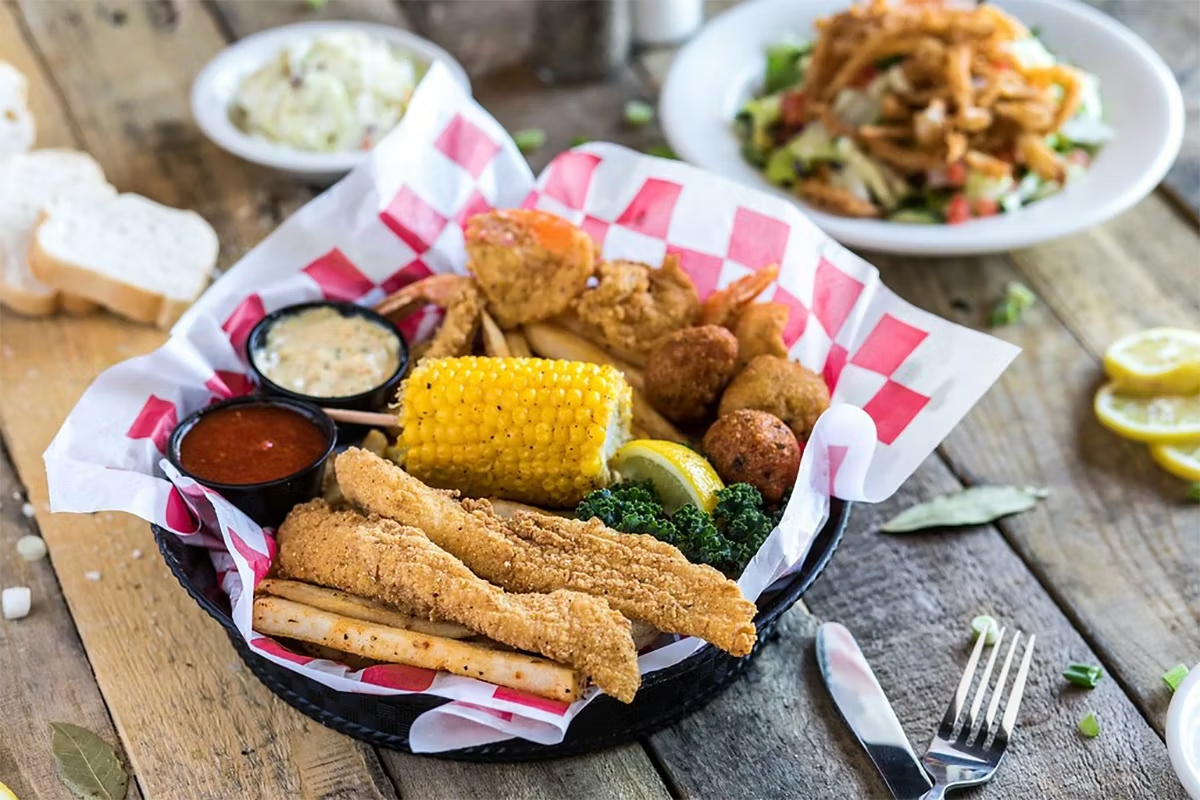
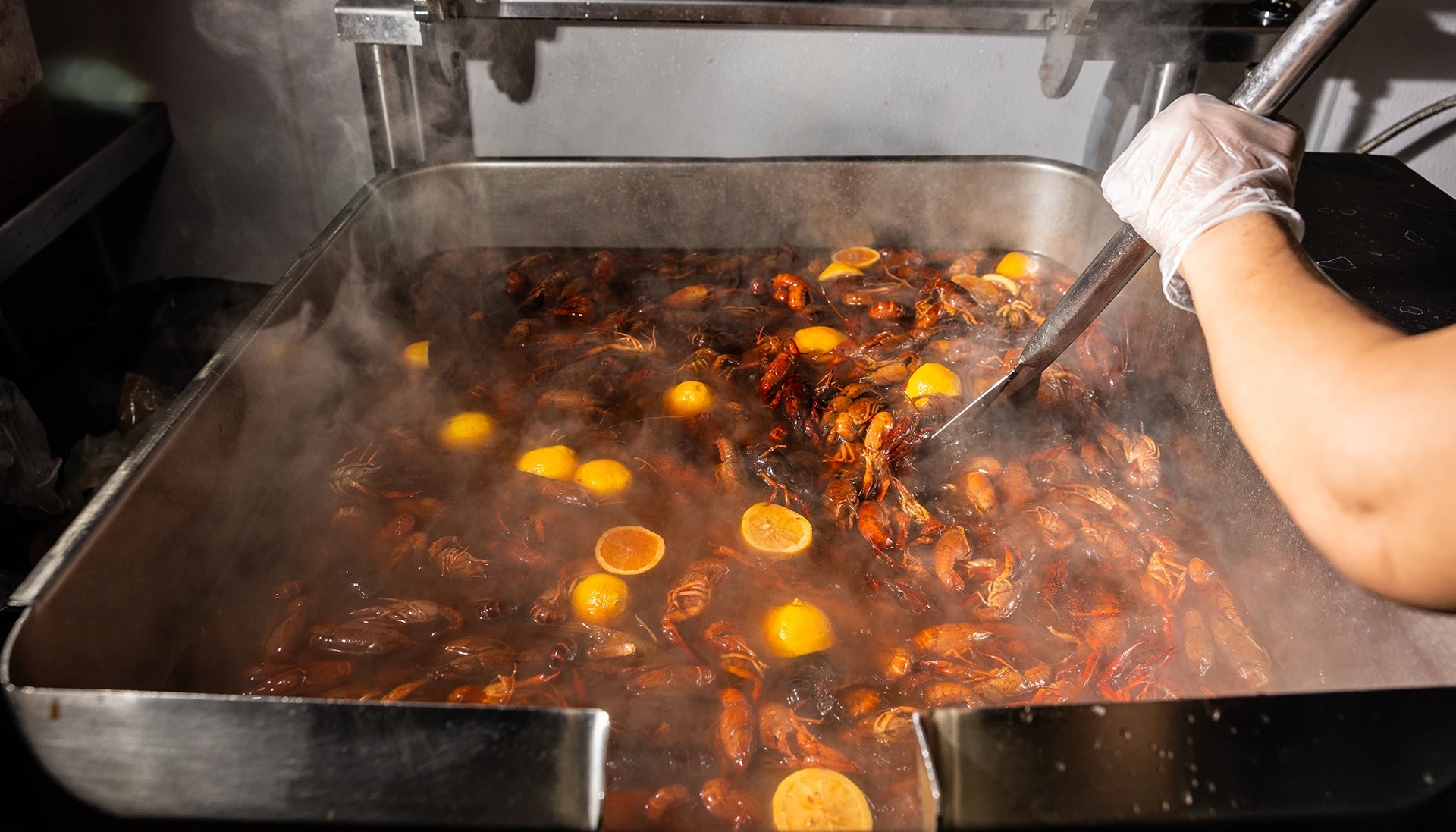
You’re seeing Cajun food on every local best-of list because Cajun cuisine delivers bold, hands-on flavors that stand out in crowded dining scenes. The generous portions and showy presentations of many seafood and Creole dishes make them instantly photo-ready and satisfying for groups. Critics and neighborhoods alike respond to the rustic, communal nature of seafood boils and gumbo, and the theatricality helps some restaurants climb the hype ladder. Razzoo’s Cajun Cafe illustrates how recognizable Cajun flavors can become a reliable draw, while other spots may emphasize trendiness over traditional techniques.
What “Cajun Food” Means in Local Scenes
When you see "Cajun" on a local best-of list, it usually signals a cooking style rooted in Louisiana’s Acadian settlers and centered on bold, rustic flavors built around the holy trinity of onion, bell pepper, and celery. Cajun cuisine often features generous use of spice blends and cooking techniques such as braising and slow simmering rather than fine-dining precision.
In many local scenes, a Cajun restaurant label communicates an approach as much as specific ingredients, conveying hands-on preparations, communal plates, and unapologetic seasoning. Chefs and home cooks frequently make substitutions based on available produce and regional tastes, so shrimp may replace crawfish and smoked sausages may be swapped for local links while the overall cooking mindset persists. When a menu claims Cajun food, diners can expect hearty textures, pronounced heat, and seafood-forward dishes meant for sharing rather than delicate presentation.
Why Cajun Keeps Topping Local “Best‑Of” Lists
Cajun food keeps topping local "best-of" lists because its flavors and formats match what people crave: bold, shareable dishes, straightforward comfort, and reliable value.
Cajun restaurant menus are approachable and make it easy to order for a crowd without fuss, with platters, boils, po’boys, combo plates and seafood options that travel well and satisfy diverse tastes.
Many cooks in Cajun cuisine concentrate on consistency, repeating techniques that deliver familiar results night after night.
Cajun restaurants also create strong service rhythms with quick turnover on busy nights, casual vibes that welcome regulars, and price points that feel fair.
Visible craft — live-fire cooking, hand-cut components, and house sauces — helps these places stick in reviewers’ and voters’ memories, prompting repeat recommendations.
Why Bold, Comforting Flavors Grab Attention
Taste a bowl of gumbo or a loaded po’boy and you understand why bold, comforting flavors grab attention: they cut through the noise with direct, memorable hits such as smoky roux, bright Cajun spice, and rich, simmered stock that satisfy both cravings and curiosity.
You notice immediately the contrasting textures, the heat that builds without overpowering, and the familiar components—rice, bread, shellfish—that anchor adventurous seasoning in Cajun cuisine.
Those elements make dishes from a Cajun restaurant easy to recommend and hard to forget. When a seafood-based plate is both hearty and precise, diners tell friends, post photos, and return again and again.
Boldness gets attention and comfort keeps it, creating a loop of instant appeal, repeat visits, and word-of-mouth that helps Cajun food rise on local best-of lists.
How Authenticity and Regional Storytelling Sell Restaurants
People don’t just eat food; they want a story, and authenticity turns dishes into destinations. You notice when a Cajun restaurant names plates after family members, cites sourcing from Louisiana farms, or explains a recipe’s lineage, and those details make you feel connected.
You trust places that show technique—hand-rolled boudin or slow-smoked andouille—because process signals care. Staff who share origin stories and seasonal ties turn casual meals into cultural experiences, and you’re more likely to recommend a seafood or Cajun cuisine spot for its sense of place.
Menus that balance familiar comfort with regional specificity help you understand what’s genuine versus trend-driven. By foregrounding provenance, local partnerships, and culinary history, Cajun food establishments give you reasons beyond flavor to visit, explain why they belong on best-of lists, and build repeat visitors who value authenticity.
Why Social Media Makes Cajun Dishes Stand Out
Social posts make Cajun dishes pop by pairing bold visuals with short, shareable stories that cue both craving and curiosity. Viewers see vibrant roux, steaming étouffée, and crispy fried oysters, and their thumbs stop.
Short captions highlight heat, heritage, or a chef’s quick line about family recipes, and people are more likely to tap, save, or tag a friend. Hashtags and location tags funnel locals to nearby Cajun restaurants.
Reels and quick videos teach the sizzling rhythm of a proper sear and show the steam rising from a gumbo pot. User reviews and influencer posts add trust and turn mouthwatering clips into reservations.
Because content is immediate and visual, Cajun cuisine and seafood plates travel fast across feeds and neighborhoods alike.
How Chefs Modernize Cajun Classics
Seeing Cajun cuisine everywhere on feeds doesn’t just spark cravings — it challenges chefs to reimagine those classics for new audiences. Chefs strip heavy techniques to their flavorful bones by deconstructing gumbo into concentrated broths, turning dark roux into lighter emulsions, and paring down spice blends to highlight bay, thyme, and cayenne more precisely.
Playful formats such as boudin burgers, hushpuppy bites, and étouffée-topped bowls respect tradition while fitting contemporary plates. Chefs also focus on balancing heat, acid, and texture so Cajun food reads cleaner both on a menu and in a bite. When you try these modern takes at a Cajun restaurant or over a seafood plate, you get familiar profiles with sharper focus, smarter portioning, and inventive presentation.
Why Local, Seasonal Ingredients Make Cajun Feel Current
Tapping local, seasonal ingredients keeps Cajun cooking lively and relevant by letting chefs highlight peak flavors such as sweet Gulf shrimp, bright creek parsley, or tender late-summer okra rather than masking them with heavy techniques.
Dishes taste of a place and a moment when corn is kissed by sun, crawfish arrive in their spring surge, or peaches are at their most fragrant.
Using nearby produce and seafood shortens the time from harvest to plate so textures stay crisp and aromas pop.
Chefs in a Cajun restaurant adapt recipes to whatever is fresh, swapping proteins or herbs without losing the soul of Cajun cuisine.
That responsiveness makes the cuisine feel immediate and sustainable, connects diners to the local landscape, and keeps longtime fans and newcomers excited by each season’s promise.
Price, Portion Size and Value That Sway Voters
While taste and authenticity draw diners in, price and portion size often decide whether they vote a place onto a local best-of list.
You notice value quickly when a Cajun restaurant serves a generous seafood boil or a hearty gumbo that doesn’t break the bank, and those discoveries feel worth sharing.
When portions match expectations—big enough to satisfy but not so huge that they lead to wasted food—you are more likely to praise the spot.
Transparent pricing and sensible add-ons matter, and fixed-price combos or clear market-price notices help prevent sticker shock.
Affordable options for groups or families push a venue serving Cajun cuisine into regular rotation for you and your friends.
In short, you reward places that balance flavor with fairness, and dishes in the Cajun food tradition that feel substantial, fairly priced, and reliably consistent earn your vote.
Cajun Menu Items Voters Name Again and Again
Good value brings people through the door, but the dishes themselves keep them coming back, and voters repeatedly name a handful of Cajun staples as reasons they’ll return.
Gumbo is often mentioned first, with a rich roux, smoky sausage, and tender proteins that signal real technique in Cajun cuisine.
Jambalaya follows as a one-pot comfort dish that demonstrates how a Cajun restaurant can balance spice and starch.
Blackened fish and shrimp show that chefs can control heat without burning flavor in seafood preparations.
Po’boys offer crispy fried shrimp or roast beef drenched in gravy, providing the textural contrast voters crave.
Étouffée arrives glossy and spoonable, clinging to rice and reflecting depth of seasoning and respect for tradition that voters reward repeatedly.
How to Judge Whether a Local Cajun Spot Is Worth the Hype
You can often tell whether a Cajun restaurant lives up to the hype within the first bite and a quick look around. Taste the roux depth in the gumbo and check the balance of heat and seasoning in the jambalaya to judge the strength of the Cajun cuisine.
Note whether proteins such as shrimp, fish, or sausage are fresh and properly cooked, because fresh seafood and well-prepared meats make a big difference. Pay attention to service pacing, since Cajun dishes often need time but shouldn’t arrive lukewarm or sloppy.
Smell matters, and a clean kitchen won’t smell overly greasy. Portion size should match the price and shouldn’t rely on excess filler like too much rice.
Ask about sourcing and preparation when possible, since cooks who brag about fresh seafood or house-made andouille usually mean it. Read recent reviews for consistency, because one great night isn’t proof without repeated praise.